Are you struggling with chipping edges when cutting ceramic tiles and rapid saw blade wear? You're not alone. Many tile processing and decoration teams face these challenges every day. In this article, we'll delve into three practical techniques to help you cut ceramic tiles without chipping, extend the saw blade's lifespan, and improve cutting precision.
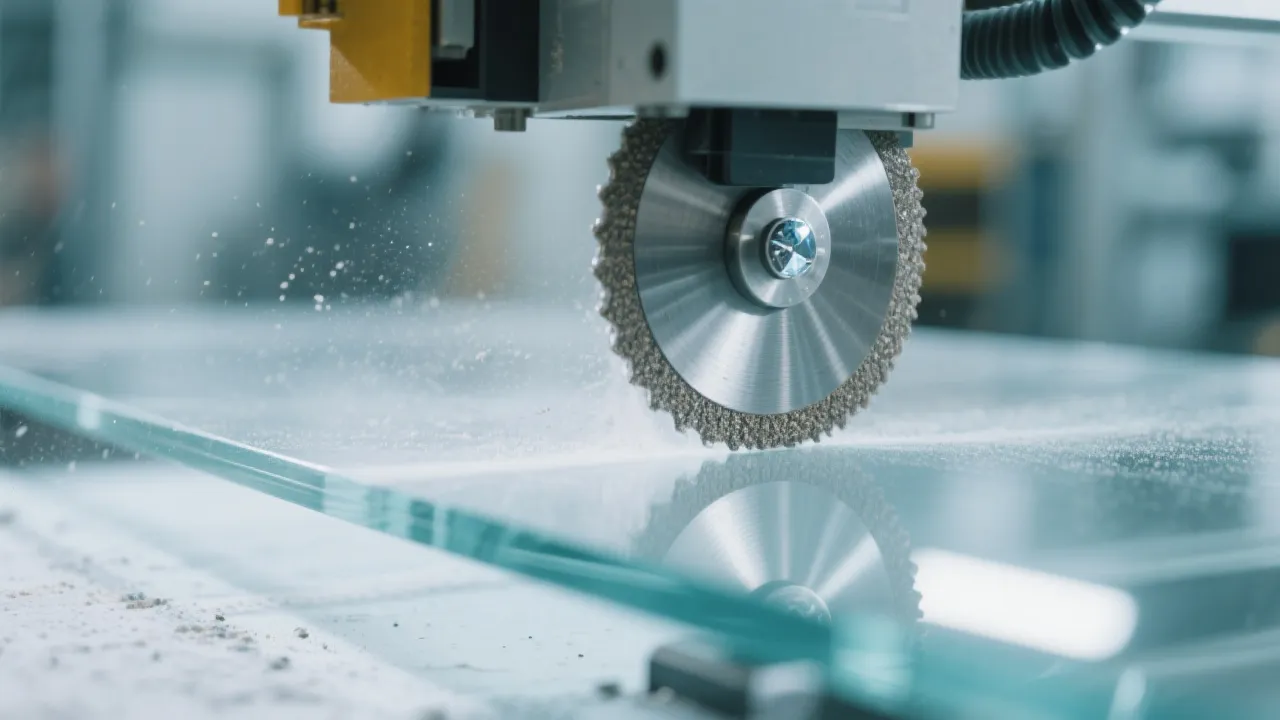
One of the main reasons for chipping edges during ceramic tile cutting is stress concentration. When the feed speed is too fast or the pressure is too high, it can cause excessive stress on the tile, leading to chipping. By precisely controlling the feed speed and pressure, you can significantly reduce stress concentration and achieve a smoother cut.
The principle behind this technique is to ensure that the saw blade cuts through the tile at a steady and controlled pace. When the feed speed is appropriate, the saw blade can cut through the tile without causing excessive stress on the edges. Similarly, by applying the right amount of pressure, you can prevent the tile from cracking or chipping.
First, adjust the feed speed according to the type and thickness of the ceramic tile. For thinner tiles, a slower feed speed is recommended to avoid chipping. Second, apply a consistent and moderate pressure on the saw blade. Avoid applying too much pressure, as this can cause the tile to crack. You can use a pressure gauge to ensure that the pressure is within the recommended range.
By implementing this technique, you can expect to see a significant reduction in chipping edges. In some cases, the chipping rate can be reduced by up to 50%. This not only improves the quality of the cut but also reduces the amount of waste and rework.
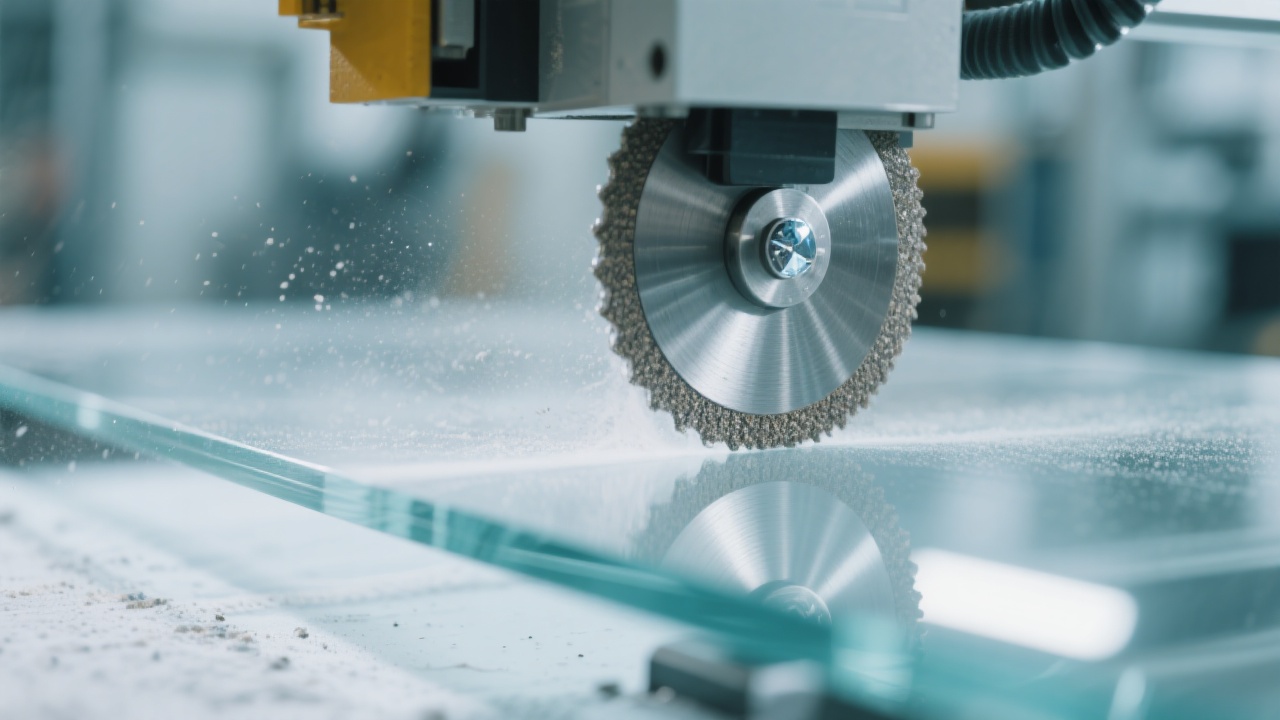
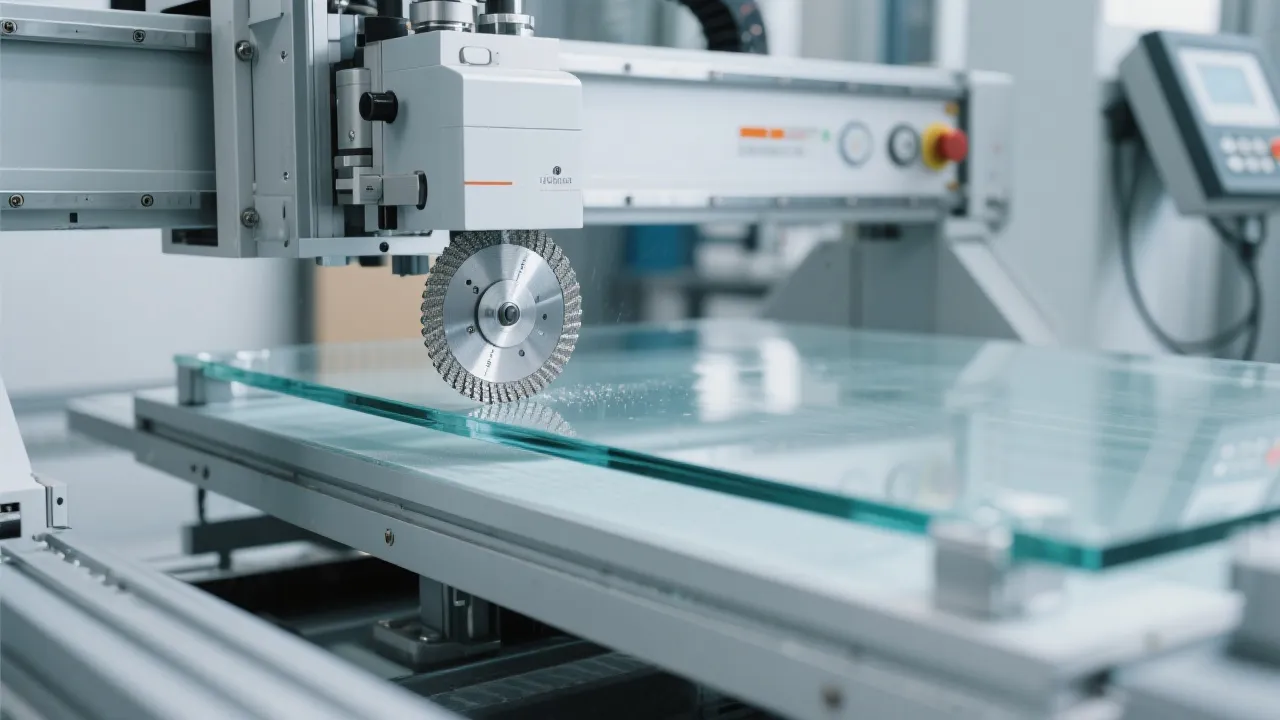
Another factor that can contribute to chipping edges is vibration. When the saw blade vibrates during cutting, it can cause the tile to crack or chip. By optimizing the tooth profile design, you can reduce vibration and improve cutting precision.
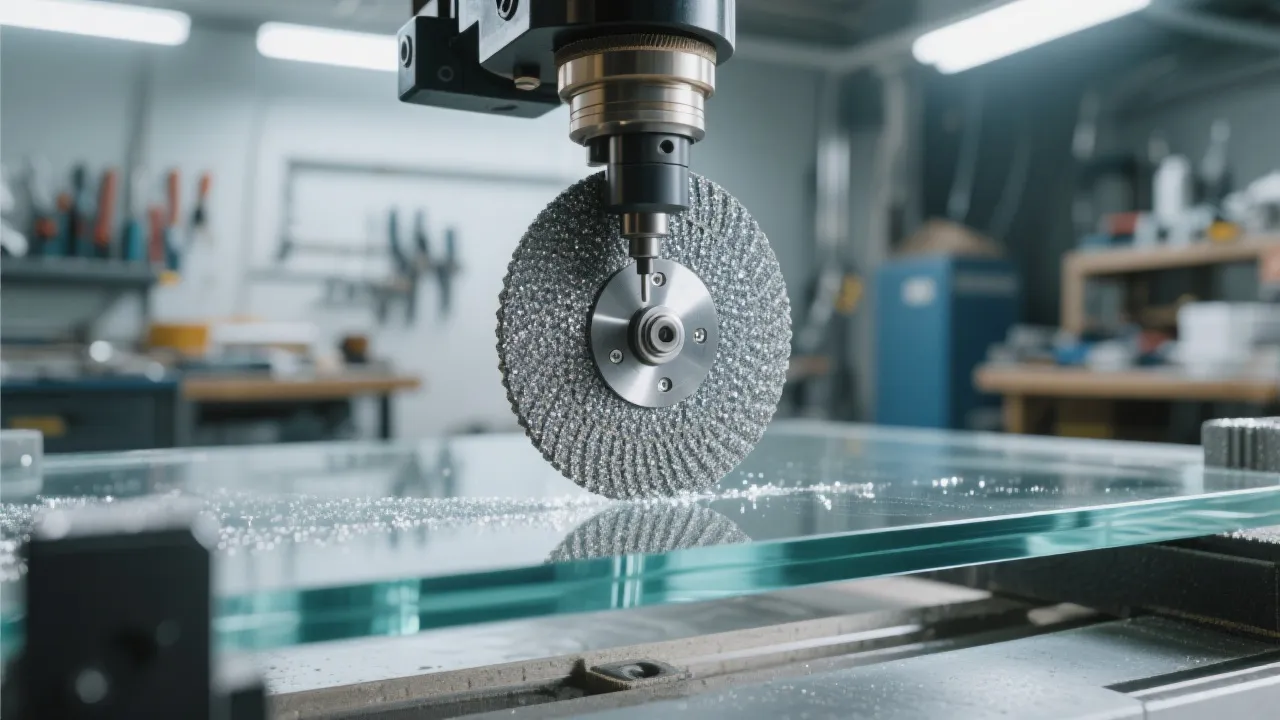
The tooth profile design plays a crucial role in reducing vibration. A well-designed tooth profile can help to distribute the cutting force evenly across the saw blade, reducing the amount of vibration. This not only improves the quality of the cut but also extends the lifespan of the saw blade.
Choose a saw blade with a optimized tooth profile design. Look for saw blades with a variable tooth pitch or a special tooth shape that can reduce vibration. Additionally, make sure that the saw blade is properly installed and tightened to prevent any unnecessary vibration.
By using a saw blade with an optimized tooth profile design, you can expect to see a significant reduction in vibration. In some cases, the vibration can be reduced by up to 30%. This not only improves the quality of the cut but also reduces the wear and tear on the saw blade.
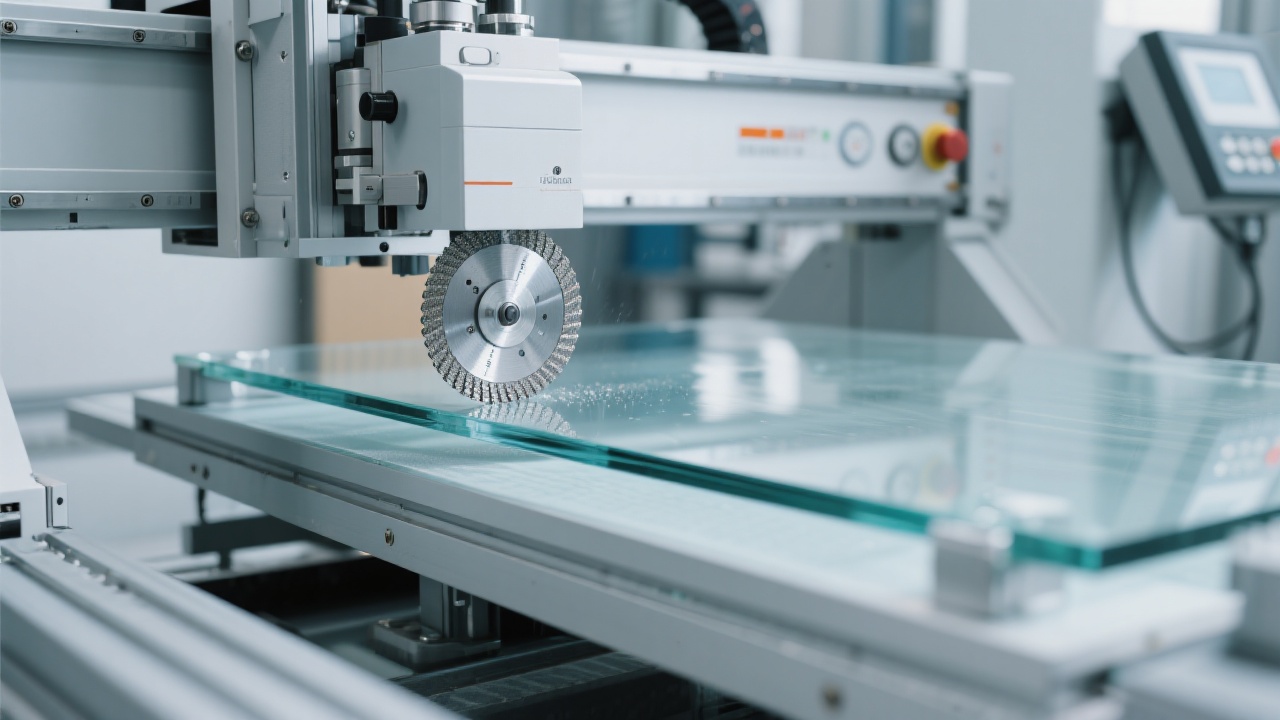
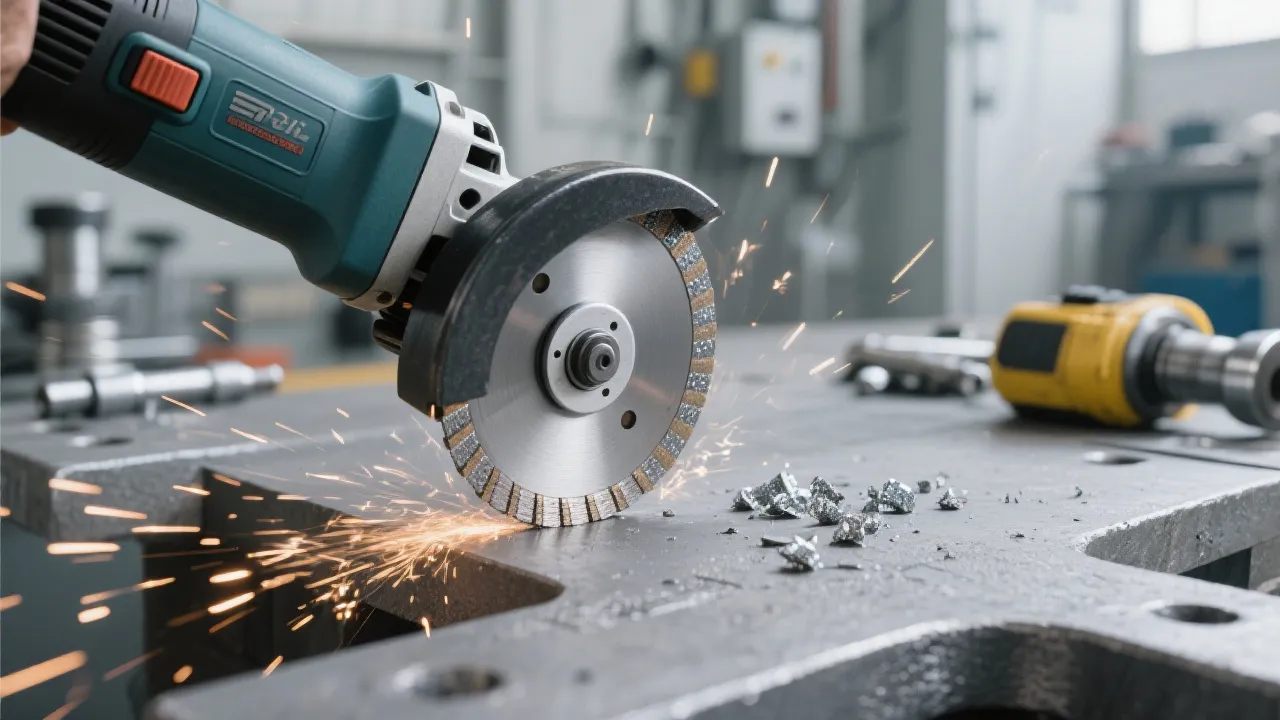
Heat is another major factor that can cause chipping edges and reduce the lifespan of the saw blade. When the saw blade heats up during cutting, it can cause the tile to crack or chip. By using a reasonable cooling method, you can prevent heat damage and improve cutting precision.
The principle behind this technique is to keep the saw blade cool during cutting. By using a coolant or a cooling system, you can reduce the temperature of the saw blade and prevent heat damage. This not only improves the quality of the cut but also extends the lifespan of the saw blade.
Choose a coolant or a cooling system that is suitable for the type of saw blade and the ceramic tile you are cutting. Make sure that the coolant is applied evenly and continuously during cutting. Additionally, make sure that the saw blade is properly lubricated to reduce friction and heat generation.
By using a reasonable cooling method, you can expect to see a significant reduction in heat damage. In some cases, the heat damage can be reduced by up to 40%. This not only improves the quality of the cut but also extends the lifespan of the saw blade.
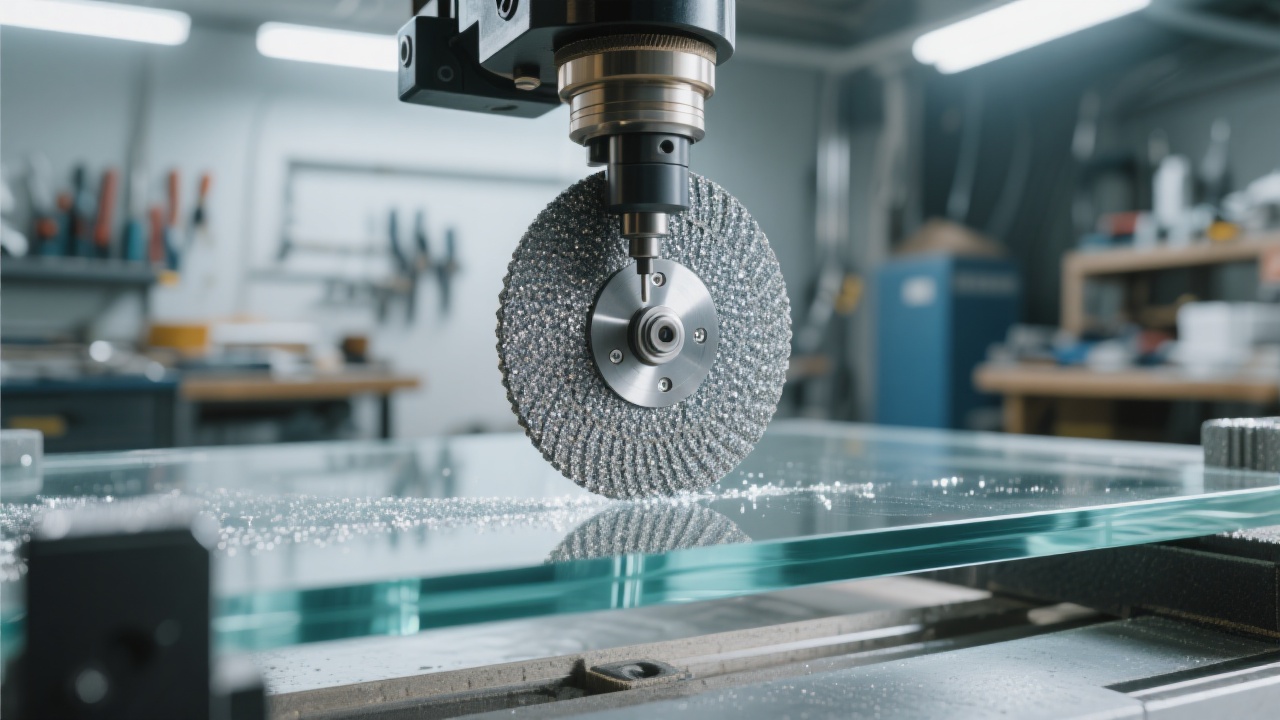
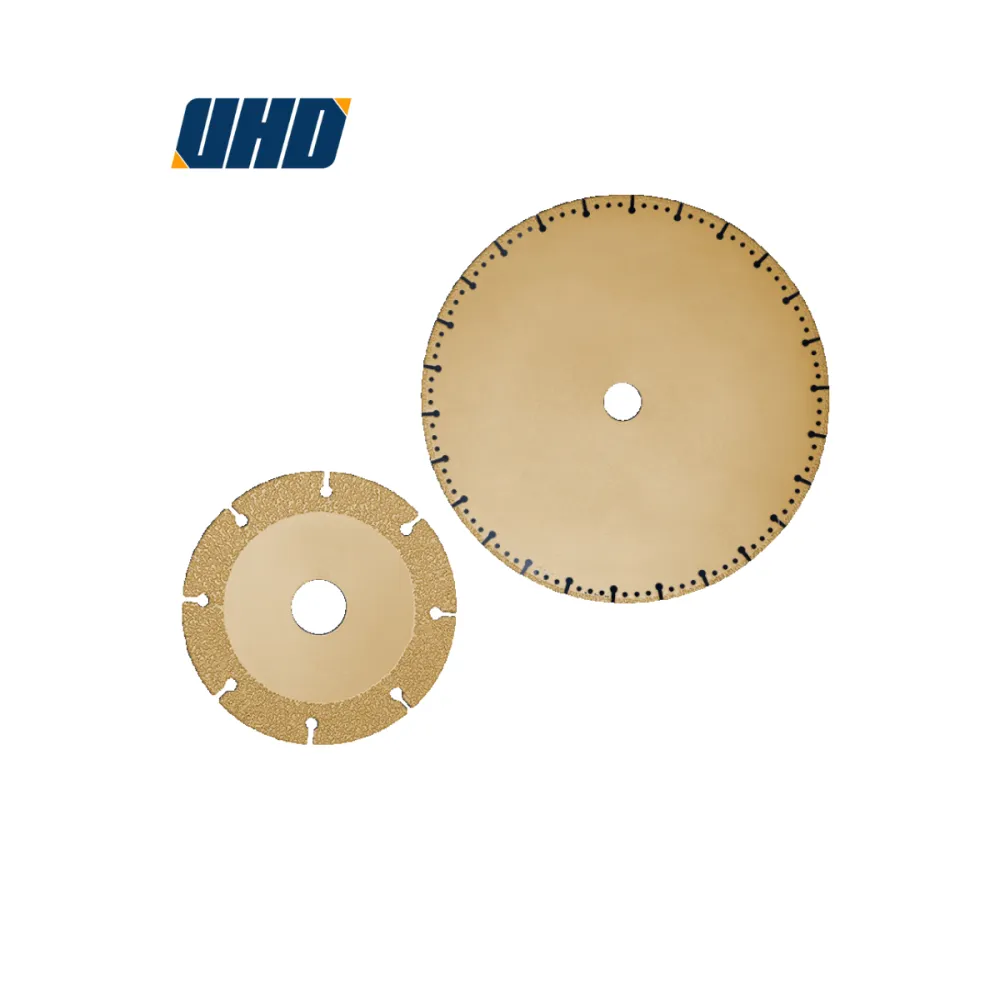
These techniques, when combined with UHD's high-precision diamond saw blades, can significantly extend the saw blade's lifespan and reduce rework. UHD's saw blades feature a high-manganese steel matrix and a precision tooth profile design, which are engineered to provide superior cutting performance and durability.
Are you ready to take your ceramic tile cutting to the next level? Click here to learn more about UHD's high-precision diamond saw blades and how they can help you achieve efficient, stable, and environmentally friendly cutting operations.

.png?x-oss-process=image/resize,h_1000,m_lfit/format,webp)

.png?x-oss-process=image/resize,h_1000,m_lfit/format,webp)