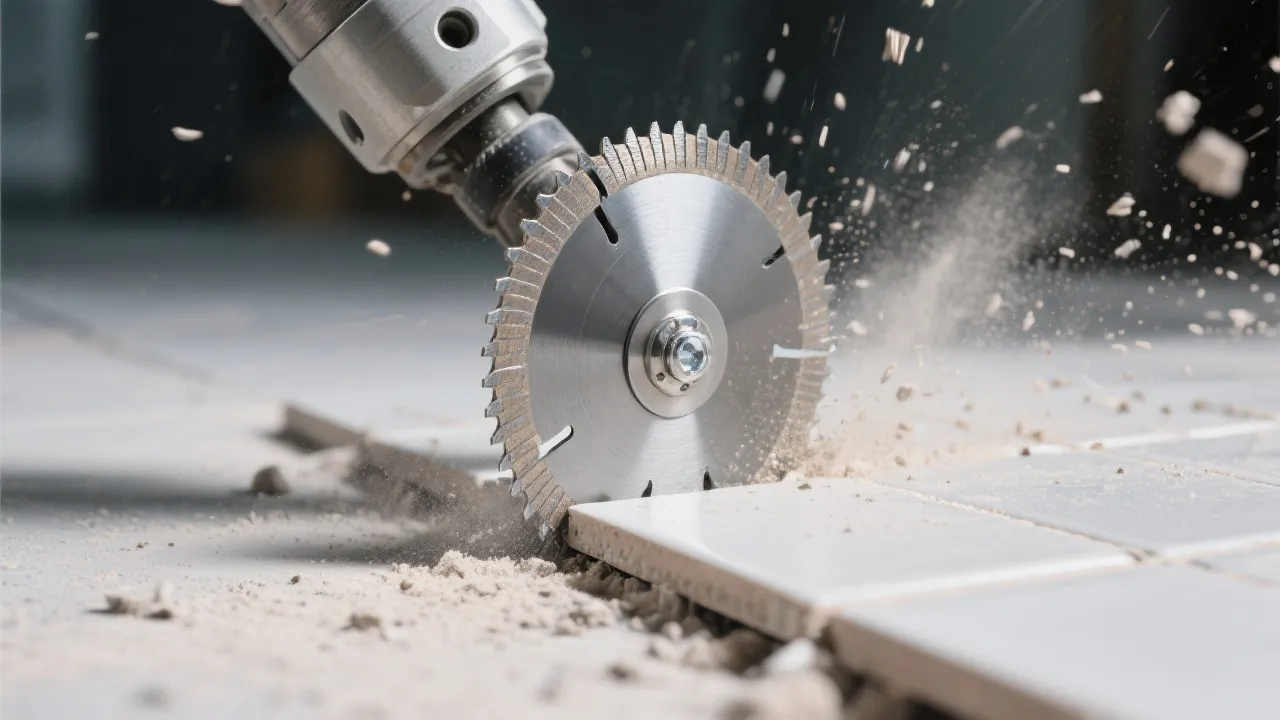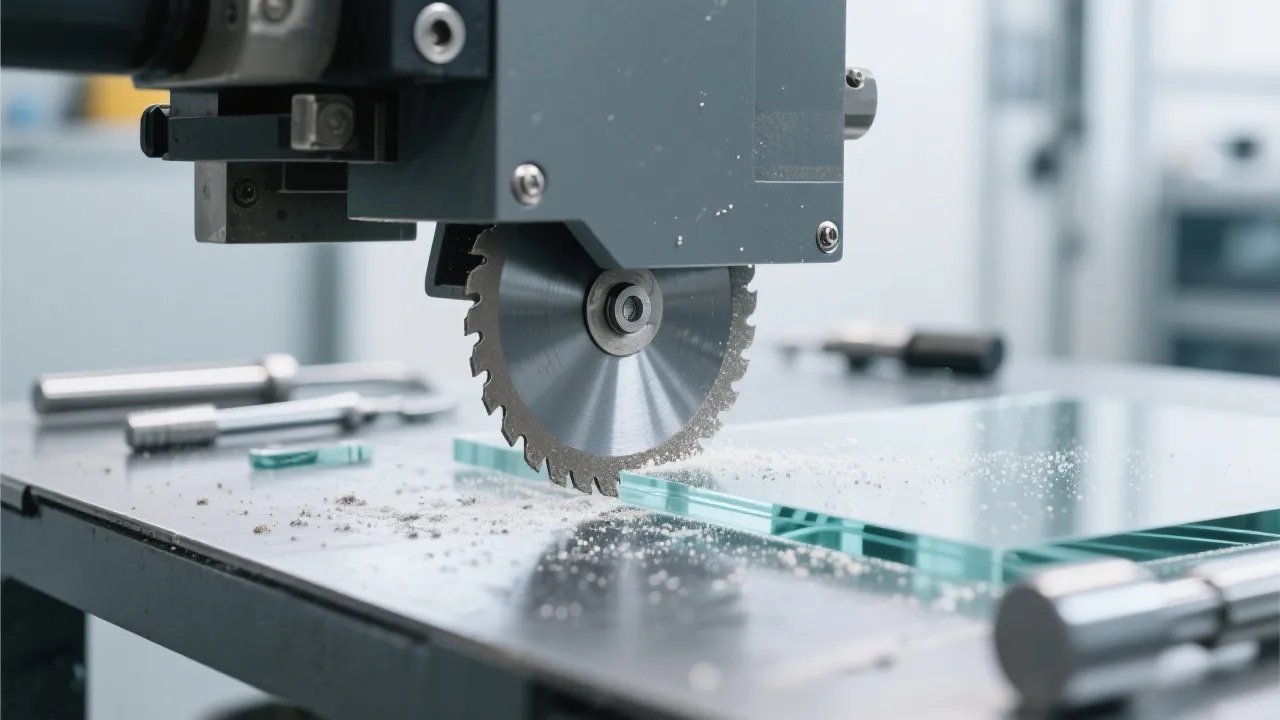
In the precision cutting industry, where every micron matters and production efficiency directly impacts bottom lines, choosing the right cutting tool can make or break your manufacturing process. This technical guide explores how brazed diamond blades have revolutionized glass and ceramic cutting operations, delivering measurable improvements in productivity, safety, and cost-effectiveness.
Brazed diamond technology represents a significant advancement over traditional bonding methods, offering superior performance characteristics that directly translate to operational benefits. Unlike resin or sintered blades, brazed diamond blades feature a metallurgical bond that securely holds diamond particles, exposing up to 70% of each diamond's surface area for maximum cutting efficiency.
| Performance Parameter | Brazed Diamond Blades | Traditional Resin Blades |
|---|---|---|
| Cutting Speed | 30-45% faster | Standard baseline |
| Blade Lifespan | 3-5x longer | Standard baseline |
| Dust Generation | Reduced by 60-70% | Higher particle emission |
| Edge Quality | Precision edges, minimal chipping | More chipping, requires secondary finishing |
A leading architectural glass manufacturer in Germany recently upgraded their cutting operations to brazed diamond blades, resulting in impressive operational improvements. The company was producing 5mm to 19mm thick glass panels for commercial buildings, struggling with inconsistent cut quality and frequent blade changes.
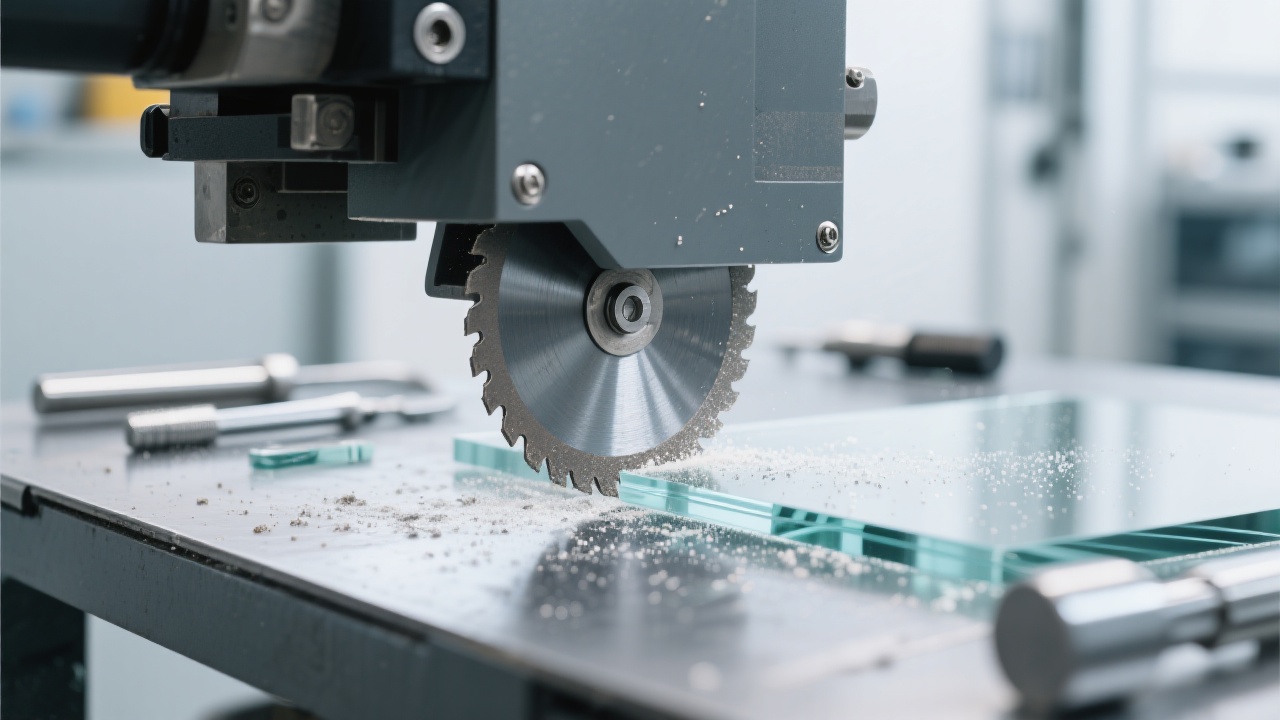
By implementing a 400mm brazed diamond blade with optimized tooth geometry and adjusting key process parameters, the manufacturer achieved:
Ceramic tile producers face unique challenges due to the material's hardness and brittleness. A Spanish tile manufacturer specializing in high-end porcelain tiles implemented brazed diamond blade technology and documented significant operational improvements across their production line.
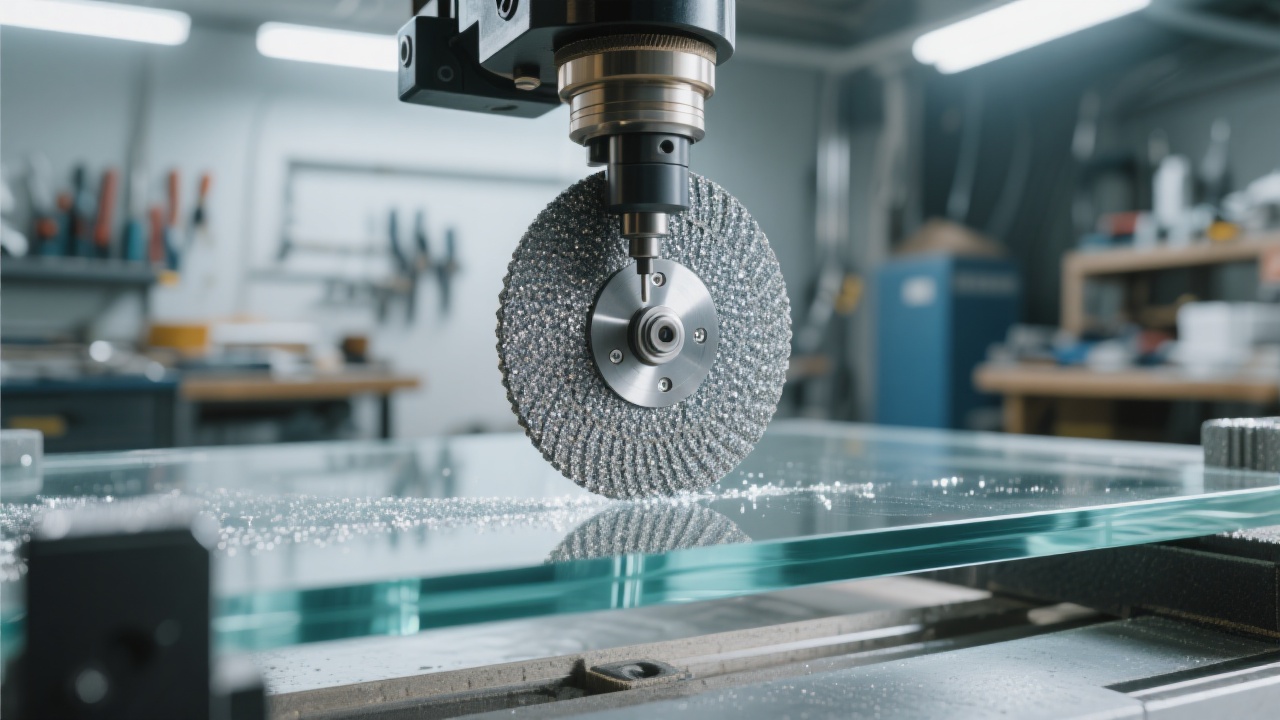
Working with 12mm-thick porcelain tiles, the company optimized their cutting parameters as follows:
Successfully integrating brazed diamond blades into your production process requires more than just tool replacement—it demands a systematic approach to equipment setup, parameter optimization, and operator training. Based on extensive field research with over 50 manufacturing facilities, we've identified key implementation steps that correlate with the highest success rates.
Precision alignment is critical for achieving optimal results with brazed diamond blades. Misalignment by just 0.1mm can increase vibration, reduce blade life by up to 40%, and compromise cut quality. Invest time in proper arbor mounting, ensuring runout is minimized to less than 0.05mm.
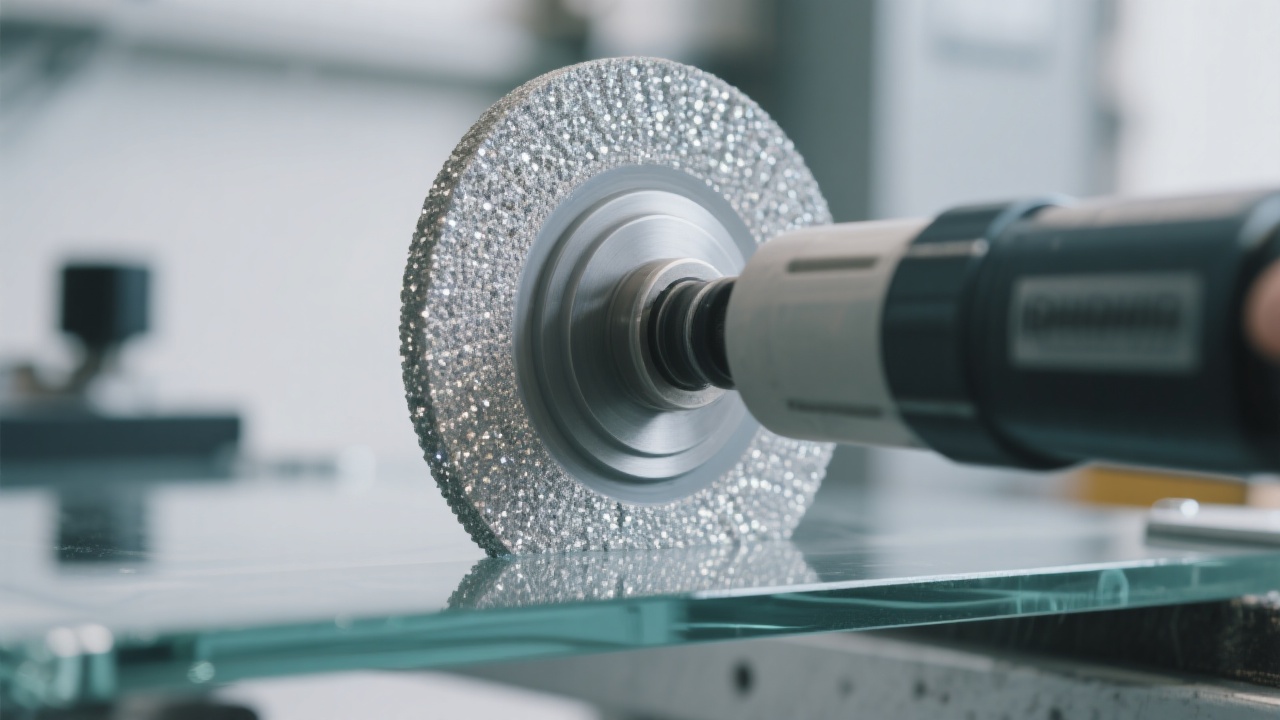
Proper maintenance can significantly extend the operational life of brazed diamond blades. Implement these best practices:
Experience the efficiency, precision, and cost savings that thousands of manufacturers worldwide have already achieved with advanced brazed diamond cutting technology.
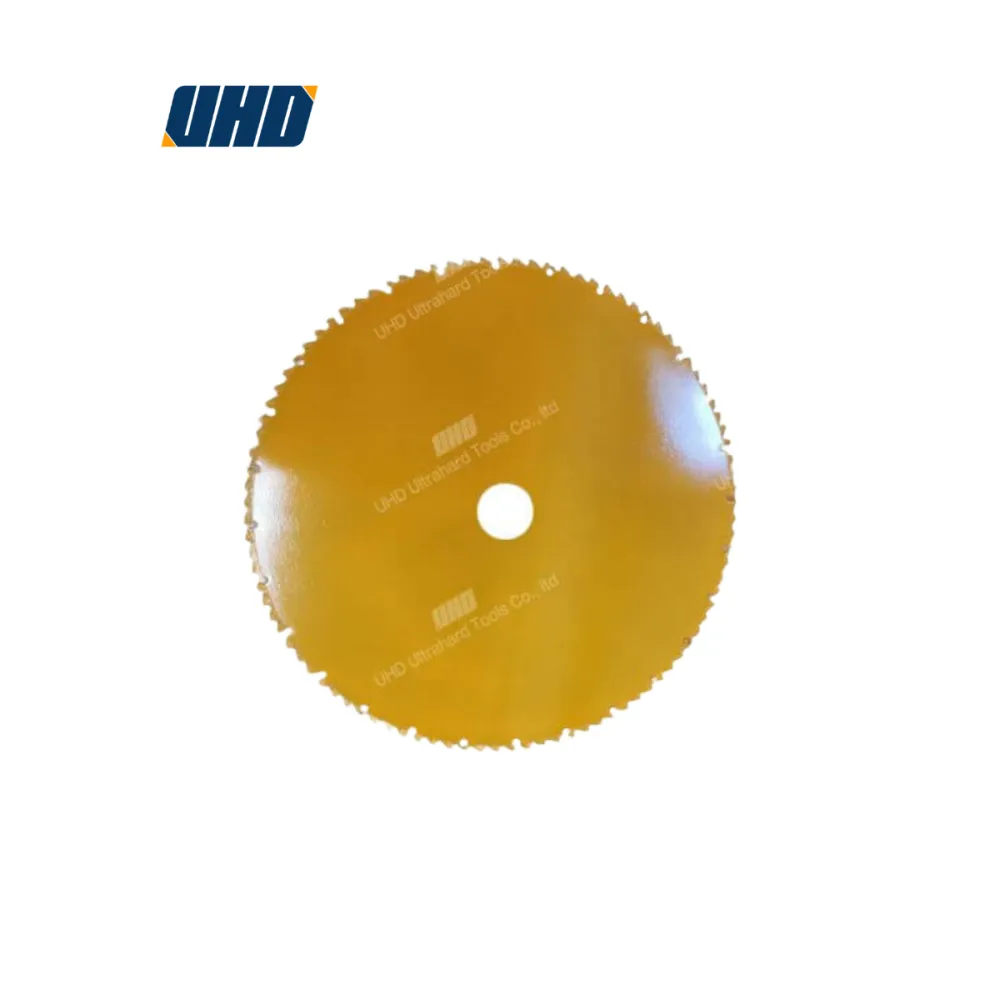
Discover the Brazed Diamond Blade 400 SeriesManufacturing facilities across Europe and North America have reported return on investment periods as short as 4-6 weeks when switching to optimized brazed diamond blade technology. The combination of increased throughput, reduced material waste, lower tool replacement costs, and improved workplace safety creates a compelling business case for upgrading your cutting operations.
Technical teams should approach blade selection as a strategic decision based on material characteristics, production volumes, and quality requirements. Consult with application specialists to conduct a thorough process analysis before making equipment investments, ensuring optimal matching of blade specifications to your unique production challenges.


.png?x-oss-process=image/resize,h_1000,m_lfit/format,webp)