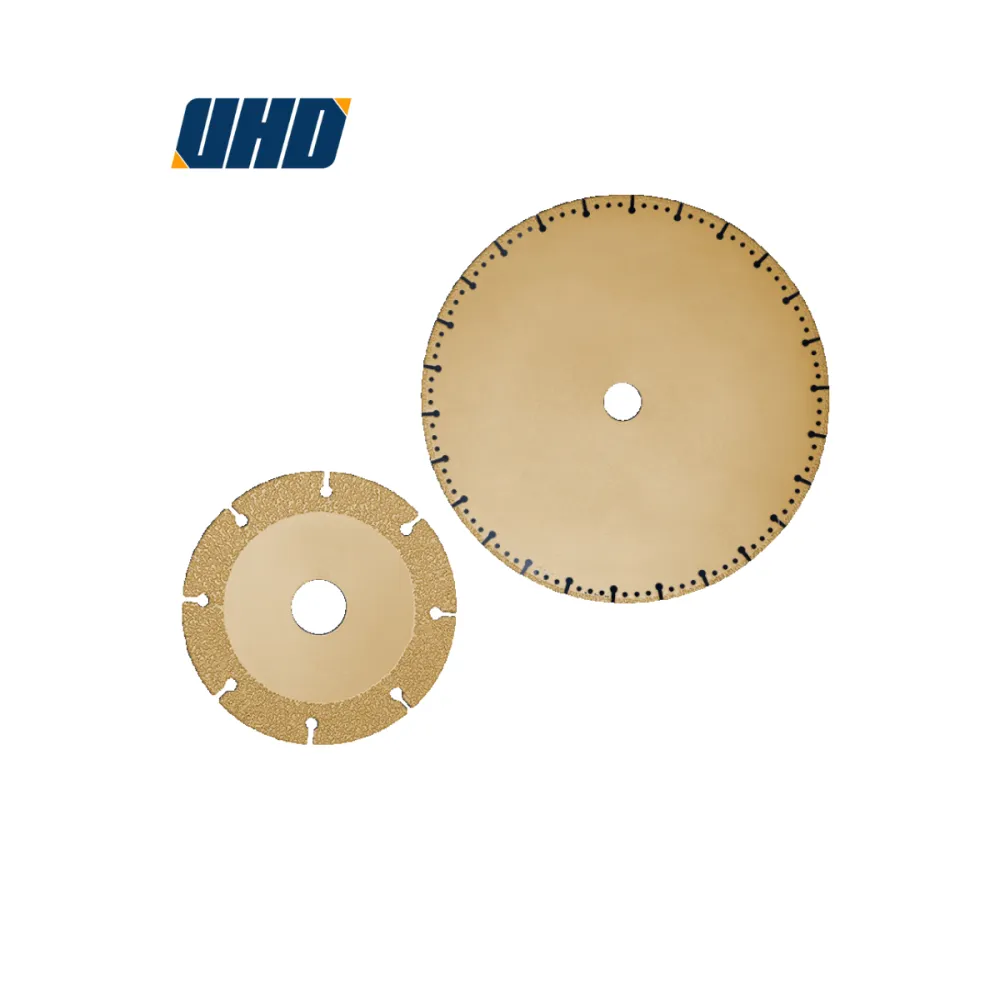
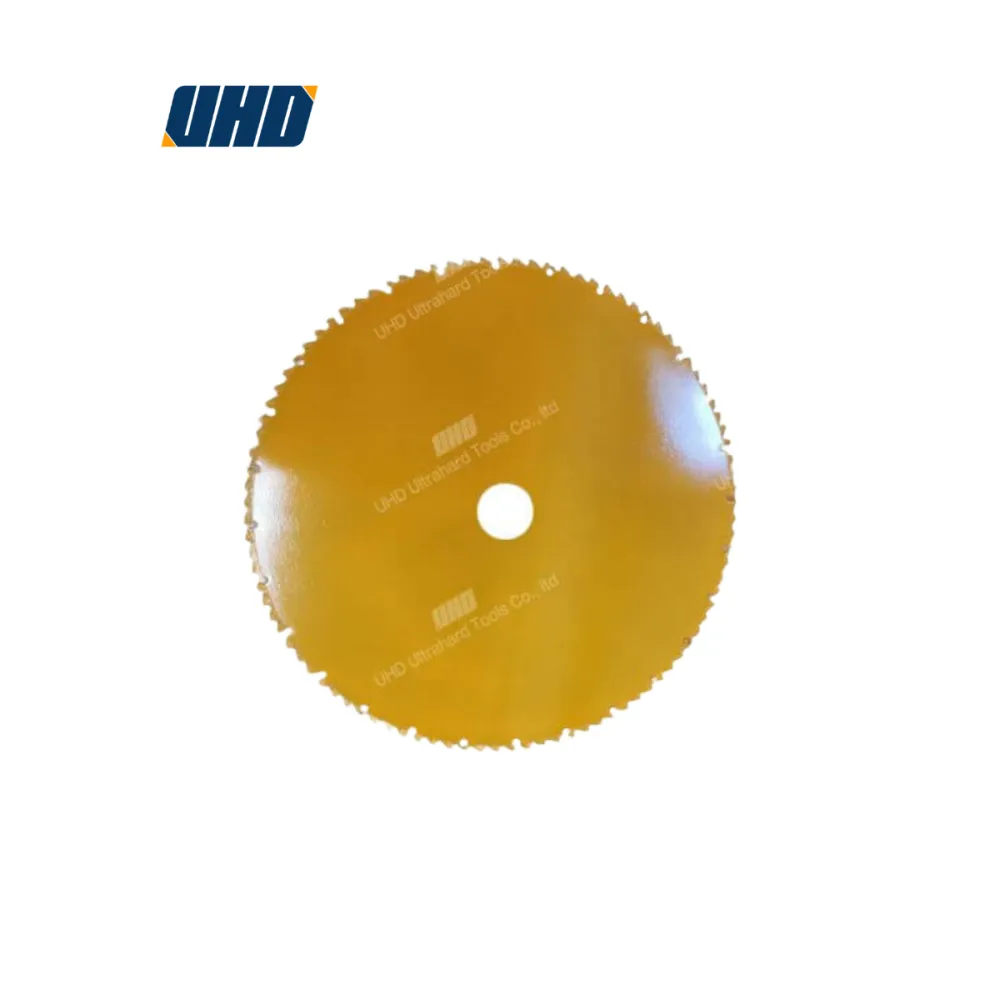
When it comes to industrial cutting precision, few tools match the performance of a well-tuned brazed diamond blade like the ZS400H. But even the best blade won’t deliver optimal results without proper parameter optimization—especially when working with diverse materials such as gray cast iron, stainless steel, ductile iron, and hard alloys.
Studies show that using incorrect linear speed (RPM) or feed rate can reduce blade life by up to 40%. For example:
| Material Type | Recommended Linear Speed (m/s) | Optimal Feed Rate (mm/min) |
|---|---|---|
| Gray Cast Iron | 30–40 | 15–25 |
| Stainless Steel | 25–35 | 10–20 |
| Ductile Iron | 35–45 | 20–30 |
| Hard Alloys | 20–30 | 5–15 |
These ranges aren’t arbitrary—they’re based on real-world testing across over 50 production lines globally. Adjusting these parameters correctly not only boosts throughput but also reduces heat buildup, which is a leading cause of premature blade failure.
A common oversight? Misalignment during installation. Even a 0.2 mm offset in blade centering can lead to uneven wear and vibration-induced damage. Our clients report an average 25% increase in blade lifespan after implementing our recommended alignment checklist—especially critical for CNC machining centers where consistency matters most.
Pro tip: Use laser-guided alignment tools or dial indicators for setups involving high-precision parts like aerospace components. Don't skip the pre-run test at low feed rates—it saves downtime later.
Regular maintenance isn’t just about cleaning—it’s predictive care. Monitor vibration levels weekly using handheld sensors (average cost: $150). If amplitude exceeds 0.5 mm/s, investigate bearing wear or misalignment immediately. Also, apply anti-rust coatings monthly if stored in humid environments—this simple step prevents surface oxidation that affects cutting edge sharpness.
In one case study from a German automotive supplier, optimizing parameters reduced their blade change frequency from once per week to every three weeks—a direct impact on OEE (Overall Equipment Effectiveness).
Q: How do I know when my blade needs replacing?
A: Look for signs like increased noise (>75 dB), visible chipping, or inconsistent cut depth. If you notice any of these, stop and inspect—don’t wait until failure.
Q: Can I use the same settings for all materials?
A: No. Each material has unique thermal conductivity and hardness profiles. Always refer to your blade’s technical sheet—and adjust accordingly.
Want to see how the ZS400H performs in YOUR specific application? Let us help tailor a cutting strategy that fits your equipment, workflow, and material mix.
Ready to boost your cutting efficiency? Get personalized guidance on optimizing your brazed diamond blade usage—no price tags, just actionable insights.
Explore Customized Solutions for Your Operation.png?x-oss-process=image/resize,h_1000,m_lfit/format,webp)
.png?x-oss-process=image/resize,h_1000,m_lfit/format,webp)