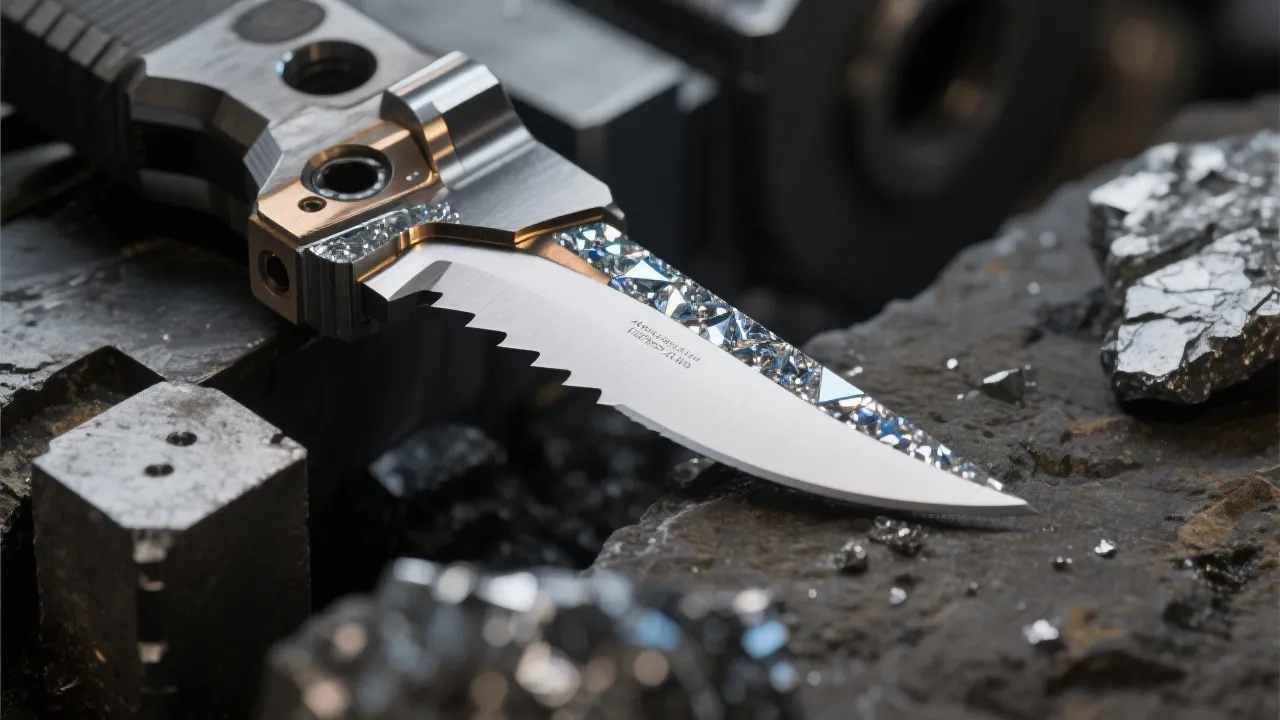
In glass and ceramic fabrication, “cutting” is rarely just a cut. It is a chain reaction that affects downstream grinding time, edge chipping, scrap rate, worker fatigue, and dust control compliance. This case study reviews how a production team improved throughput and finish consistency by switching to brazed diamond blades and refining their cutting parameters—based on real shop-floor constraints, not ideal lab conditions.
The customer is a mid-size processor producing architectural glass panels and porcelain/ceramic slabs for interior projects. Their daily mix included 8–12 mm tempered glass and 10–20 mm porcelain tiles, with frequent small-batch changeovers.
The target was clear: raise cutting efficiency without sacrificing edge integrity, while improving the work environment to reduce dust exposure and fatigue.
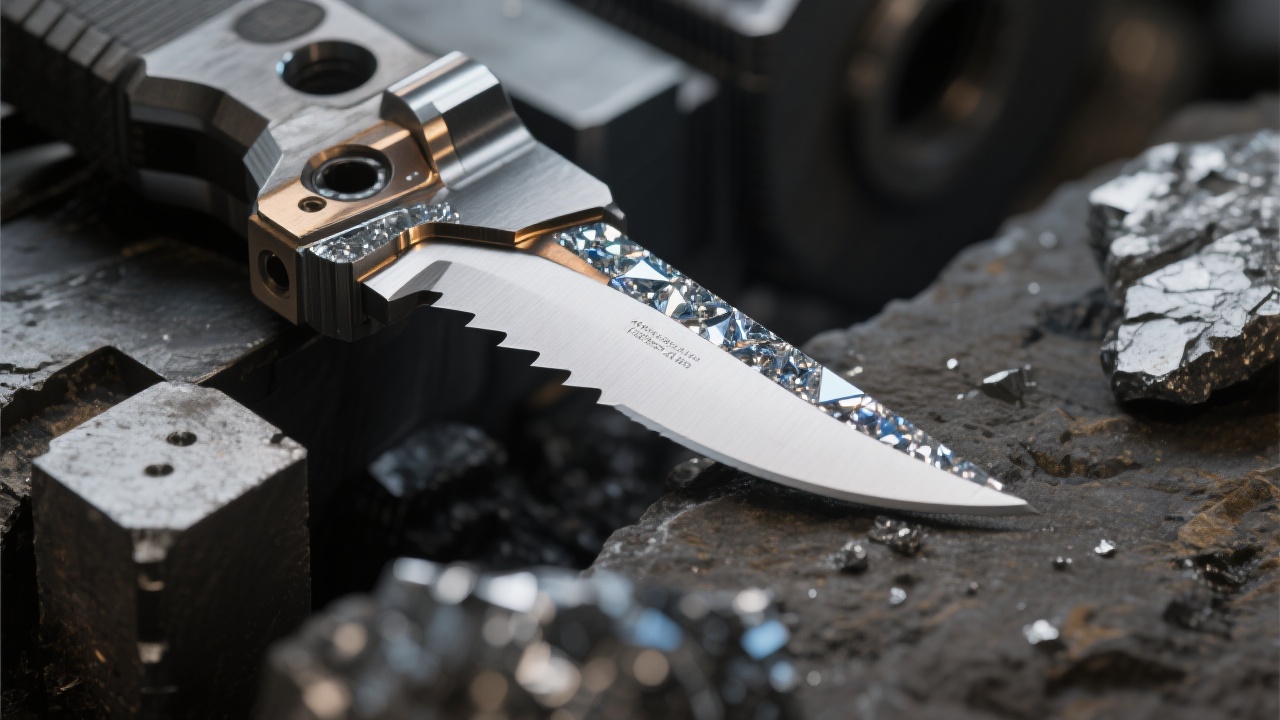
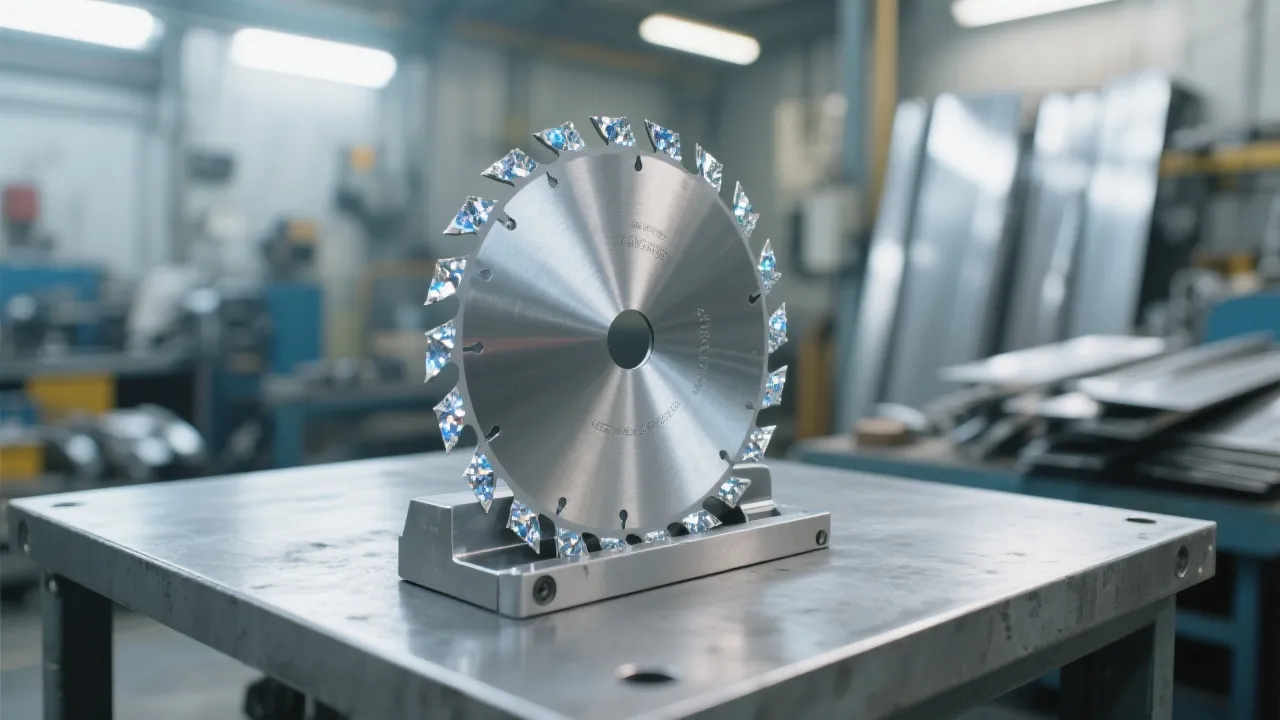
Compared with many conventional diamond tools, brazed diamond blades typically feature a stronger mechanical bond between diamond particles and the blade body. In practice, the team observed three operational advantages that mattered most in production:
The takeaway for glass/ceramic shops: the blade is only half the story. The other half is how the blade is driven—RPM, feed, depth strategy, coolant/dust control, and operator habits.
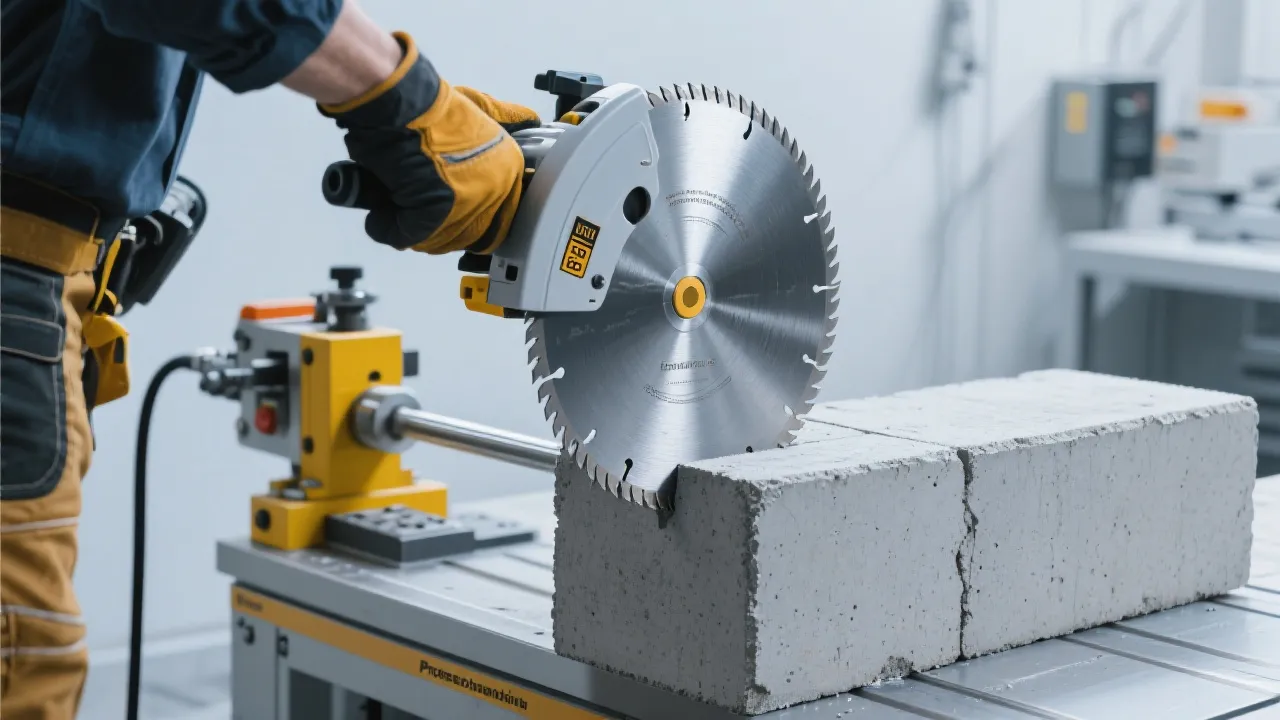
The customer ran two main stations: a bridge saw for slabs and a table saw for smaller panels. Rather than replacing machines, they focused on ensuring the existing equipment could deliver stable spindle speed, rigid guidance, and reliable coolant or extraction.

The team conducted controlled trials over two weeks, logging RPM, feed rate, depth of cut, coolant flow, and resulting edge condition. The goal was to reduce the “operator intuition gap” by defining a repeatable window.
| Material | Thickness | Spindle Speed (RPM) | Feed Rate (mm/min) | Depth Strategy | Cooling / Dust Control |
|---|---|---|---|---|---|
| Tempered glass | 8–12 mm | 2,800–3,600 | 900–1,600 | 2-pass preferred for tight tolerance edges | Wet cutting; stable flow 2.5–4 L/min |
| Porcelain / ceramic slab | 10–20 mm | 3,200–4,200 | 600–1,200 | Multiple shallow passes reduce chipping | Wet preferred; if dry, HEPA extraction & shroud |
| Glazed ceramic tile | 6–12 mm | 3,500–4,500 | 800–1,800 | Score-like first pass then full depth | Wet or mist; keep glaze temperature stable |
Note: These are practical starting ranges observed in production environments. Final settings depend on blade diameter, machine power/rigidity, and edge-quality targets.
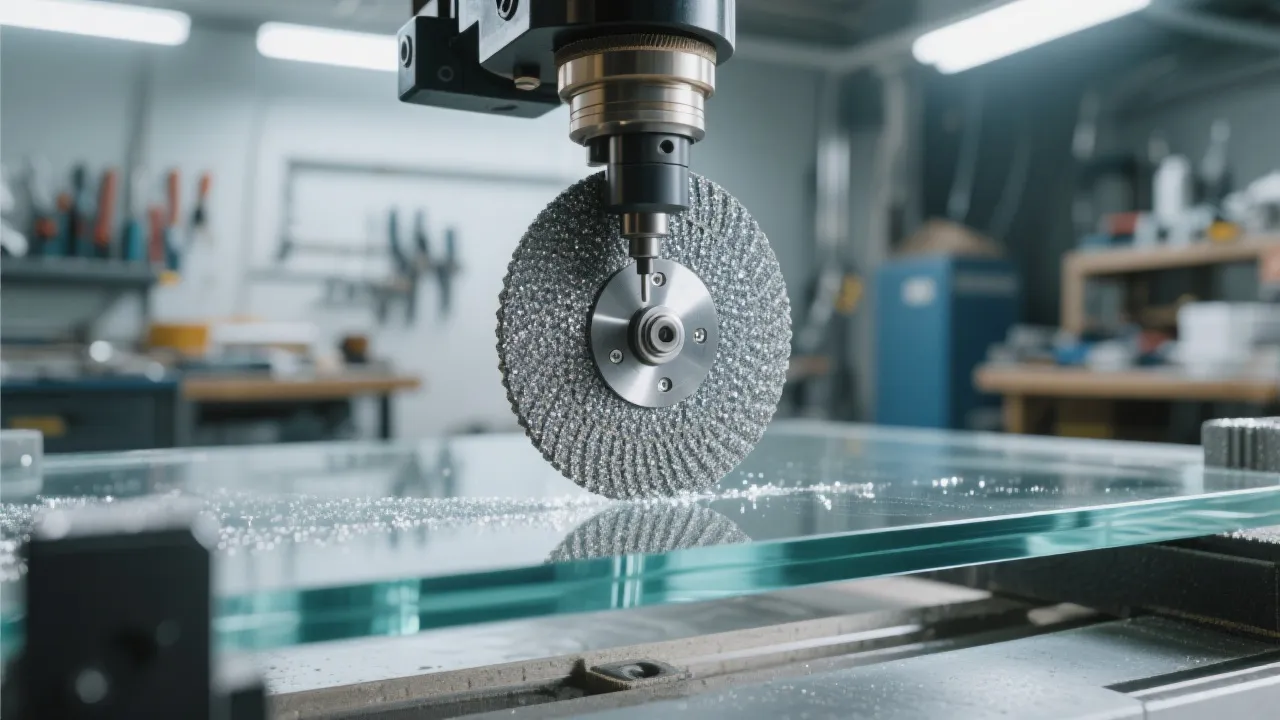
They stopped “one heavy pass” cutting on porcelain. Switching to two to three shallower passes reduced corner breakout and stabilized feed. On glass, controlling coolant delivery to the contact zone prevented random micro-chipping that often appeared after tool warm-up.
To make results repeatable, the shop turned the best-performing trial settings into a simple operating routine that every shift could follow.
One supervisor noted that after standardizing the routine, new operators reached “acceptable edge quality” faster—because the process relied less on personal intuition and more on measurable settings.

After implementing the optimized brazed blade process, the shop tracked performance across comparable orders. Results varied by batch complexity, but the improvements were consistent enough to become the new standard.
“The cut feels steadier—less fighting the machine. When the feed is stable, the edge comes out cleaner.”
“With the right water flow, we don’t get that random ‘edge pop’ on glass after the blade warms up.”
Glass and ceramic cutting can generate fine particles that spread quickly and settle into guides, motors, and lungs. The shop prioritized two approaches depending on station constraints: wet cutting where feasible, and at-source extraction where not.
Importantly, dust control was positioned as a productivity tool, not a compliance burden—because cleaner machines held tolerance longer and required fewer stops for troubleshooting.
For a visual walkthrough of a typical glass/ceramic cutting setup (coolant aiming, pass strategy, and inspection checkpoints), the team shared a short clip internally: https://www.youtube.com/watch?v=8w6m3QmE2c0
Not automatically. Chipping usually increases when feed becomes unstable (micro-stops, vibration, poor clamping) or when depth is too aggressive for brittle materials. Many shops see better edges with a slightly higher but steadier feed paired with shallow-pass strategy—especially on porcelain.
Wet cutting is strongly recommended for consistent edge quality and temperature control. If the application must be dry, invest in at-source dust capture (shroud + high-efficiency filtration) and reduce depth per pass to limit heat and micro-cracking.
Lock three variables first: spindle speed, pass strategy (single vs multi-pass), and coolant/extraction setup. Then train operators to avoid “micro-pauses” mid-cut. A simple log sheet for edge defects every 10–15 cuts often reveals whether the issue is parameter drift or machine condition.
For teams cutting glass and ceramic daily, the right blade should help operators work with less force, maintain steadier feeds, and keep edge quality predictable—especially during small-batch changeovers. In this case, adopting a brazed blade approach and standardizing parameters delivered measurable gains in throughput, rework reduction, and cleanliness.
Explore how the Brazed Diamond Saw Blade 400 supports efficient cutting, consistent edges, and production-friendly parameter windows.
Recommended next step: share your material (glass/porcelain type), thickness range, machine model, and whether you cut wet or dry—so the parameter starting point can be matched to your real production line.
.png?x-oss-process=image/resize,h_1000,m_lfit/format,webp)