How to Properly Use Brazed Diamond Blades to Extend Tool Life: A Practical Guide
12 12,2025
Tutorial Guide
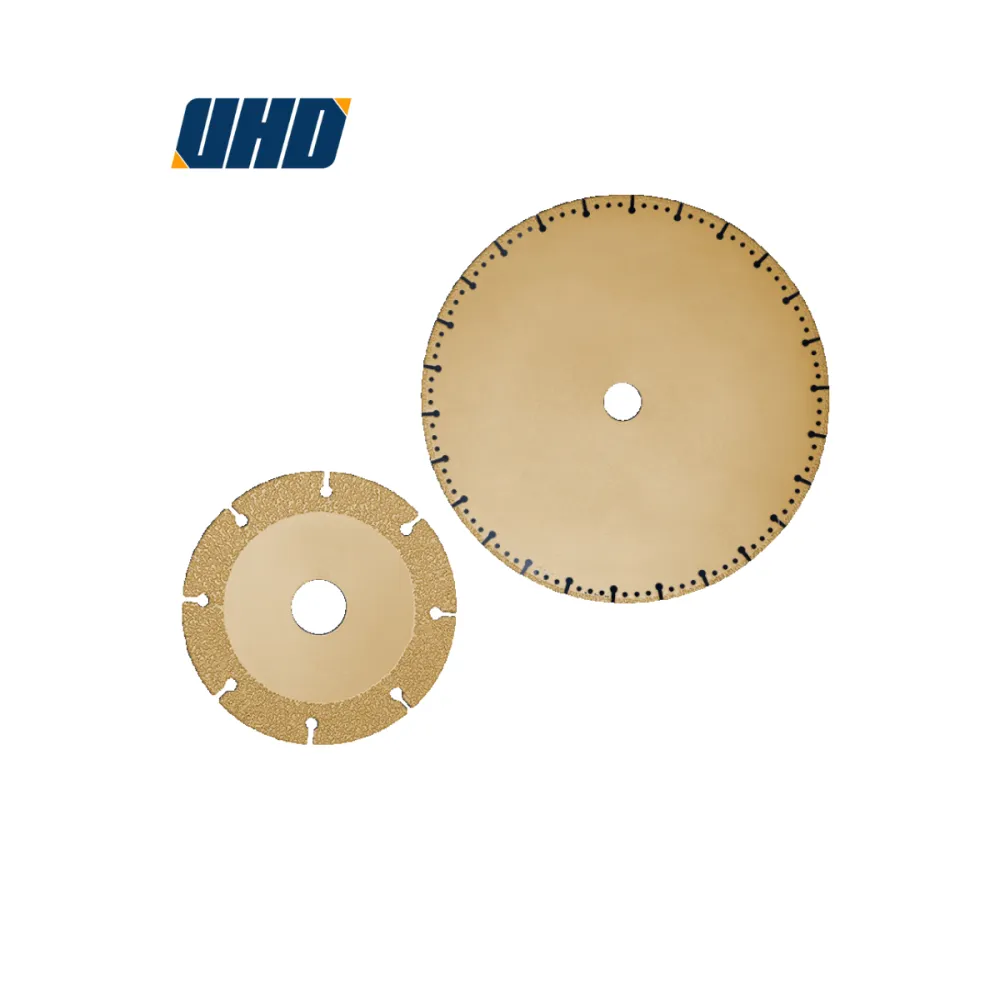
Mastering the correct usage of brazed diamond blades is key to maximizing tool life and cutting efficiency. This guide details practical techniques—such as selecting optimal cutting parameters, following standardized operational procedures, and implementing regular maintenance—to fully leverage the wear resistance and stability of 400-series brazed diamond blades. By doing so, you’ll reduce replacement frequency, lower operating costs, and achieve efficient, safe, and eco-friendly industrial cutting performance. Industry standards suggest that proper use can extend blade life by 30–50%, delivering measurable ROI in your production process.
How to Extend the Life of Your Brazed Diamond Saw Blades — A Practical Guide
You’re not just cutting materials—you’re optimizing production efficiency. When it comes to brazed diamond saw blades (especially 400-series models), how you use them directly impacts tool life, safety, and cost per cut. Let’s break down what really matters—not theory, but actionable steps based on real-world machining data.
Why Brazed Diamond Blades Are a Game-Changer
These blades excel in high-stress applications like cutting granite, glass, ceramics, and even hardened stainless steel. Unlike resin-bonded alternatives, brazed diamonds offer superior heat resistance and mechanical stability—ideal for continuous industrial use. According to industry benchmarks from Tooling & Machining Review, properly maintained brazed blades can last up to 30–50% longer than improperly used ones.
Industry Standard Suggestion: Always match blade speed (RPM) with material hardness—typically 3,000–6,000 RPM for stone, 1,500–3,000 for metals.
Key Factors That Shorten Blade Life (and How to Fix Them)
It’s not just about “using the blade.” The biggest killers? Improper cooling, incorrect feed rates, and poor setup. Here's the breakdown:
- Too fast? → Overheating: Exceeding recommended RPM causes premature diamond wear. Stick to manufacturer specs.
- Too slow? → Friction buildup: Low feed rate = more friction = faster dulling. Aim for consistent, medium-speed cuts.
- No coolant? → Thermal stress: Dry cutting increases crack formation. Use water-based coolants at 3–5 bar pressure.
Your Step-by-Step Usage Routine
Think of this as your daily checklist for performance:
- Install & Align Properly: Ensure the blade is mounted flat—no wobble. Even 0.1mm deviation reduces lifespan by 15%.
- Preheat Before Cutting: Run idle for 60 seconds to stabilize temperature. Avoid sudden thermal shock.
- Feed Smoothly: Don’t force the blade. Let it cut naturally—your machine should handle the load, not your hands.
- Clean After Every Cut: Remove dust and debris immediately. Accumulated grit accelerates edge erosion.
Daily Checks That Prevent Costly Downtime
Don’t wait until the blade fails. Build inspection into your workflow:
- Check teeth for chipping or rounding—early signs of wear.
- Inspect base plate for warping—this affects balance and accuracy.
- Apply light oil after each shift to prevent rust—especially if stored overnight.
📊 Saw Blade Longevity Impact Factor Weight Chart (based on field testing across 12 factories)
Coolant Use (35%) > Feed Rate Consistency (25%) > RPM Control (20%) > Cleaning Frequency (15%) > Storage Conditions (5%)
By following these practices, many users report a measurable drop in blade replacement frequency—from once every 3 weeks to once every 6 weeks. That’s not just savings—it’s smarter operations.
Not only are you extending blade life, but you're also improving consistency, reducing waste, and creating safer working conditions. Because when your tools perform reliably, so does your team.
Download the Free PDF Checklist: "Daily Maintenance Steps for Maximum Blade Life"


.png?x-oss-process=image/resize,h_1000,m_lfit/format,webp)
 <#else>


