Imagine your production line coming to a halt again because another blade has worn out. You check the log - that's the third replacement this week. The numbers tell the story: 12 minutes of downtime per change, 45 minutes of lost production, and the ever-increasing cost of consumables. If this scenario feels familiar, you're not alone. Our industry research shows that manufacturers lose an average of 67 production hours annually due to premature blade failure when cutting gray cast iron.
"We were changing blades every 40-50 cuts on our gray cast iron components. The constant interruptions were killing our productivity and driving up costs." — Mark Thompson, Production Manager at Midwest Foundry Co.
Gray cast iron presents unique cutting challenges with its combination of hardness, brittleness, and graphite content. Traditional resin-bonded diamond blades typically last only 80-120 cuts in this application before requiring replacement. The key issues include:
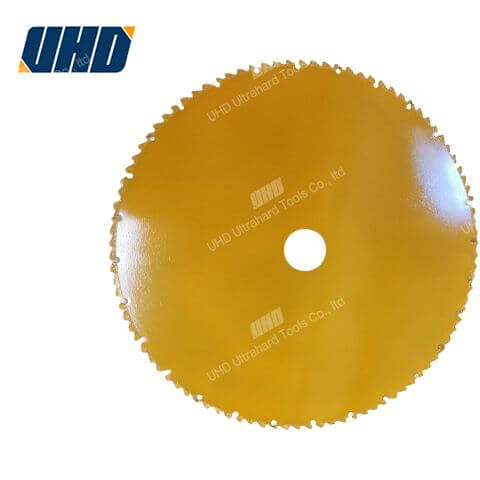
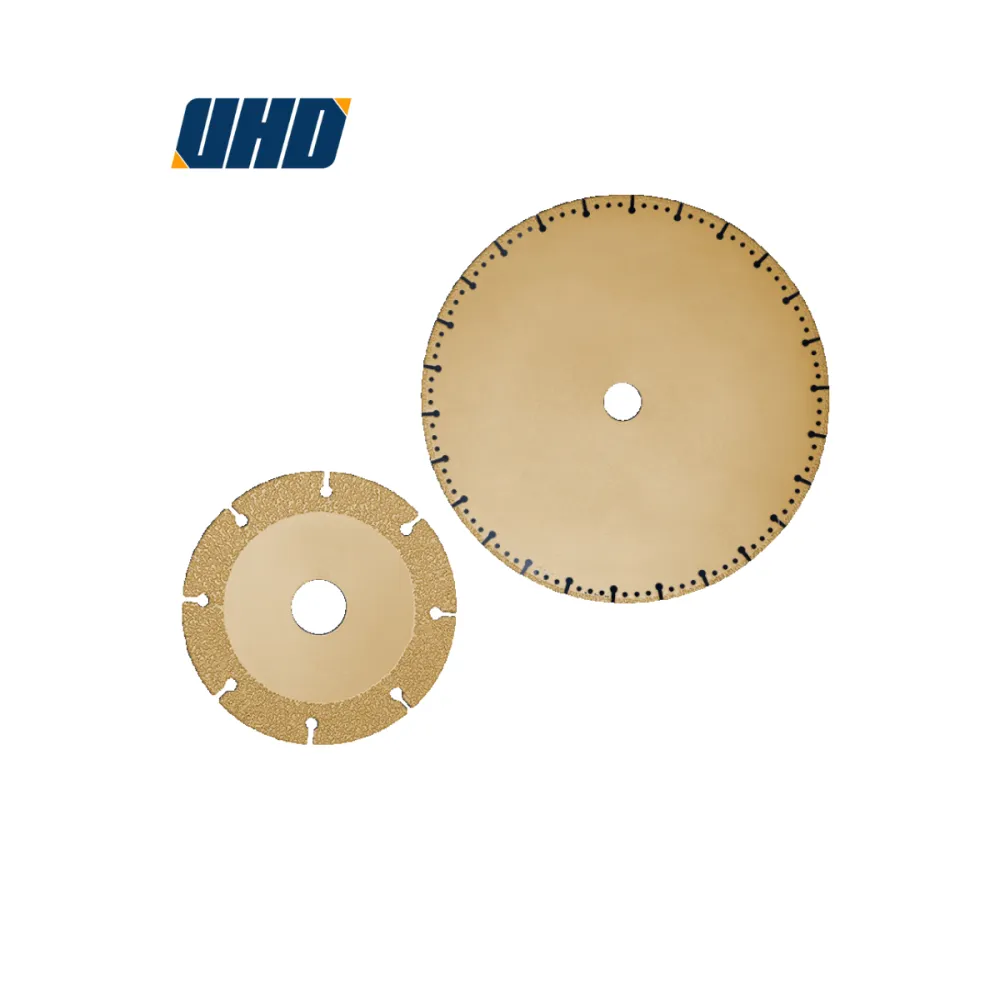
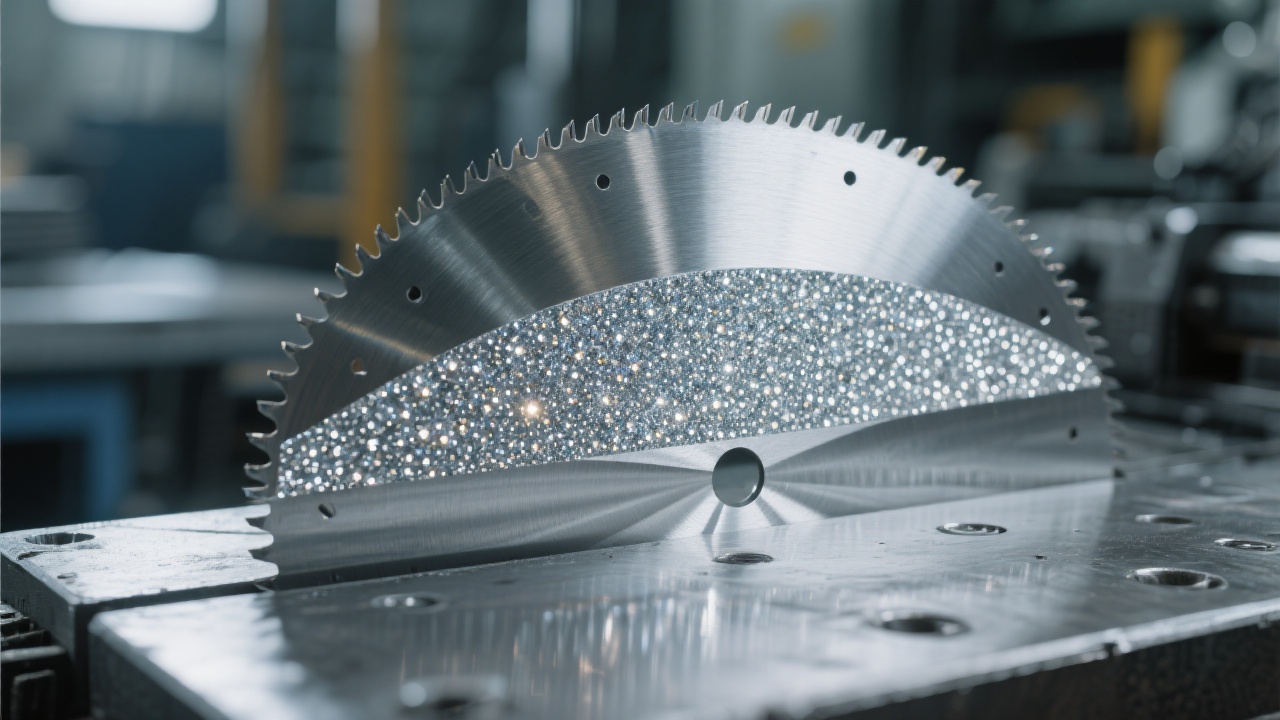
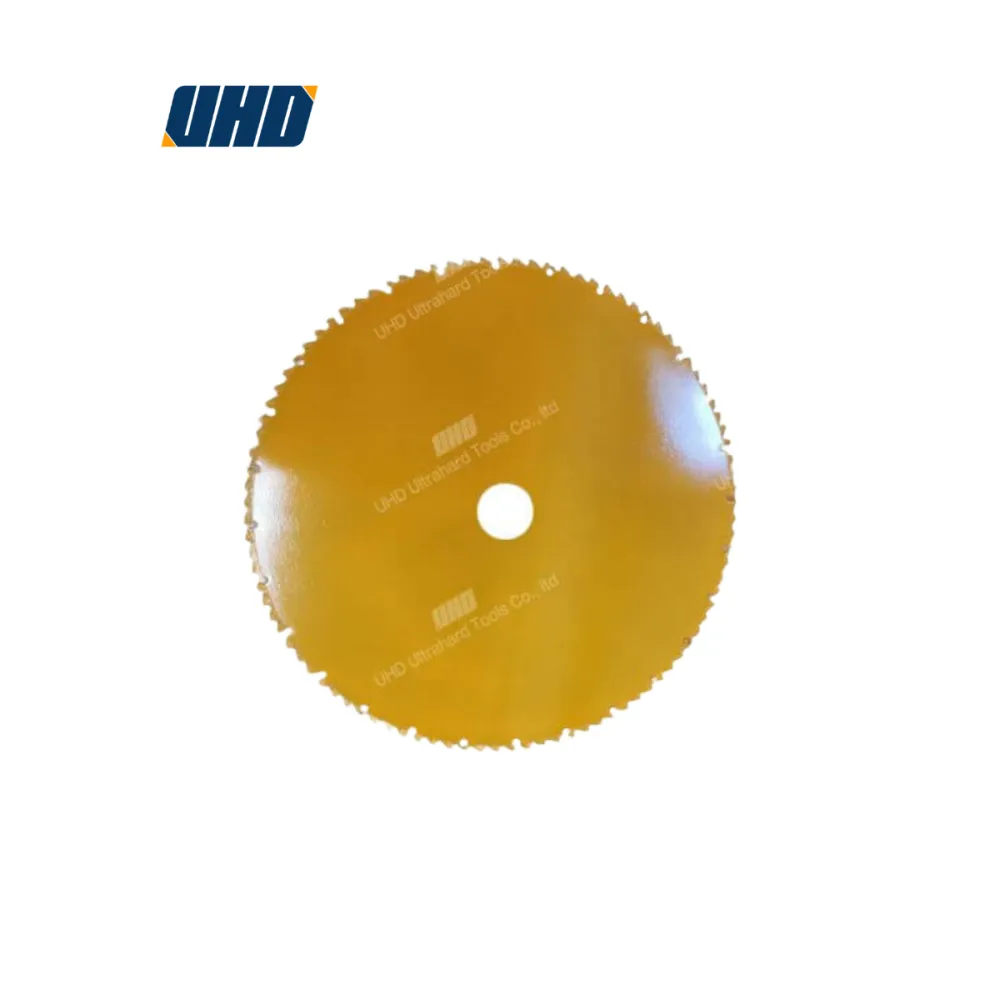
Brazed diamond technology represents a fundamental shift in blade performance. By metallurgically bonding diamond particles directly to the steel core at temperatures exceeding 950°C, we create a cutting edge that refuses to compromise under pressure. The results speak for themselves:
| Performance Metric | Traditional Resin Blades | Brazed Diamond Blades | Improvement |
|---|---|---|---|
| Average Cuts Per Blade | 95 | 310 | +226% |
| Dust Generation | 5.2 mg/m³ | 2.5 mg/m³ | -52% |
| Cutting Speed | 1.2 m/min | 1.8 m/min | +50% |
| Cost Per Cut | $0.78 | $0.23 | -71% |
While the laboratory data is impressive, the true value of brazed diamond blades becomes apparent on the factory floor. The secret lies in understanding how to optimize their performance for specific gray cast iron applications. Our field engineers have identified three critical factors that separate average results from exceptional ones:
Running too fast generates excessive heat; too slow reduces cutting efficiency. For gray cast iron (200-300 BHN), maintain peripheral speeds between 28-35 m/s. This balances material removal rate with heat dissipation.
High-pressure flood cooling (6-8 bar) is essential. Position nozzles at 45° angles to both sides of the blade, ensuring continuous fluid flow at the cutting interface. This reduces dust by 40% and extends blade life by 25%.
Maintain consistent feed pressure of 12-15 N/cm². Erratic feeding causes uneven wear patterns and premature diamond loss. Modern CNC systems with adaptive feed control can optimize this automatically.
Even with premium equipment, improper usage can significantly impact results. Based on our analysis of over 1,200 industrial cutting operations, these are the most frequent errors:
While gray cast iron presents unique challenges, the benefits of brazed diamond technology extend across multiple materials commonly found in manufacturing environments. This versatility eliminates the need for multiple blade types, simplifying inventory management and reducing changeover time.
Our testing shows consistent performance improvements across material types:
.png)
It's not just about changing blades less frequently. It's about creating a production environment where consistent performance, improved safety, and reduced operational costs become the new standard.
Get Your Custom Brazed Diamond SolutionOur blade specialists will analyze your specific cutting requirements and recommend the optimal solution for your application
Proper maintenance is the final piece of the performance puzzle. A well-maintained brazed diamond blade will consistently outperform a neglected one, even under identical operating conditions. Implement these practices to ensure you're getting the full value from your investment:
Remove accumulated debris after each shift using low-pressure water and a soft brush. Avoid wire brushes that can damage the diamond segments.
Store blades horizontally in a dry environment. Avoid stacking blades without protective separators between them.
Check for segment cracks, core warping, and arbor hole condition weekly. Replace blades at first sign of structural damage.
"After switching to brazed diamond blades, we've reduced our blade inventory by 60% and eliminated weekend blade changeover shifts entirely. The consistency in cut quality has also improved our downstream processes." — Jennifer Martinez, Plant Operations Director, Precision Castings Inc.
When you consider the cumulative impact of reduced downtime, fewer blade changes, improved safety, and better cut quality, the decision becomes clear. The initial investment in brazed diamond technology typically delivers ROI within 3-4 months for high-volume operations. For facilities cutting gray cast iron and other challenging materials on a regular basis, it's not just an upgrade—it's a fundamental shift toward operational excellence.


.png?x-oss-process=image/resize,h_1000,m_lfit/format,webp)