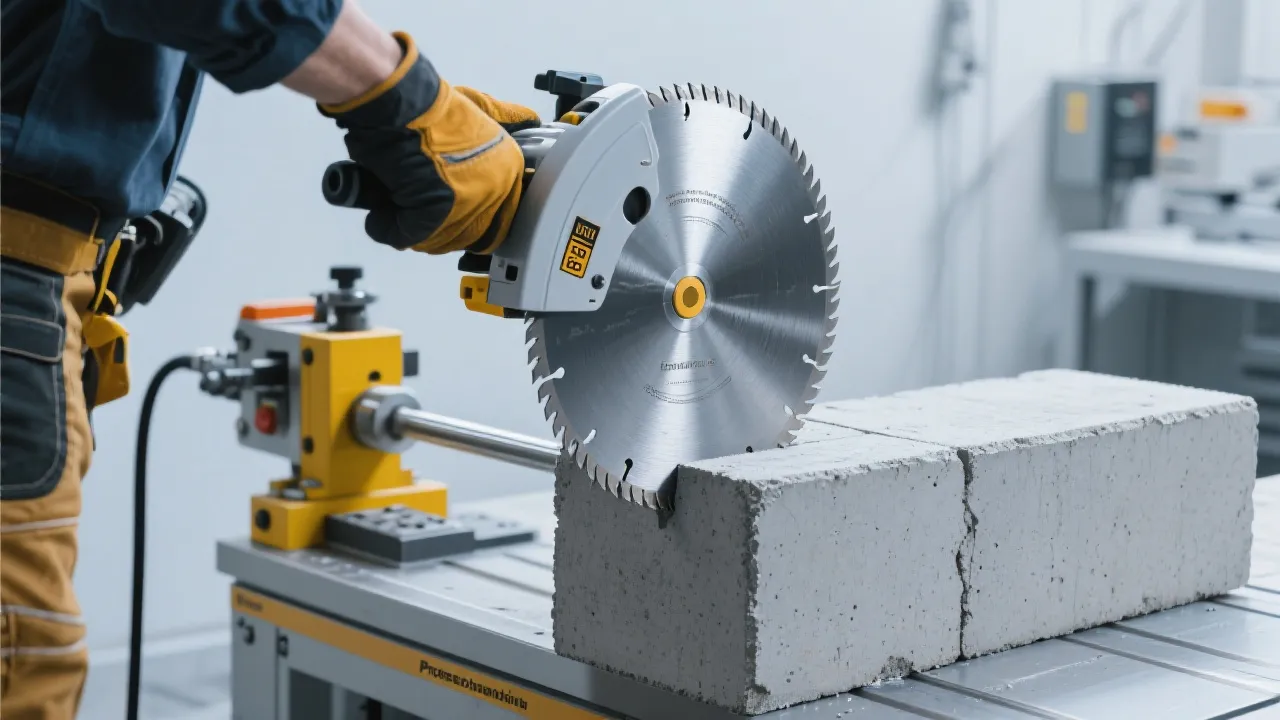
In a recent project with a leading tile manufacturer in Turkey, the switch from traditional resin-bonded diamond blades to brazed diamond blades (model 400) resulted in a 45% reduction in blade replacement frequency over six months — while improving cutting accuracy by 18%. This isn’t just theory. It’s real-world performance backed by measurable outcomes.
Before adopting brazed technology, the company was replacing resin blades every 7–10 hours due to rapid wear and inconsistent cuts. With brazed blades, they now average 22–25 hours per blade life — an increase of over 150%. In one month alone, this translated into:
“We were losing money on every batch because our old blades wore out too fast. Since switching to brazed diamond blades, we’ve cut downtime by nearly half and improved quality control significantly.”
— Mehmet Yılmaz, Operations Manager at Kırıkkale Tiles
The magic lies in three key engineering advantages:
It’s not just about blade cost — it’s about total cost of ownership (TCO). For example, if your facility runs 10 machines 8 hours/day, using brazed blades instead of resin ones can save approximately:
| Metric | Resin Blade | Brazed Blade |
|---|---|---|
| Avg. Life per Blade | 8 hrs | 24 hrs |
| Monthly Replacement Cost | $2,200 | $730 |
| Labor Time Saved/Month | ~16 hrs | ~48 hrs |
That’s not just efficiency — that’s operational leverage.
If you're currently dealing with frequent blade changes, inconsistent cuts, or rising maintenance costs in stone, glass, or ceramic processing, it's likely time to evaluate brazed diamond blades. Start with a pilot run on one machine — track blade life, energy use, and output quality. Most users report noticeable improvements within 2 weeks.
.png?x-oss-process=image/resize,h_1000,m_lfit/format,webp)

.png?x-oss-process=image/resize,h_1000,m_lfit/format,webp)