
When it comes to precision cutting in construction and fabrication environments, choosing the right tool can make or break productivity. A recent case study from a leading European concrete processing facility highlights how brazed diamond blades have become a game-changer—not just for performance, but for cost control and worker safety.
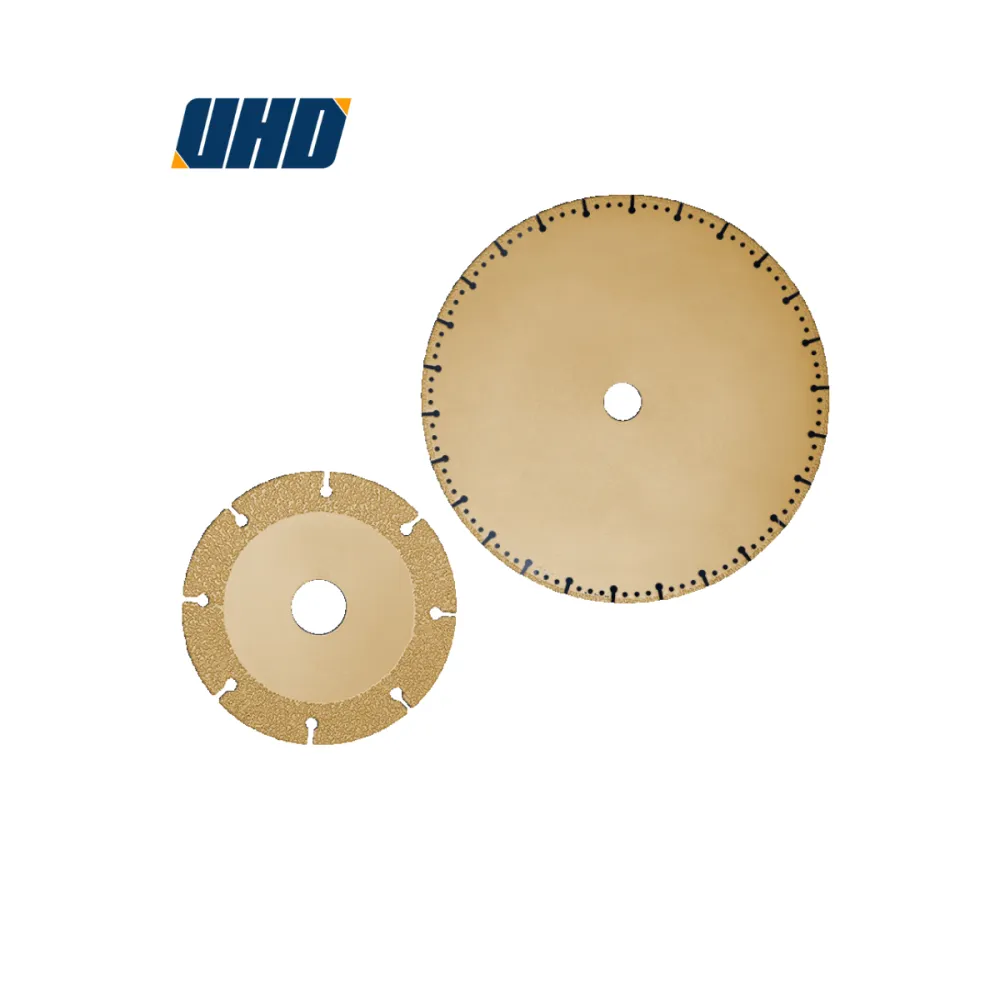
Brazed diamond blades are engineered using high-frequency heating to fuse synthetic diamonds with a metal matrix—typically tungsten carbide or cobalt-based alloys. This process results in superior thermal conductivity and mechanical stability compared to electroplated or sintered alternatives. In testing, these blades maintained sharpness up to 40% longer than conventional tools when cutting abrasive materials like gray cast iron and stainless steel.
The client—a mid-sized construction equipment manufacturer based in Germany—was struggling with inconsistent cuts and frequent blade replacements during the production of reinforced concrete components. Their previous tools required changing every 2–3 hours under heavy use, causing downtime and increasing labor costs.
After switching to brazed diamond blades (model BD-750), they reported:
“We were surprised by how much less vibration we felt,” said Anna Müller, Operations Manager at the site. “The quieter operation improved our team’s focus and reduced fatigue—especially during long shifts.”
From an operational standpoint, the new blades also led to fewer rework incidents. With consistent edge integrity, the company saw a drop in rejected parts from 8% to under 2%, directly impacting their quality assurance metrics.
Unlike older methods that generate excessive dust and noise pollution, brazed diamond blades operate more cleanly. According to internal air quality tests, particulate matter levels dropped by 45% after implementation—a significant win for compliance with EU workplace health standards.
Key Takeaway: For contractors and manufacturers dealing with hard-to-cut building materials, investing in brazed diamond technology isn’t just about efficiency—it’s about creating a safer, smarter, and more sustainable workflow.
If you're looking to reduce downtime, improve cut quality, and enhance your team’s working conditions, it's time to evaluate what brazed diamond blades can do for your business.
Discover the Difference – See Real Results from Our Clients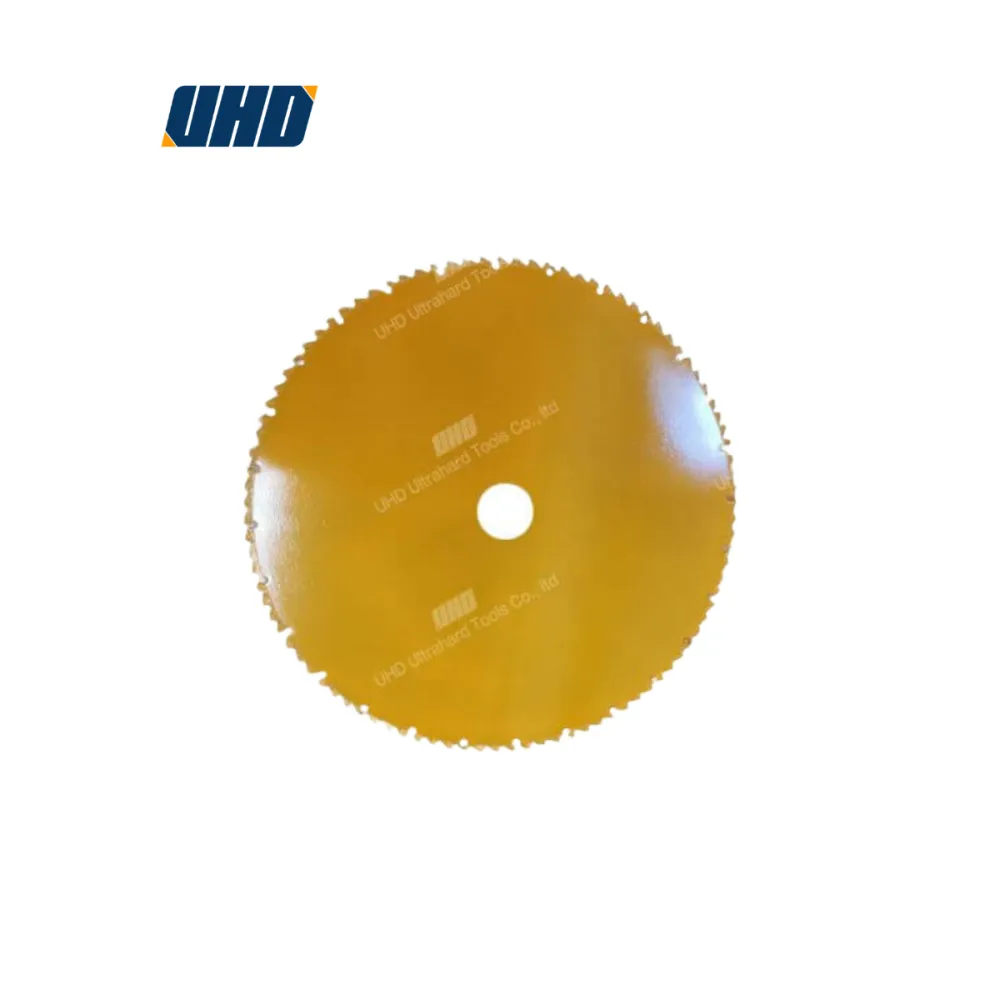
.png?x-oss-process=image/resize,h_1000,m_lfit/format,webp)
.png?x-oss-process=image/resize,h_1000,m_lfit/format,webp)


