In today’s manufacturing landscape, dust control isn’t just about cleaner workshops—it’s a critical factor in worker safety, regulatory compliance, and long-term sustainability. Traditional resin-bonded diamond blades often produce excessive airborne particulates during high-hardness material cutting (like gray cast iron or stainless steel), leading to health risks, frequent blade replacements, and rising operational costs.
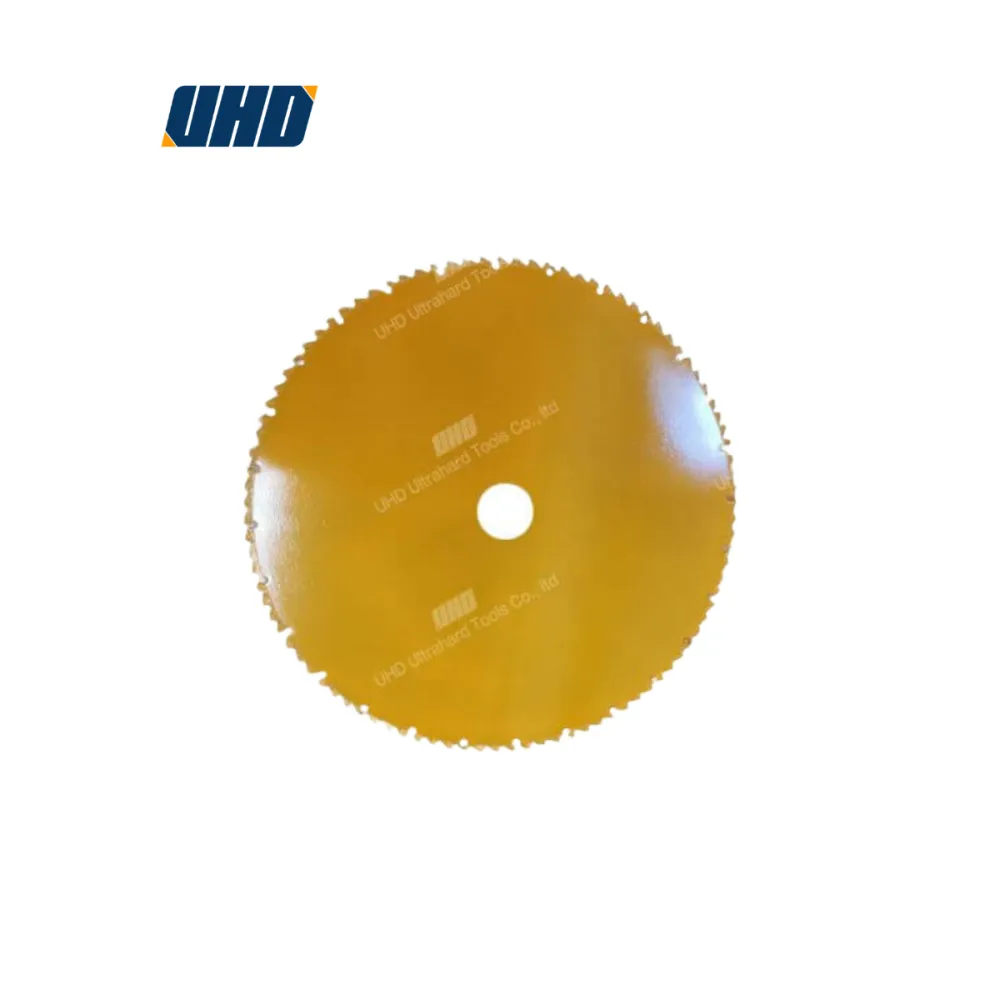
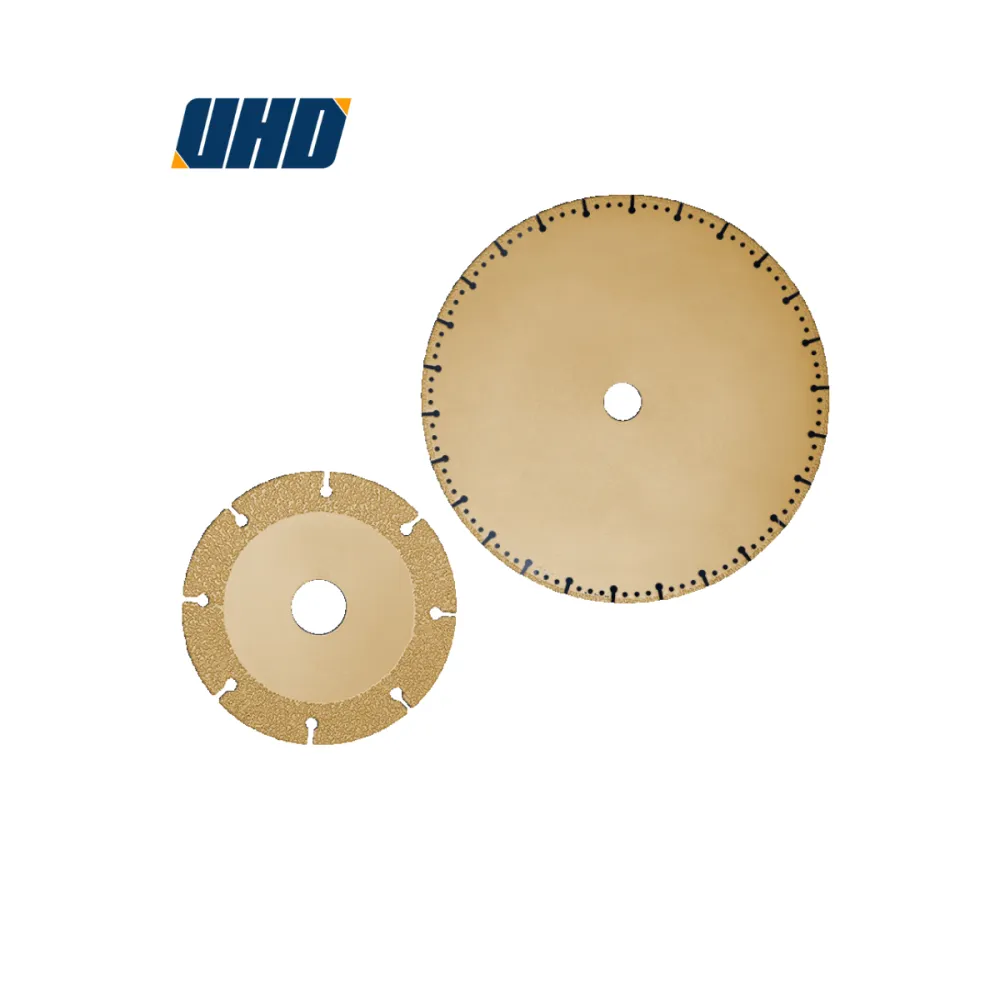
A leading Italian stone processor recently switched from standard resin blades to our 400mm brazed diamond blade model. Over three months of continuous use on granite and marble slabs, they recorded:
| Metric | Before (Resin Blade) | After (Brazed Blade) |
|---|---|---|
| Dust Generation | High — visible cloud after every cut | Reduced by ~60% — minimal airborne particles |
| Blade Life | ~35 hours per blade | ~75 hours per blade |
| Cutting Speed | Average 2.1 m/min | Average 3.4 m/min (+62%) |
“We didn’t expect such a dramatic change—not only did the dust vanish, but our team felt safer, and we saved over €800/month in blade replacement alone.”
- Marco Rossi, Production Manager at StoneCraft Italia
The secret lies in the metallurgical bond between the diamond grit and the steel core—unlike resin bonds that degrade under heat, brazed joints maintain structural integrity even at 120°C+ temperatures. This results in:
These benefits directly translate into better workplace conditions, lower maintenance downtime, and improved compliance with OSHA and EU PPE regulations.
Pro Tip: For manufacturers aiming for ISO 14001 certification or ESG reporting, switching to brazed diamond blades can be a measurable step toward reducing carbon footprint per unit produced—especially when combined with proper dust extraction systems.
It’s not just about upgrading tools—it’s about rethinking production processes. When you reduce dust, you’re not just improving air quality—you’re enhancing productivity, protecting people, and future-proofing your operations.
Discover how our brazed diamond blades are helping global factories achieve green manufacturing goals while boosting output.
Explore the 400mm Brazed Diamond Blade Solution.png?x-oss-process=image/resize,h_1000,m_lfit/format,webp)
.png?x-oss-process=image/resize,h_1000,m_lfit/format,webp)