Cutting glass and ceramic materials presents unique difficulties due to their intrinsic physical properties. Both materials exhibit high hardness levels—ranging from 6 to 7 on the Mohs scale—and a pronounced brittleness that results in an increased risk of chipping, cracking, and edge崩边 during machining. These challenges demand cutting tools that not only withstand abrasion but also minimize mechanical and thermal stresses on the workpiece.
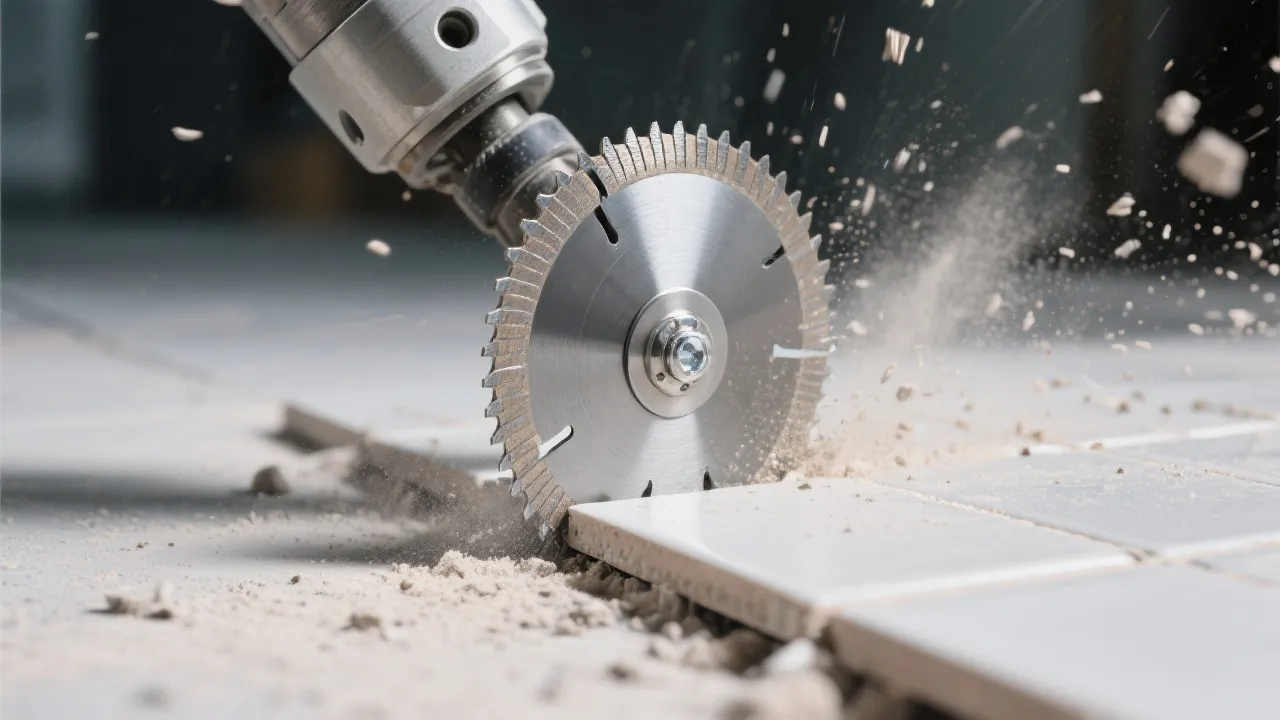
The cutting action on glass and ceramic surfaces involves complex force interactions. Notably, the normal force generates micro-cracks due to the materials’ brittleness, while the shear force facilitates chip removal. Yet, the high hardness causes accelerated wear of cutting edges through abrasive mechanisms. Thermal stresses induced by friction can exacerbate crack propagation, especially if not properly managed.
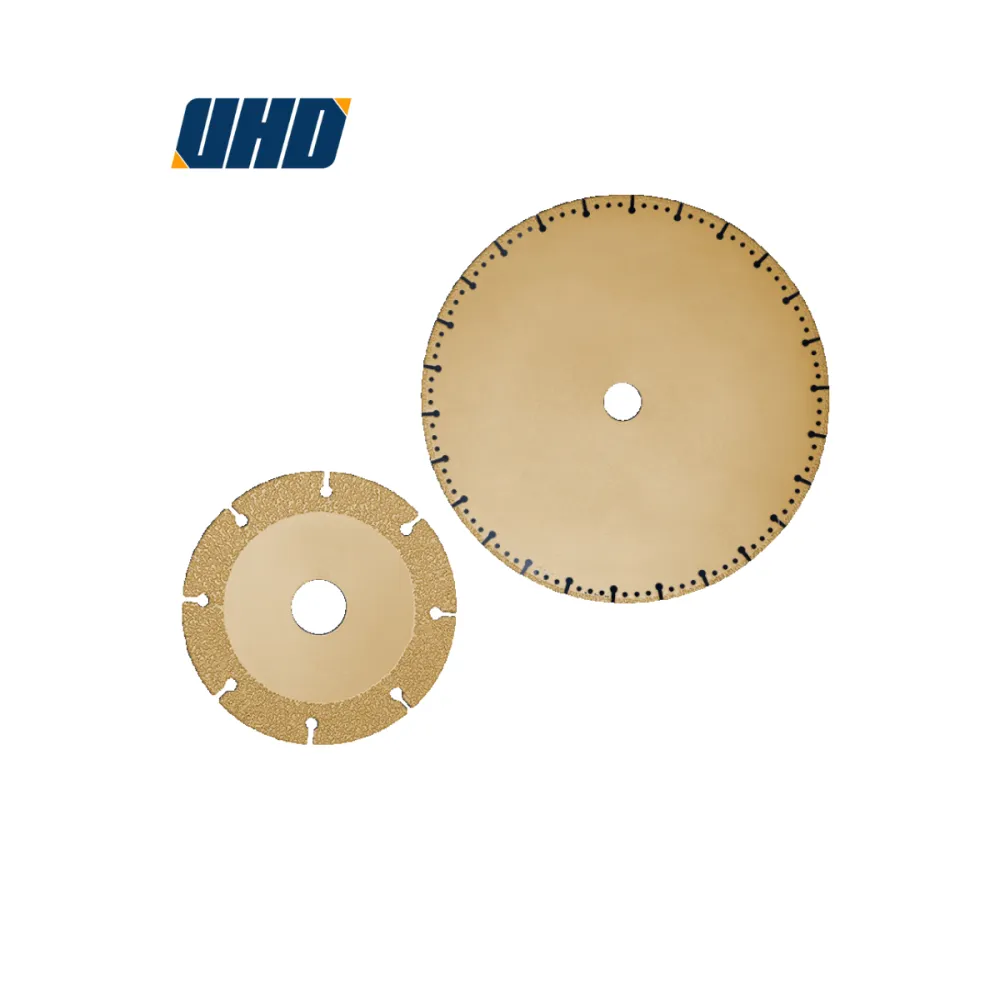
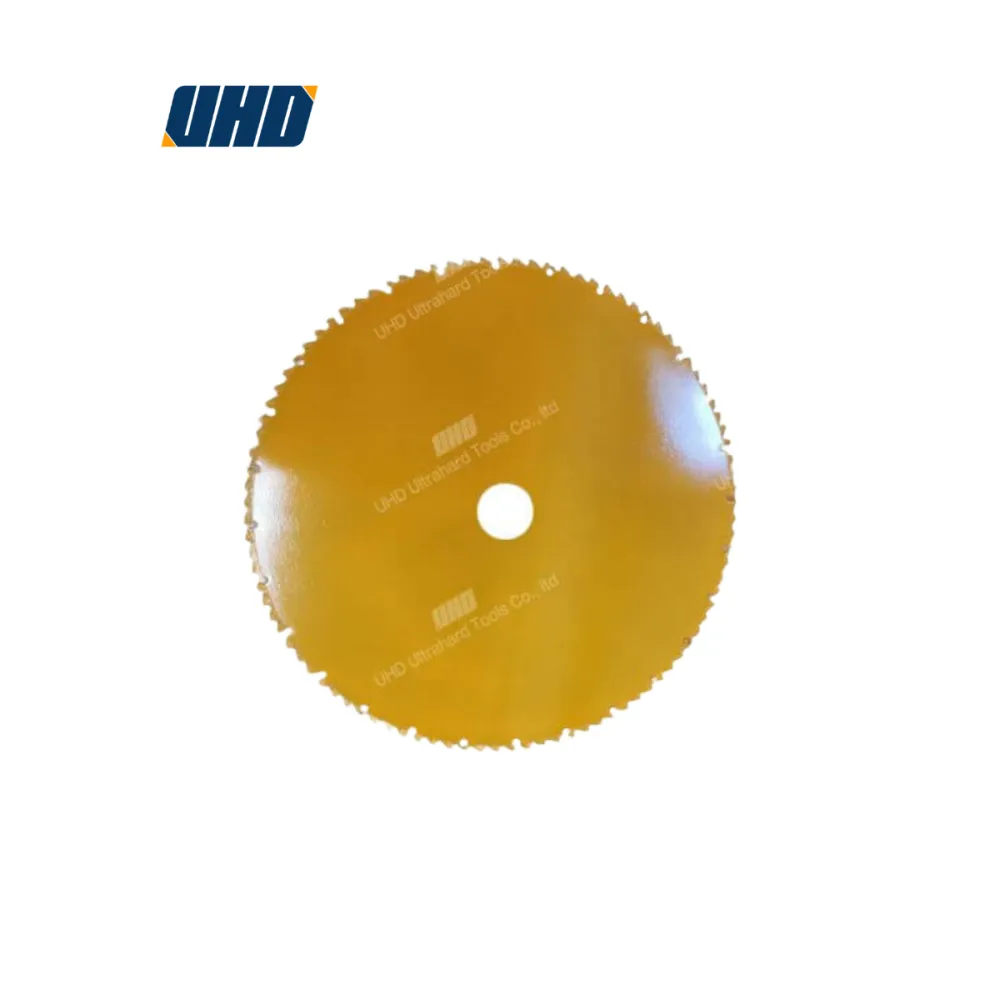
Traditional resin-bonded saw blades, while cost-effective, often fall short in durability and precision when applied to glass and ceramics. They tend to suffer rapid abrasive wear and generate inconsistent cutting edges, which elevates scrap rates above 12-15% on average. In contrast, brazed diamond saw blades integrate industrial-grade diamond grit welded directly to the steel core, yielding superior hardness and thermal resistance. This combination typically reduces tool degradation by over 40% and achieves cutting tolerances within ±0.02 mm, crucial for high-precision operations.
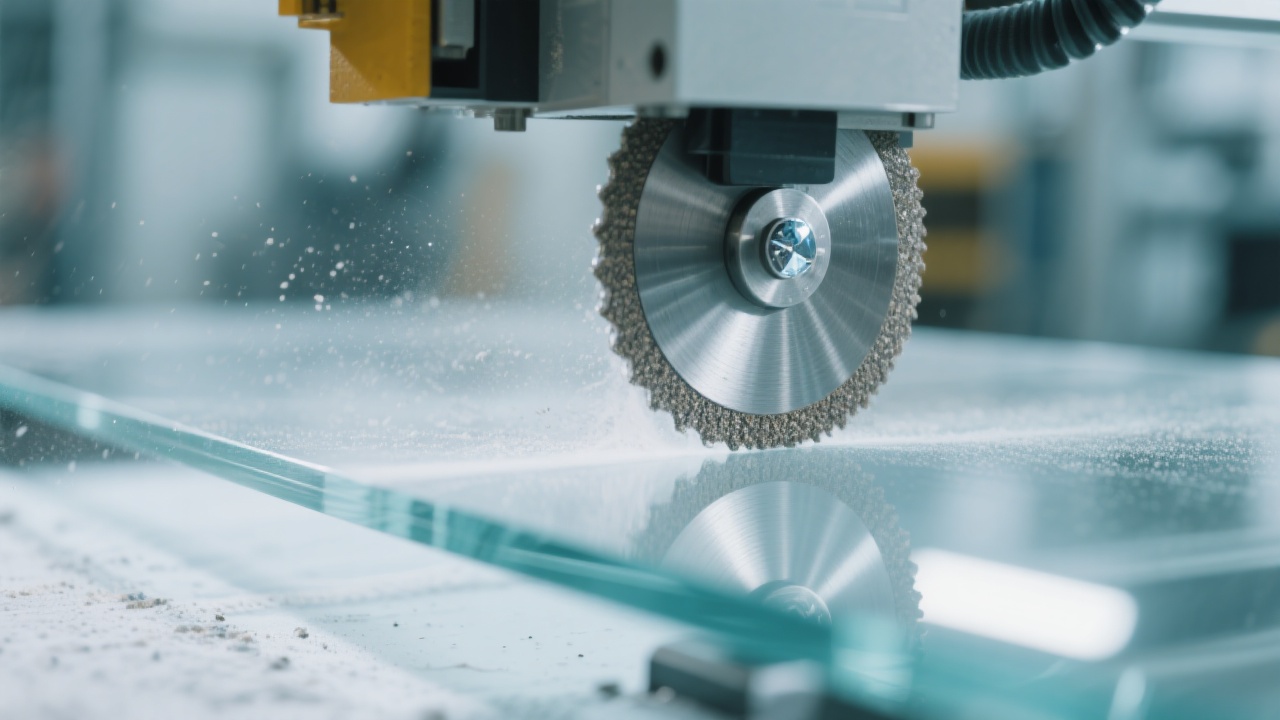
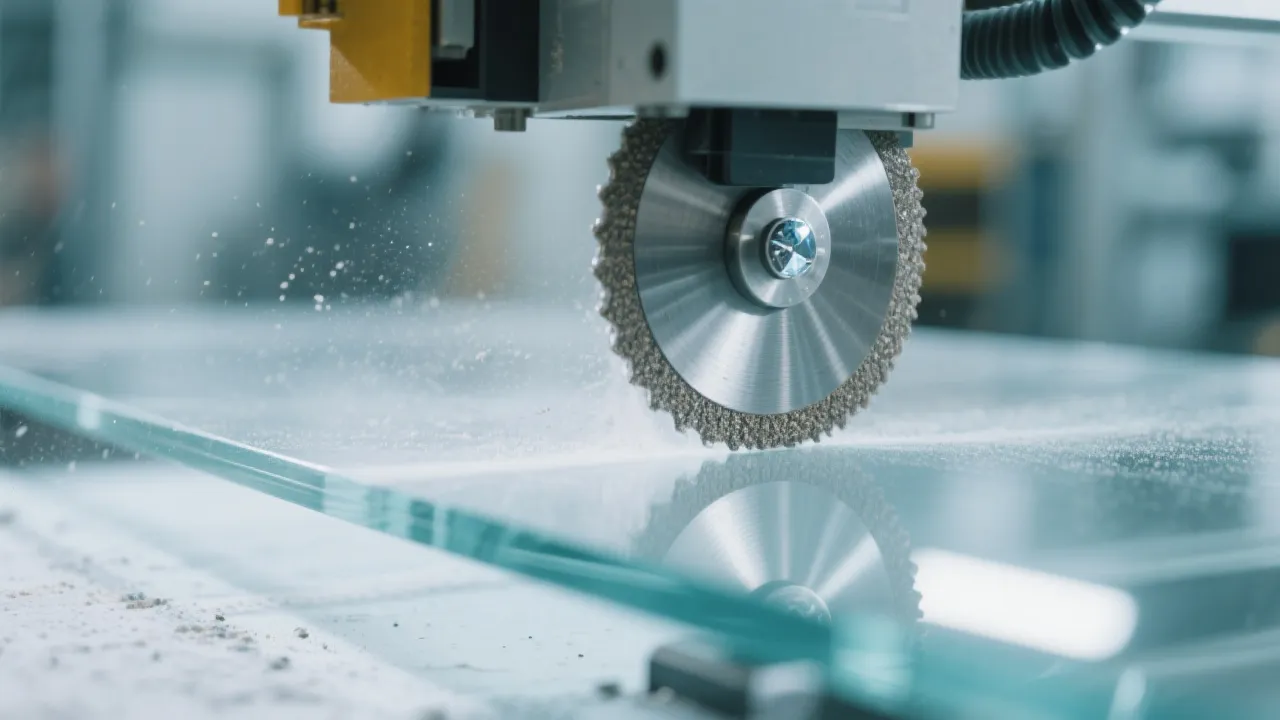
Beyond tool selection, fine-tuning cutting parameters is essential. Implementing a slower feed rate—typically around 50-80% of standard speeds used for metals—helps control mechanical stress. Employing effective cooling methods, particularly water or oil mist, mitigates thermal buildup and prevents heat-induced micro-cracks. Additionally, suitably designed tooth profiles that promote smooth chip evacuation further decrease edge damage.
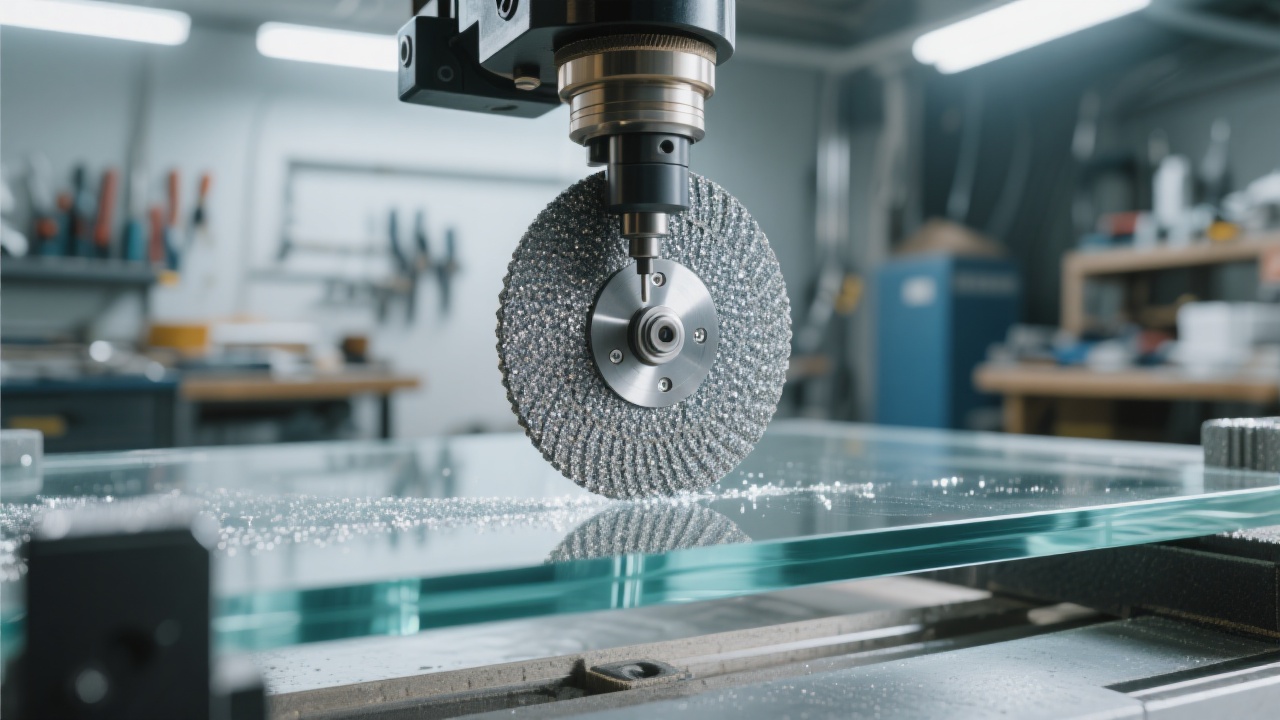
Dust generation from cutting glass and ceramics introduces occupational hazards. Ultrafine silica particles are particularly concerning, necessitating robust containment strategies. Effective dust extraction systems combined with wet cutting significantly reduce airborne particulates by over 85%. Furthermore, workplace ventilation and proper personal protective equipment (PPE) are critical for health compliance and operator safety.
A leading glass manufacturing company recently transitioned from resin blades to brazed diamond blades for their segmenting saw operations. Within six months, they reported a 30% improvement in blade life, a reduction of breakage incidents by 25%, and a marked improvement in edge finish quality. Productivity also increased by nearly 15% due to decreased downtime and tighter tolerance adherence.
.png?x-oss-process=image/resize,h_1000,m_lfit/format,webp)