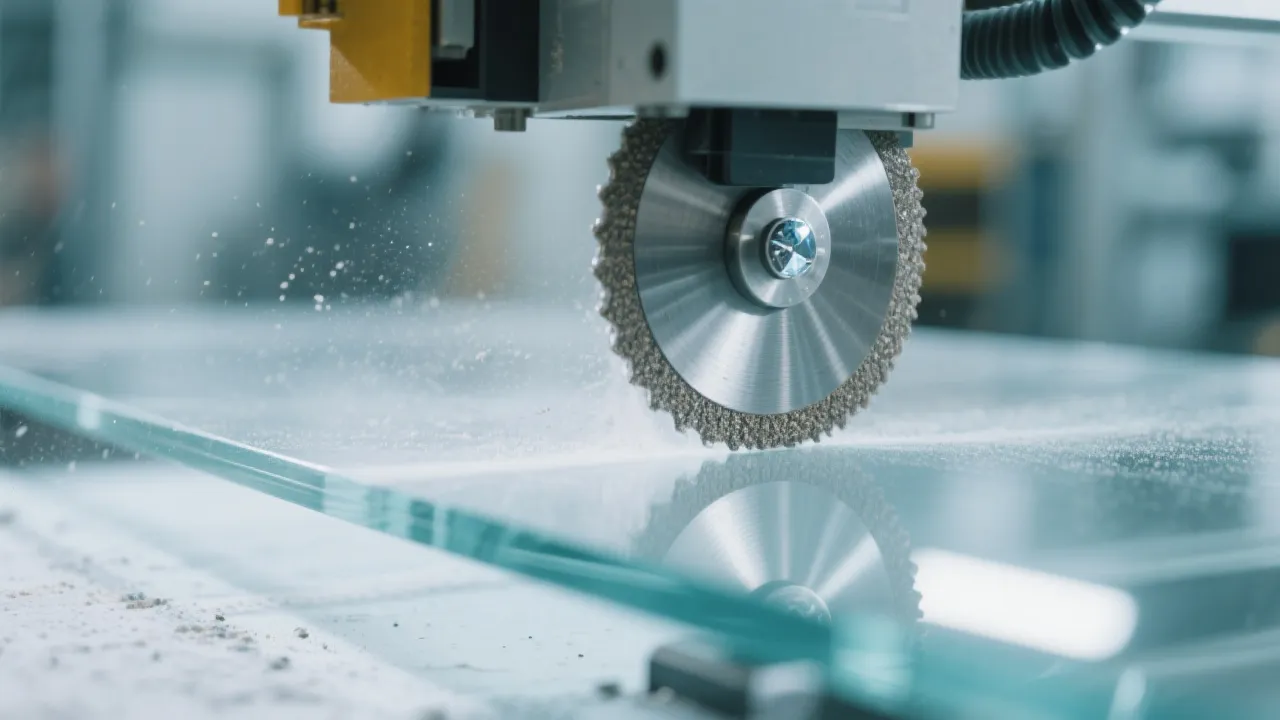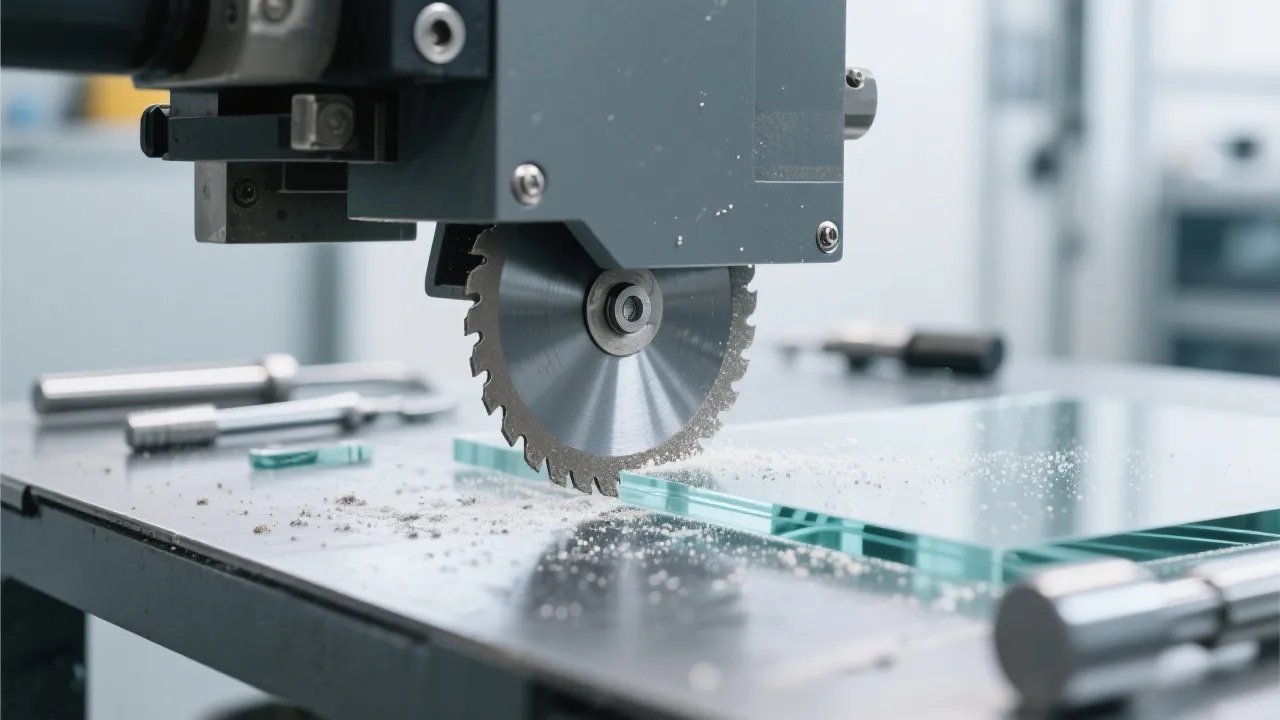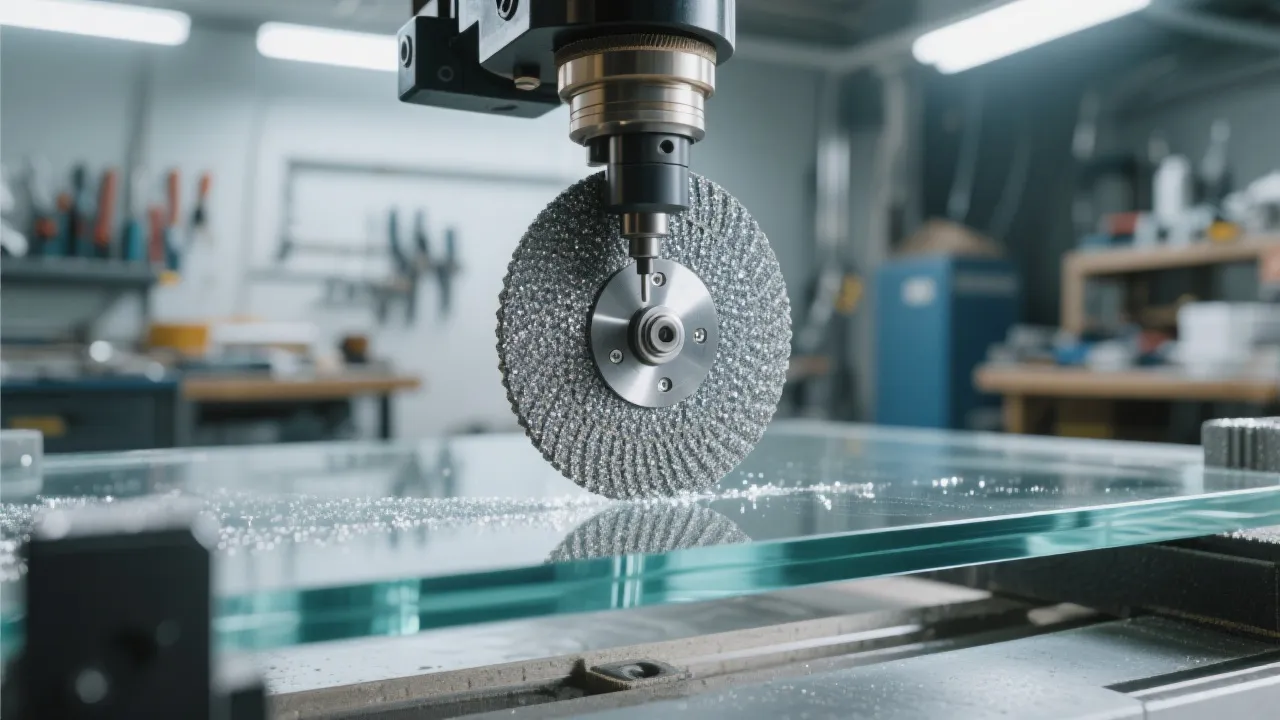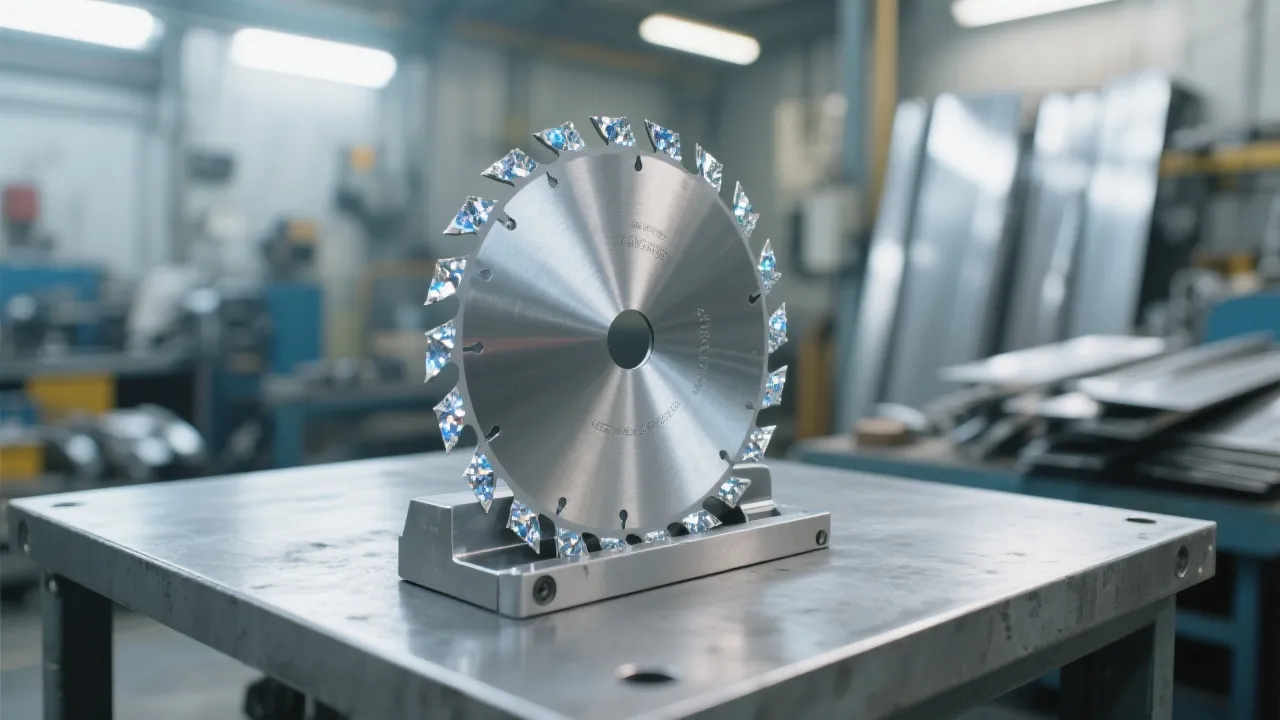
When Marco Rossi, production manager at a leading Italian glass processing facility, first installed our brazed diamond blades, he wasn't sure what to expect. "We'd tried three different blade types in six months," he recalls. "Nothing gave us consistent results—either frequent replacements or chipping issues. Within the first week with these blades, our operators were asking why we hadn't switched sooner."
For manufacturers working with glass, ceramics, and other brittle materials, cutting efficiency directly impacts bottom-line profitability. Traditional cutting tools often force production teams into an unwelcome trade-off: speed versus precision, or durability versus cost. The brazed diamond saw blade technology represents a paradigm shift in how these materials are processed.
According to industry research, manufacturers typically spend 15-22% of their total production costs on cutting tools and related consumables. When factoring in downtime for blade changes, rework from subpar cuts, and safety protocols for dust management, inefficient cutting processes can erode profit margins by as much as 8% annually.
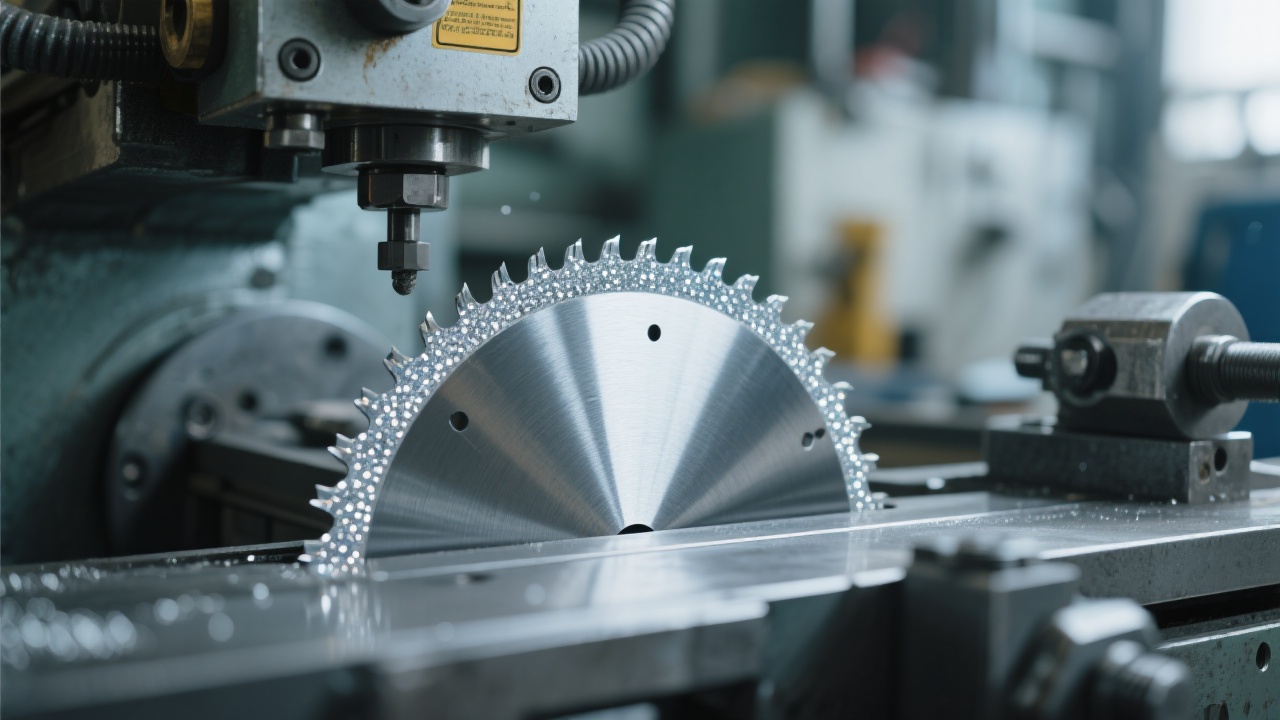
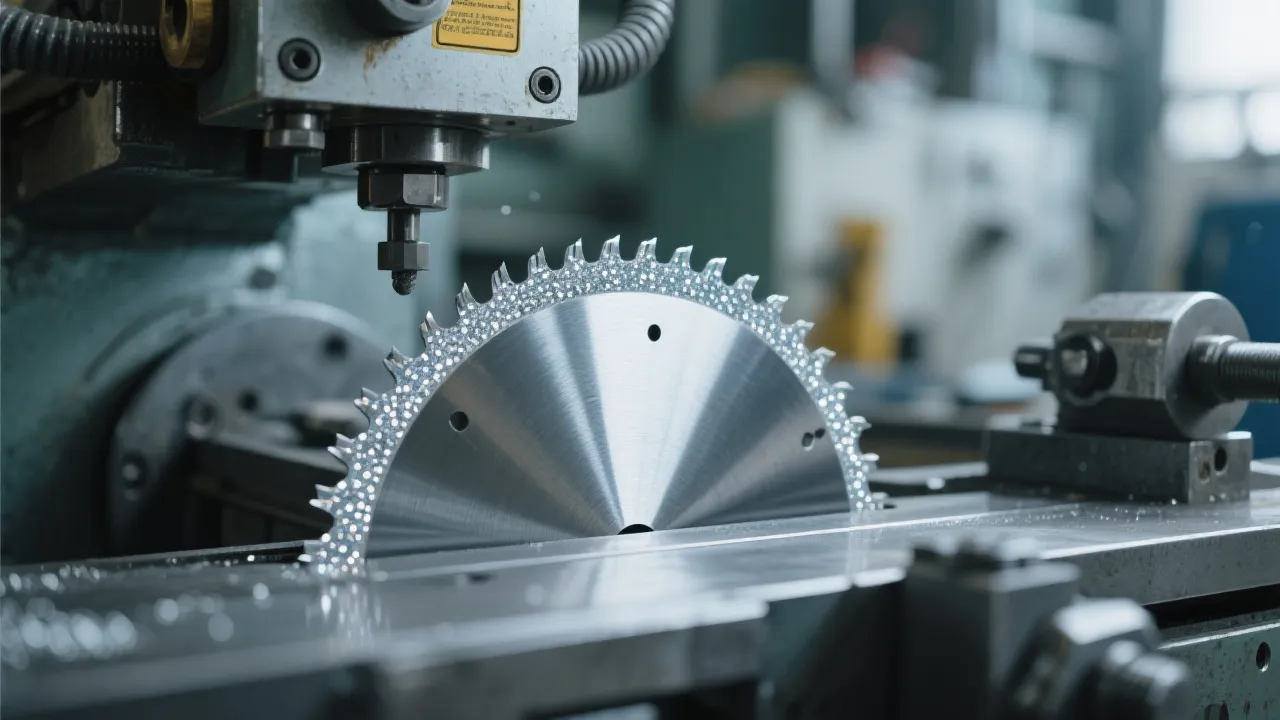
A mid-sized Spanish ceramic manufacturer specializing in high-end architectural tiles faced recurring challenges: excessive chipping on glazed surfaces, blade更换 every 40-50 hours of operation, and production bottlenecks due to dust extraction requirements. Their situation is typical in the industry, where traditional cutting methods struggle to meet modern production demands.
The production team implemented our brazed diamond saw blades with the following approach:
| Performance Metric | Traditional Blades | Brazed Diamond Blades | Improvement |
|---|---|---|---|
| Blade Lifespan (hours) | 45 hours | 187 hours | +316% |
| Cutting Speed | 1.2 m/min | 2.1 m/min | +75% |
| Chipping Rate | 8.3% | 1.2% | -85.5% |
| Dust Emission | High (requires full PPE) | Low (reduced PPE requirements) | Significant reduction |
Juan Martinez, a machine operator with 15 years of experience, shared his observations after two months using the new blades: "The difference is night and day. With the old blades, we were stopping every 4-5 hours to change them. Now I can run an entire shift without interruption. And the dust—you can actually breathe in here now. My eyes don't burn anymore after a day's work."
— Maria Gonzalez, Quality Control Supervisor
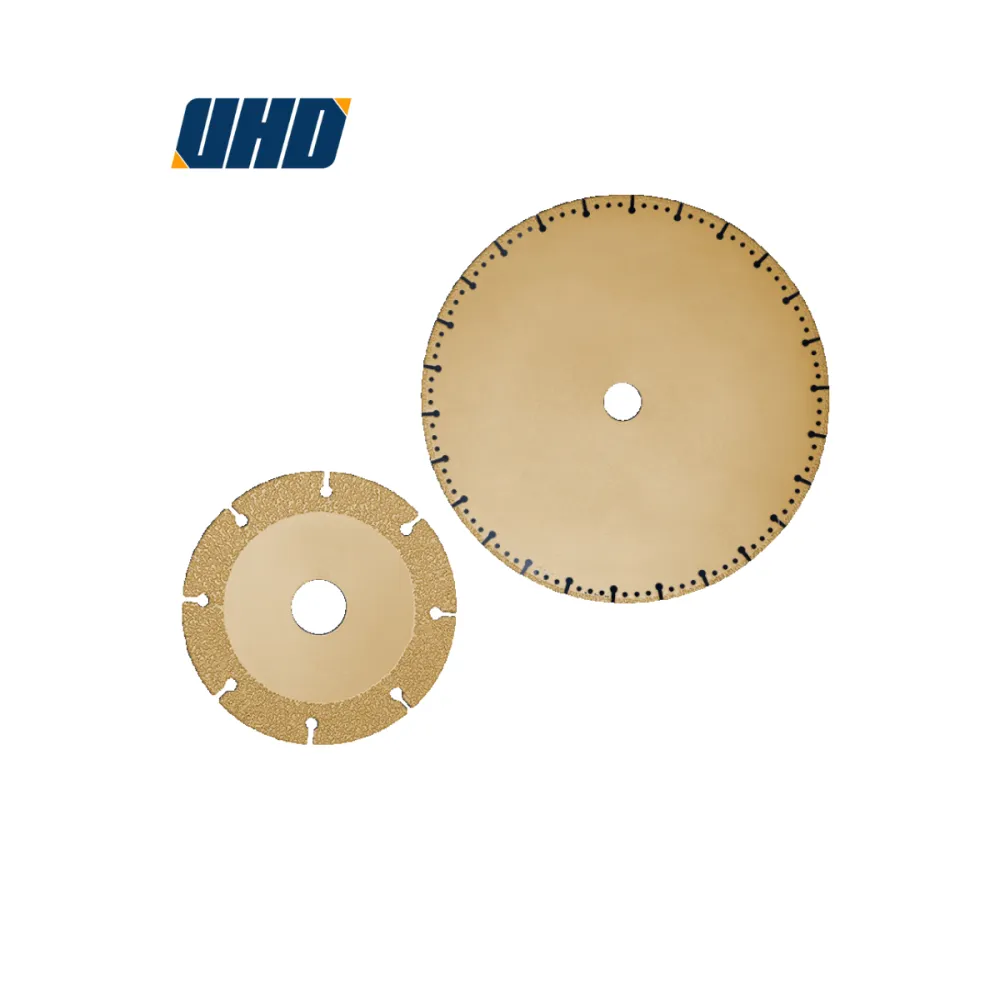
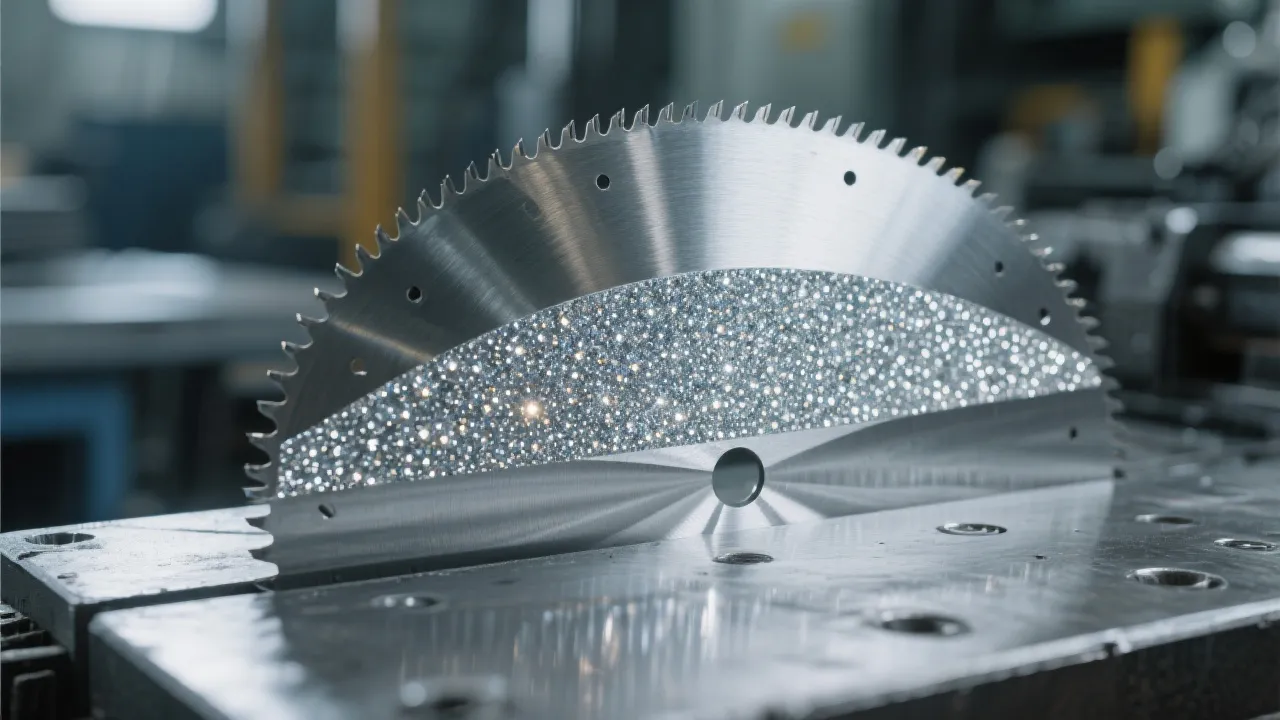
The secret behind these impressive results lies in the unique brazing process that bonds diamond particles directly to the blade core. Unlike traditional electroplated or sintered blades, brazed diamond technology offers several key advantages:
.png)
While the performance benefits are clear, maximizing results with brazed diamond blades requires proper implementation. Based on working with over 200 manufacturing facilities, we recommend the following best practices:
Even with premium blades, occasional challenges may arise. Here's how to address the most common issues:
Discover how our Brazed Diamond Saw Blade 400 series can deliver 300% longer blade life, 75% faster cutting speeds, and 85% reduction in chipping for your glass and ceramic production line.
Request Your Free Process AnalysisOur cutting specialists will evaluate your current process and provide a customized efficiency improvement plan at no cost or obligation.
Beyond performance improvements, modern manufacturers are increasingly focused on sustainability and worker safety. The reduced dust generation of brazed diamond blades contributes to both environmental and occupational health goals:
Studies conducted at multiple facilities show that implementing brazed diamond technology reduced airborne particulate matter by an average of 72%, significantly improving indoor air quality and reducing the risk of respiratory issues among workers. Additionally, the extended blade life translates to 75% less waste from blade disposal, supporting corporate sustainability initiatives.
As regulatory requirements for workplace safety and environmental impact become more stringent, these benefits are becoming increasingly valuable for manufacturers seeking to maintain compliance while improving productivity.

.png?x-oss-process=image/resize,h_1000,m_lfit/format,webp)
.png?x-oss-process=image/resize,h_1000,m_lfit/format,webp)