
In today’s competitive manufacturing environment, efficiency and sustainability are no longer optional—they’re essential. According to a 2023 report by McKinsey & Company, over 72% of industrial buyers now prioritize tools that reduce waste, lower energy consumption, and extend operational uptime. This is where brazed diamond blades emerge as the smart upgrade for cutting gray cast iron, stainless steel, and ceramic materials with precision—and minimal environmental impact.
“We switched from resin-based blades to brazed diamond ones last year. Our blade change frequency dropped by 35%, and dust levels in the workshop fell noticeably—our team actually asked us to keep using them.”
—— Carlos Mendez, Production Manager at AlumTech Industries (Spain)
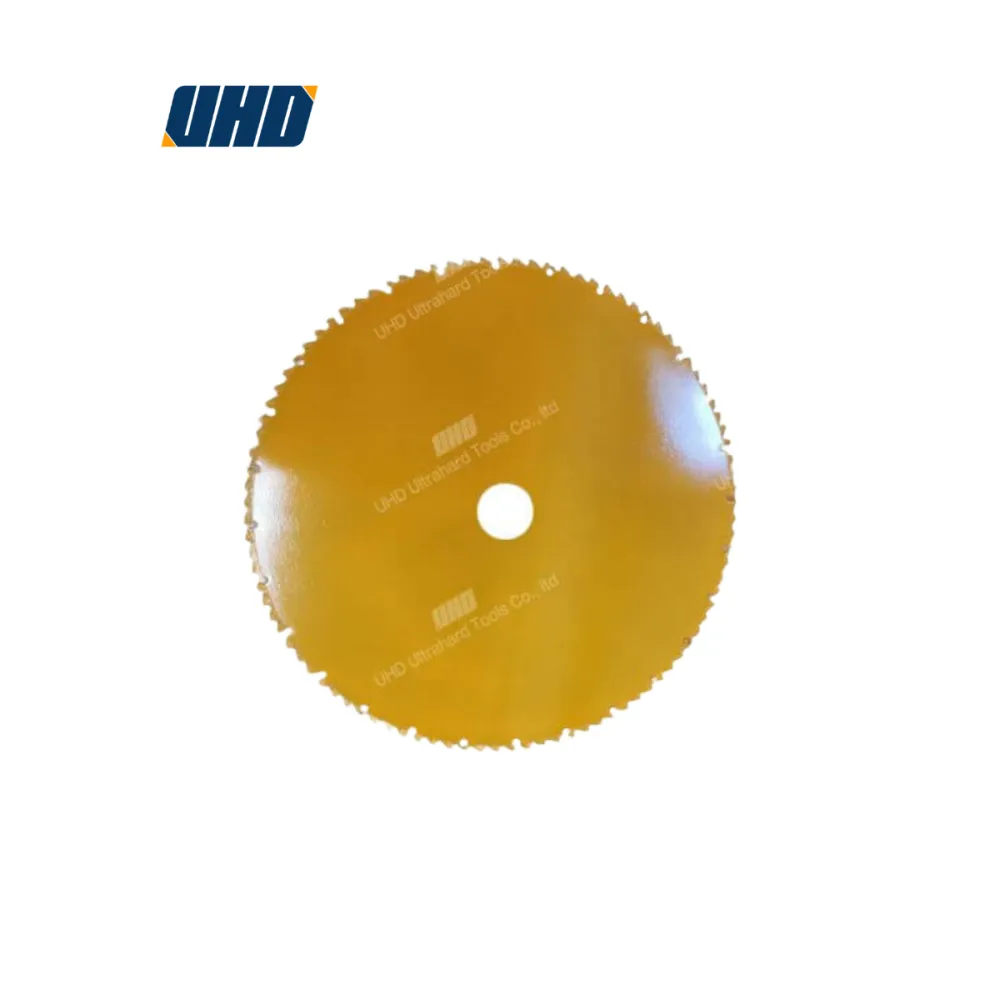
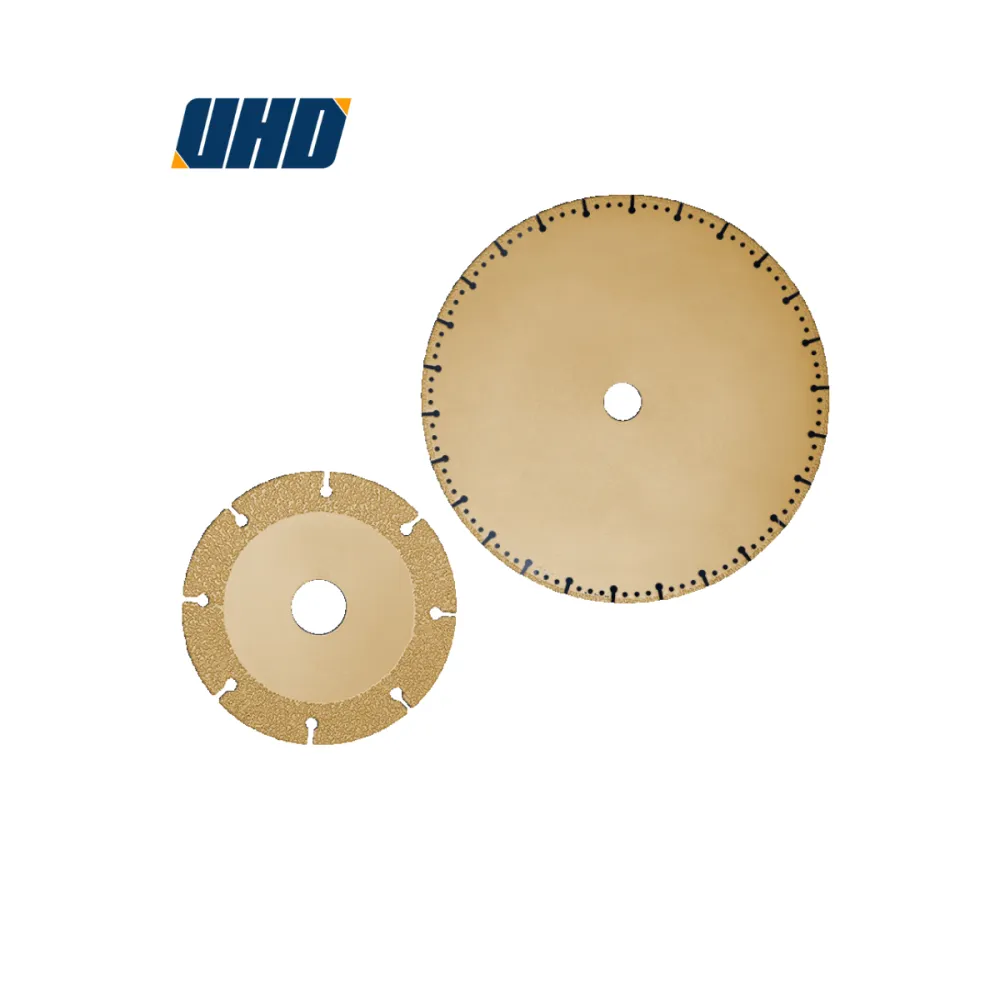
Brazed diamond blades leverage high-manganese steel substrates combined with precision-engineered tooth profiles, offering unmatched durability under heavy-duty conditions. Unlike traditional segmented or electroplated blades, these tools maintain consistent cutting speed across different materials—even when working with abrasive ceramics or hardened stainless steels.
On average, users report up to 40–60% longer service life compared to standard resin-bonded alternatives. That means fewer interruptions, less downtime, and significant savings on consumables—especially critical for CNC machining centers running 24/7.
One major advantage lies in reduced particulate emissions. A study published in the Journal of Cleaner Production (2022) found that brazed diamond blades produce up to 60% less airborne dust than conventional methods during granite or concrete cutting. This not only improves workplace safety but also reduces compliance costs related to air quality regulations in EU and North American markets.
Additionally, because they cut faster and require less force, energy usage drops by approximately 15–20% per operation—a small number that adds up quickly in large-scale production lines.
The secret? It’s not just about the diamonds—it’s how they’re bonded. The brazing process creates a molecular-level bond between the diamond grit and the steel base, preventing premature chipping or delamination even at high RPMs. This ensures stable performance across thousands of cuts without compromising edge integrity.
For manufacturers dealing with complex geometries or tight tolerances—like those in aerospace or automotive sectors—this consistency translates directly into higher yield rates and fewer rejected parts.
Ready to make your next cut smarter?
Let Every Cut Be More Efficient, Sustainable, and SafeWhether you're upgrading an existing line or building a new one, investing in brazed diamond technology isn’t just about cutting better—it’s about operating cleaner, safer, and smarter. It’s time to move beyond “good enough” and embrace what modern manufacturing demands: sustainable performance that lasts.
.png?x-oss-process=image/resize,h_1000,m_lfit/format,webp)

.png?x-oss-process=image/resize,h_1000,m_lfit/format,webp)


