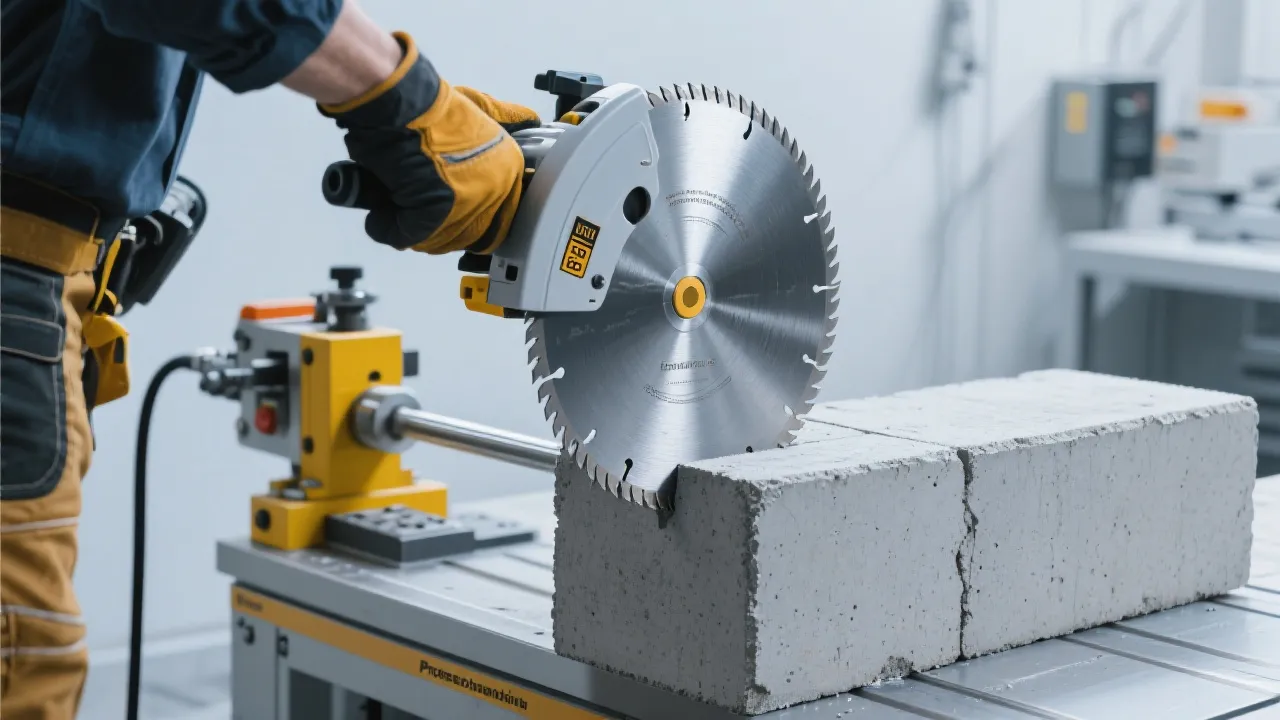
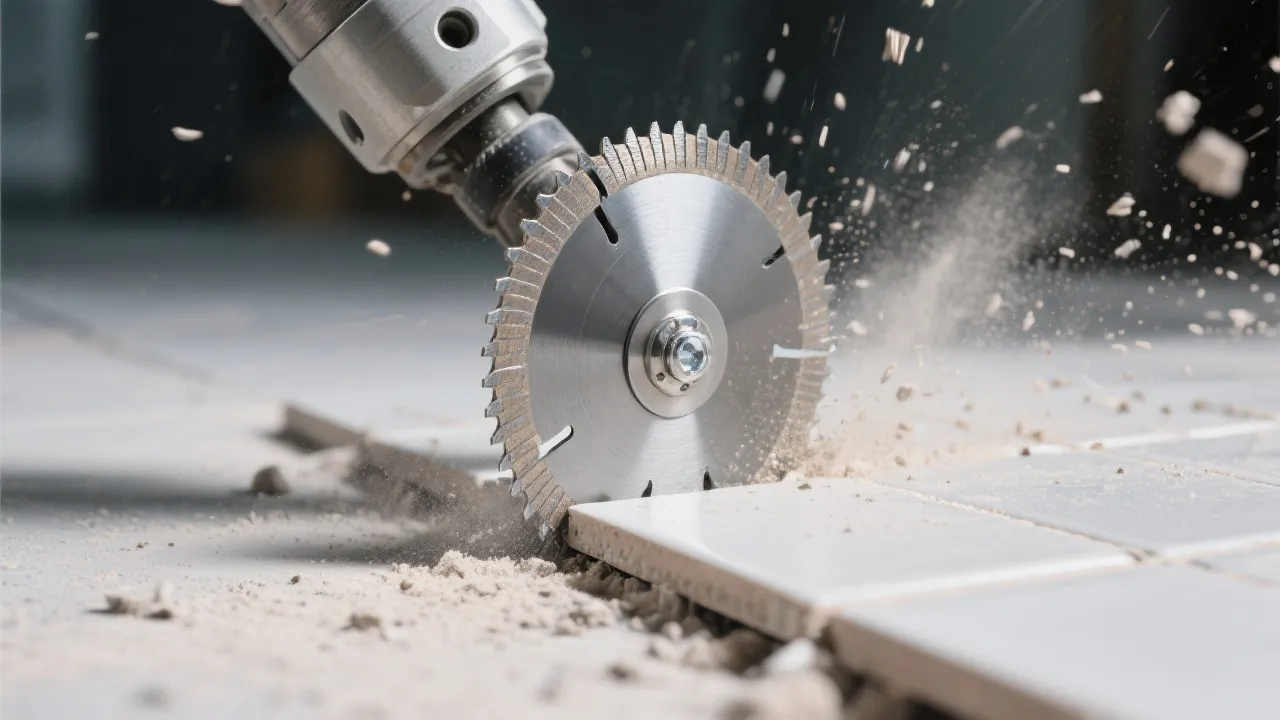
In industrial cutting applications involving hard and complex materials such as gray cast iron, ductile iron, stainless steel, and ceramics, selecting the right cutting tool is vital. Brazed diamond saw blades have emerged as superior solutions in this space, offering exceptional wear resistance, cut stability, and environmental advantages. This guide explores how to identify the most suitable brazed diamond saw blade to optimize cutting efficiency and ensure operational safety.
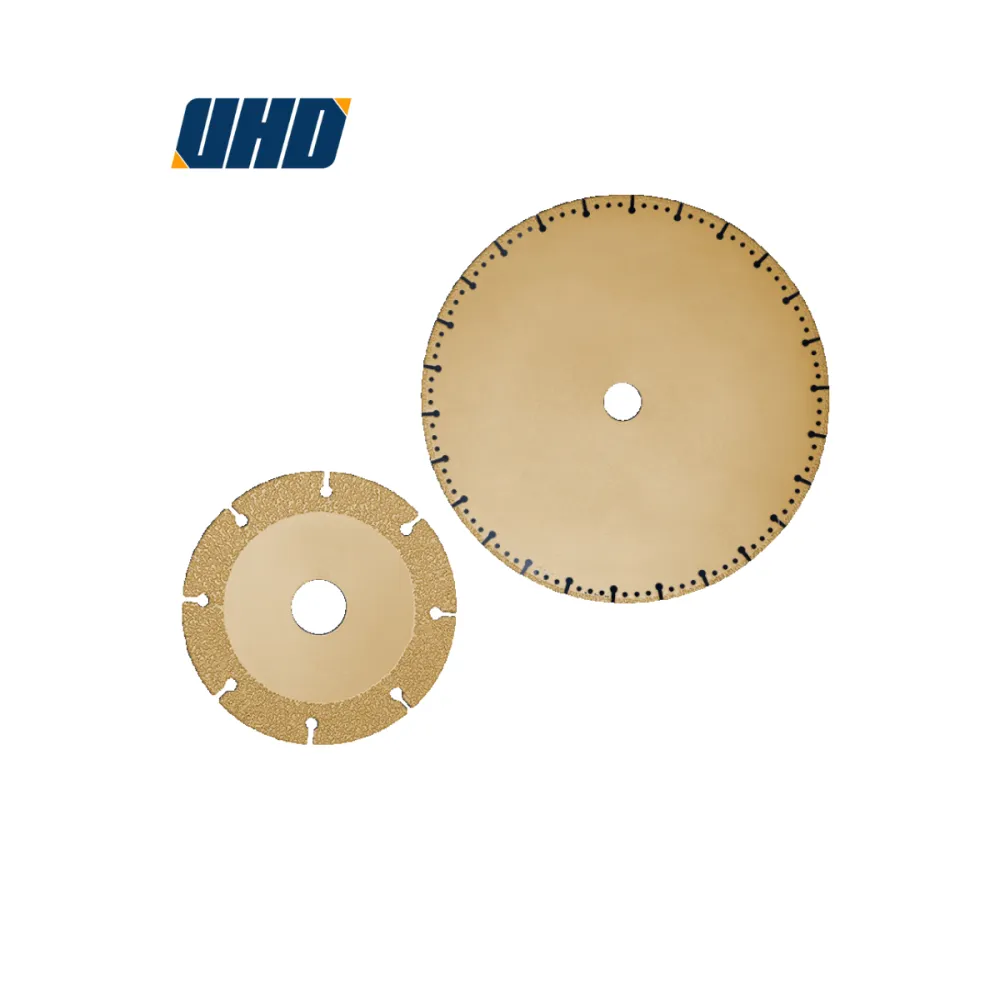
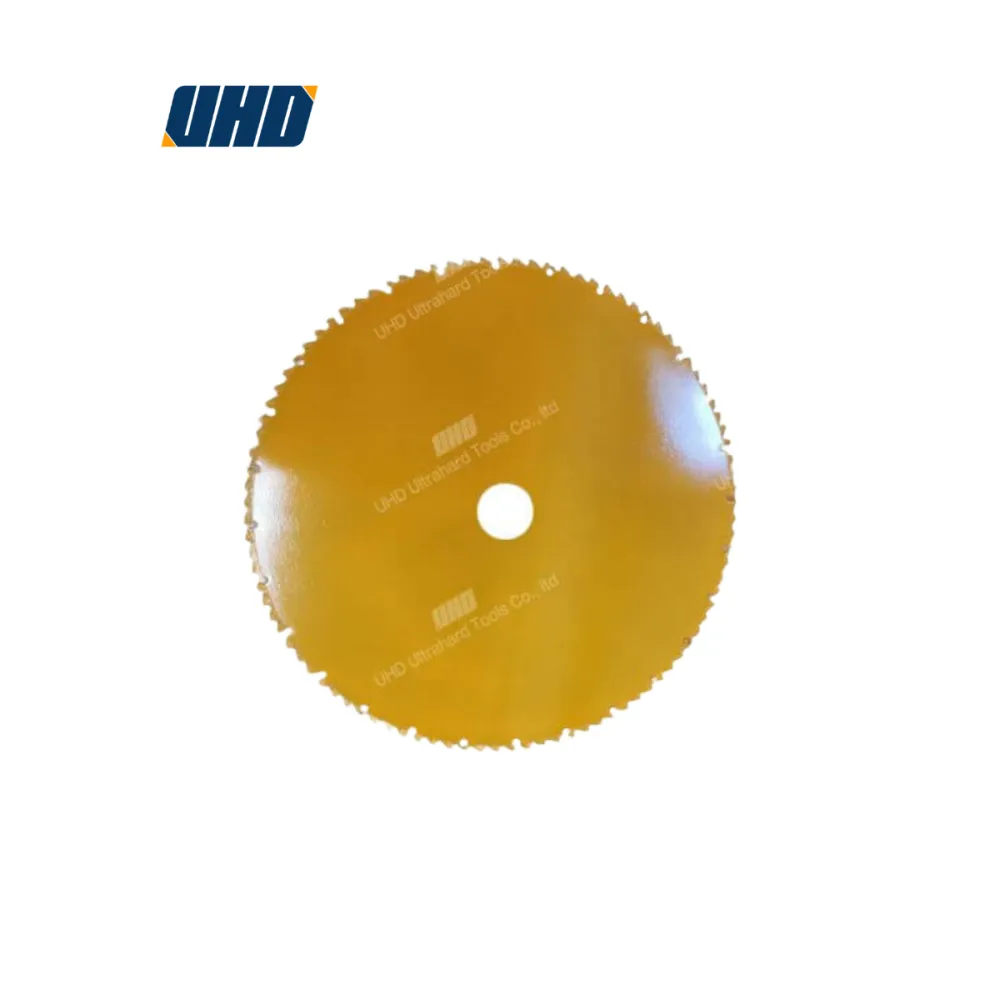
Brazed diamond saw blades consist of industrial-grade diamonds affixed to a metal substrate through a high-temperature brazing process, providing superior bonding strength over traditional electroplated or sintered alternatives. This construction delivers enhanced durability, allowing consistent performance when cutting abrasive or tough materials like:
The diamond grit size and concentration directly impact cutting speed and blade lifespan. For instance, a 150-micron diamond grit with 40% concentration shows a 25% improvement in cutting rate compared to 120-micron grits in stainless steel applications (based on independent lab tests).
| Feature | Brazed Diamond Blade | Electroplated Blade | Sintered Blade |
|---|---|---|---|
| Durability | High (up to 30% longer lifespan) | Medium | High but brittle |
| Cutting Speed | Faster (20-30% improvement) | Moderate | High but less stable |
| Cut Stability | Excellent (less vibration) | Low (prone to chip-off) | Moderate |
| Eco-friendliness | High (less debris & noise) | Low | Moderate |
These factors cumulatively determine the operational efficiency and safety margins during high-speed industrial cutting.
A European manufacturer specializing in ductile cast iron components integrated brazed diamond blades across their production line. They documented a 28% reduction in blade replacement frequency and a 22% increase in throughput within six months. Operational downtime was minimized by 15%, contributing to a tangible decrease in per-part processing cost.
Similarly, a ceramics plant in Asia transitioned from sintered blades to brazed diamonds, observing a threefold increase in blade life and markedly improved edge finish, meeting stricter quality requirements with less rework.
Brazed diamond blades contribute significantly to operational safety by reducing vibration and blade breakage risks. Their stable cutting action lowers operator fatigue and incidents associated with sudden tool failures. Furthermore, these blades generate less dust and debris, aligning with growing environmental compliance standards such as OSHA regulations and REACH directives.
"Switching to brazed diamond saw blades not only optimized our output but created a safer workplace environment by minimizing airborne contaminants and lowering noise levels in our facilities." — Plant Manager, Industrial Cutting Solutions Ltd.
Adhering to maintenance best practices can extend blade lifespan by up to 40%, safeguard investment, and maintain consistent cutting outcomes.
.png?x-oss-process=image/resize,h_1000,m_lfit/format,webp)

.png?x-oss-process=image/resize,h_1000,m_lfit/format,webp)