
In today’s high-efficiency manufacturing environments, cutting tools must deliver more than just sharpness—they need to last longer, perform consistently under stress, and reduce operational costs. That’s where brazed diamond blades are making a significant impact across industries like metal fabrication, stone processing, and precision machining.
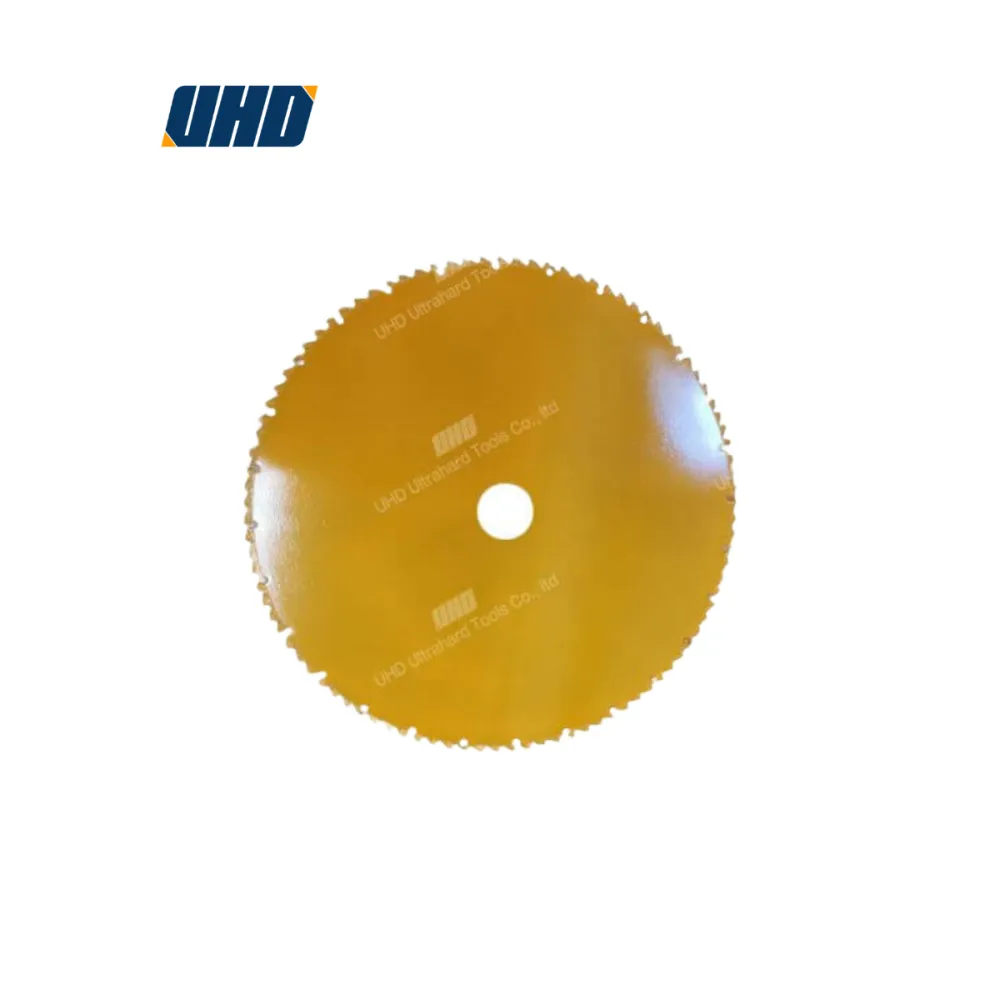
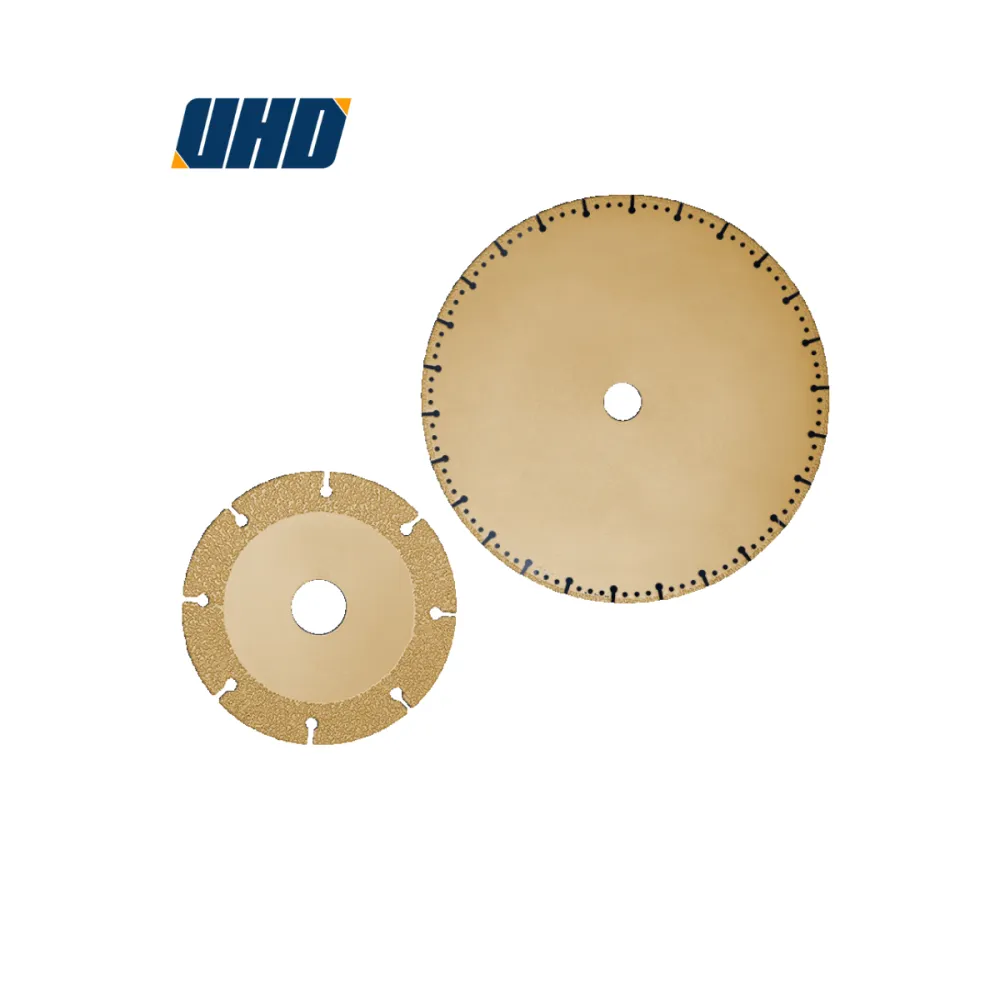
Unlike traditional resin-bonded blades that degrade quickly under heat and pressure, brazed diamond blades use a metallurgical bond between the diamond grit and the steel core. This process—typically using silver-based alloys at temperatures around 750–850°C—creates a stronger, more durable interface. The result? A blade that maintains its integrity even during extended use on hard materials such as stainless steel or gray cast iron.
Industry data shows that these blades can achieve up to 3x longer lifespan compared to standard resin-bonded alternatives—a key factor in reducing downtime and maintenance costs for production lines.
| Feature | Resin-Bonded Blade | Brazed Diamond Blade |
|---|---|---|
| Average Lifespan (hours) | 50–80 | 150–250 |
| Replacement Frequency | Every 2–3 days | Every 7–10 days |
| Dust Generation | High | Low (due to better stability) |
In real-world applications—from cutting thick-walled stainless steel pipes to slicing granite slabs—brazed diamond blades consistently outperform their resin counterparts. For example, one European stone fabricator reported a 40% reduction in tool change time after switching to brazed blades, while also achieving smoother cuts with fewer edge defects.
The secret lies in design: ultra-fine tooth geometry (often 0.3–0.5mm pitch), optimized base thickness (up to 4mm high-manganese steel), and precise diamond concentration ensure both aggressive cutting action and long-term structural integrity. These features collectively contribute to a reliable, low-vibration operation that enhances worker safety and reduces machine wear.
Pro Tip: When sourcing industrial cutting tools, prioritize suppliers who provide detailed material certifications (like ISO 9001) and test reports—not just marketing claims. Reliable performance starts with traceable quality control.
.png?x-oss-process=image/resize,h_1000,m_lfit/format,webp)
.png?x-oss-process=image/resize,h_1000,m_lfit/format,webp)

 <#else>


