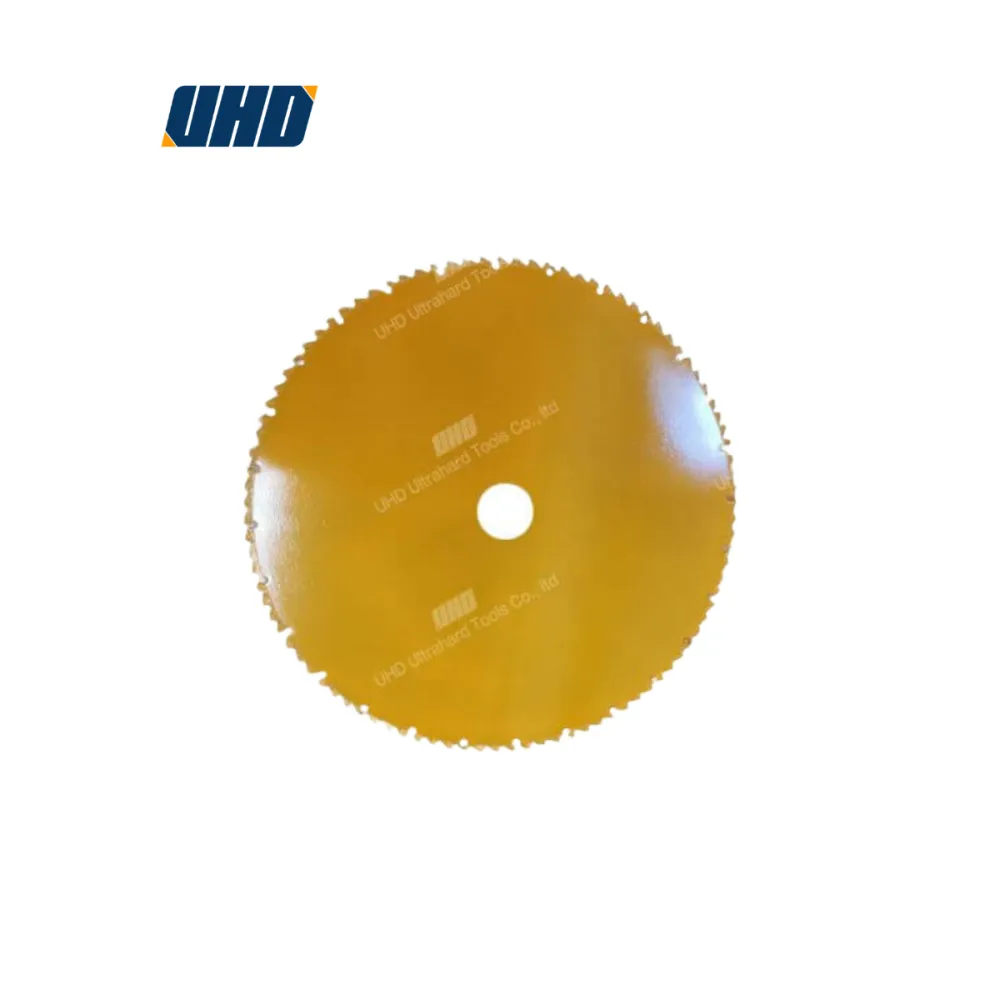
In modern industrial manufacturing, efficiency and safety are paramount when it comes to material cutting operations. The emergence of brazed diamond saw blades as a cutting-edge tool has revolutionized workflows across sectors such as mechanical manufacturing, stone processing, and metal fabrication. These blades not only extend operational lifespan but also reduce dust emissions and downtime — critical factors in optimizing production lines.
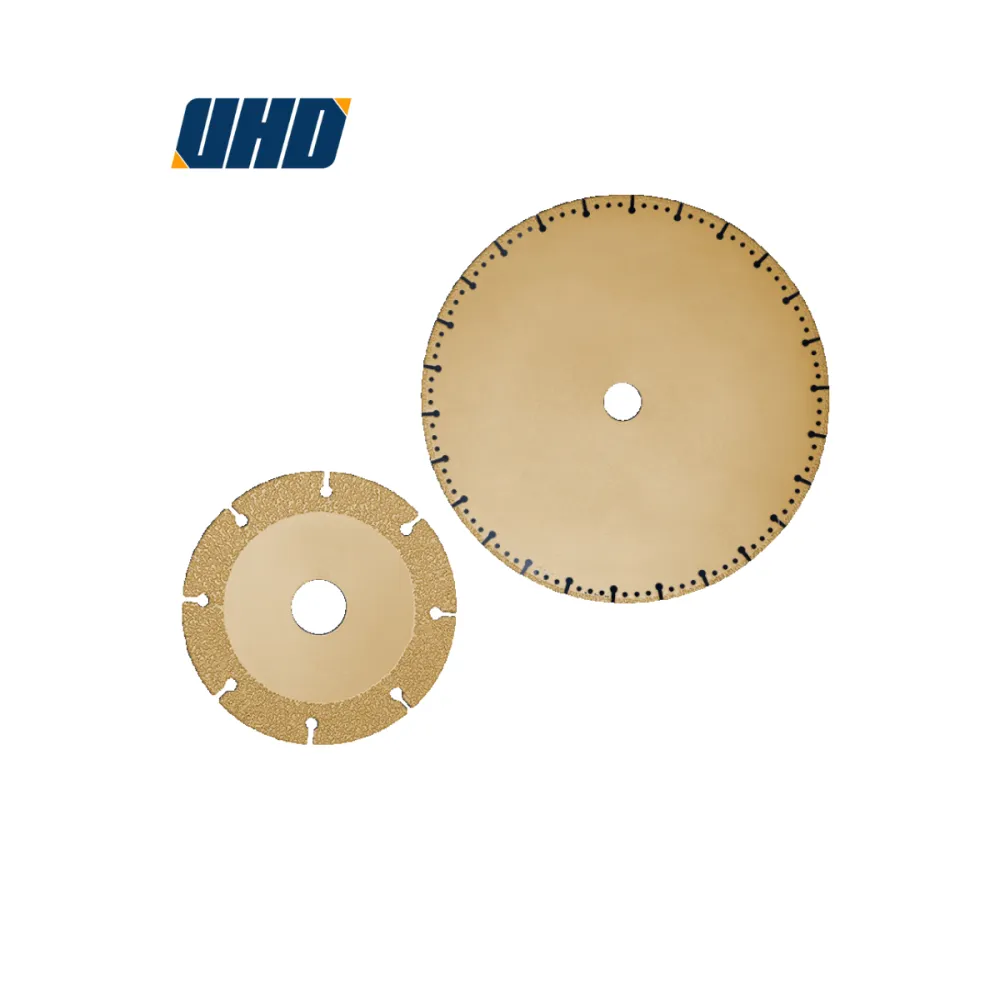
Brazed diamond saw blades are engineered to withstand the rigors of cutting abrasive materials—ranging from gray cast iron and stainless steel to natural stone. Unlike traditional sintered or electroplated blades, the brazing process tightly bonds diamond particles to the metal substrate, resulting in remarkable wear resistance and stable cutting performance. This means less frequent blade replacements, smoother cuts, and safer operation under high-speed conditions. Their robust design supports high RPMs and aggressive feed rates, significantly improving cycle times without compromising precision.
A mechanical parts manufacturer transitioning to brazed diamond saw blades reported a 40% reduction in blade replacements over a six-month period. Concurrently, cutting speeds increased by 25%, while dust generation dropped by approximately 30%. This combination yielded a net reduction in production downtime by over 20%, directly enhancing throughput and minimizing labor costs related to blade maintenance.
"Switching to these brazed diamond blades transformed our cut quality and efficiency. Less dust, fewer interruptions, and longer blade life have simplified our workflow more than we anticipated."
— Production Manager, Industrial Cutting Plant
At a mid-sized mechanical component manufacturer, the primary bottleneck was frequent blade wear and contamination from dust clouds during stainless steel cutting. Implementing brazed diamond blades reduced blade change intervals by 35%, saving approximately 12 hours monthly in maintenance labor. Simultaneously, the consistent sharpness of the diamonds maintained a cutting speed increase of 20%. These improvements bolstered overall plant safety by lowering airborne particulate matter consistent with OSHA regulations.
The granite and marble cutting lines faced downtime due to rapid dulling of conventional blades. Adopting brazed diamond saw blades improved wear life by 50%, enabling longer uninterrupted shifts. The design’s metal bond matrix was key to holding diamond grains firmly, even in abrasive stone environments, providing precise edge finishes. Environmental benefits included a measurable 25% reduction in silica dust, enhancing worker health conditions.
The blade’s exceptional performance stems from optimized base thickness and strategic diamond particle distribution. A thicker core balances rigidity and vibration damping, producing cleaner cuts with minimized blade deflection or heat buildup. The controlled diamond grain size and spacing ensure maximum abrasive exposure while preventing premature particle loss, extending the blade’s effective lifespan by up to 35% compared to competitors.
| Performance Metric | Before Brazed Diamond Blades | After Adoption | Improvement (%) |
|---|---|---|---|
| Blade Replacement Frequency (per month) | 10 | 6 | -40% |
| Cutting Speed (m/min) | 12 | 15 | +25% |
| Dust Emission (mg/m³) | 40 | 28 | -30% |
These performance gains culminate in a triple-win scenario: saving time through faster and longer cutting cycles, saving money by reducing tooling and labor expenses, and saving peace of mind via stable operation and cleaner environments. For facility managers, this translates into smooth production scheduling, lower health risks from dust inhalation, and assured compliance with environmental and workplace safety standards worldwide.
The brazed diamond saw blade is more than just a tool — it’s a strategic investment in industrial excellence.

.png?x-oss-process=image/resize,h_1000,m_lfit/format,webp)
.png?x-oss-process=image/resize,h_1000,m_lfit/format,webp)