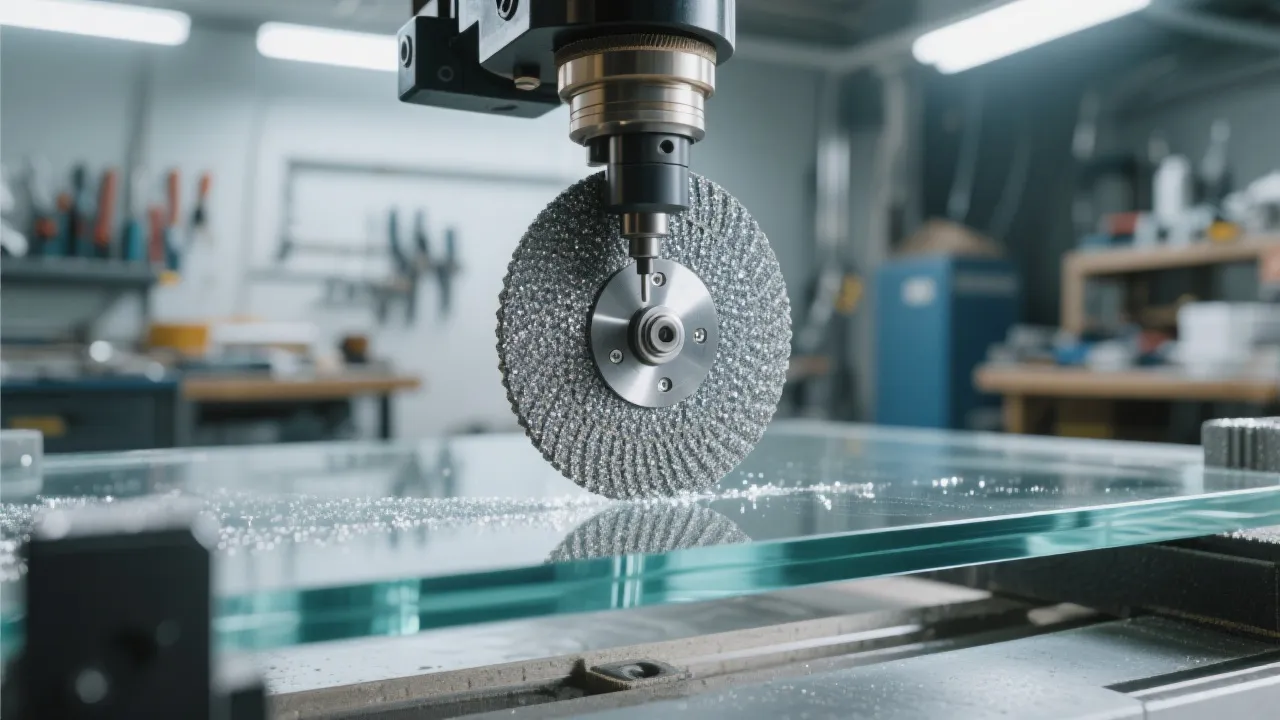
When it comes to precision machining of ceramics and glass—materials known for their high hardness and brittleness—the cutting process is far more than a mechanical act. It’s a delicate interplay of material science, tool dynamics, and process optimization. According to ISO 13347:2023 on abrasive cutting tools, improper parameter selection can increase tool wear by up to 40% and reduce surface quality significantly.
Ceramics like alumina (Al₂O₃) and silicon carbide (SiC), as well as soda-lime and borosilicate glasses, exhibit extreme hardness (typically 1200–2000 HV) but low fracture toughness—often below 2 MPa·m¹ᐟ². This means even minor stress concentrations during cutting can trigger microcrack propagation, leading to chipping or complete fracture. In fact, studies show that over 65% of defective cuts in industrial settings stem from uncontrolled crack initiation rather than tool failure alone.
The key lies in understanding how forces distribute across the workpiece. At typical cutting speeds of 30–60 m/s, shear stresses build up at the tool edge, creating localized tensile zones ahead of the blade. These zones are where cracks begin—often propagating perpendicular to the cutting direction. Advanced finite element modeling (FEM) now allows engineers to simulate this behavior with >85% accuracy, enabling better planning of feed rates and depth-of-cut parameters.
Three dominant wear mechanisms dominate in ceramic/glass cutting:
As Dr. Elena Martinez, materials engineer at Fraunhofer Institute, notes: “In high-volume production lines, a 10% reduction in thermal fatigue can extend blade life by over 30%. That’s not just cost savings—it’s process stability.”
Practical insights matter most. For instance:
| Parameter | Recommended Range | Impact |
|---|---|---|
| Cutting Speed (m/min) | 30–60 | Higher speed = more heat → increased thermal fatigue risk |
| Feed Rate (mm/min) | 0.1–0.5 | Too fast = excessive stress → microcracking |
| Coolant Flow Rate | ≥ 5 L/min | Reduces dust emissions by up to 60% and maintains blade integrity |
With EU’s Circular Economy Action Plan pushing for zero-waste processing, green cutting methods are gaining traction. Using wet cooling instead of dry grinding reduces airborne particulate matter by up to 75%, while optimizing coolant flow minimizes water usage—a win-win for compliance and operational efficiency.
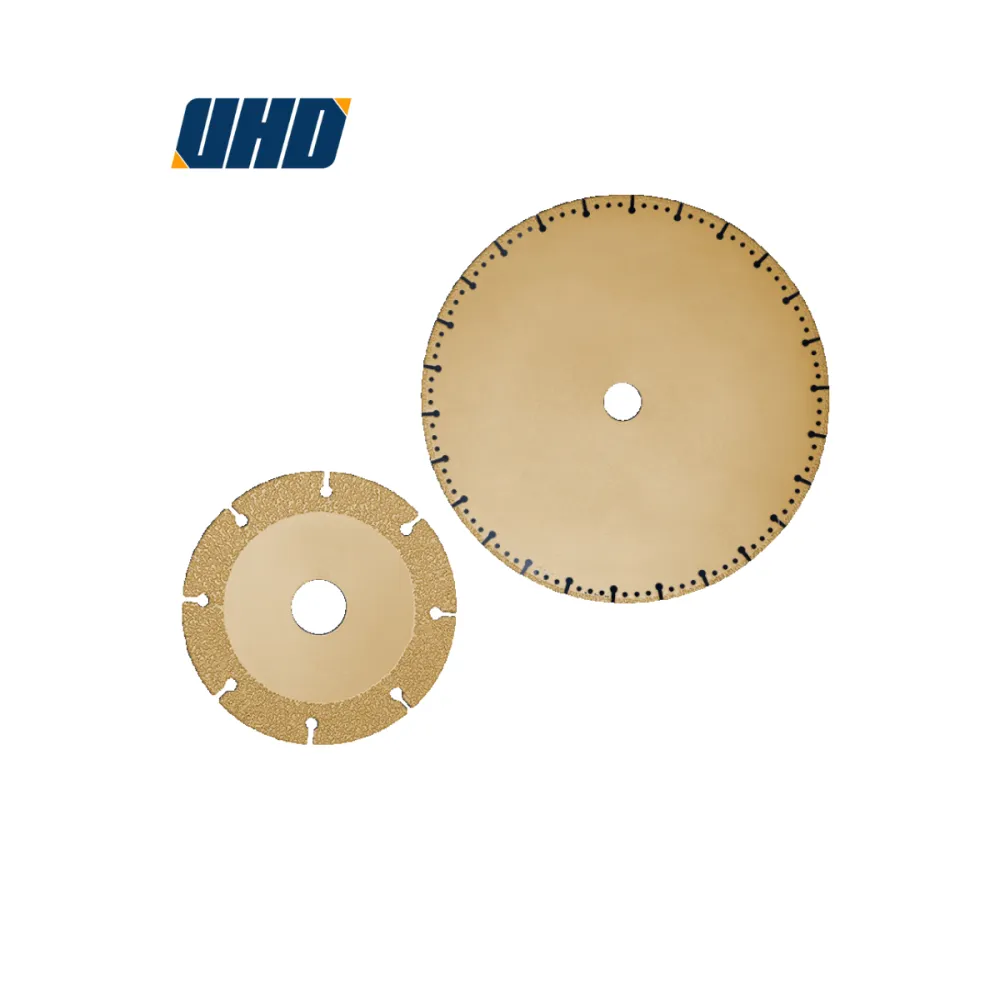
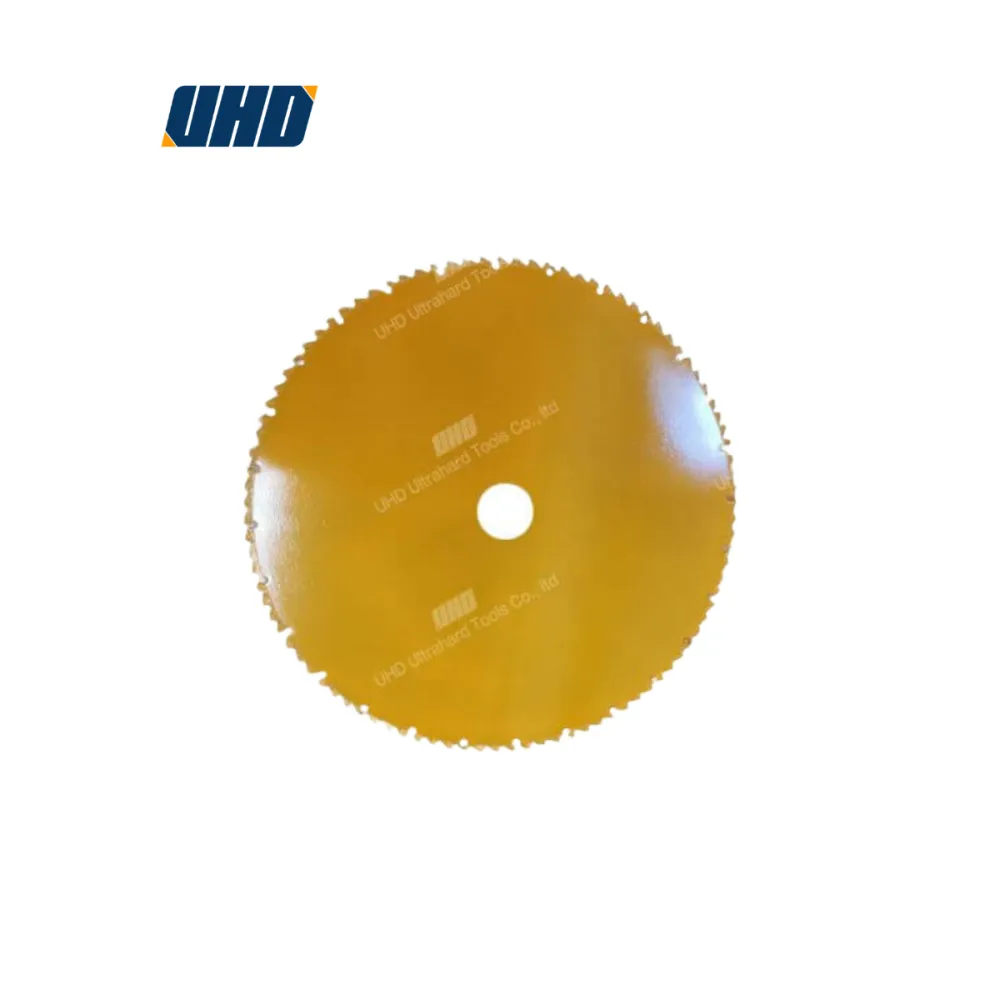
Explore our range of brazed diamond blades engineered for ceramic and glass applications—designed to minimize wear, maximize cut quality, and meet global environmental standards.
Get Your Customized Blade Solution Now
.png?x-oss-process=image/resize,h_1000,m_lfit/format,webp)
.png?x-oss-process=image/resize,h_1000,m_lfit/format,webp)