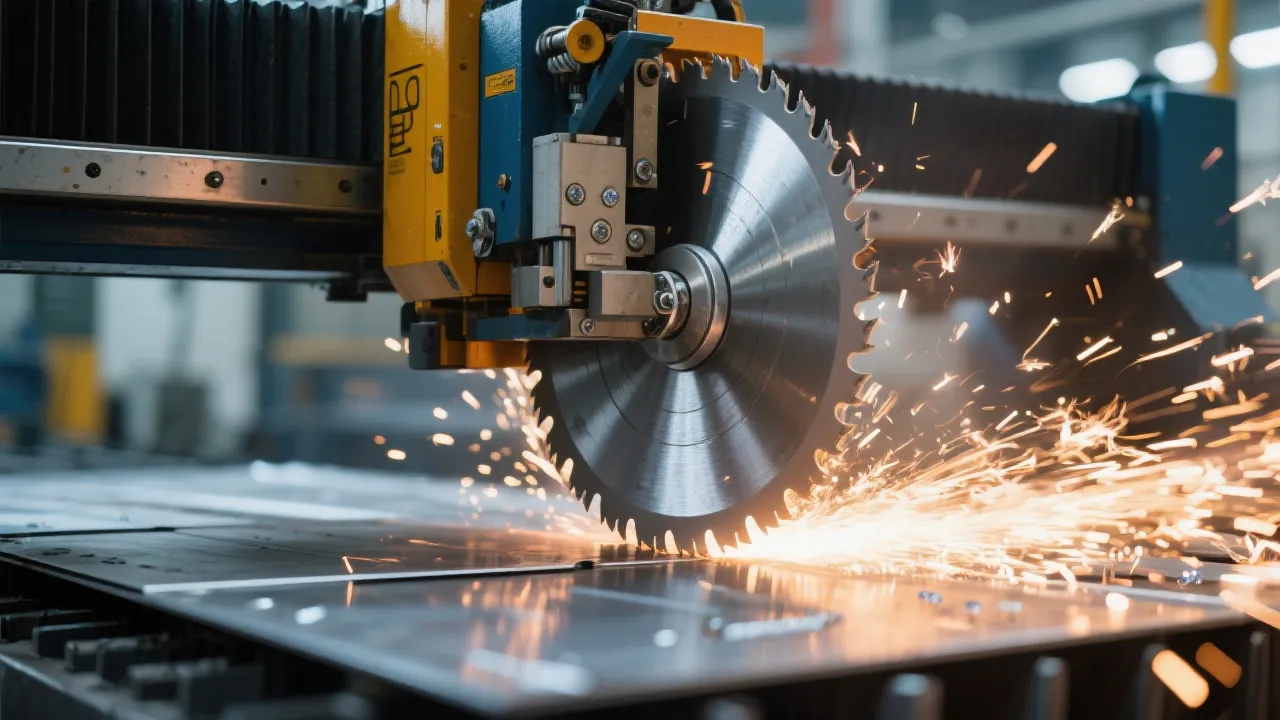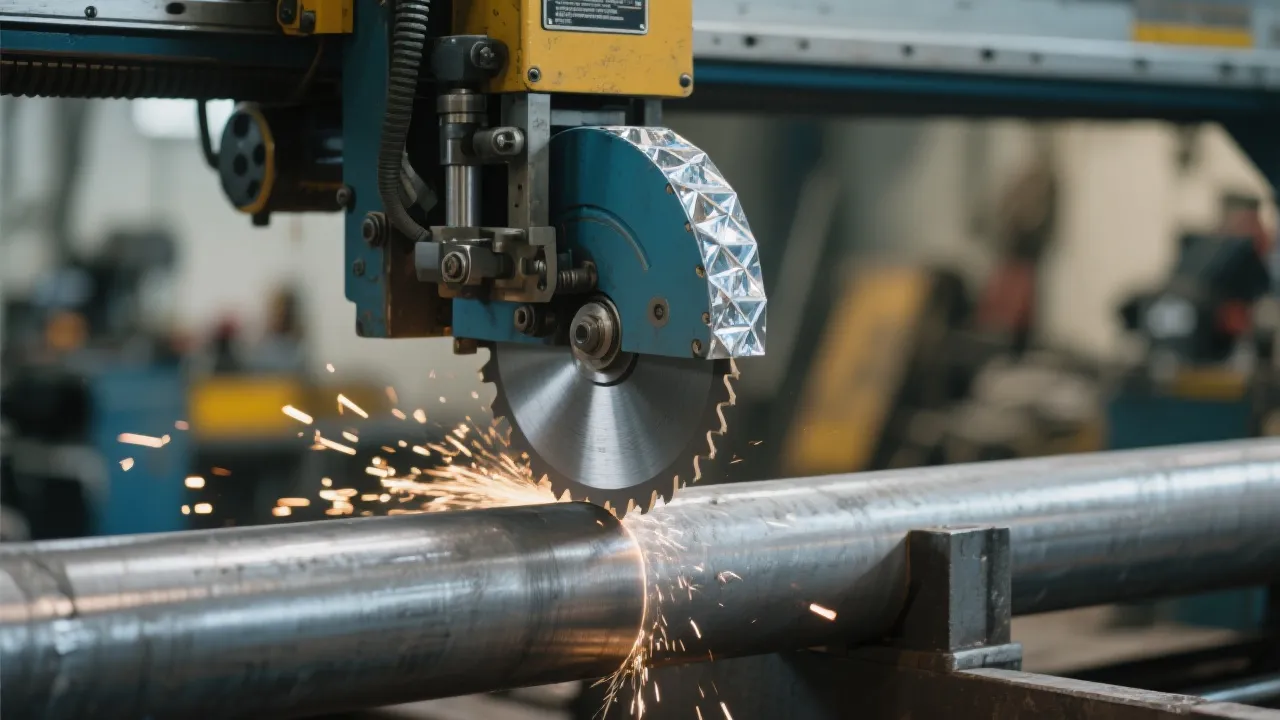
In the highly competitive metal processing industry, the choice of cutting tools significantly impacts production efficiency and cost. Diamond cutting blades have emerged as a popular choice due to their superior hardness and cutting performance. This article delves into the material selection and performance comparison of diamond cutting blades, aiming to help metal processing export enterprises optimize their cutting processes.
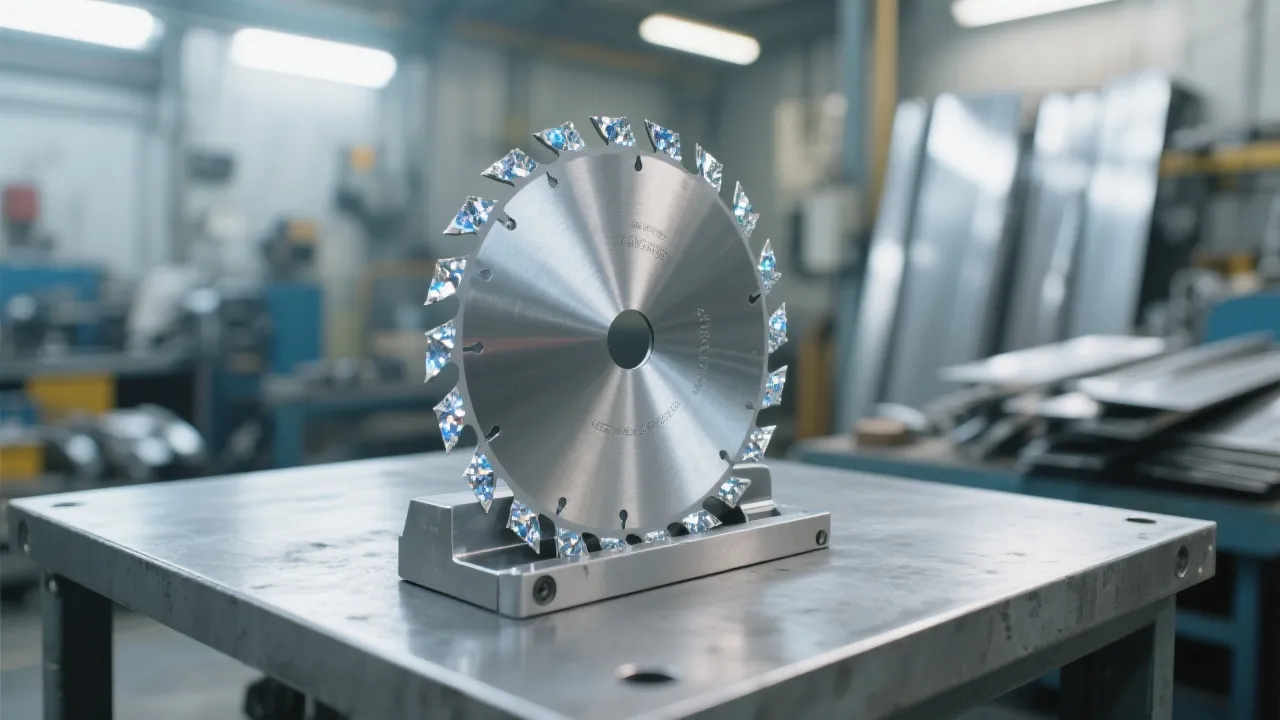
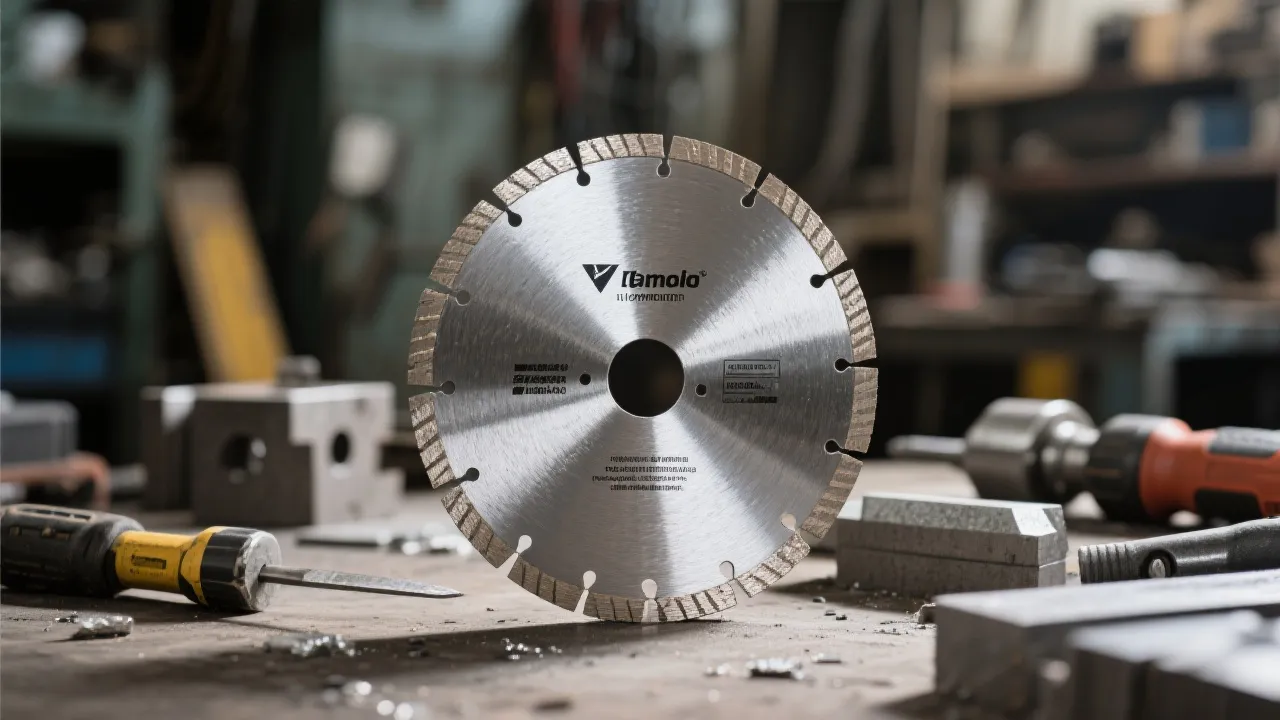
Diamond cutting blades are mainly made of two types of diamonds: polycrystalline diamond (PCD) and single - crystal diamond. Each has its own unique characteristics and application scenarios.
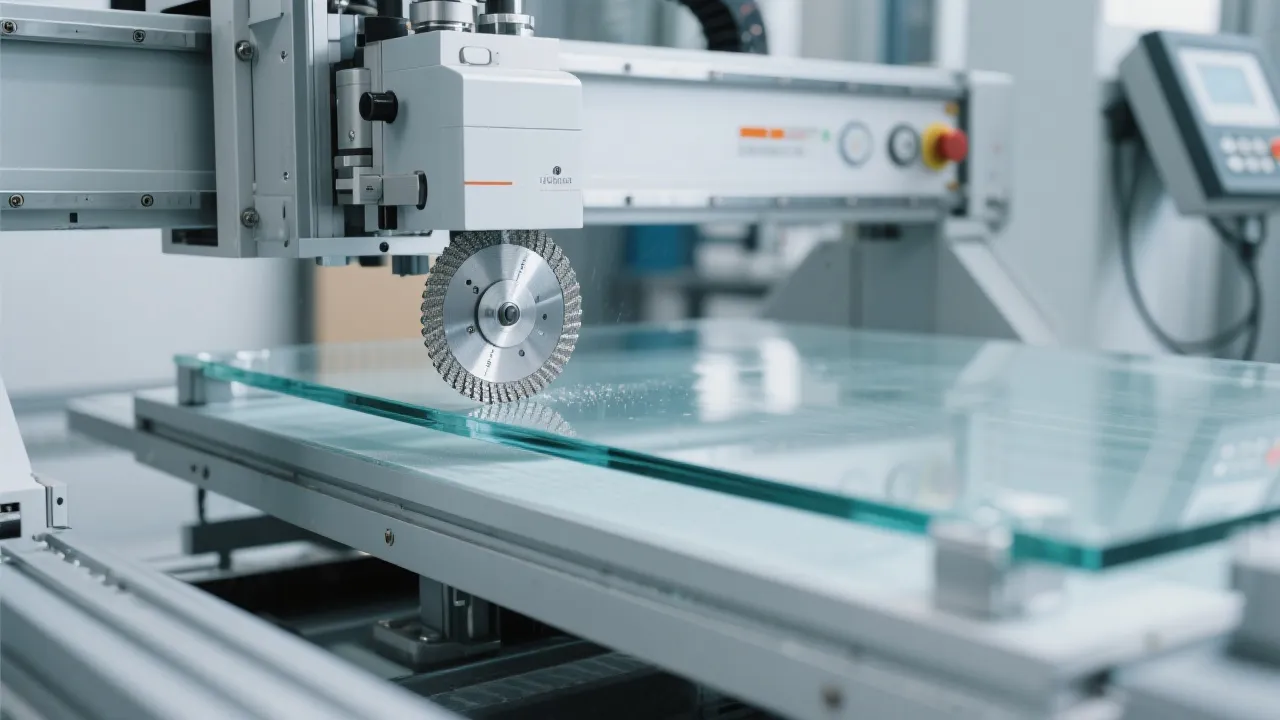
PCD is composed of numerous small diamond crystals bonded together. It offers high wear resistance, excellent thermal stability, and good impact resistance. PCD cutting blades are suitable for high - speed cutting of non - ferrous metals, such as aluminum and copper, as well as some composite materials. They can maintain a sharp cutting edge for a long time, reducing the frequency of blade replacement and improving production efficiency.
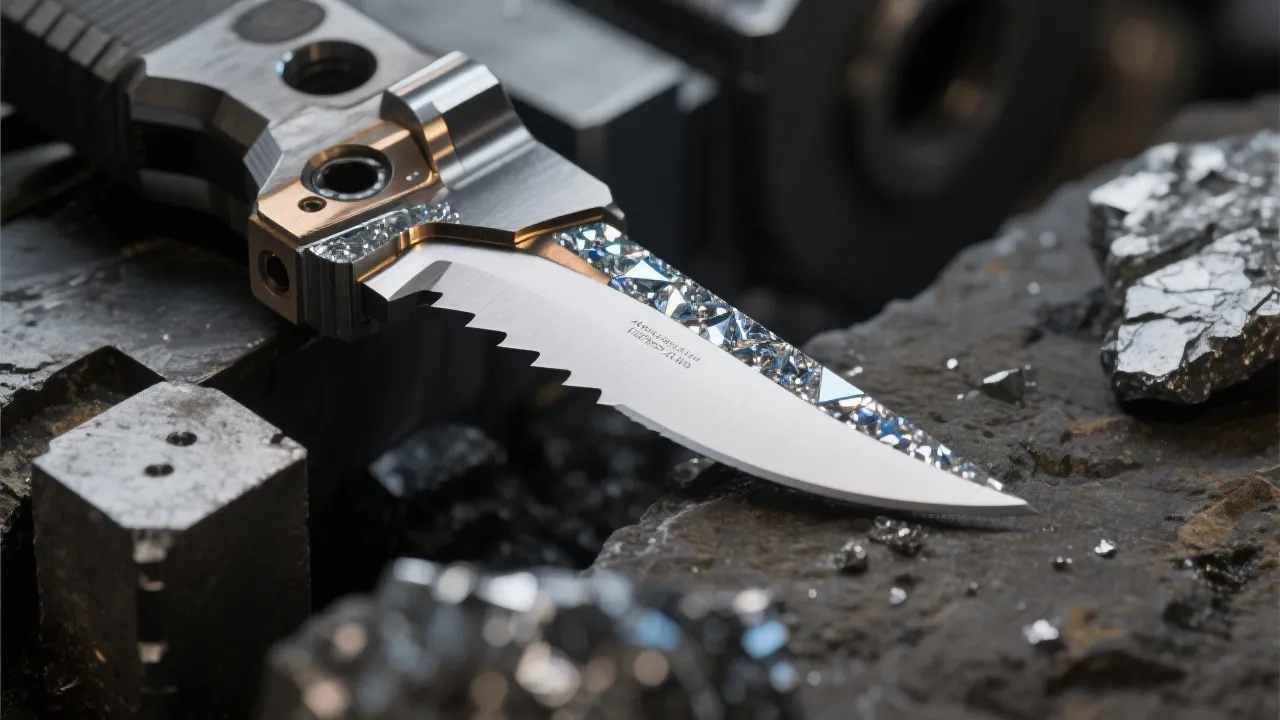
Single - crystal diamond, on the other hand, has a high degree of purity and a regular crystal structure. It provides extremely high cutting precision and a smooth cutting surface. Single - crystal diamond cutting blades are often used in precision machining applications, such as the processing of high - precision components in the aerospace and electronics industries.
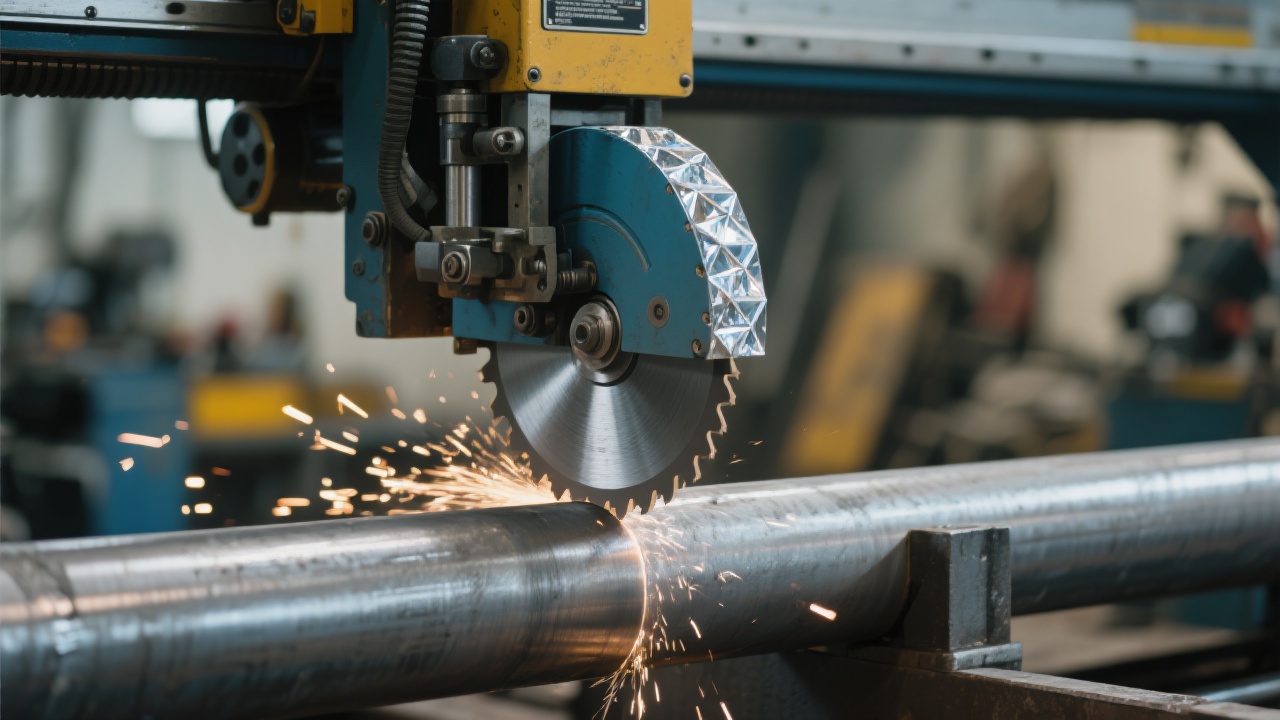
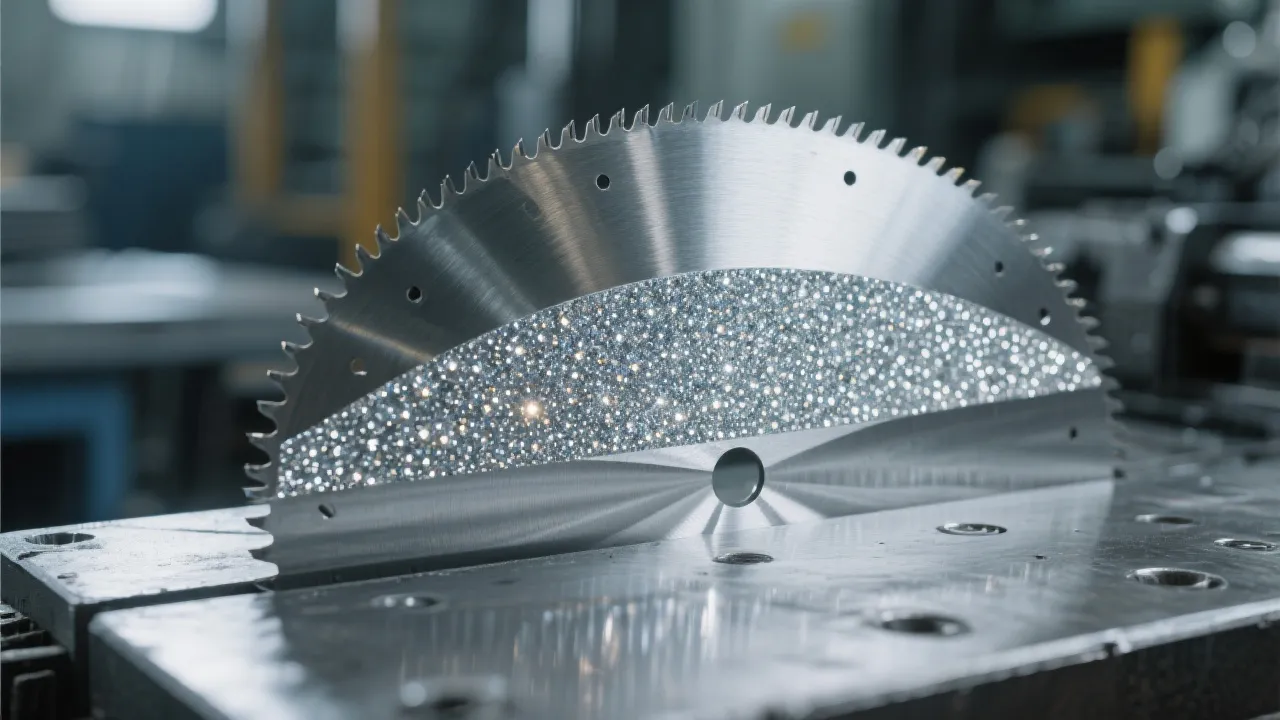
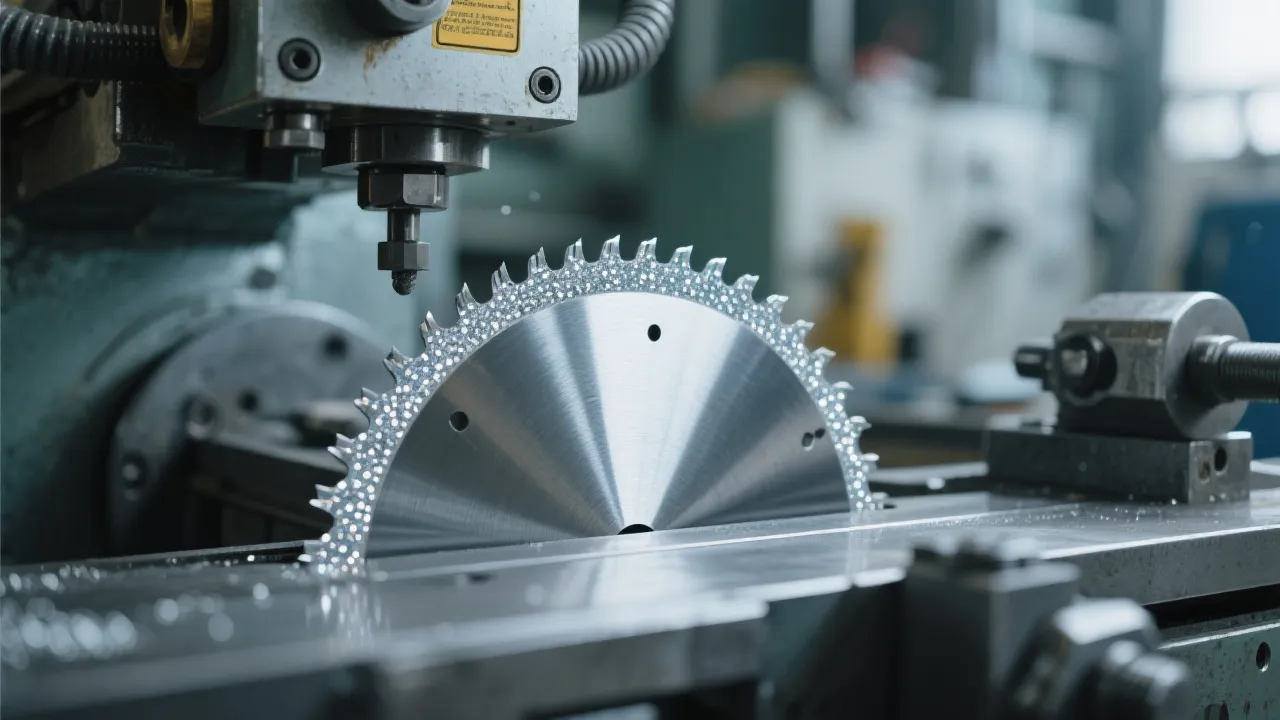
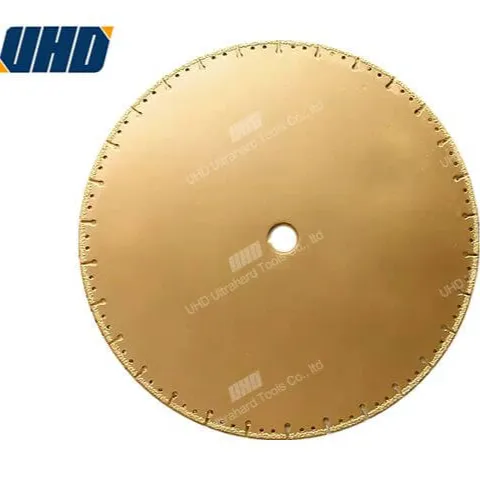
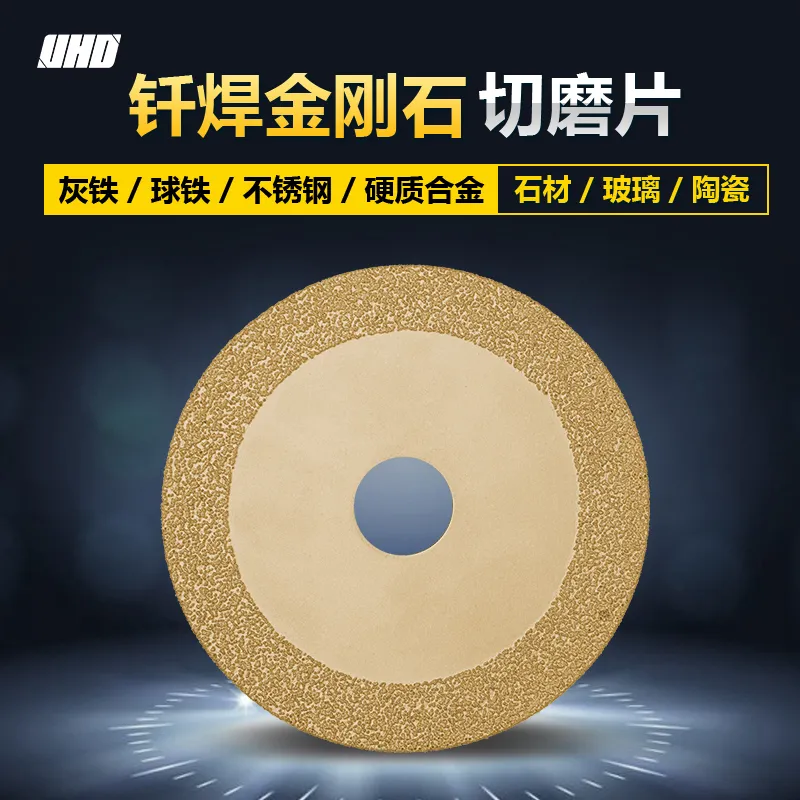
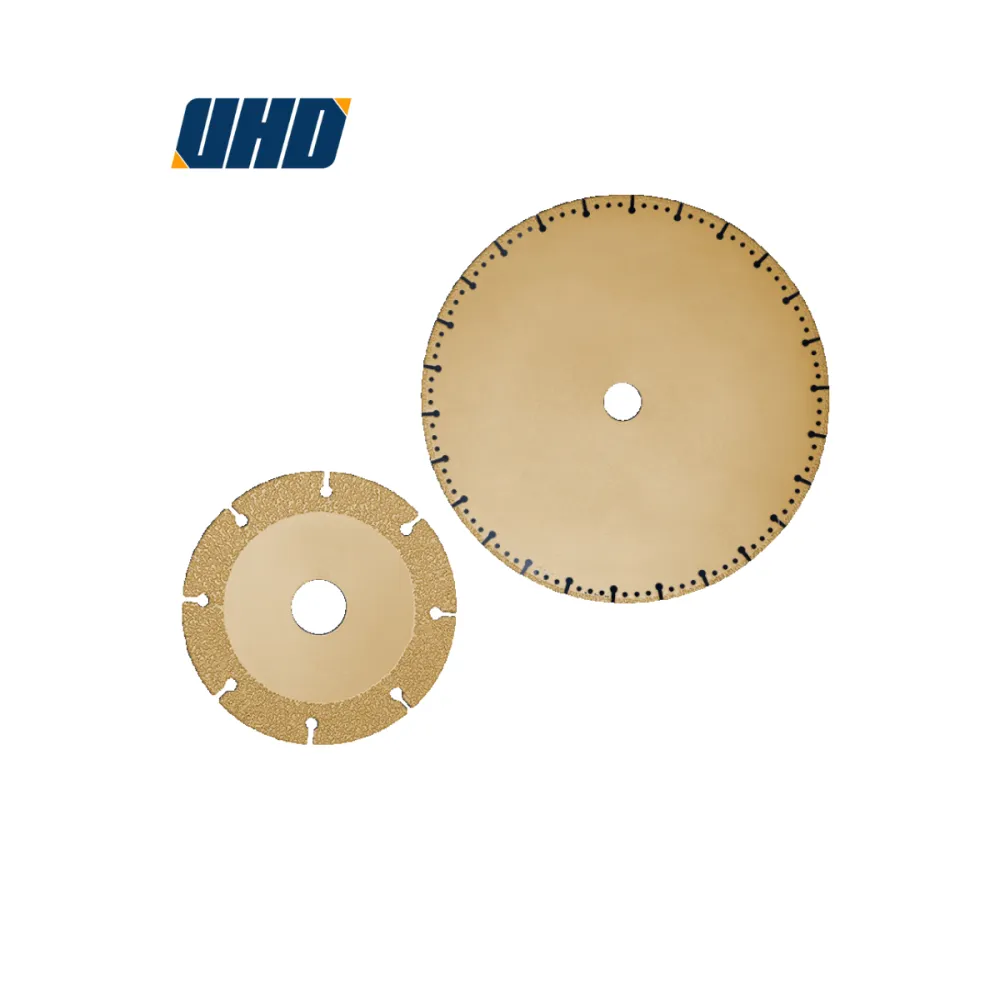
Vacuum brazing technology plays a crucial role in enhancing the quality of diamond cutting blades. By using this technology, the diamond particles are firmly bonded to the blade substrate, improving the bonding strength and impact resistance of the cutting blade.
During the vacuum brazing process, the diamond particles are placed on the blade substrate, and a brazing filler metal is used to bond them together. The process is carried out in a vacuum environment to prevent oxidation and ensure a high - quality bond. The vacuum brazed diamond cutting blades have better durability and can withstand higher cutting forces, reducing the risk of blade failure during operation.
| Material | Wear Resistance | Cutting Precision | Application Scenarios |
|---|---|---|---|
| PCD | High | Good | High - speed cutting of non - ferrous metals and composite materials |
| Single - crystal diamond | High | Excellent | Precision machining of high - precision components |
Proper maintenance and operation of diamond cutting blades are essential to ensure their performance and longevity. Here are some key points:
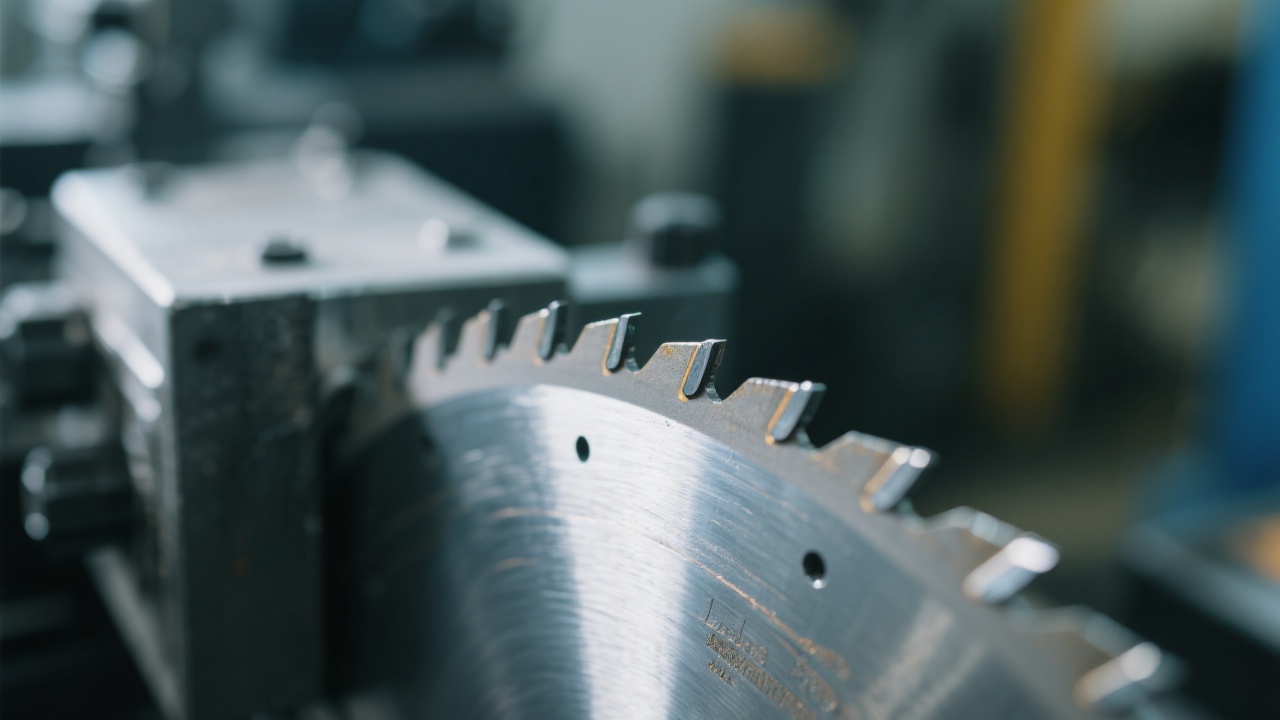
Let's look at some real - world case studies to illustrate the benefits of using diamond cutting blades. A metal processing enterprise was using traditional cutting tools, which had a short service life and low cutting efficiency. After switching to UHD diamond cutting blades, they experienced a significant improvement in cutting efficiency. The downtime for blade replacement was reduced by 30%, and the overall production efficiency increased by 20%.
Another case involved a precision machining company. By using single - crystal diamond cutting blades, they were able to achieve higher cutting precision, resulting in a significant reduction in product rejection rates. This not only improved the quality of their products but also enhanced their competitiveness in the market.
In conclusion, diamond cutting blades offer significant advantages in terms of cutting efficiency, precision, and durability. By carefully selecting the appropriate material and using advanced manufacturing technologies such as vacuum brazing, metal processing export enterprises can optimize their cutting processes and gain a competitive edge in the global market. If you want to learn more about tool selection techniques and get a free PDF manual, click here.

.png?x-oss-process=image/resize,h_1000,m_lfit/format,webp)
.png?x-oss-process=image/resize,h_1000,m_lfit/format,webp)