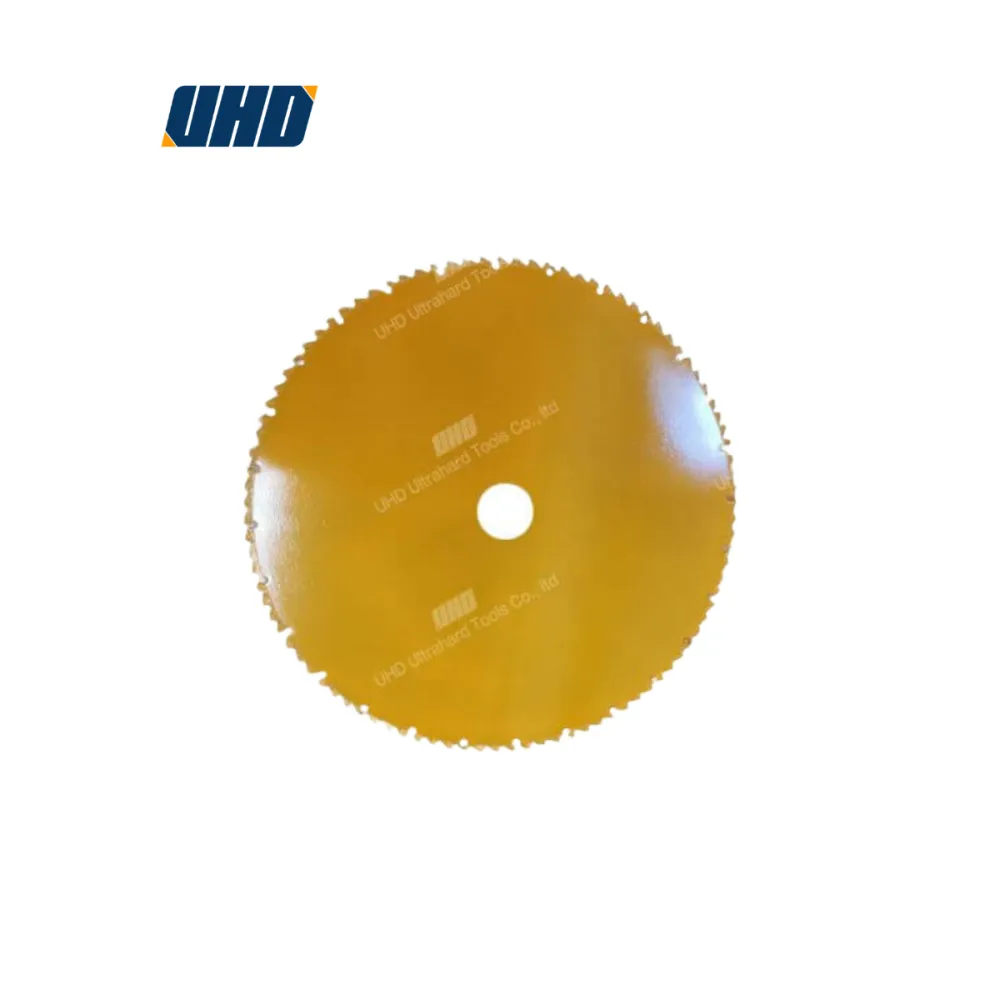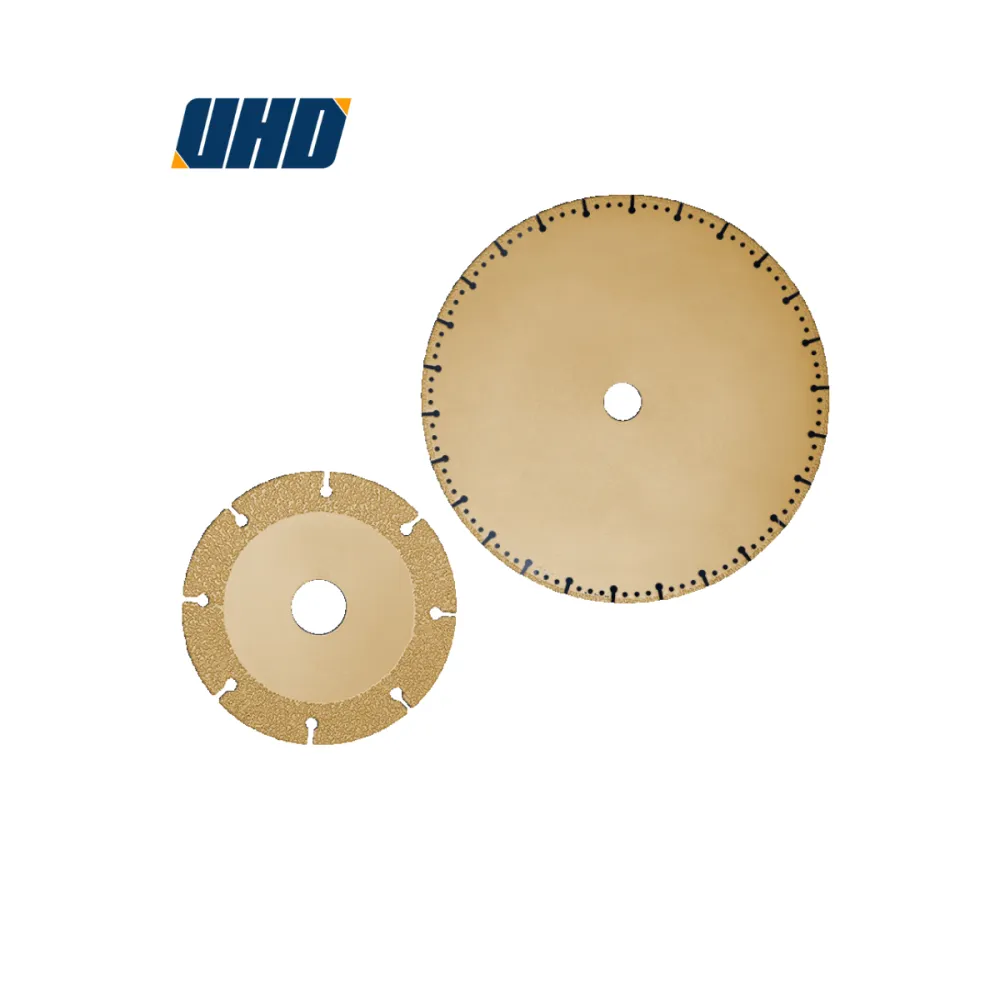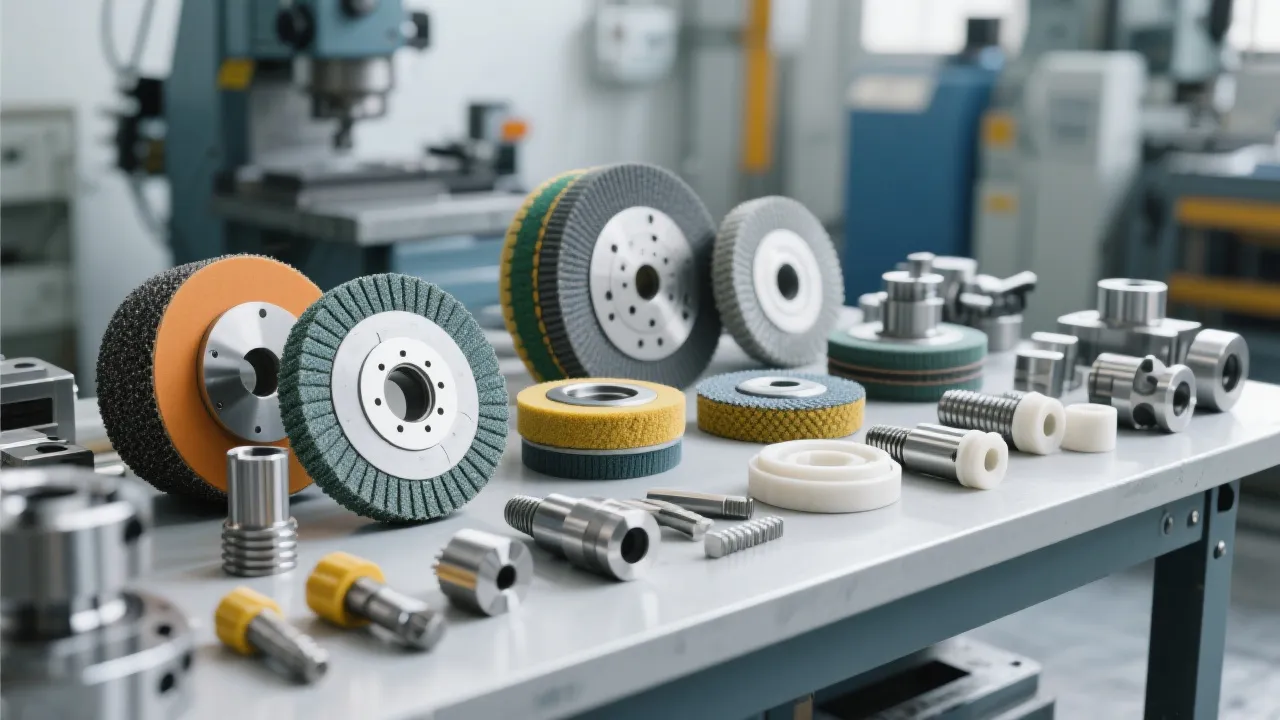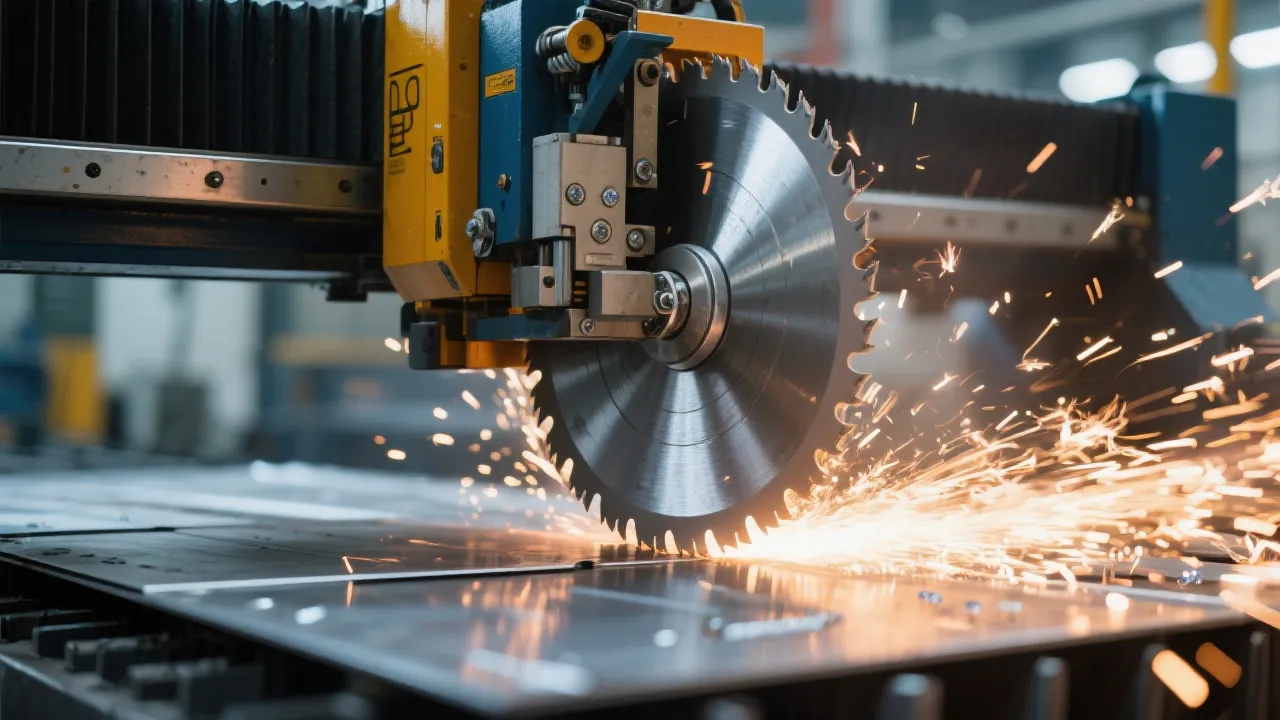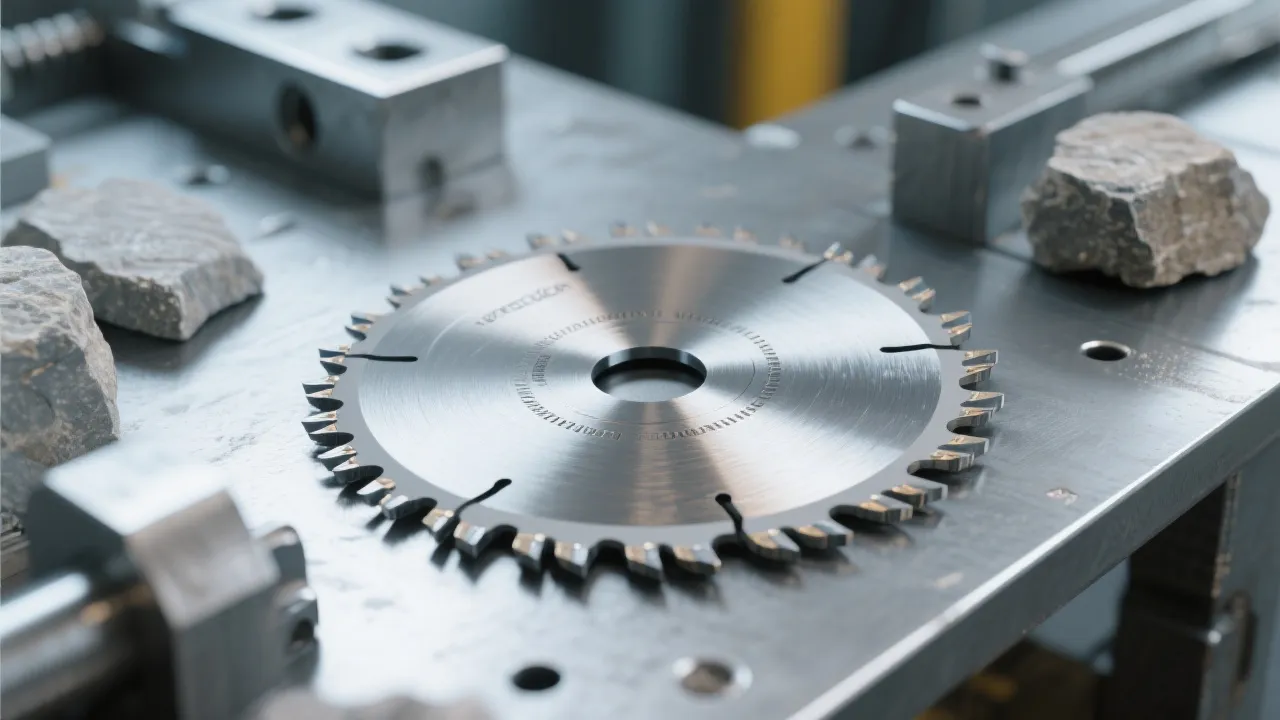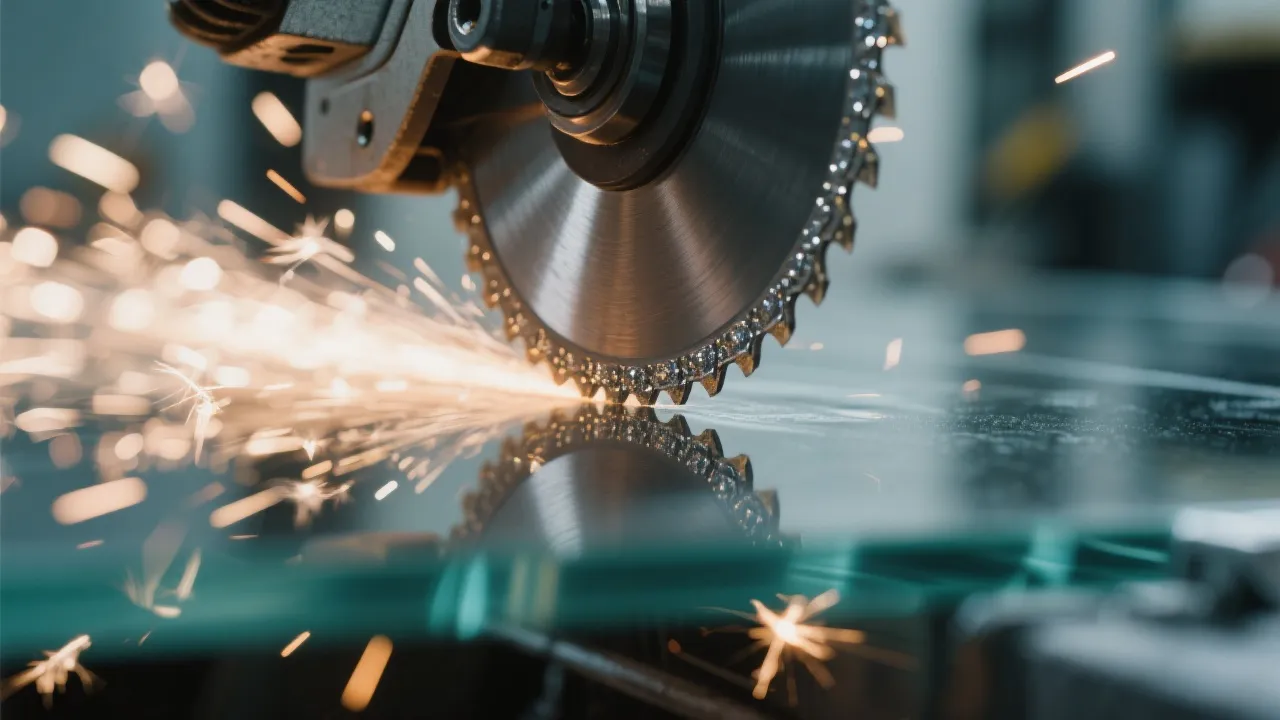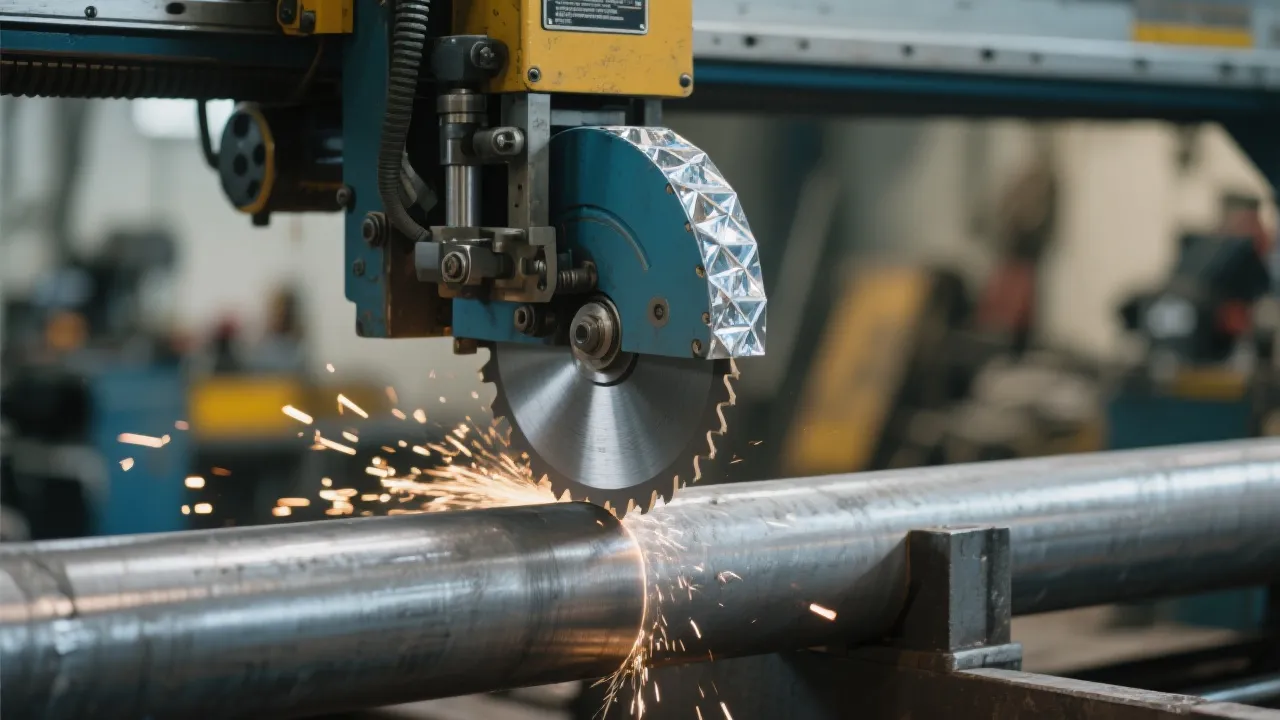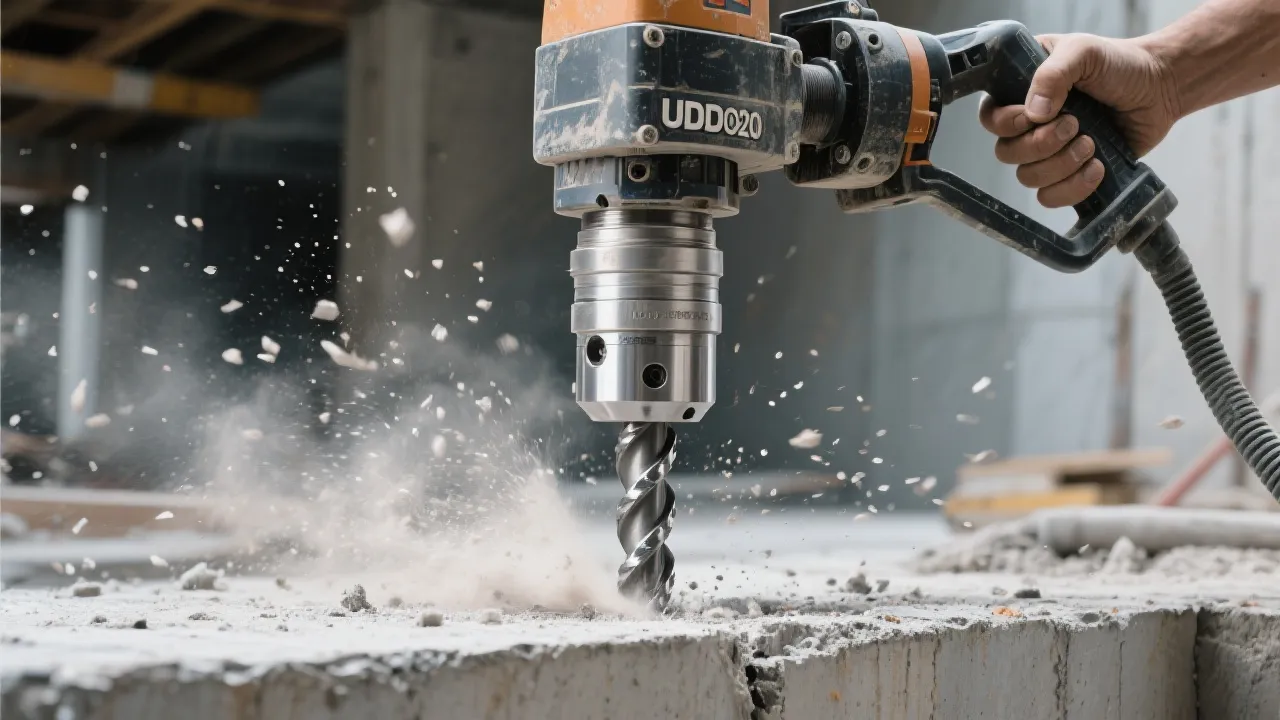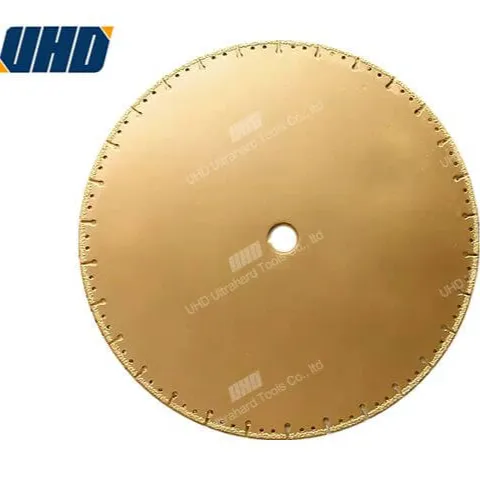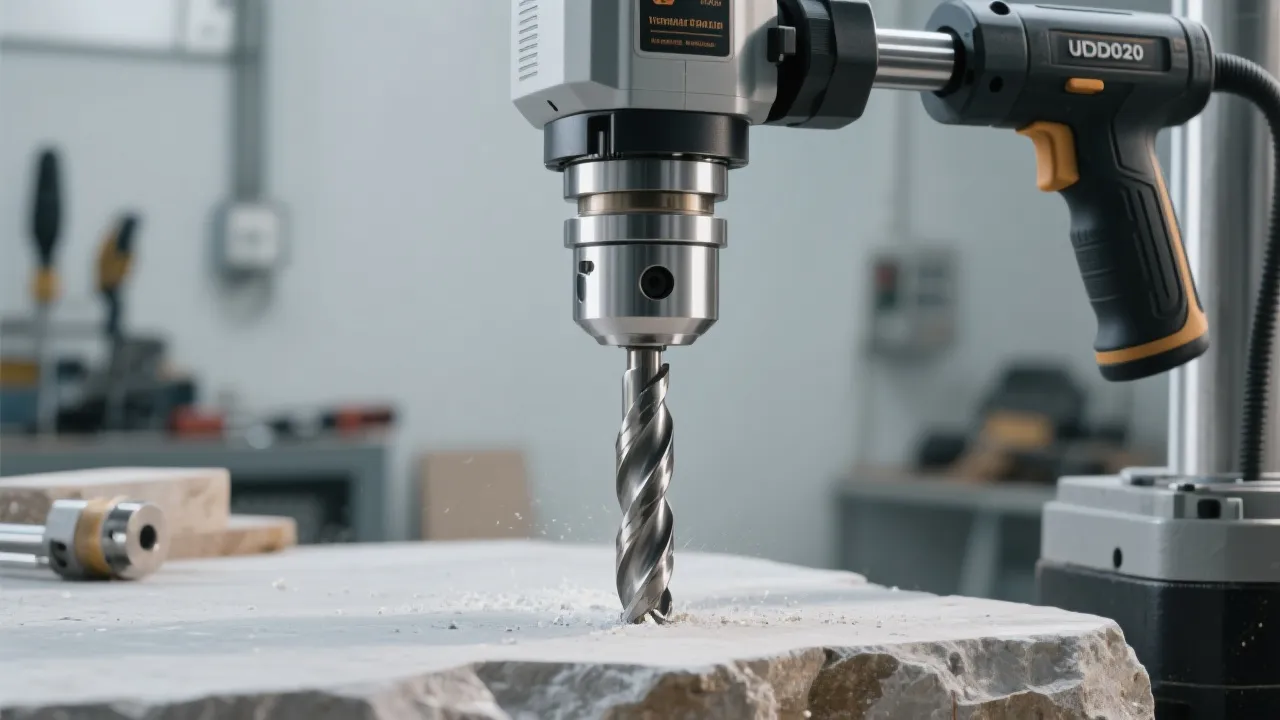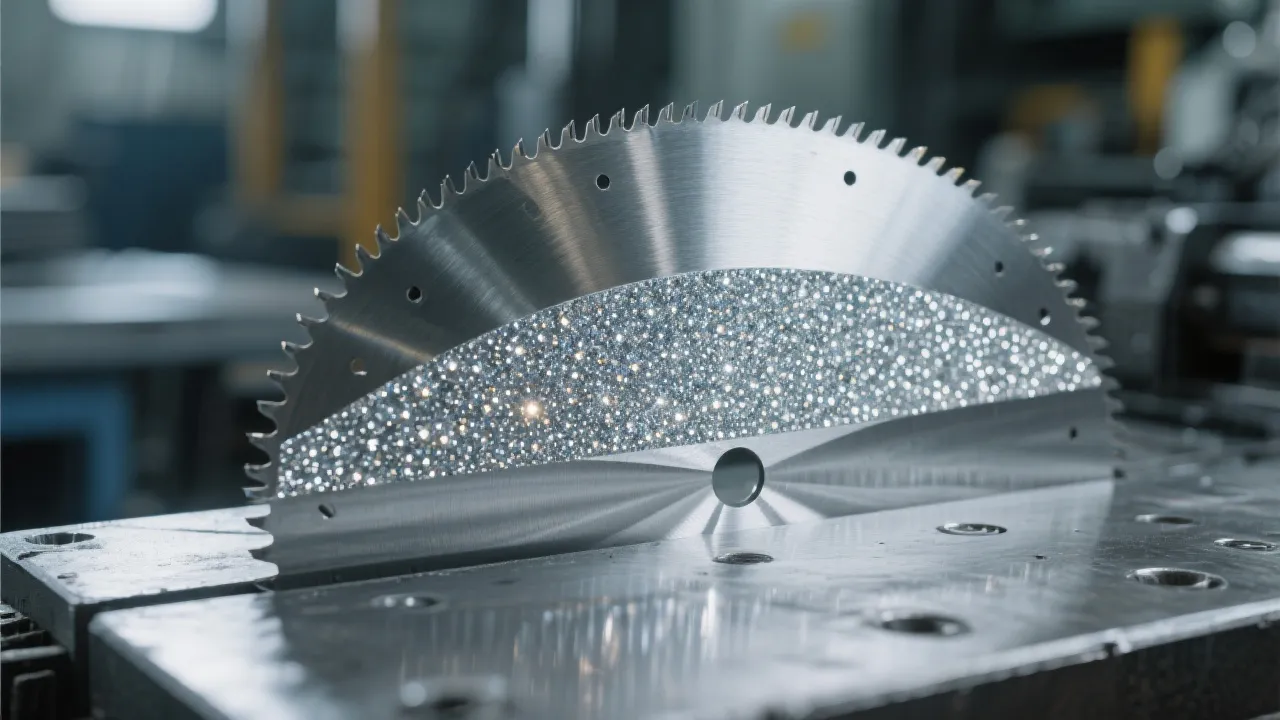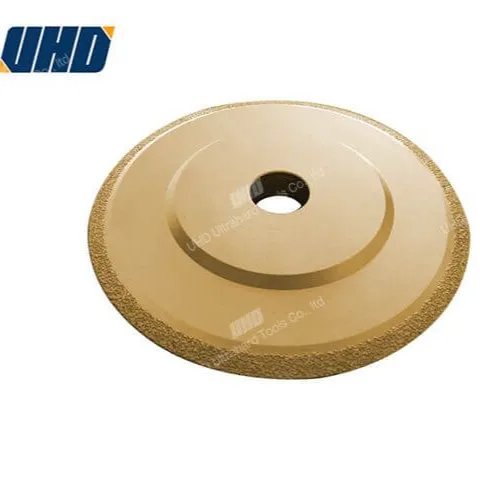
In the realm of stone processing, the selection of diamond grinding tools plays a pivotal role in determining the efficiency and quality of the work. UHD, a well - known brand in this field, offers a wide range of high - quality diamond grinding tools that are designed to meet the diverse needs of stone processing.
Diamond grinding tools are characterized by several key parameters, including particle size, concentration, and matrix hardness. The particle size of the diamond abrasives directly affects the grinding efficiency and surface finish. For example, larger particle sizes are generally used for rough grinding, as they can remove material more quickly. In contrast, smaller particle sizes are suitable for fine grinding and polishing, as they can produce a smoother surface. A study shows that using a diamond grinding tool with an appropriate particle size can increase the grinding efficiency by up to 30%.
The concentration of diamond abrasives in the tool is another crucial factor. A higher concentration usually means more cutting edges, which can enhance the grinding performance. However, it also increases the cost of the tool. Therefore, a balance needs to be struck based on the specific requirements of the stone processing task. Generally, for soft stones like marble, a lower concentration may be sufficient, while for hard stones such as granite, a higher concentration is often required.
The matrix hardness of the diamond grinding tool is related to the retention of the diamond abrasives. A harder matrix can hold the diamonds more firmly, which is beneficial for grinding hard stones. On the other hand, a softer matrix allows the diamonds to be exposed more easily, which is suitable for softer stones. Selecting the right matrix hardness can significantly extend the service life of the tool.
Different stone types have different physical properties, which require different diamond grinding tools. For granite, which is a hard and dense stone, tools with a high - concentration of large - particle diamonds and a hard matrix are recommended. These tools can effectively remove the material and achieve a good surface finish. For example, UHD's granite - specific diamond grinding tools have been proven to increase the grinding speed by 25% compared to ordinary tools.
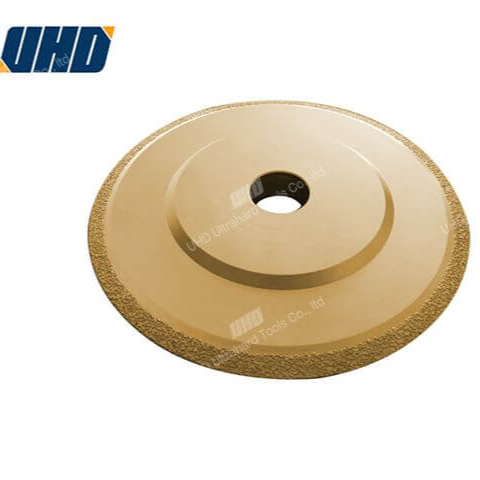
Marble, being a relatively soft stone, needs tools with a lower concentration of smaller - particle diamonds and a softer matrix. This helps to prevent over - grinding and damage to the stone surface. UHD's marble - friendly diamond grinding tools can provide a smooth and polished surface, improving the overall aesthetic of the marble products.
Artificial stones also have their own characteristics. They often require tools with a balanced combination of particle size, concentration, and matrix hardness. UHD offers a series of diamond grinding tools specifically designed for artificial stone processing, which can meet the unique requirements of this type of stone.
In the rough grinding stage, the main goal is to remove a large amount of material quickly. Tools with large - particle diamonds and high concentration are preferred. This can significantly reduce the processing time. For example, in a large - scale stone processing project, using the right rough - grinding tools can save up to 40% of the processing time.
During the fine - grinding stage, the focus is on improving the surface quality. Tools with smaller - particle diamonds are used to achieve a smoother surface. The transition from rough grinding to fine grinding should be gradual to ensure a consistent surface finish.
In the polishing stage, tools with very fine - particle diamonds are employed to create a mirror - like finish. The polishing process requires a high level of precision and patience. UHD's diamond grinding tools for polishing can achieve a high - gloss surface, enhancing the value of the stone products.
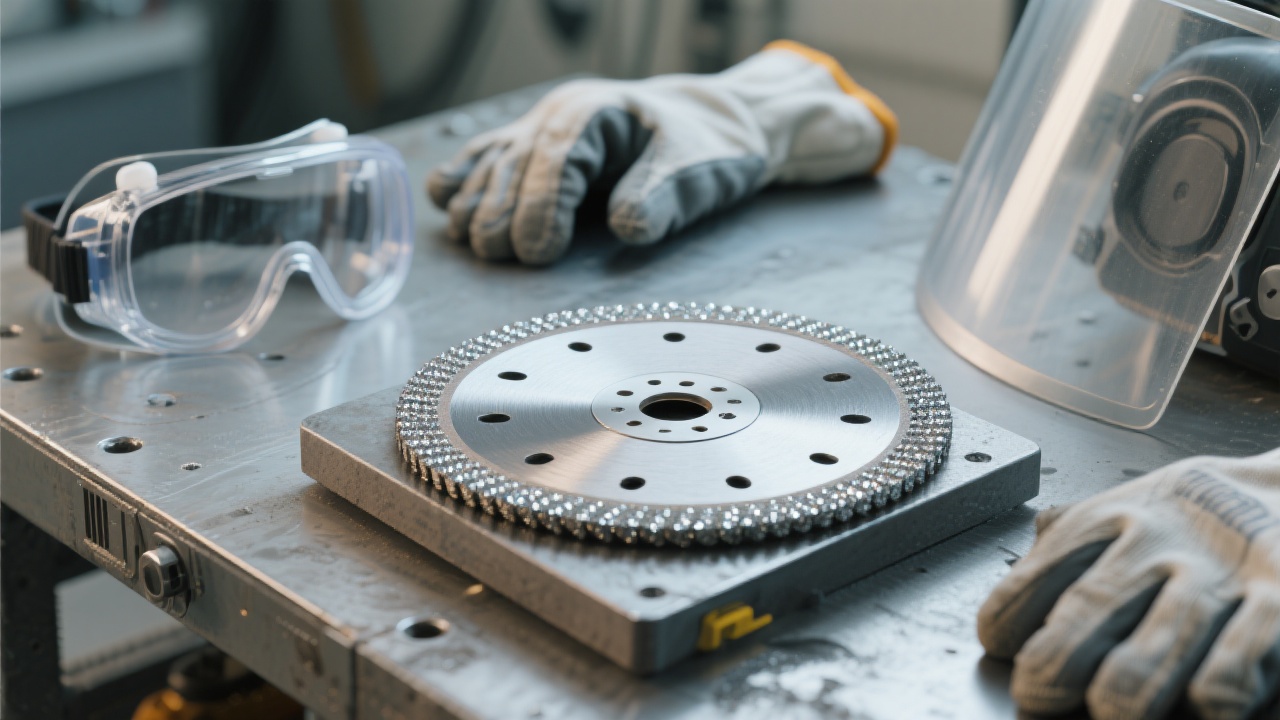
There are many cases where wrong tool selection has led to poor grinding results. For instance, using a tool with a too - hard matrix for soft stones can cause excessive wear on the tool and damage to the stone surface. By analyzing these typical cases, stone processing practitioners can gain a better understanding of the importance of correct tool selection.
Comparing the performance of different tool selections in these cases can also help users make more informed decisions. For example, in a case where a wrong tool was used for granite grinding, the grinding efficiency was only 60% of what it could have been with the right tool.
On - site debugging is an important part of using diamond grinding tools. By observing the grinding process, users can adjust the tool parameters such as speed, pressure, and feed rate. This can optimize the grinding performance and improve the surface quality. For example, adjusting the speed of the grinding machine can reduce the occurrence of surface scratches.
UHD provides users with detailed technical support and on - site debugging guidance. With the help of UHD's experts, users can quickly solve problems and improve the efficiency of their stone processing operations.
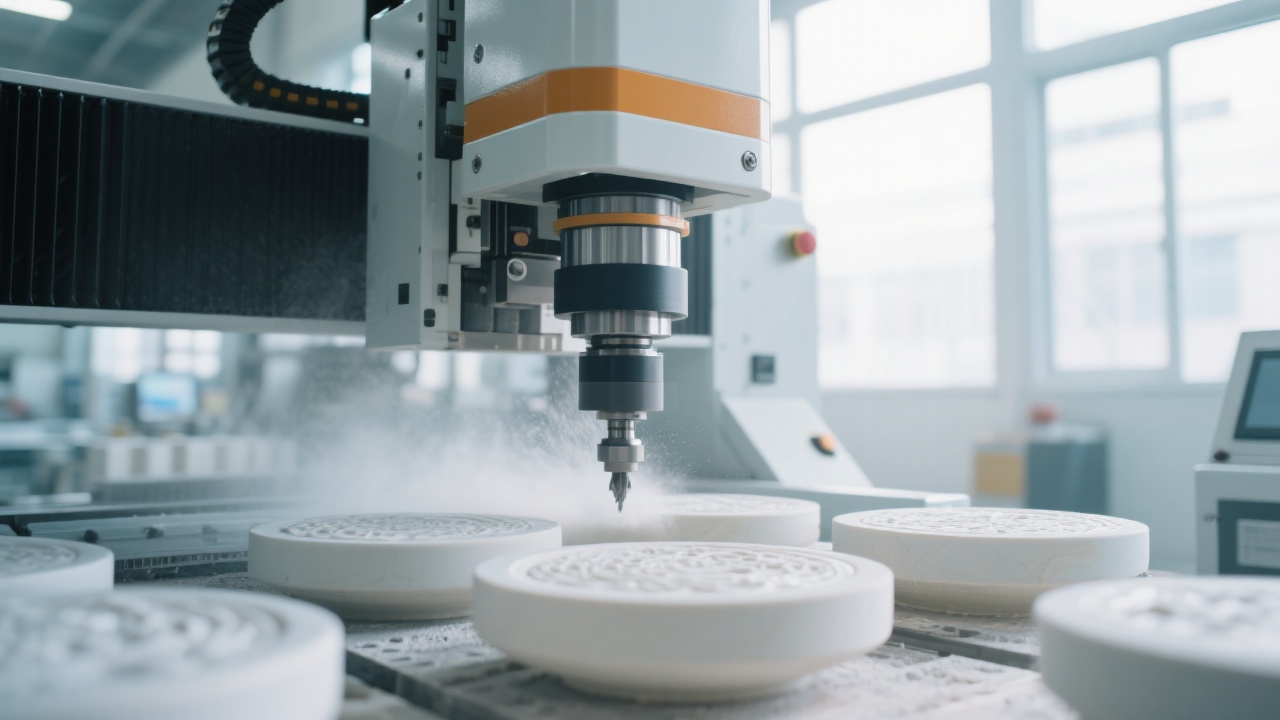
In conclusion, the selection and application of diamond grinding tools in stone processing are complex but crucial tasks. UHD's high - quality diamond grinding tools, combined with the right selection principles and application techniques, can help stone processing practitioners achieve better results, increase efficiency, and extend the service life of the tools. If you are looking for reliable diamond grinding tools for your stone processing business, click here to explore UHD's product range.
.png?x-oss-process=image/resize,h_1000,m_lfit/format,webp)