In the industrial machining sector, choosing the right tools is crucial for achieving high - quality results and cost - effectiveness. UHD Ultrahard Tools Co., Ltd, a leading high - tech enterprise in the field of super - hard materials tools, understands the significance of this decision. This guide aims to help industrial customers evaluate diamond tools against traditional grinding tools from multiple perspectives.
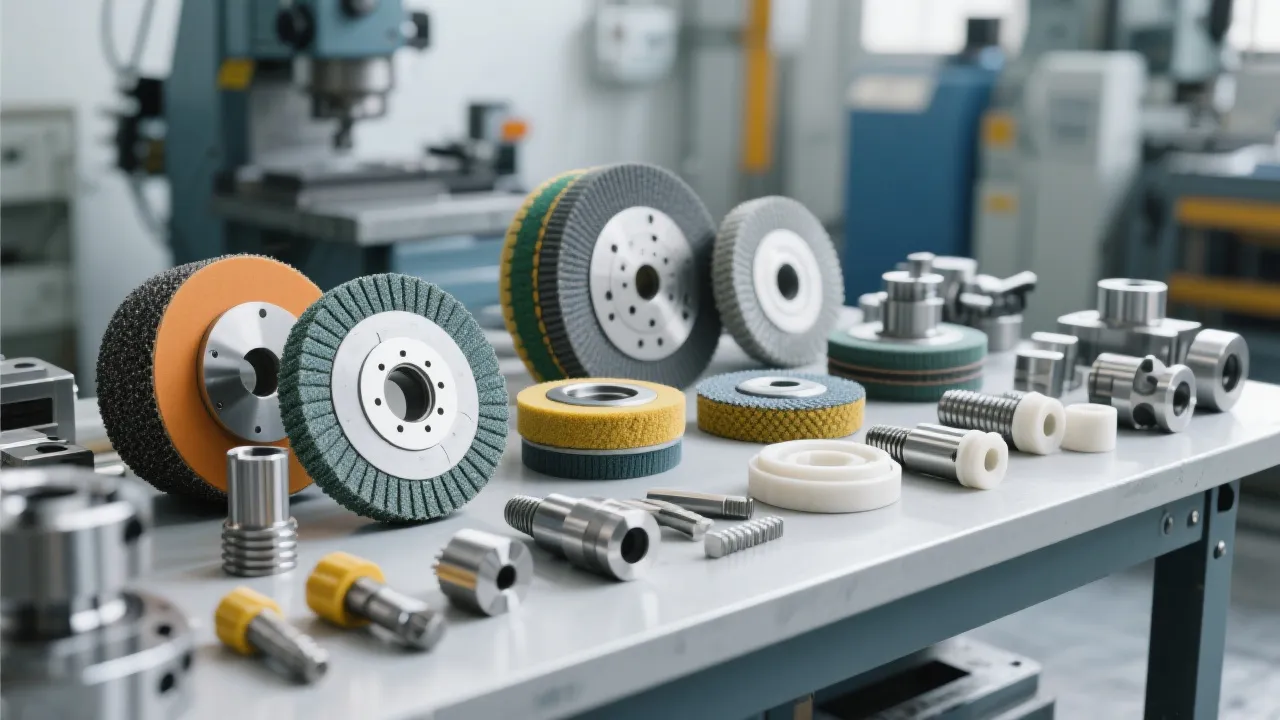
Diamond tools are highly suitable for machining hard and brittle materials such as ceramics, glass, and certain high - hardness metals. Their high hardness and wear resistance allow for efficient cutting and grinding. On the other hand, traditional grinding tools are more versatile in handling a wider range of materials, including softer metals and plastics, but may not perform as well on extremely hard substances.
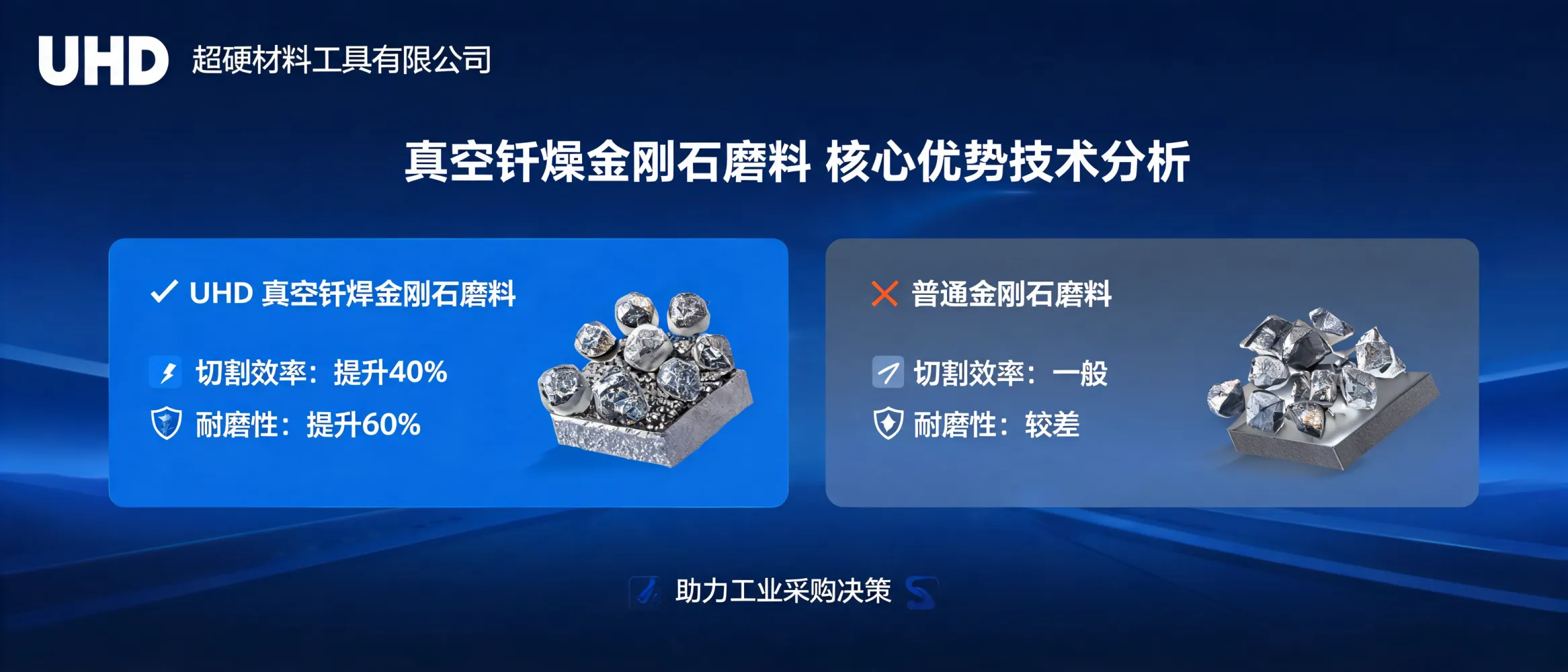
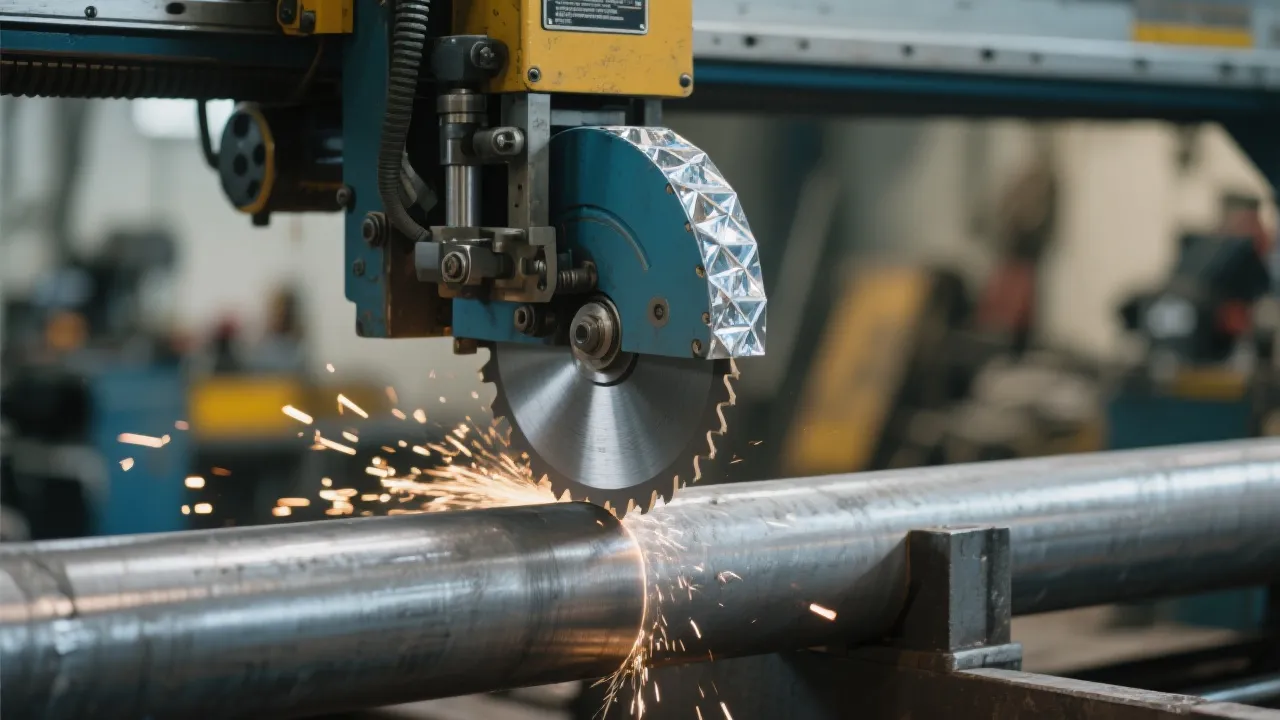
Diamond tools generally offer higher machining efficiency. Their sharp cutting edges and high - speed cutting capabilities can significantly reduce machining time. Traditional grinding tools, however, may require more passes to achieve the same level of material removal, which could lead to longer production cycles.
When it comes to durability, diamond tools have a clear advantage. They can maintain their cutting performance for a longer period, reducing the frequency of tool replacement. Traditional grinding tools may wear out more quickly, especially when used on hard materials, which can increase tooling costs in the long run.
Diamond tools typically produce a better surface finish on the workpiece. Their fine cutting edges can create smoother surfaces with less surface roughness. Traditional grinding tools may leave some minor scratches or unevenness, which might require additional finishing processes.
Diamond tools usually require less maintenance. They are less likely to be damaged during normal use, and their long - term performance is relatively stable. Traditional grinding tools may need more frequent dressing and calibration to maintain their cutting performance.
While the initial cost of diamond tools is generally higher than that of traditional grinding tools, considering their longer service life, higher machining efficiency, and better surface quality, they may result in lower comprehensive operating costs in large - scale production. Traditional grinding tools, with their lower upfront cost, may seem attractive at first, but the cumulative cost of frequent replacements and additional finishing processes should also be taken into account.
UHD Ultrahard Tools Co., Ltd is committed to providing industrial customers with high - quality super - hard material tools and comprehensive product solutions. By understanding the differences between diamond tools and traditional grinding tools, customers can make more informed decisions based on their specific machining requirements.

.png?x-oss-process=image/resize,h_1000,m_lfit/format,webp)