
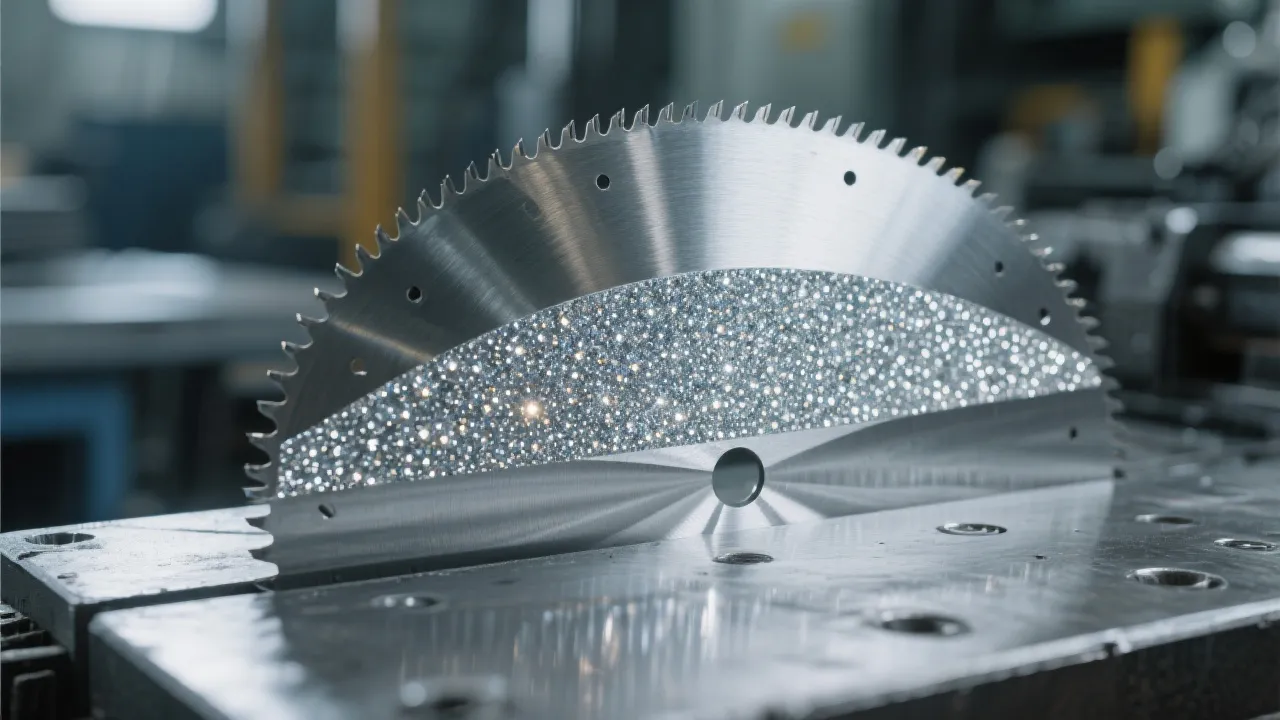
In the glass and ceramic processing industry, achieving consistent cutting performance while minimizing dust and labor intensity remains a top challenge for manufacturers worldwide. Traditional blades often fail under high-stress conditions—leading to frequent replacements, poor surface finish, and unsafe working environments.
At a leading tile manufacturing facility in Southeast Asia, engineers replaced their standard tungsten carbide blades with our brazed diamond saw blade model 400. Over three months of continuous operation, the new blade delivered:
“We used to change blades every day,” said Mr. Li, a senior operator at the plant. “Now we only replace them once a week—even during peak production.”
| Parameter | Recommended Setting | Why It Matters |
|---|---|---|
| Cutting Speed (RPM) | 3,500–4,000 RPM | Prevents overheating and premature wear |
| Feed Rate (mm/min) | 150–200 mm/min | Balances throughput and blade life |
| Coolant Type | Water-based emulsion | Reduces thermal stress and improves dust control |
Workers reported a noticeable decrease in physical strain—not just from fewer blade changes but also from smoother cuts that require less manual force. One technician noted: “The blade doesn’t chatter or bind like before—it’s almost like it knows where to go.”
For safety-conscious operations, integrating this blade with a basic ventilation system can reduce airborne particulates by up to 60%, meeting OSHA standards in many regions without costly upgrades.
Even with advanced technology, some issues arise:
Pro Tip: Always test the blade on scrap material first—especially when switching between different types of ceramics or tempered glass.
If you're tired of wasted time, inconsistent results, and health risks from excessive dust, it's time to rethink your tooling strategy.
.png?x-oss-process=image/resize,h_1000,m_lfit/format,webp)


.png?x-oss-process=image/resize,h_1000,m_lfit/format,webp)


