
As green transformation sweeps across the manufacturing sector, controlling dust emission during cutting operations has become a crucial concern. The ZS400H brazed diamond saw blade is setting new standards by combining precision slot design with material science to minimize cutting dust without sacrificing efficiency. Understanding how these design elements interact with operational conditions unlocks practical solutions for improving workplace safety and operational sustainability.
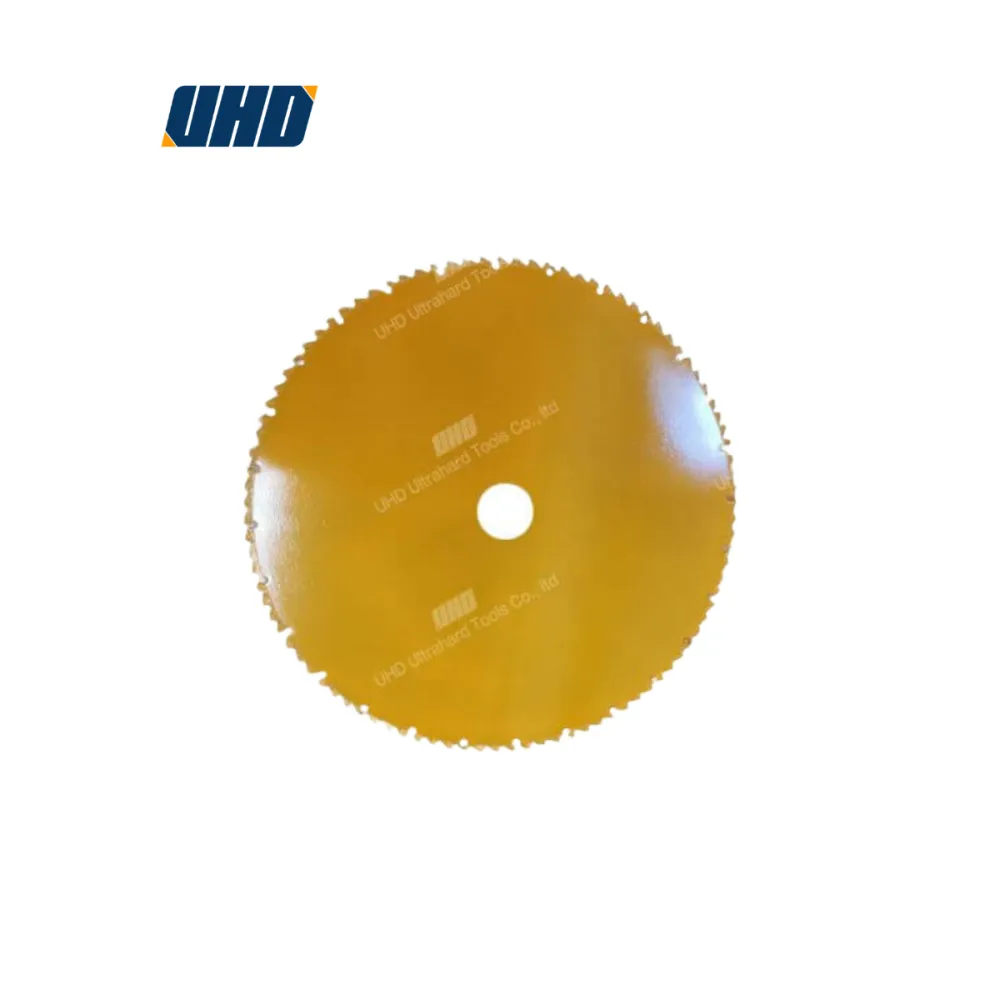
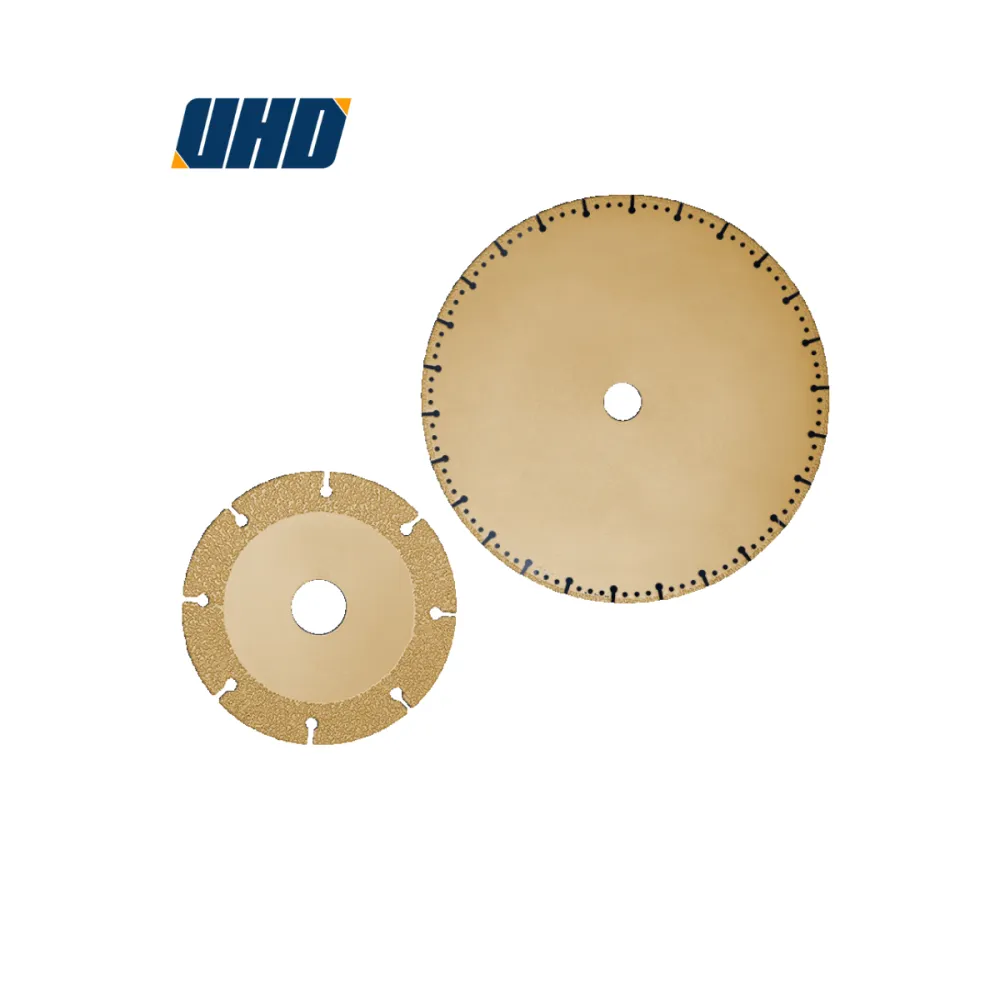
The core challenge in cutting operations lies in managing the byproducts—particularly the tiny dust particles generated during material removal. The ZS400H blade features a sophisticated chip evacuation slot architecture engineered to direct debris swiftly away from the cutting interface. This prevents the accumulation of chips that otherwise cause increased friction, heat buildup, and excessive dust dispersion.
Technically, the slots are precision-ground with angled gullets that channel waste chips through optimized pathways, maintaining a clear cutting zone. This continuous evacuation reduces contact between hot chips and the blade body, hence lowering airborne particulate emission by nearly 40-50% compared to conventional blades without this design, based on recent field measurements.
Another vital contributor is the strategic placement of high-purity diamond grains on the blade edge. The dense and uniform diamond layout increases cutting precision and reduces unnecessary grinding of material, which is a major dust source.
By minimizing inefficient abrasion, the ZS400H saw blade reduces thermal load and particulate generation during operation. Independent lab tests indicate that this design approach can cut down fine dust emission by up to 35% compared to blades with lower diamond density.
| Cutting Method | Dust Emission | Operational Benefits |
|---|---|---|
| Dry Cutting | Higher dust levels, approx. 40-55 mg/m³ | No coolant, simpler setup, faster blade changes |
| Wet Cutting | Significantly reduced dust, below 20 mg/m³ | Coolant reduces heat and dust, longer blade life |
Understanding these differences is essential for manufacturers seeking to tailor their processes. While wet cutting offers superior dust suppression, certain materials or workflows necessitate dry cutting, where specialized blade design like the ZS400H can mitigate the increased dust risks.
To fully leverage high-performance blades and reduce airborne dust, consider the following operational tips:
“Manufacturers adopting optimized saw blades with intelligent slot design have reported up to a 45% reduction in particulate matter in their indoor air quality tests,” states Dr. Emily Zhang, Industrial Hygiene Expert at GreenTech Consulting.
- Source: 2023 Green Manufacturing Insights Report
Dust pollution not only compromises workplace health but also affects regulatory compliance and operational sustainability. Your facility may face similar challenges—could optimized saw blade technology be the next step in your green manufacturing strategy?
.png?x-oss-process=image/resize,h_1000,m_lfit/format,webp)

.png?x-oss-process=image/resize,h_1000,m_lfit/format,webp)


