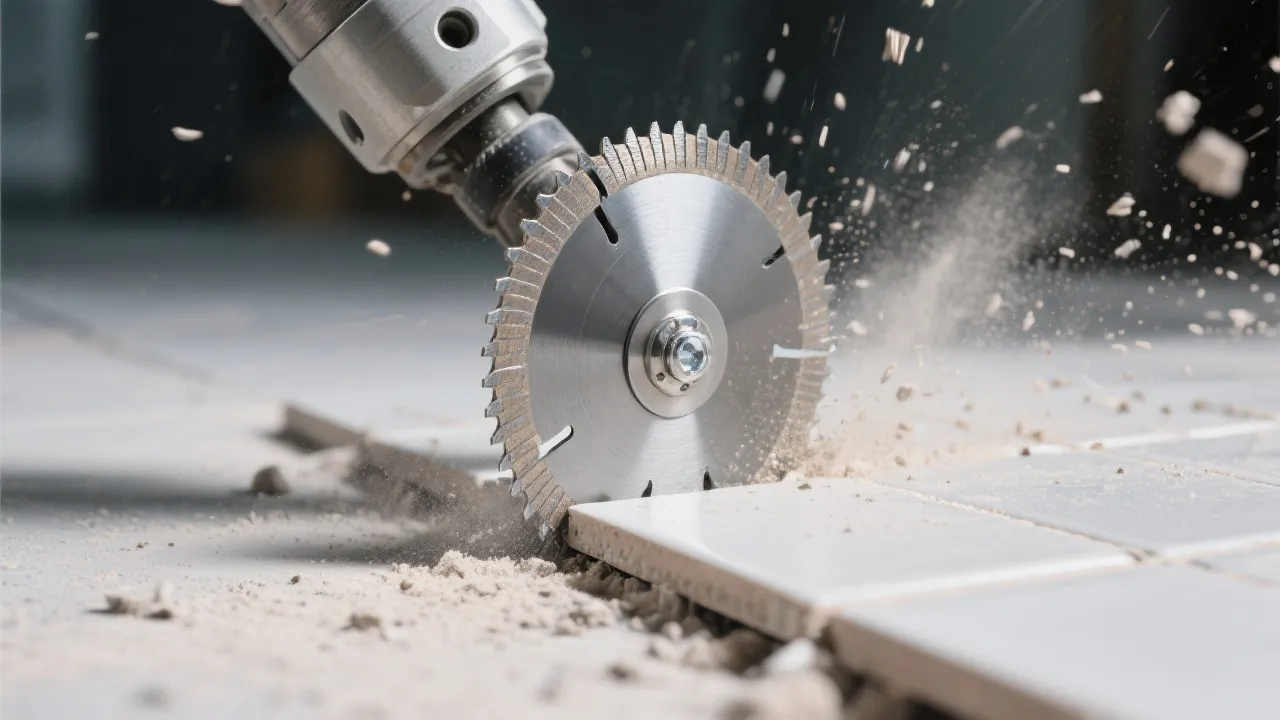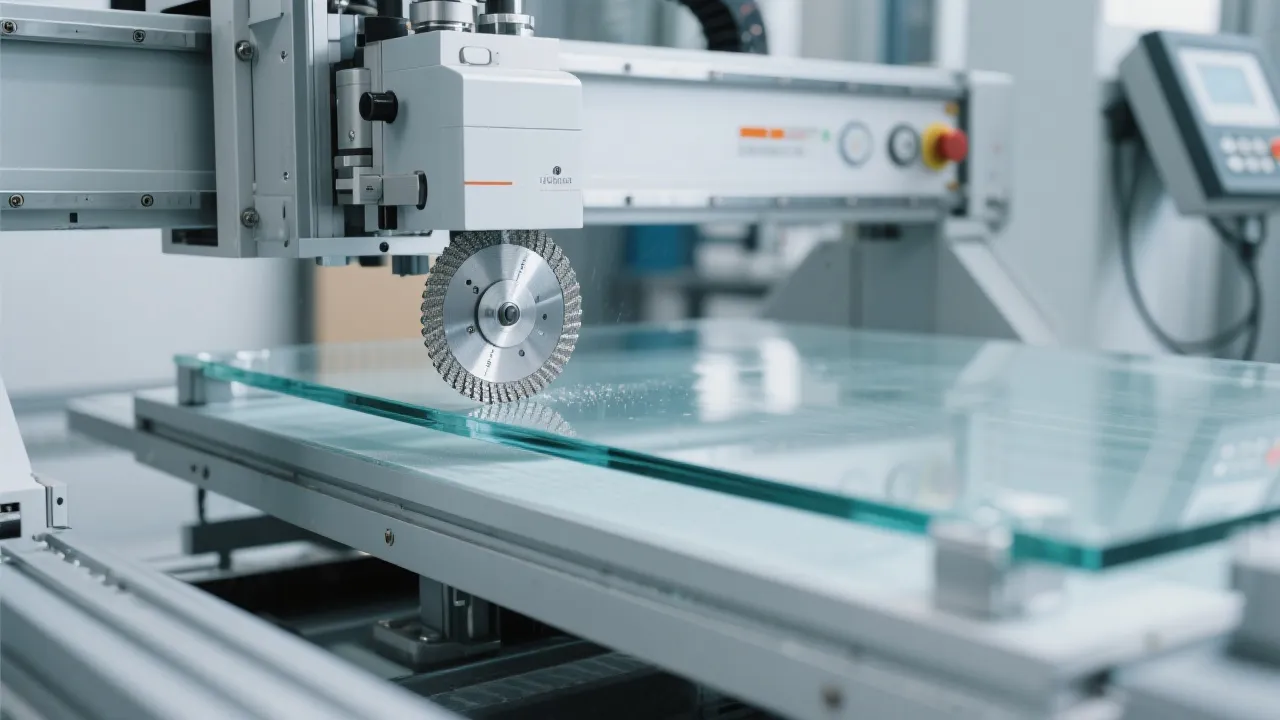
In the manufacturing industry, cutting glass and ceramics has always been a challenging task. Their unique physical properties, such as high hardness and brittleness, pose significant obstacles to the cutting process. This article will delve into the material characteristics of glass and ceramics, analyze the stress distribution and crack propagation mechanisms during cutting, and provide practical solutions to improve cutting accuracy and efficiency.
Glass and ceramics are well - known for their high hardness. On the Mohs scale, glass typically has a hardness of 5.5 - 7, while ceramics can range from 7 - 9. This high hardness makes them resistant to abrasion but difficult to cut. At the same time, their brittleness means that they are prone to cracking and chipping during the cutting process. For example, when using traditional cutting tools, the high stress concentration can easily cause the material to break, resulting in low cutting quality and high waste rates.
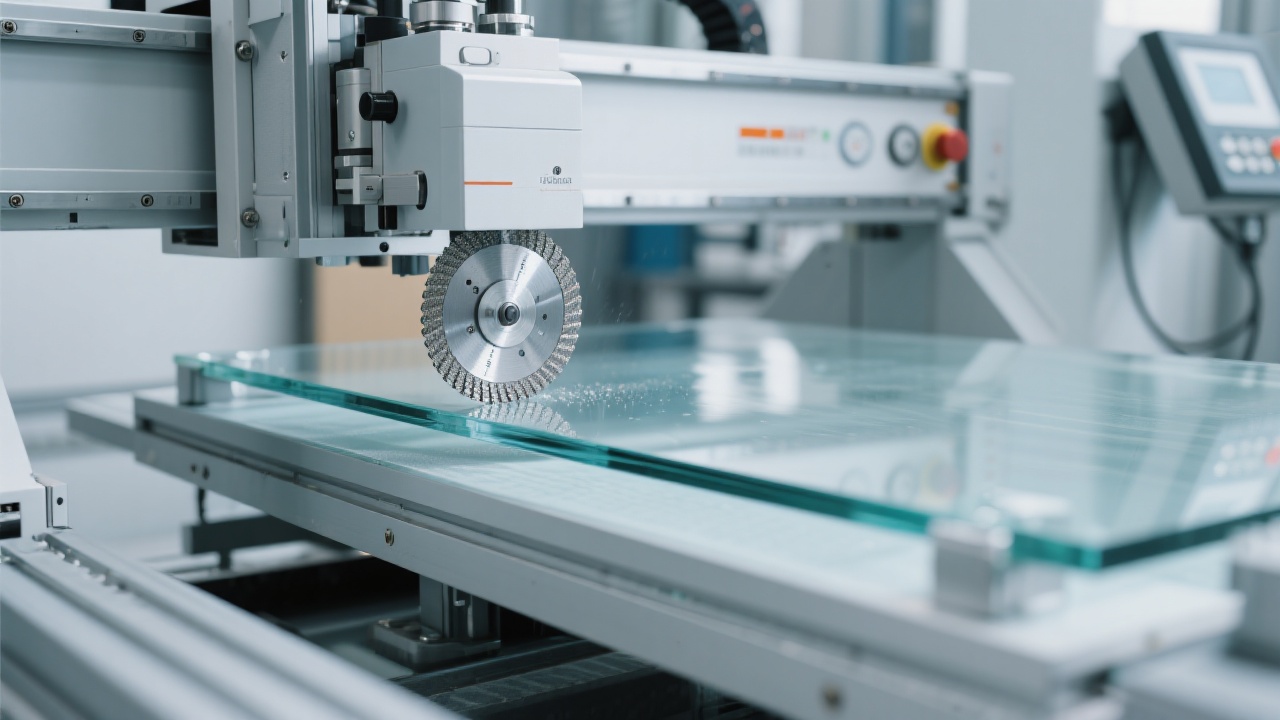
During the cutting process, the stress distribution on the glass and ceramic materials is complex. The cutting force generates both compressive and tensile stresses. When the tensile stress exceeds the material's strength, cracks will start to form and propagate. According to research, the crack propagation speed can reach several meters per second in some cases. Understanding these mechanisms is crucial for reducing the occurrence of cracks and improving cutting quality.
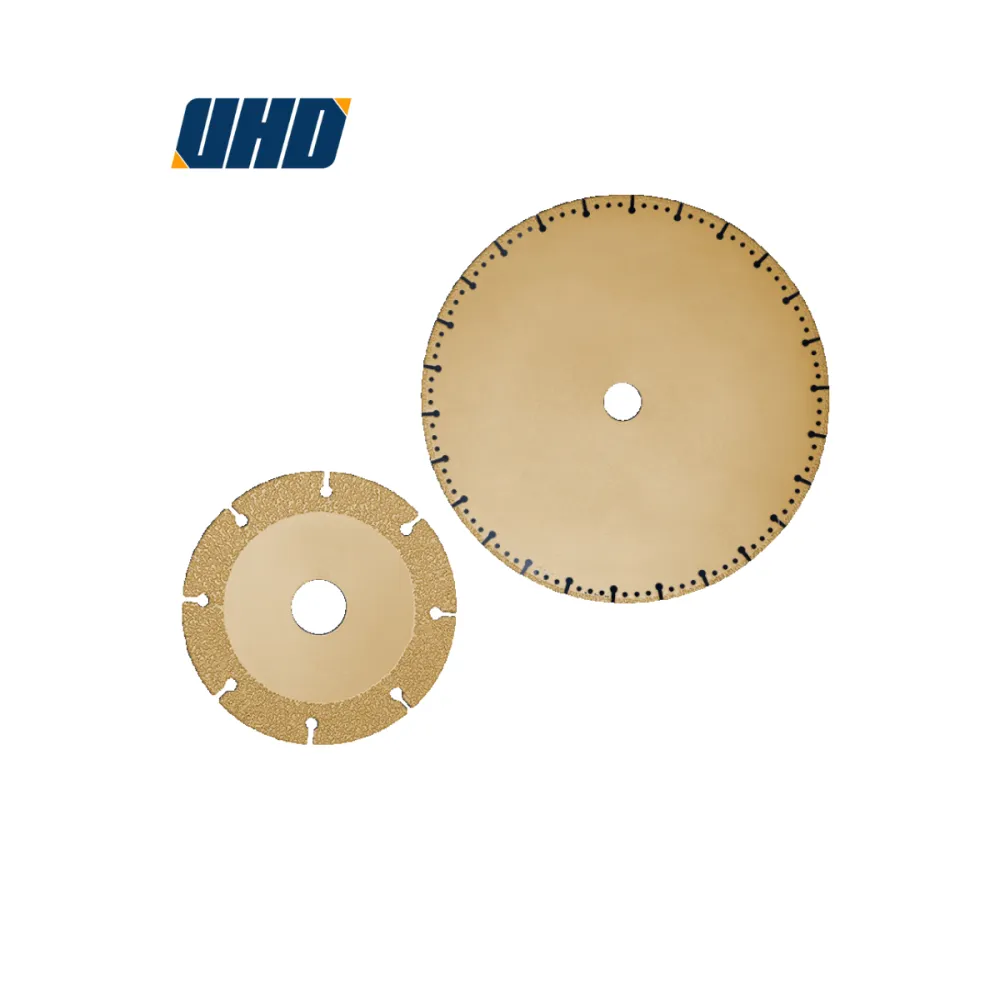
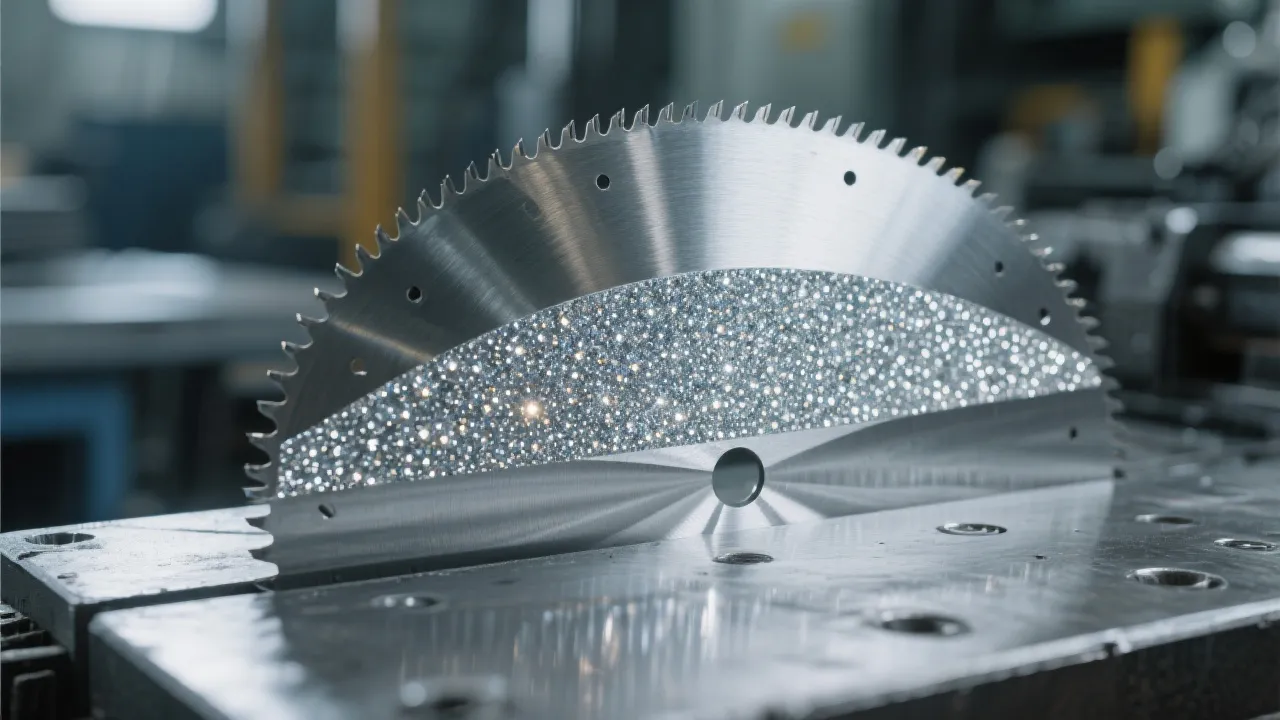
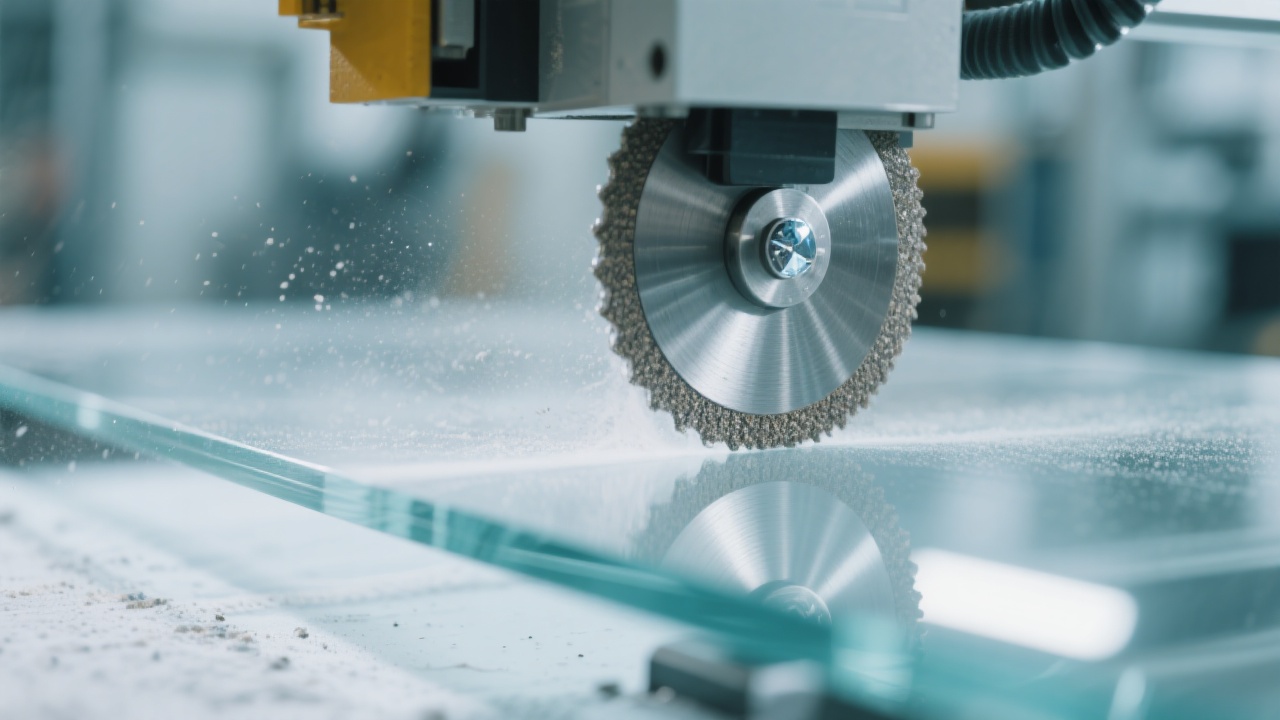
To overcome the challenges of cutting glass and ceramics, choosing the appropriate cutting tools is essential. Brazed diamond saw blades are a popular choice due to their high hardness and wear resistance. Diamond has a hardness of 10 on the Mohs scale, making it ideal for cutting high - hardness materials. Different types of diamond saw blades are designed for different materials and cutting requirements. For example, for thin glass, a blade with a fine - grained diamond can provide a smoother cut, while for thick ceramics, a blade with a coarser diamond may be more suitable.
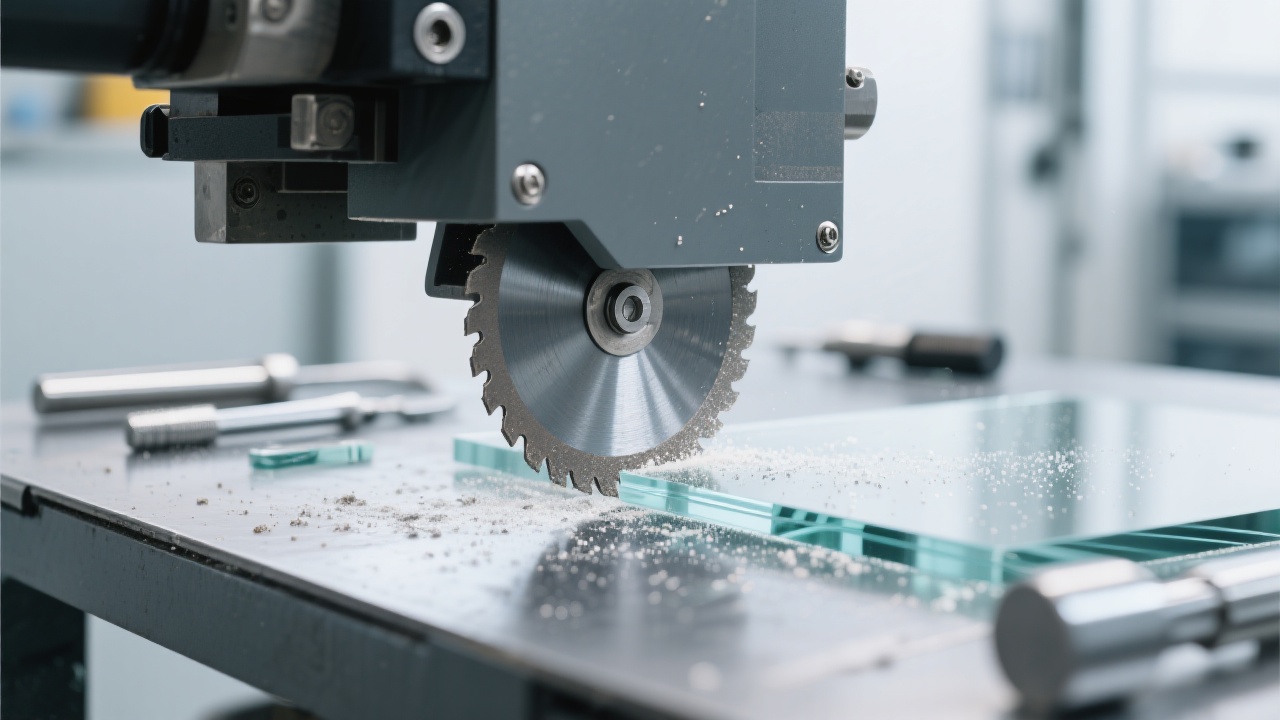
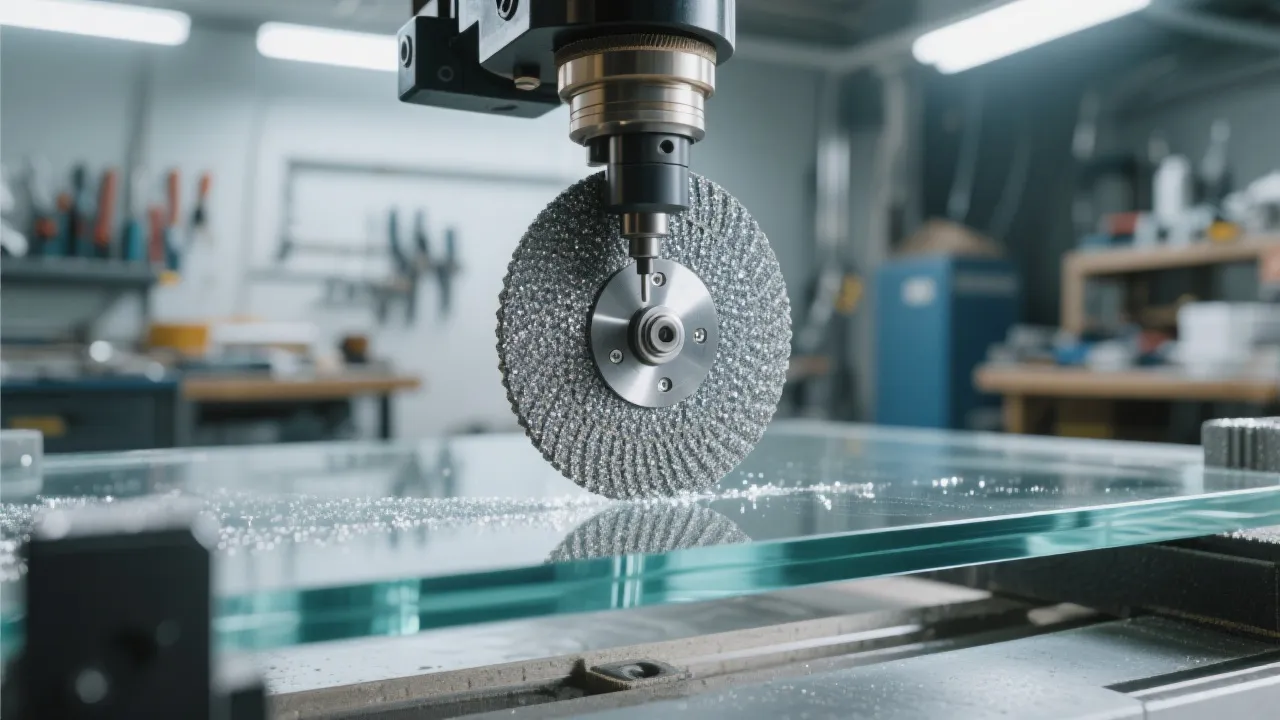
Cutting parameters such as feed speed, rotational speed, and cooling method have a significant impact on the cutting process. Generally, a lower feed speed can reduce the cutting force and the risk of cracking. A rotational speed of 3000 - 5000 RPM is often recommended for glass and ceramic cutting. Additionally, proper cooling can not only reduce the temperature during cutting but also flush away the debris, improving the cutting surface quality. Water - based coolants are commonly used in this process.
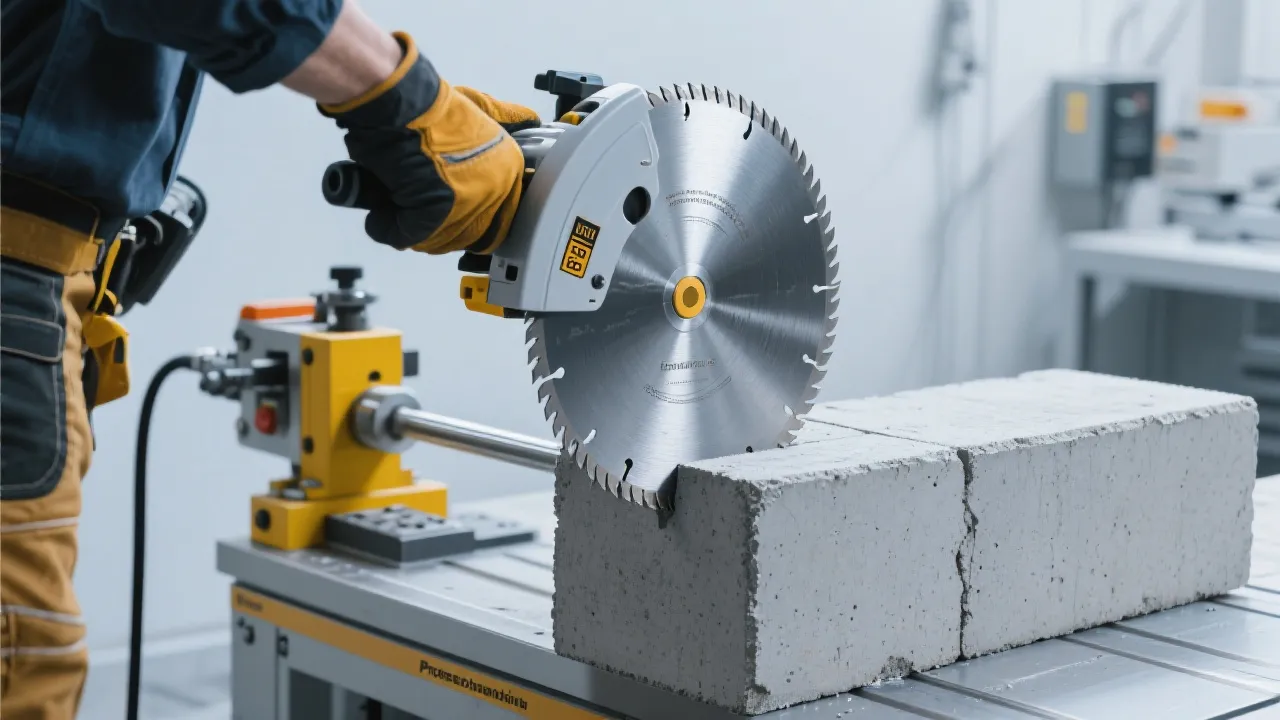
In practical operations, there are several skills that can help reduce chipping, extend tool life, and improve surface finish. For example, using a pre - scoring technique can create a controlled crack path, reducing the risk of random cracking. Regularly dressing the cutting tool can also maintain its cutting performance. Moreover, proper clamping of the workpiece can ensure stable cutting and reduce vibration.
Cutting glass and ceramics generates a significant amount of dust, which can be harmful to the environment and human health. Therefore, effective dust control measures are necessary. Installing dust collectors and using proper ventilation systems can help keep the workplace clean and safe. Industry standards recommend that the dust concentration in the workplace should be below 10 mg/m³ to protect workers' health.
In conclusion, cutting glass and ceramics requires a comprehensive understanding of the material properties, cutting mechanisms, and appropriate tool selection. By optimizing cutting parameters and applying practical skills, manufacturers can improve cutting efficiency, reduce waste, and ensure environmental and safety standards. To learn more about efficient cutting tool solutions, click here.
.png?x-oss-process=image/resize,h_1000,m_lfit/format,webp)
.png?x-oss-process=image/resize,h_1000,m_lfit/format,webp)