
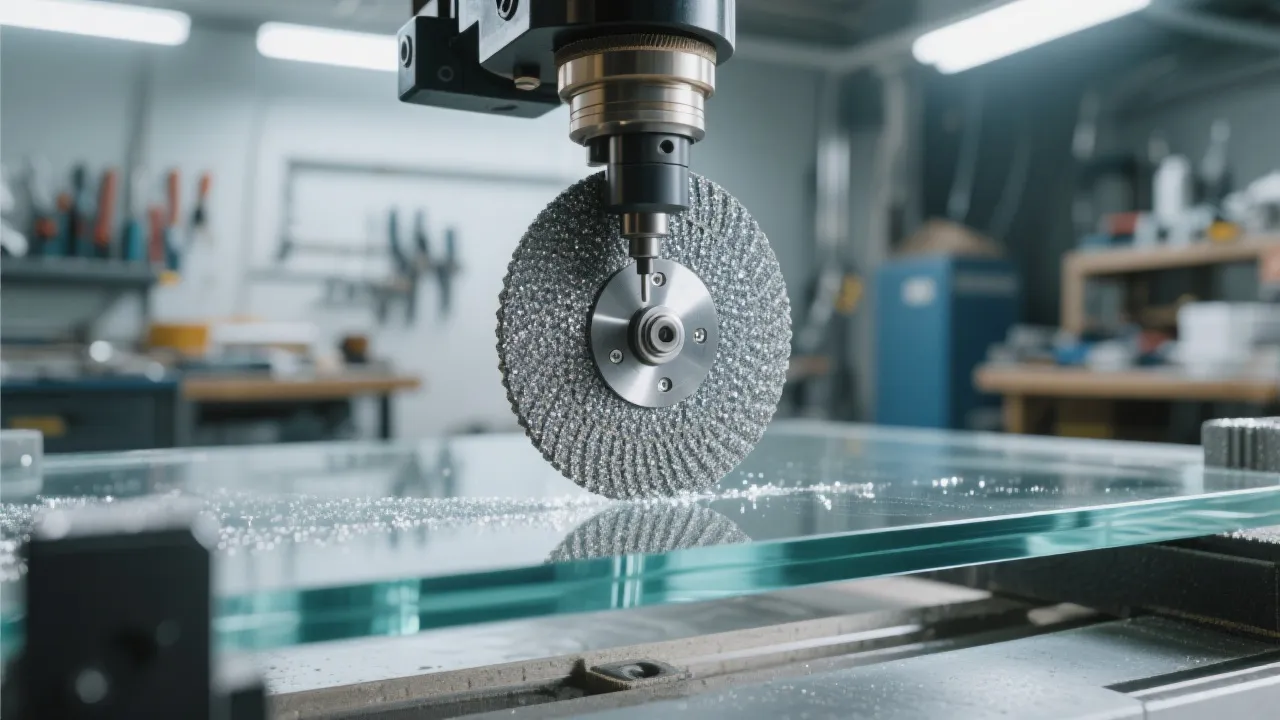
Glass and ceramic materials are widely used in various industries due to their excellent properties such as high hardness, wear - resistance, and chemical stability. However, their unique physical characteristics also pose significant challenges in the cutting process. This article aims to provide a comprehensive understanding of the cutting technologies for glass and ceramics, focusing on improving precision and reducing breakage rates.
Glass and ceramics are known for their high hardness, which is often measured on the Mohs scale. For example, common glass has a hardness of about 5.5 - 7 on the Mohs scale, while ceramic materials can range from 7 - 9, making them much harder than many metals. This high hardness means that traditional cutting tools may wear out quickly. Moreover, these materials are brittle, with a high risk of cracking and breakage during the cutting process. Studies have shown that the breakage rate in some unoptimized glass cutting processes can be as high as 15% - 20%, which significantly affects production efficiency and cost.
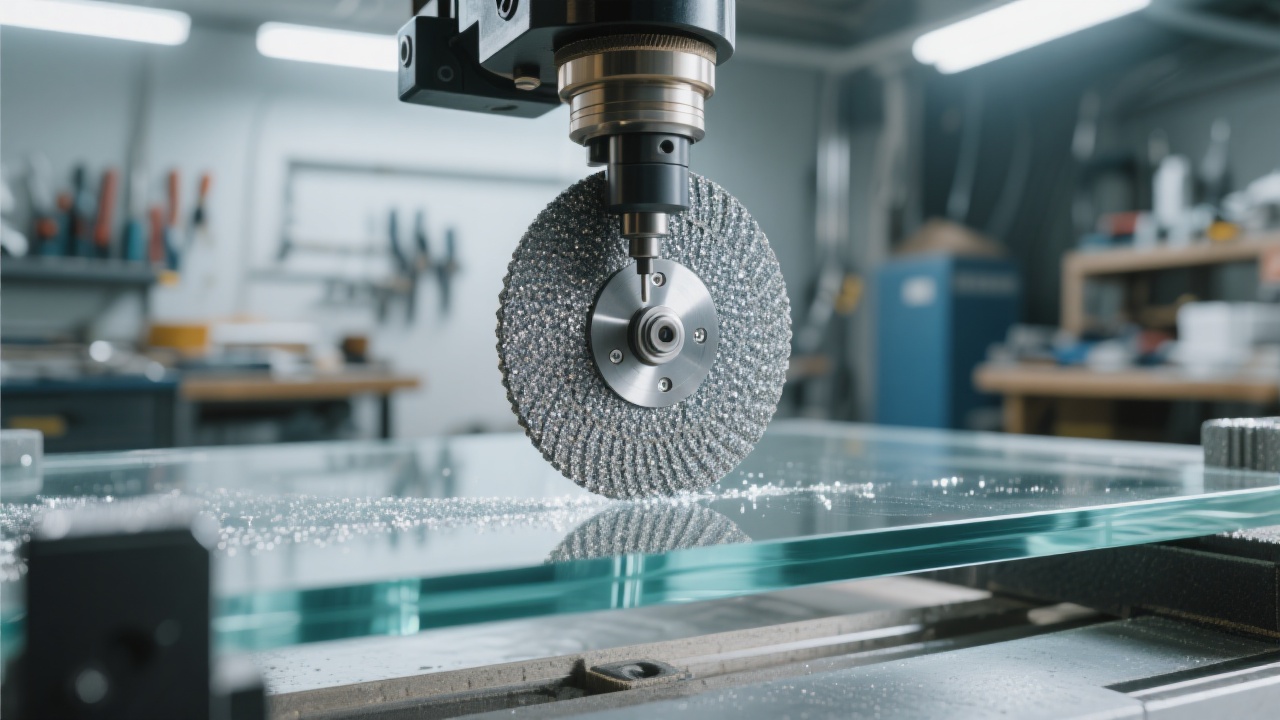
The cutting of glass and ceramics is based on certain mechanical principles. When a cutting tool acts on these materials, it generates stress. Understanding the stress distribution and propagation is crucial for achieving high - precision cutting. For instance, the use of diamond - tipped blades can effectively cut through the hard surface due to the extremely high hardness of diamond (10 on the Mohs scale). The wear mechanism of cutting tools is also an important aspect. Over time, the cutting edge of the tool will gradually wear, which can lead to a decrease in cutting precision and an increase in breakage rate. By optimizing cutting parameters such as cutting speed, feed rate, and cutting depth, the cutting efficiency and precision can be significantly improved. Research indicates that adjusting the cutting speed from 20 m/min to 30 m/min can reduce the tool wear rate by about 10% - 15% in some ceramic cutting operations.
To reduce the breakage rate of materials, operators can adopt several practical skills. One effective method is to use proper lubrication during the cutting process. Lubricants can not only reduce friction but also help to dissipate heat generated during cutting, which is beneficial for preventing thermal - induced cracks. Additionally, pre - processing the materials, such as annealing, can improve their toughness to some extent. To extend the tool life, regular maintenance and inspection are necessary. For example, cleaning the cutting tools after each use can prevent the accumulation of debris, which may accelerate wear. By implementing these skills, some manufacturers have reported a reduction in the breakage rate to less than 5% and an extension of tool life by up to 30%.
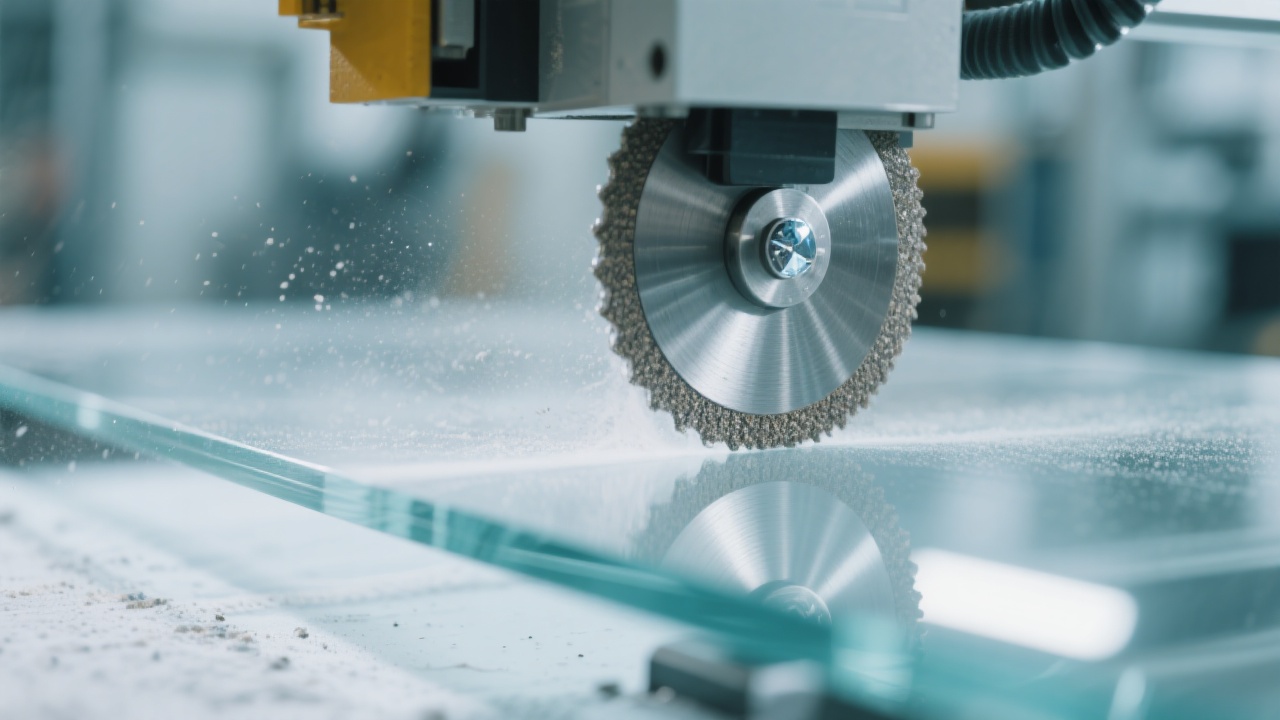
In the cutting process of glass and ceramics, dust generation is a significant concern. The fine dust particles can not only cause environmental pollution but also pose a threat to the health of workers. Therefore, dust control is essential. Installing dust collection systems can effectively capture up to 90% of the dust generated during cutting. Maintaining a clean working environment is also important for the green production of enterprises. For example, regular cleaning of the workshop floor and equipment can prevent the accumulation of dust, which is beneficial for ensuring the long - term health of workers and the stable operation of equipment.
This article uses a combination of text, graphics, and case analyses to ensure that the content is both professional and easy to understand. Each point is accompanied by practical examples and data, making it easy for engineers and technicians to apply in real - world scenarios. By understanding the core principles of cutting technologies and practical operation skills, readers can effectively improve their cutting efficiency and product quality.
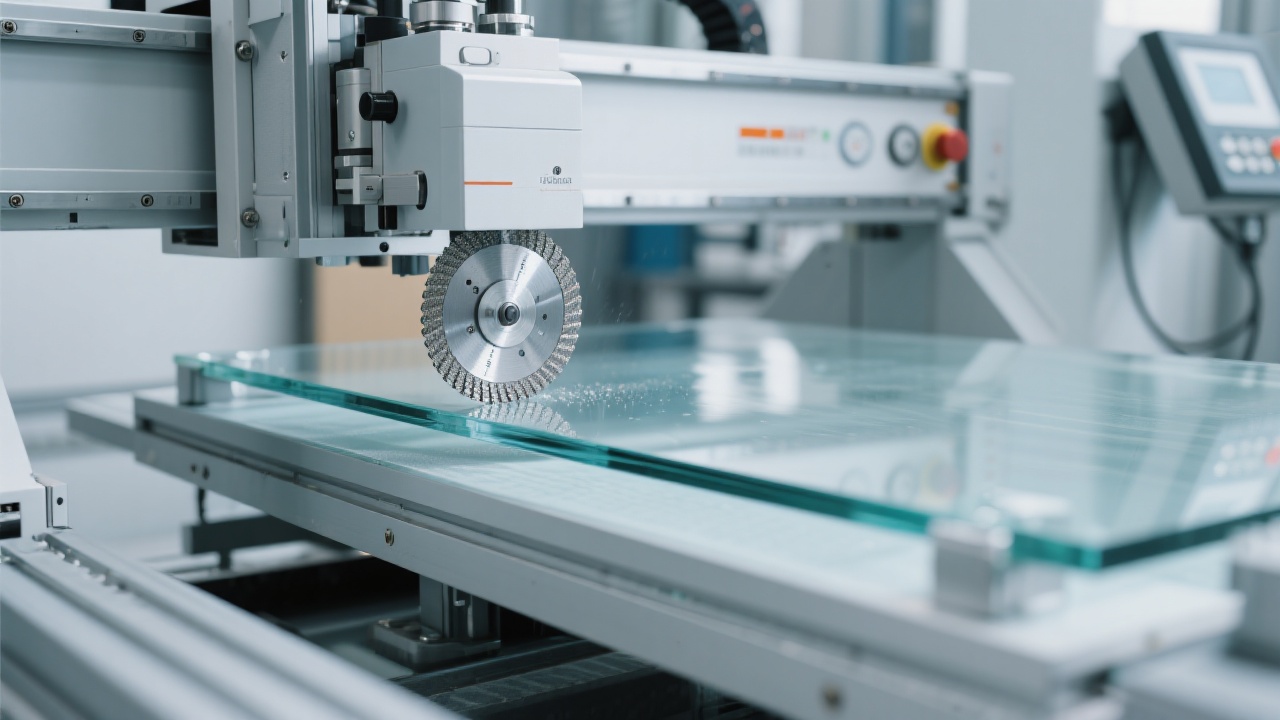
If you want to learn more about professional cutting tools and solutions to enhance your cutting results, please click here.

.png?x-oss-process=image/resize,h_1000,m_lfit/format,webp)


