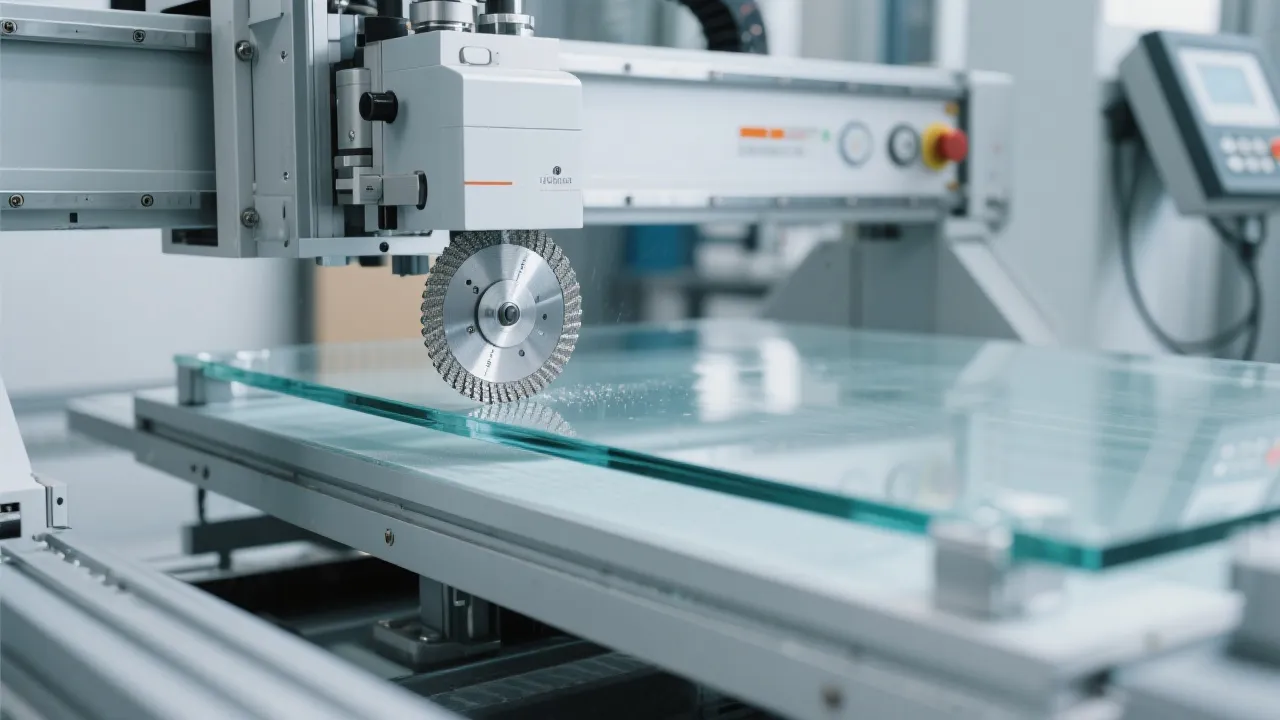
Glass and ceramic materials are widely used in industries ranging from electronics to construction due to their high hardness, thermal resistance, and aesthetic appeal. However, these same properties make them notoriously difficult to cut without causing micro-cracks or delamination—a challenge that engineers and technicians face daily.
The key lies in their brittle nature. For instance, glass typically has a flexural strength of around 30–70 MPa, while advanced ceramics like alumina can exceed 400 MPa. Yet, they fracture easily under stress concentrations—especially when cutting tools apply uneven pressure or operate at suboptimal speeds. According to industry data from the International Journal of Advanced Manufacturing Technology (2022), improper cutting parameters increase material waste by up to 23% in precision applications such as smartphone screens or semiconductor substrates.
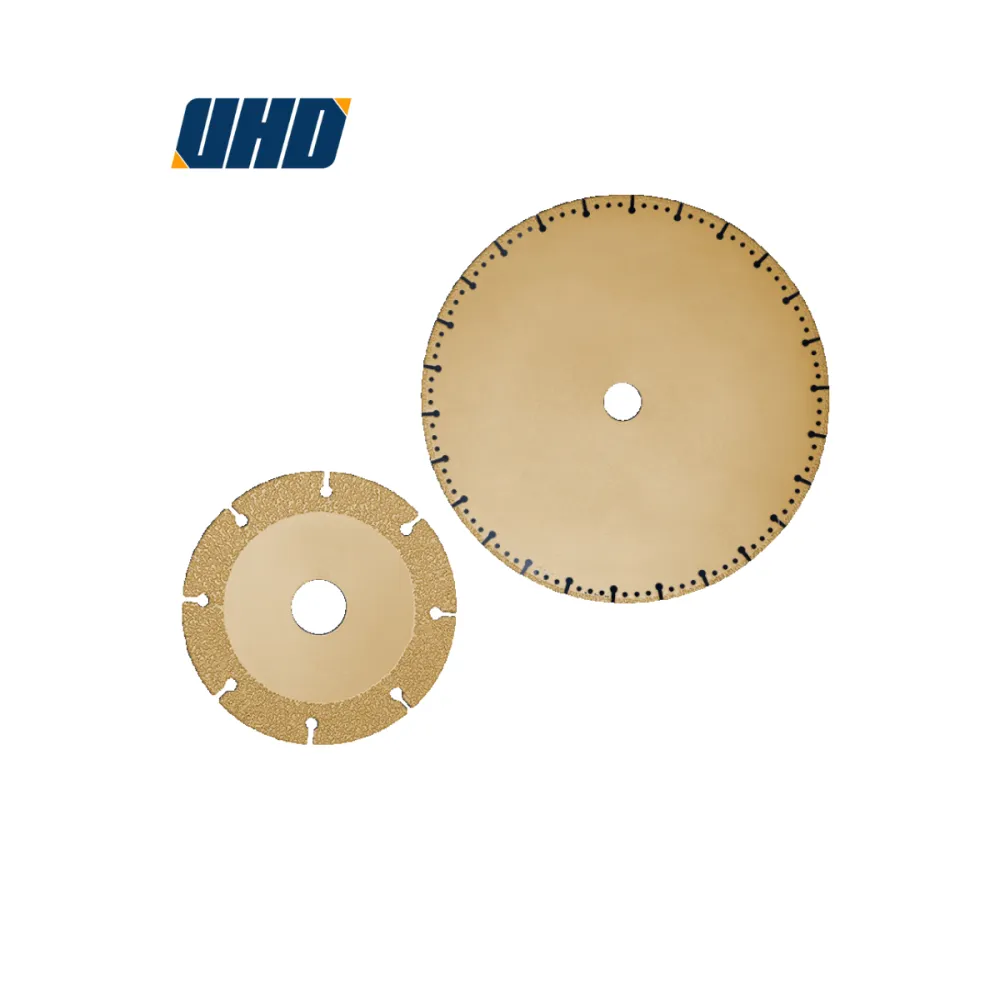
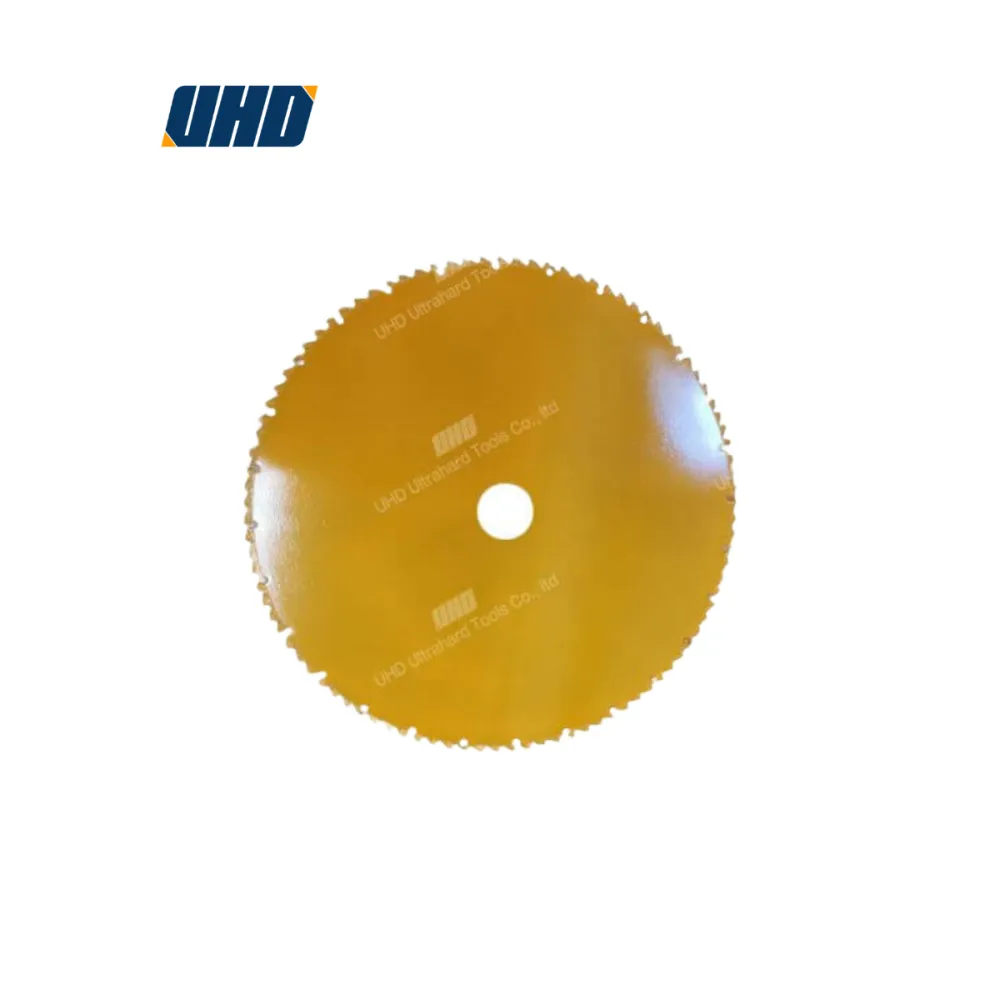
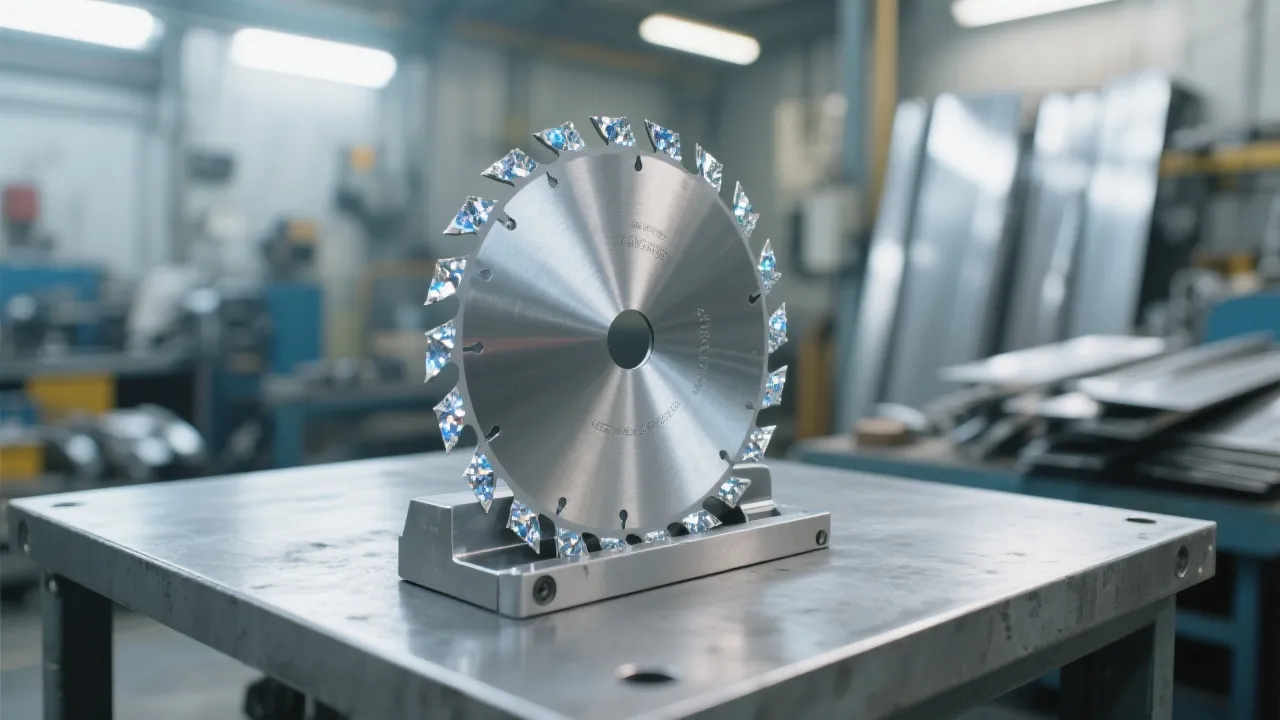
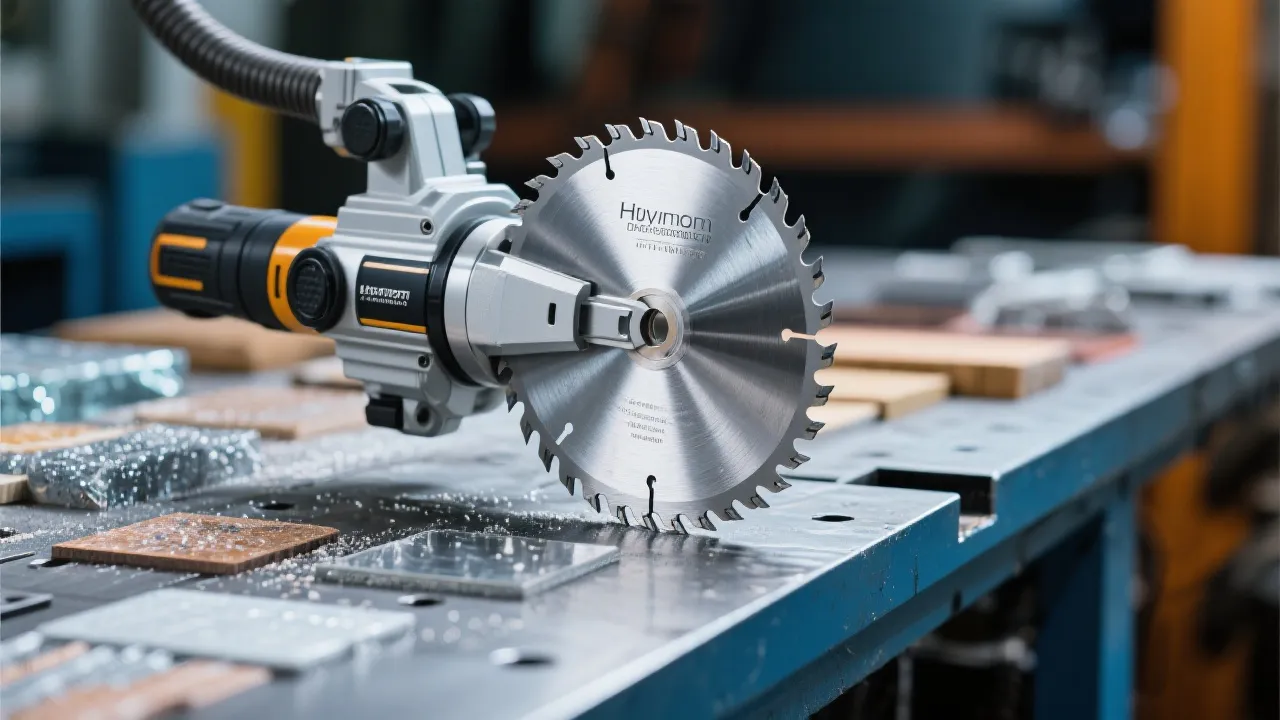
Brazed diamond blades have emerged as the gold standard for cutting ultra-hard materials. Unlike electroplated or sintered alternatives, brazed blades offer superior thermal conductivity and mechanical bonding between the diamond grit and the steel core—reducing tool wear by an average of 35% over extended use, per a study by the University of Sheffield’s Advanced Manufacturing Research Centre.
Key factors influencing blade performance include:
In practical settings, many manufacturers report significant improvements after implementing parameter tuning based on real-time vibration monitoring and laser-guided alignment systems. One case study from a German automotive glass supplier showed a 40% reduction in edge defects and a 25% increase in throughput after optimizing blade selection and coolant flow rates.
Moreover, dust control is not just about compliance—it’s critical for worker safety and machine longevity. Using wet-cutting methods with closed-loop filtration systems can reduce airborne particulate matter by over 90%, according to OSHA guidelines. This approach also extends blade life by minimizing abrasive particle accumulation on the cutting surface.
As global regulations tighten around workplace health and environmental impact, adopting eco-conscious practices isn’t optional—it’s essential. From water-based coolants to reusable blade holders, sustainable solutions are now part of the competitive advantage in high-tech manufacturing.
By focusing on precision engineering, proper tool selection, and proactive safety measures, teams can achieve both operational excellence and long-term cost savings—even in the most demanding environments.
.png?x-oss-process=image/resize,h_1000,m_lfit/format,webp)