Enhancing Gray Cast Iron Cutting Efficiency with Brazed Diamond Blades: Practical Tips and Longevity Strategies

06 02,2026
UHD
Application Tips
Are frequent saw blade replacements, poor cutting efficiency, and excessive dust hampering your gray cast iron operations? This article explores how brazed diamond blades, featuring advanced diamond grit and a thick high-manganese steel base, deliver significantly longer lifespan, greater stability, and reduced maintenance compared to traditional resin blades. By sharing actionable operating tips and addressing common mistakes, we help you boost cutting performance, ensure safer work conditions, and optimize your production environment—turning the right blade into your productivity’s silent powerhouse.
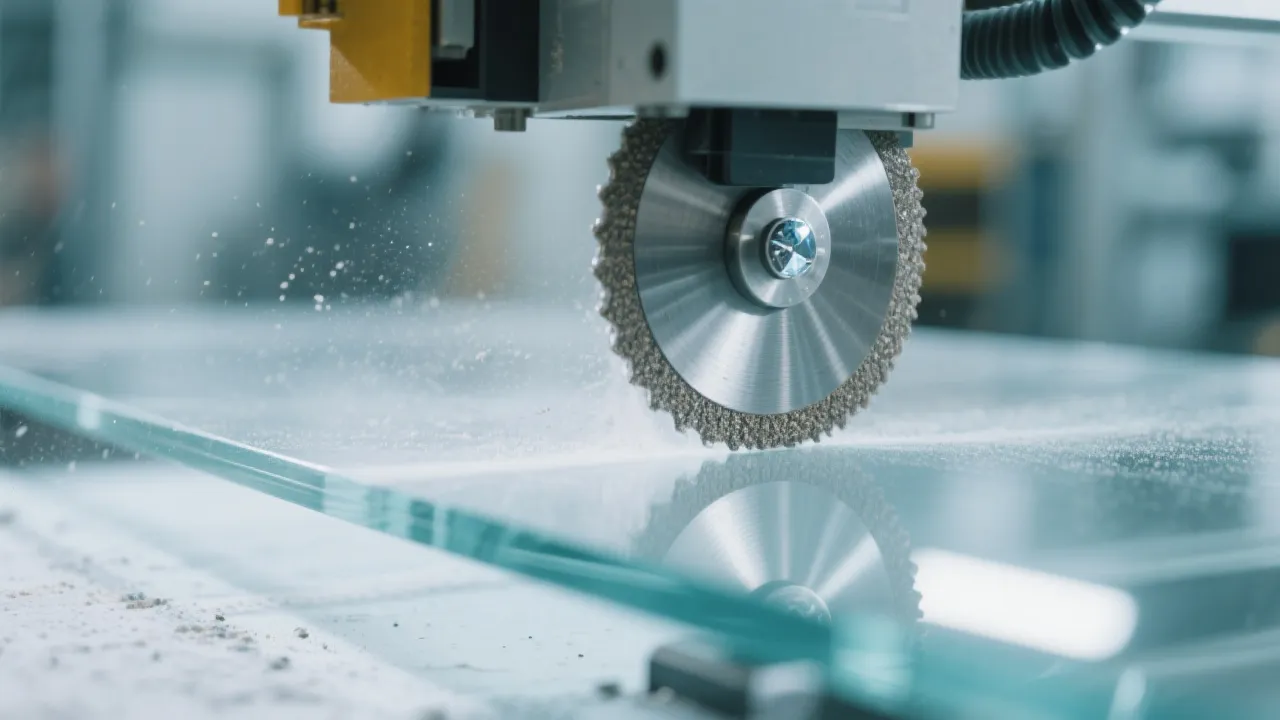
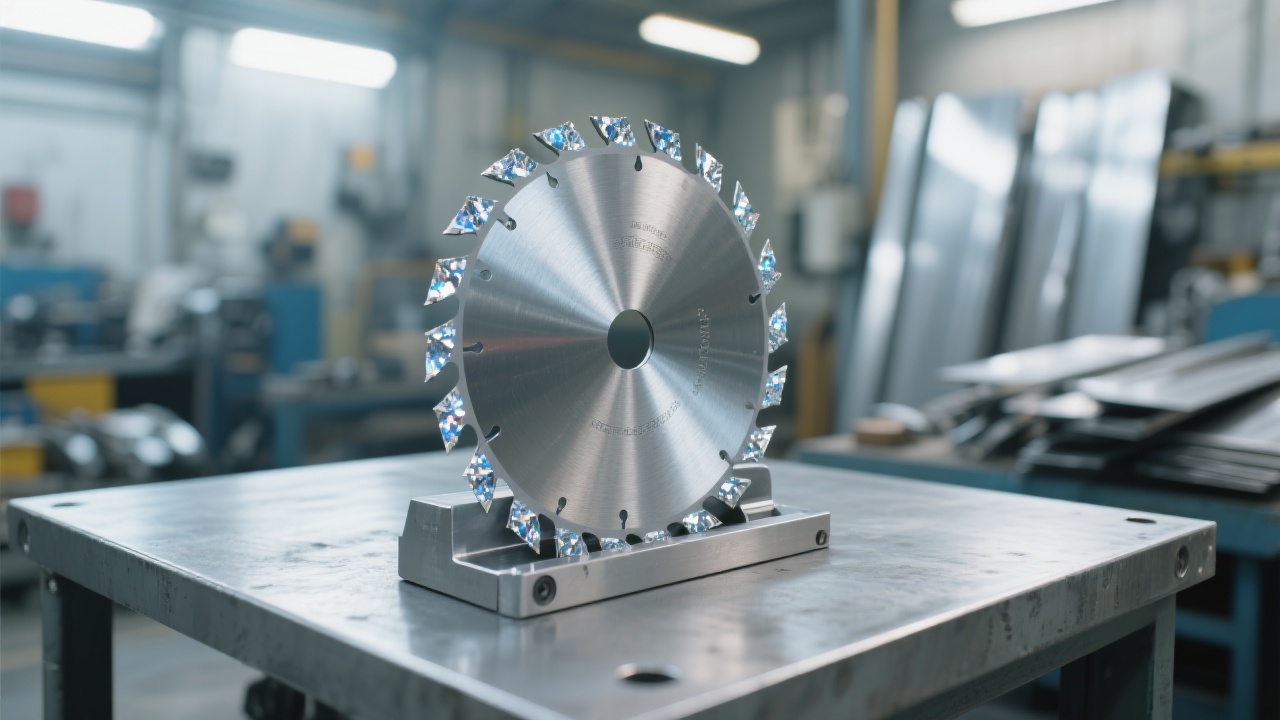
Close-up of brazed diamond blade structure showing diamond particles and manganese steel base

Why Traditional Saw Blades Struggle with Gray Cast Iron

If you've been operating in heavy industries like foundries or ceramics manufacturing, you probably recognize the costly and inefficient cycle of frequently replacing saw blades during gray cast iron cutting. Traditional resin-bonded blades, while affordable upfront, suffer from short lifespans—often requiring replacement every 20-30 hours under continuous operation—and generate excessive dust, forcing you to increase maintenance and safety efforts. These issues directly translate to downtime, inflated operational expenses, and compromised worker safety.

Breaking Down the Advantage: Brazed Diamond Blades' Structural Superiority

The core innovation lies in the brazed diamond blade’s composition: densely packed high-grade diamond particles fused onto a robust manganese steel baseplate. Unlike resin blades that rely on softer bonding materials, brazed blades maintain sharper cutting edges for significantly longer, increasing lifespan by an estimated up to 3 times compared to resin alternatives.

The manganese steel base contributes not only to durability but also to vibration dampening, which reduces blade fatigue and allows for smoother, more stable cuts—even under high-feed rates. This stability directly improves cutting accuracy and tool consistency in tough materials like gray cast iron, often characterized by abrasive graphite flakes and complex microstructures.
Close-up of brazed diamond blade structure showing diamond particles and manganese steel base

Performance Comparison: Brazed Diamond vs. Resin Bonded Saw Blades

Data collected from over 200 manufacturing plants shows that brazed diamond blades consistently outperform resin blades across key metrics:

  • Blade Lifespan: 60-90 operating hours vs. 20-30 hours (3x increase)
  • Cutting Speed: 15-25% faster feed rates without compromising cut quality
  • Dust Emission: 40% reduction in particulate matter measured in enclosed cutting environments
  • Maintenance Intervals: Extended by 2x due to reduced blade wear and fewer adjustments

These improvements unlock significant cost savings and environmental benefits. Moreover, operators report less respirable dust exposure, aligning with stricter health and safety regulations.
Graph comparing lifespan and dust emission between brazed diamond and resin blades

Optimizing Your Cut: Practical Tips to Maximize Blade Efficiency

Adopting brazed diamond blades is just the first step; knowing how to operate them optimally is key to reaping their full benefits.

  1. Feed Rate Control: Maintain steady, optimized feed rates specific to the thickness and hardness of your gray cast iron. Excessively slow speeds waste time and overheat, while too fast causes premature wear.
  2. Cooling Method: Use proper coolant – water-based coolants help dissipate heat and flush away chips efficiently, preventing blade glazing.
  3. Daily Maintenance: Inspect regularly for diamond wear and clean the blade to remove debris buildup. Lubricate machine components to avoid vibration and undue stress.

Adhering to these practices can extend blade lifespan beyond typical expectations and yield superior cut quality.

Real-World Applications Elevating Production Standards

Industries that have integrated brazed diamond blades into their cutting operations report transformative improvements:

  • Foundries: Steady cutting throughput enables daily throughput increase by up to 20%, reducing bottlenecks.
  • Ceramics Processing: Enhanced stability allows precision cuts in abrasive materials, cutting rejects by 15%.
  • Automotive Components Manufacturing: Reliable blade life reduces machine downtime, improving OEE (Overall Equipment Effectiveness).

These benefits coincide with environmental compliance efforts due to lowered operational dust and noise levels.
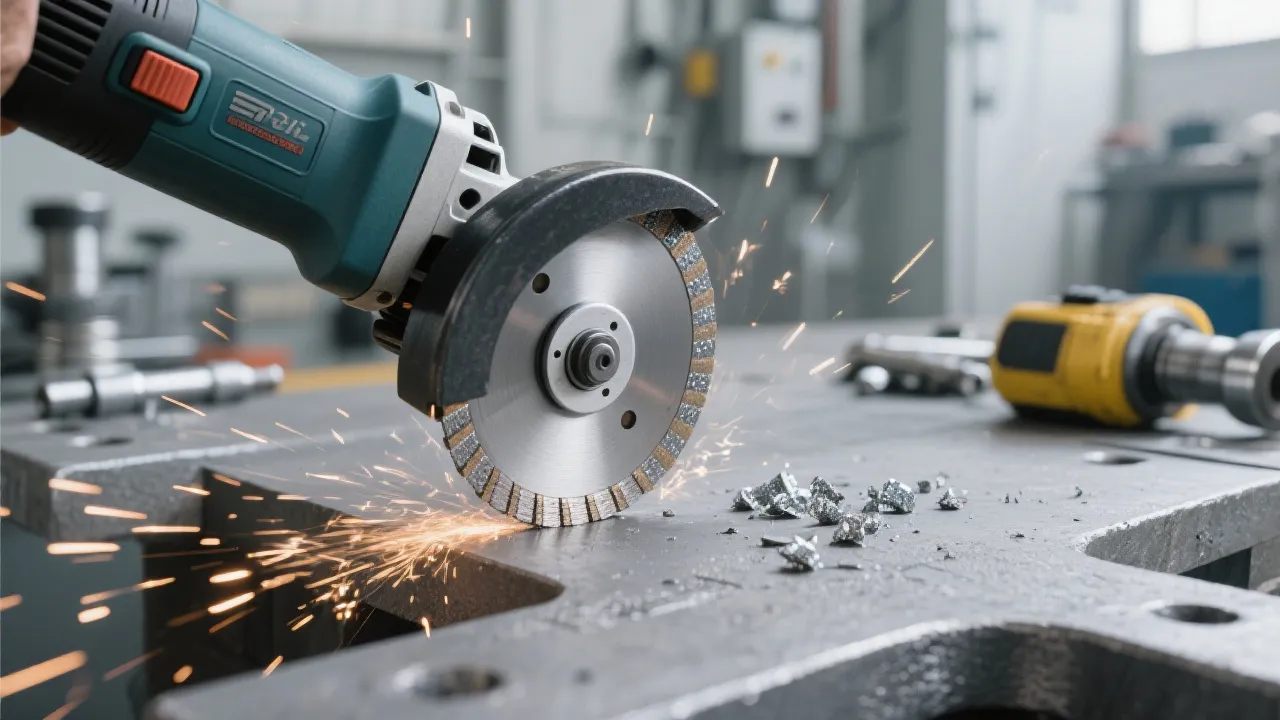
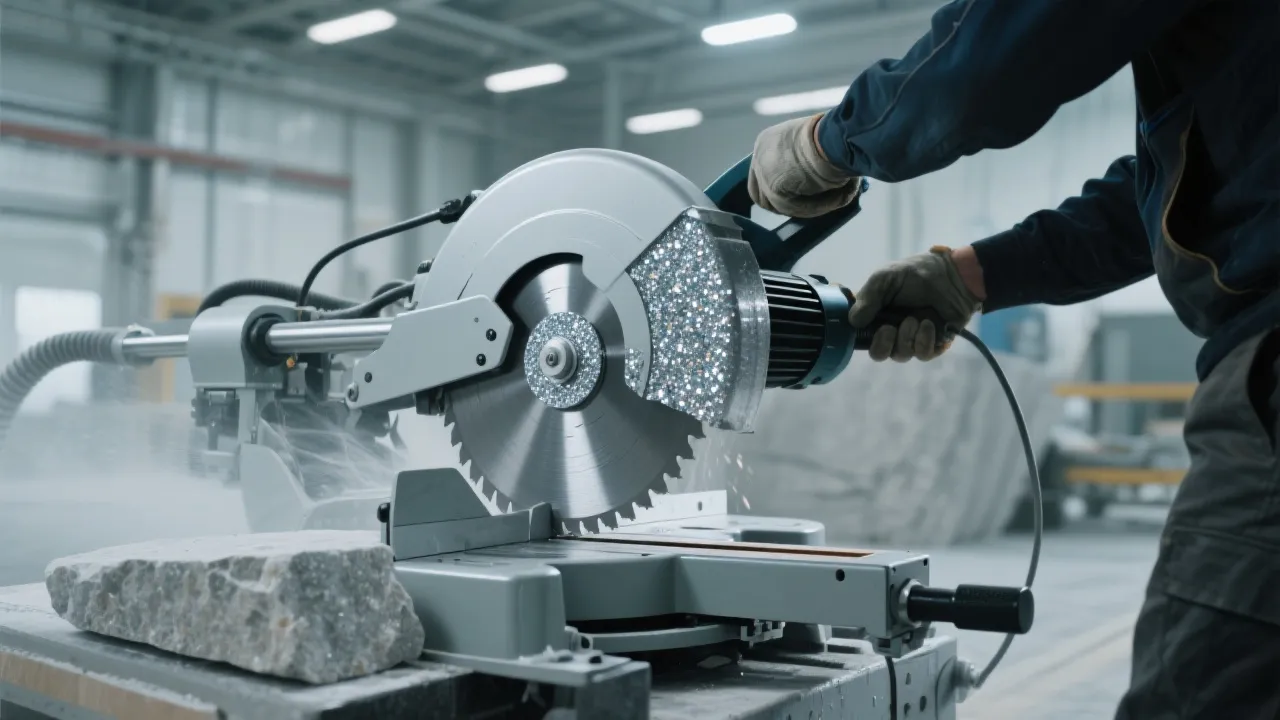
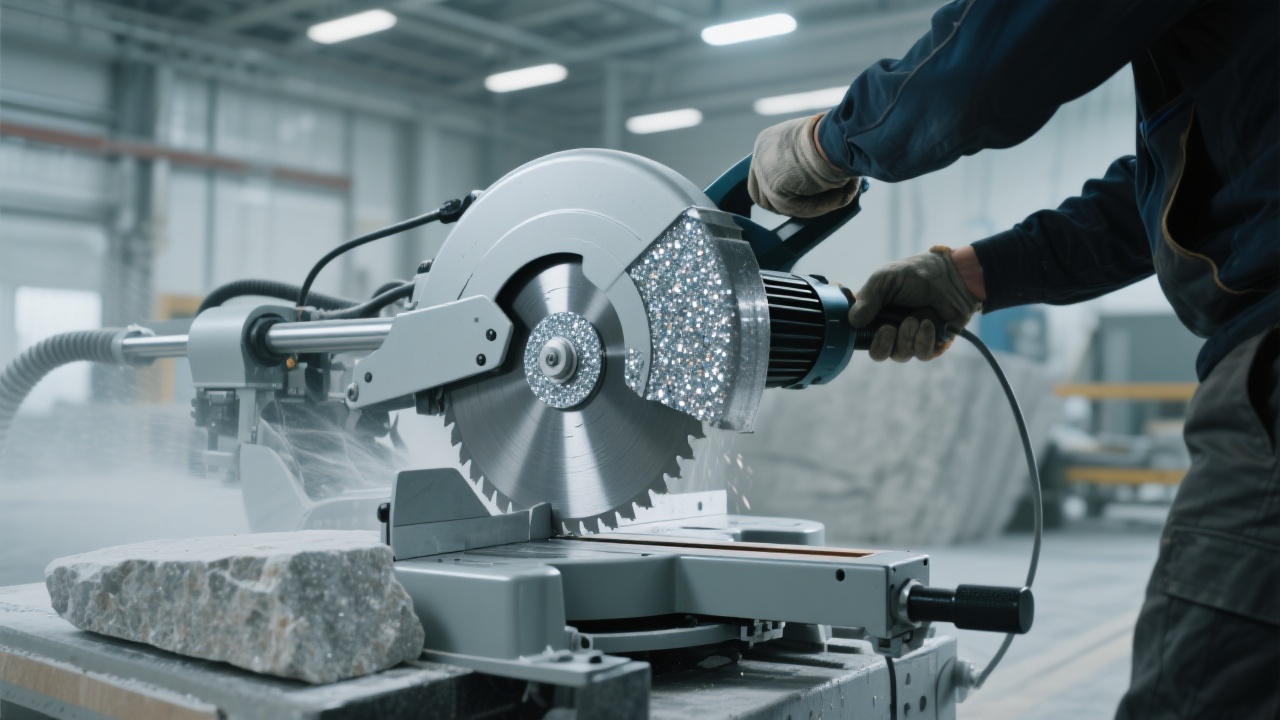
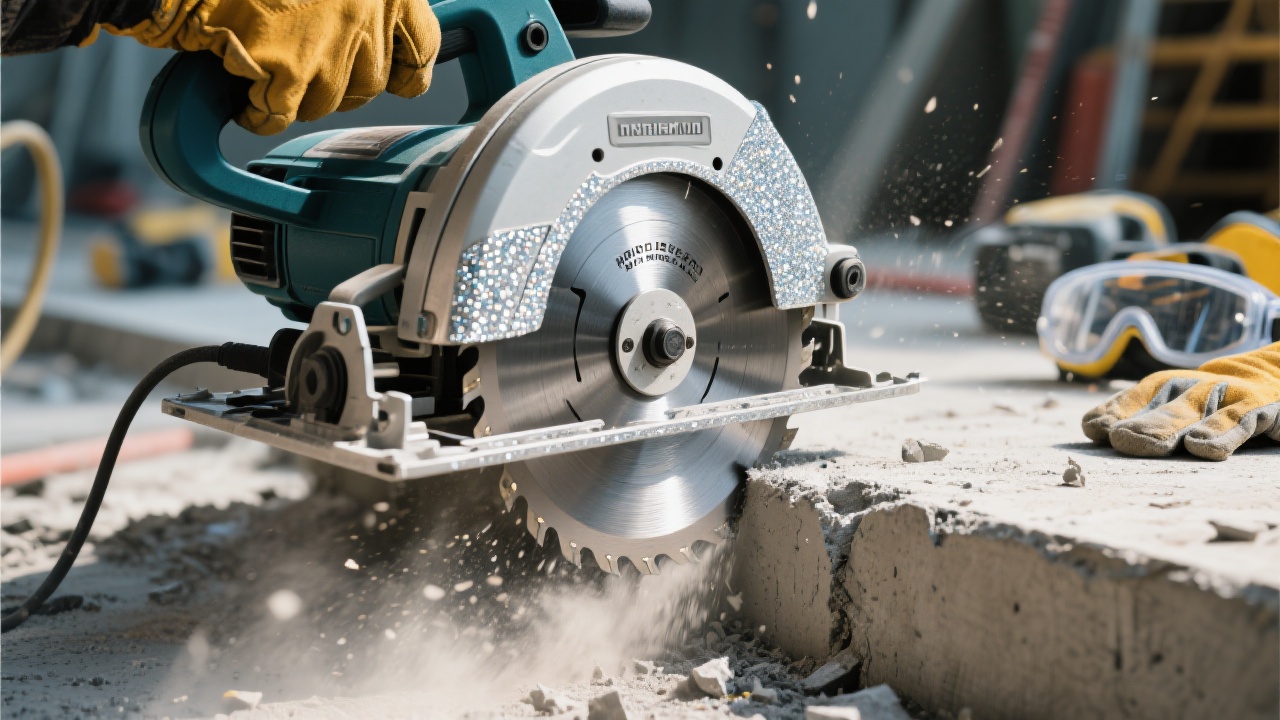
Industrial setting showing brazed diamond blade in action cutting gray cast iron with minimal dust
“Switching to brazed diamond blades has dramatically reduced our blade replacements from weekly to monthly intervals, with operators praising the improved cutting precision and safer working environment.” – Production Manager, Leading Foundry
Name *
Email *
Message*

Recommended Products

Popular articles
Recommended Reading

Related Reading

Contact us
Contact us
https://shmuker.oss-accelerate.aliyuncs.com/tmp/temporary/60ec5bd7f8d5a86c84ef79f2/60ec5bdcf8d5a86c84ef7a9a/thumb-prev.png