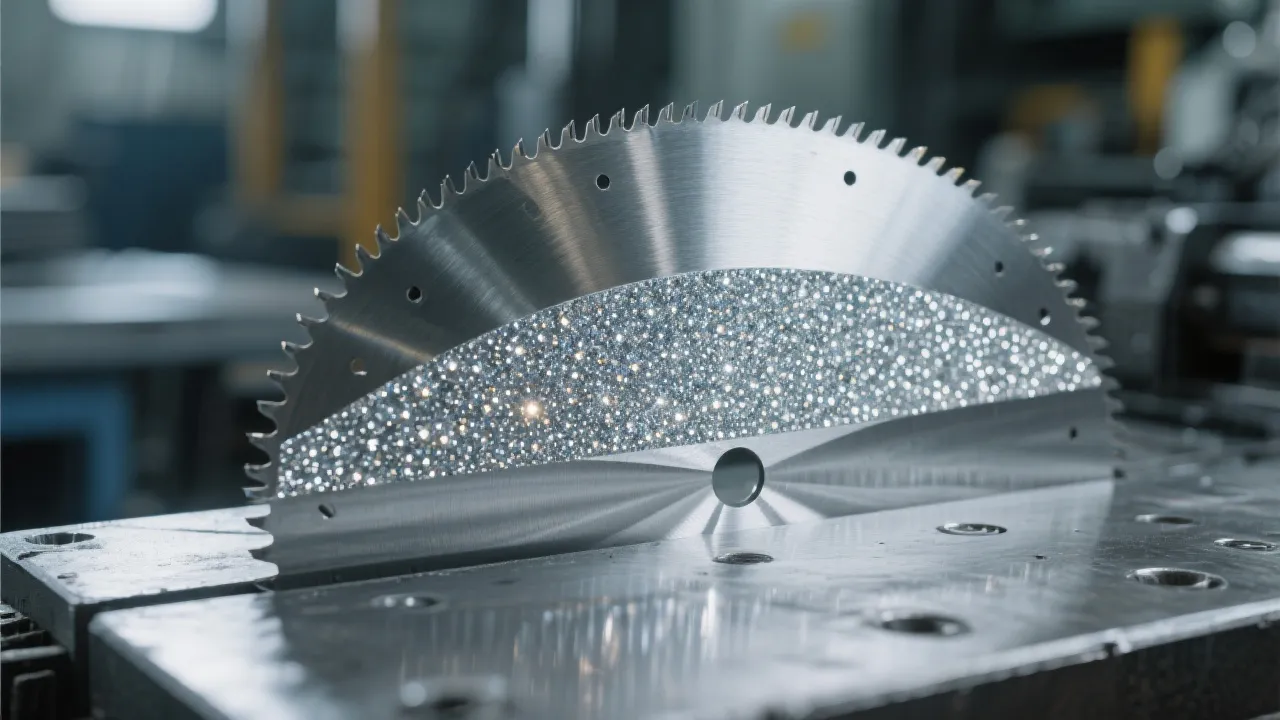
Glass and ceramic materials are widely used in various industries due to their excellent properties such as high hardness, wear resistance, and chemical stability. However, their physical characteristics also pose significant challenges to the cutting process. For instance, they are brittle and prone to cracking, which can lead to low cutting efficiency and high material loss.
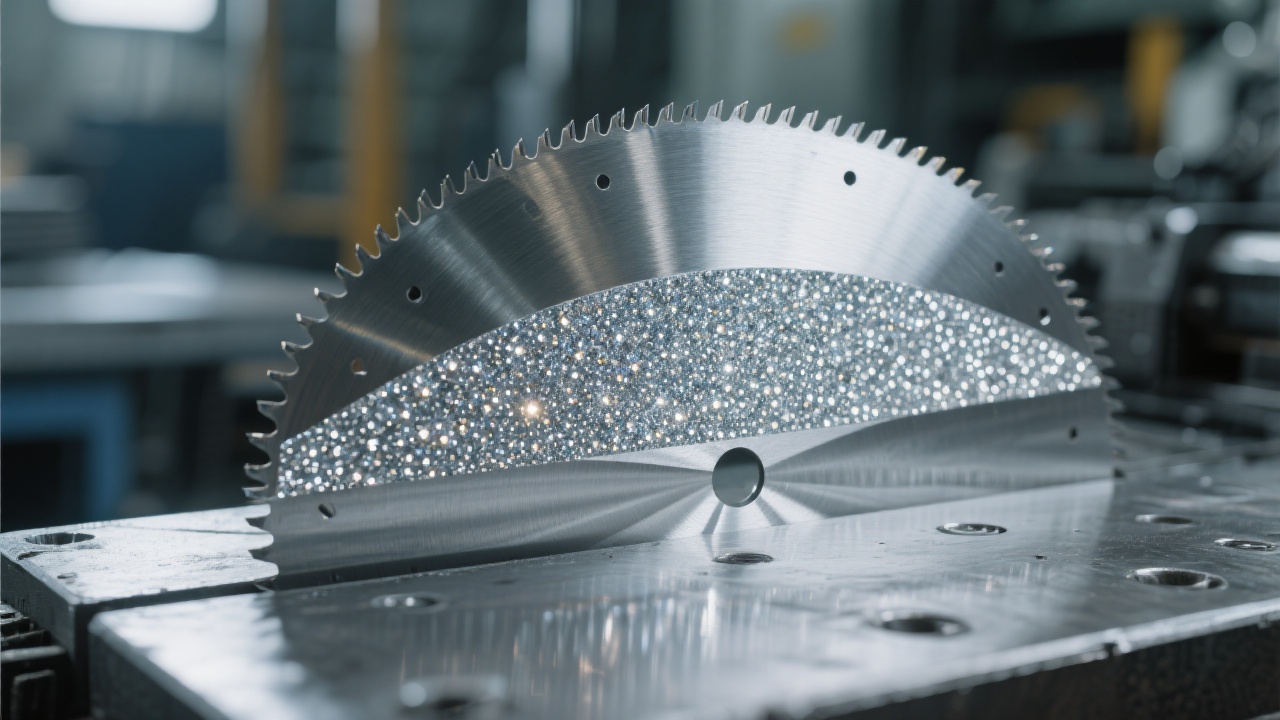
During the cutting of glass and ceramics, a large amount of dust is generated. The dust generation mechanism is mainly due to the high - energy interaction between the cutting tool and the material, which breaks the material into small particles. Dust not only has a negative impact on the environment, but also poses a threat to the health of operators. Long - term inhalation of dust can lead to respiratory diseases. In addition, dust can also cause wear and damage to cutting equipment, shortening its service life.
According to industry standards, the dust concentration in the working environment during cutting operations should not exceed 10mg/m³ to ensure the health of workers.
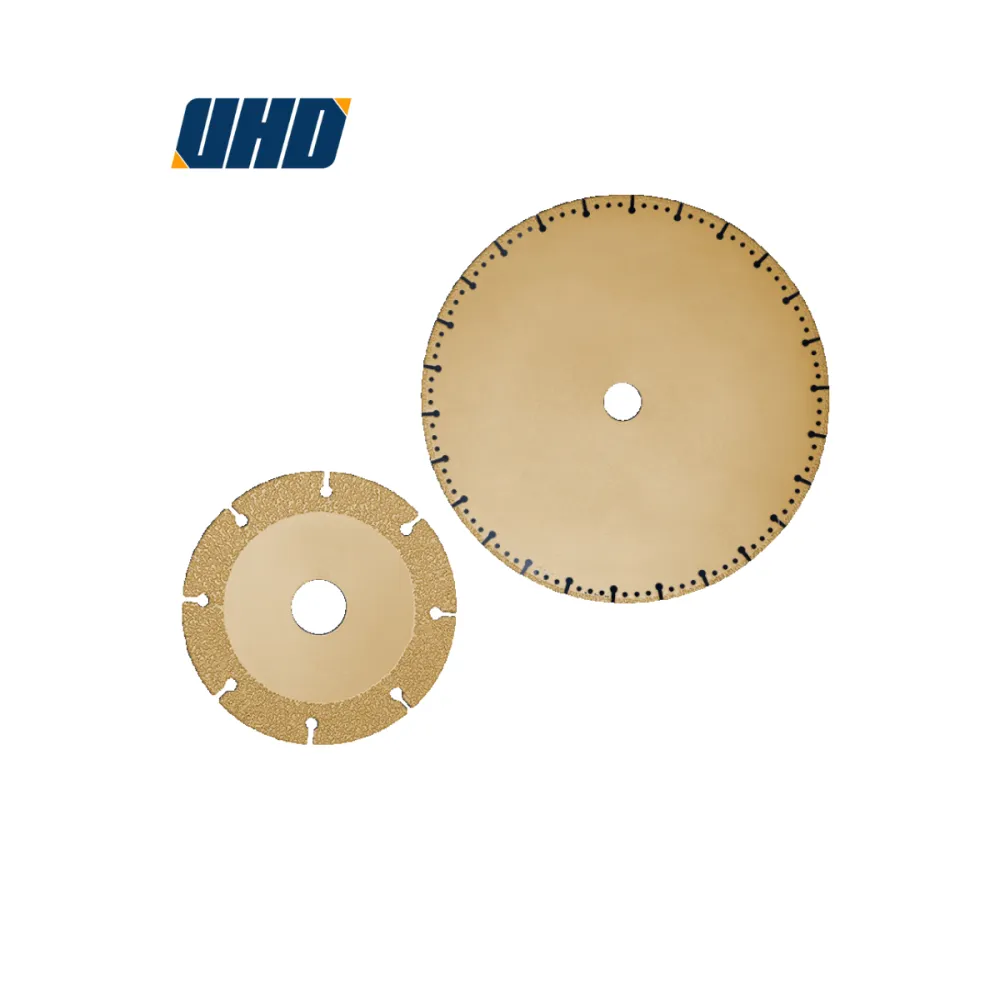
Among various cutting tools, brazed diamond saw blades have significant advantages. They have a unique tooth profile design and wear - resistant structure, which can achieve low - dust and high - precision cutting. Compared with traditional saw blades, brazed diamond saw blades can reduce material breakage rate by about 30% and extend the service life of the tool by 2 - 3 times.
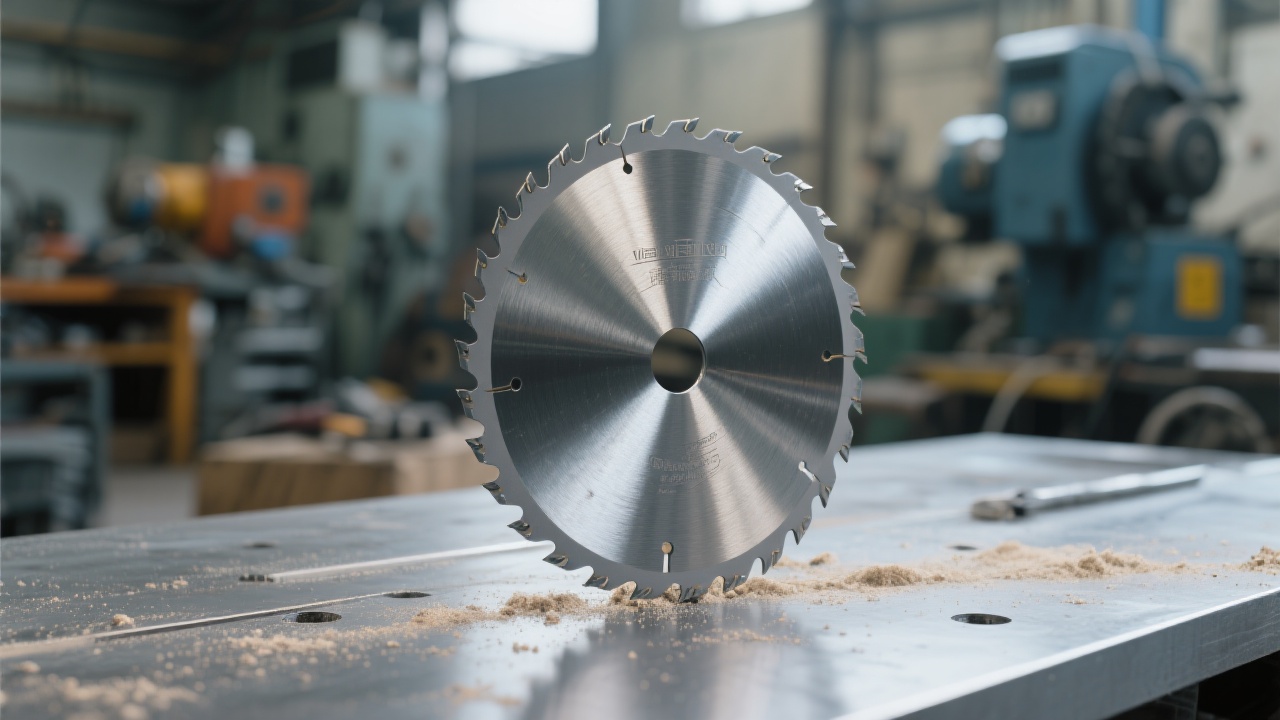
Optimizing cutting parameters is crucial for improving cutting efficiency and reducing dust generation. Key parameters include feed speed, cooling method, and edge geometry. For example, a lower feed speed can reduce the impact on the material, thereby reducing the probability of cracking. A proper cooling method can take away heat and dust in time, improving the working environment and tool life. The following is a table showing the recommended cutting parameters:
| Cutting Parameter | Recommended Value |
|---|---|
| Feed Speed | 5 - 10 mm/min |
| Cutting Depth | 0.5 - 1 mm |
| Cooling Method | Water - based coolant |
In practical operations, we have found that by adjusting cutting parameters in a timely manner according to the material characteristics, the breakage rate can be effectively reduced. For example, when cutting materials with higher hardness, reducing the feed speed and increasing the cutting depth appropriately can reduce material cracking. At the same time, operators should wear personal protective equipment such as dust masks and goggles to ensure personal safety.
In the context of green production, the cutting process of glass and ceramics is also constantly evolving. Future cutting processes will focus more on environmental protection, efficiency, and safety. The industry is expected to introduce more stringent dust control standards and safety regulations to guide enterprises to achieve green development.
Are you interested in learning more about the application solutions of high - efficiency and environmentally friendly cutting tools? Click here to explore now!
.png?x-oss-process=image/resize,h_1000,m_lfit/format,webp)