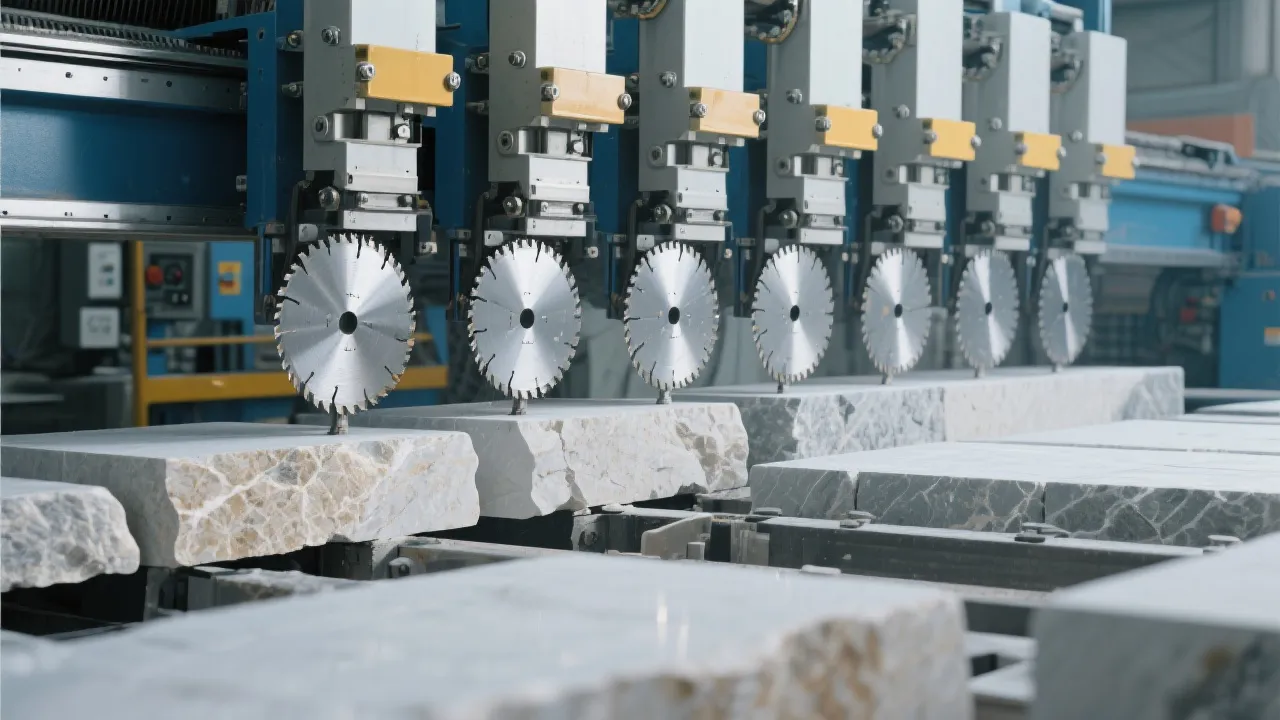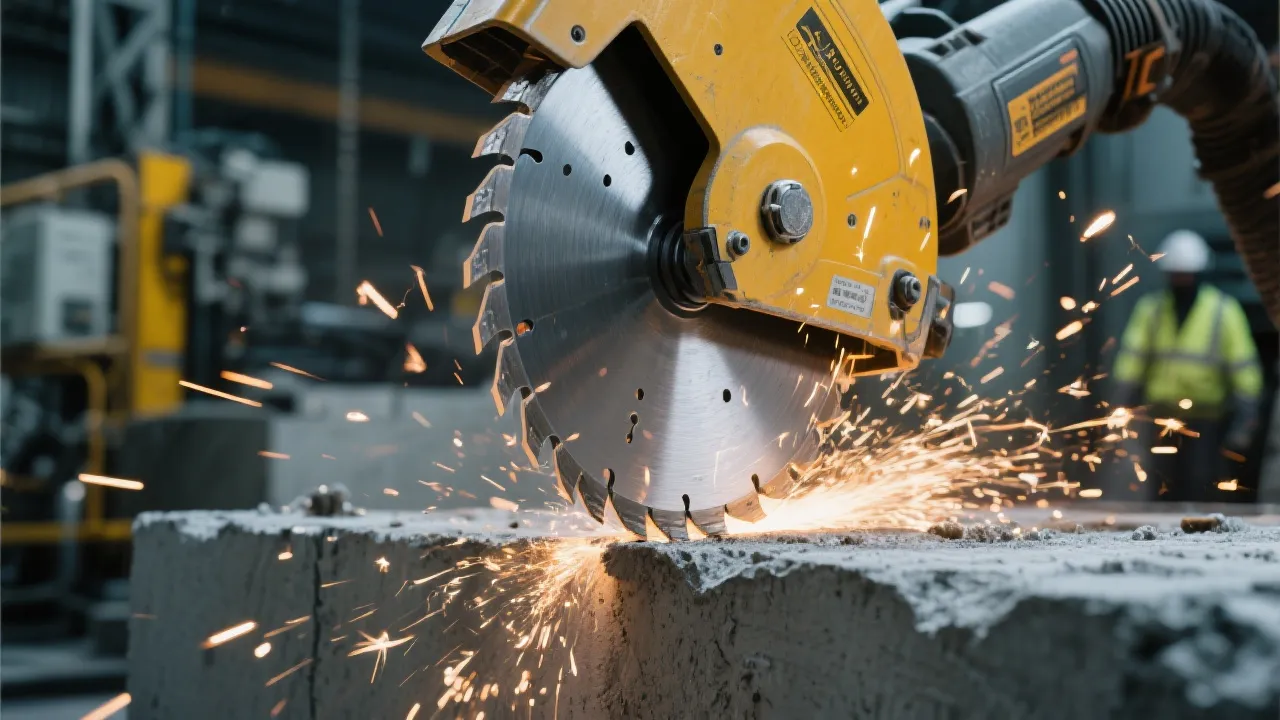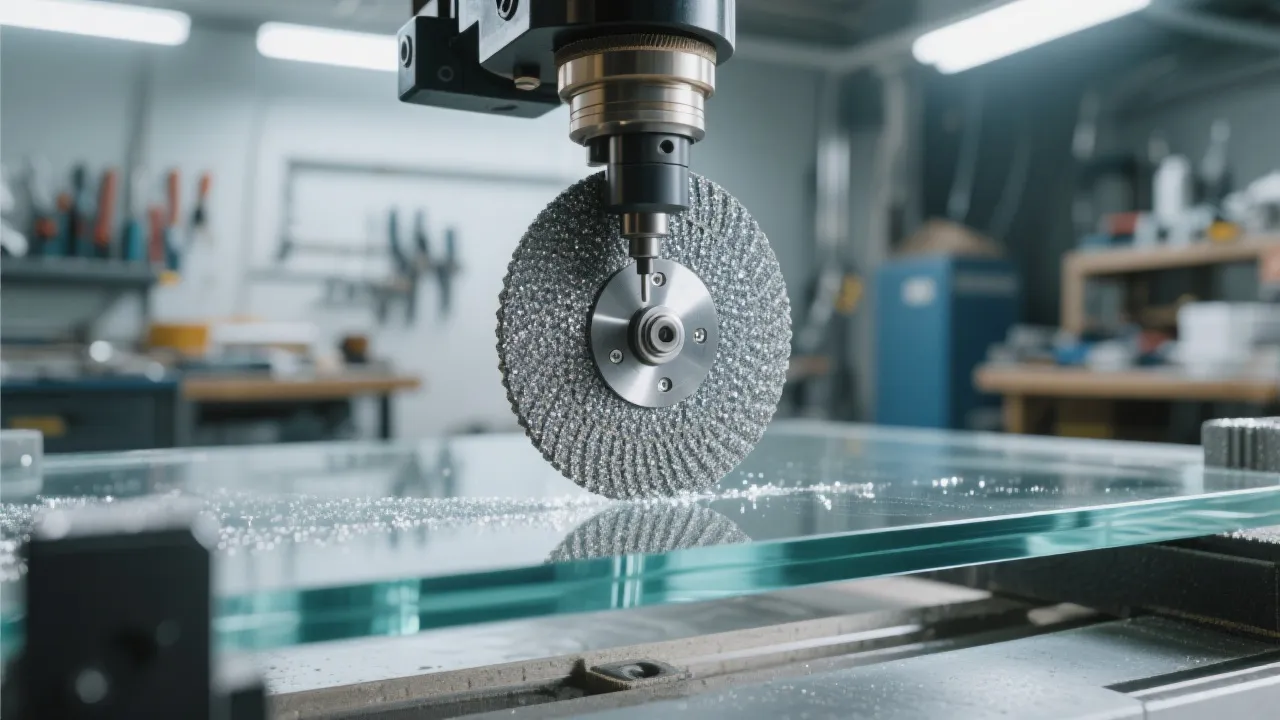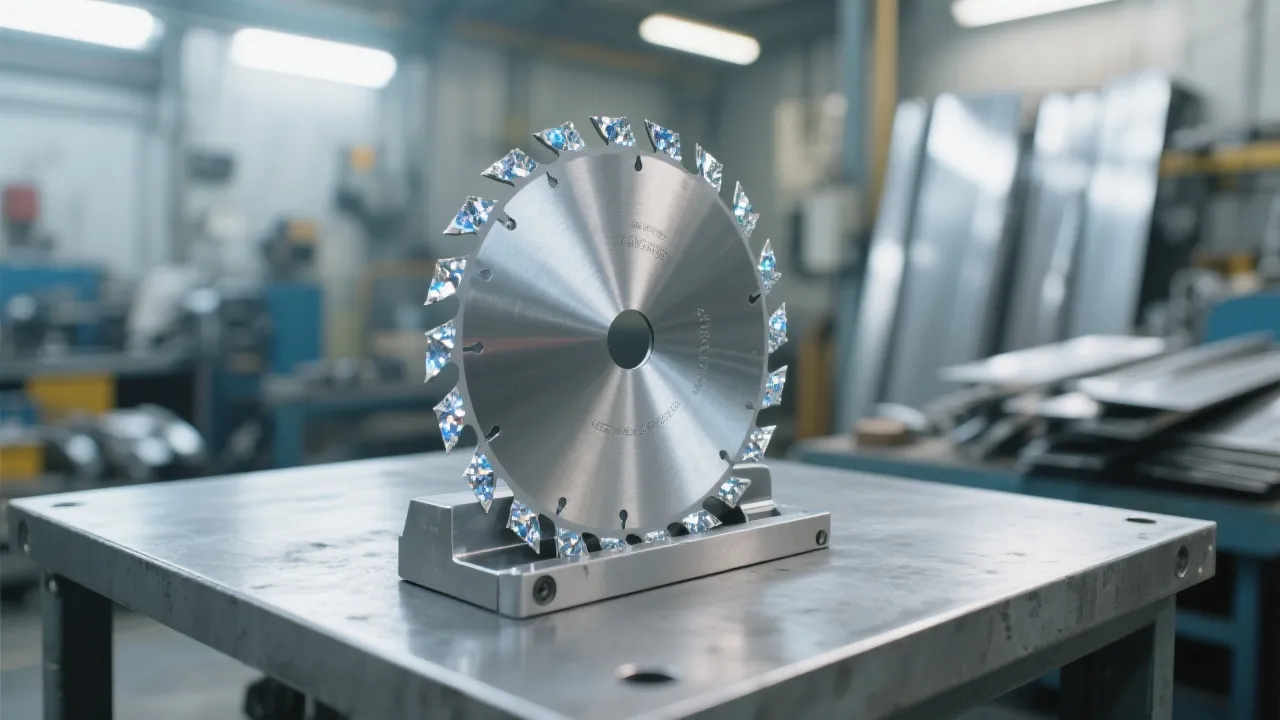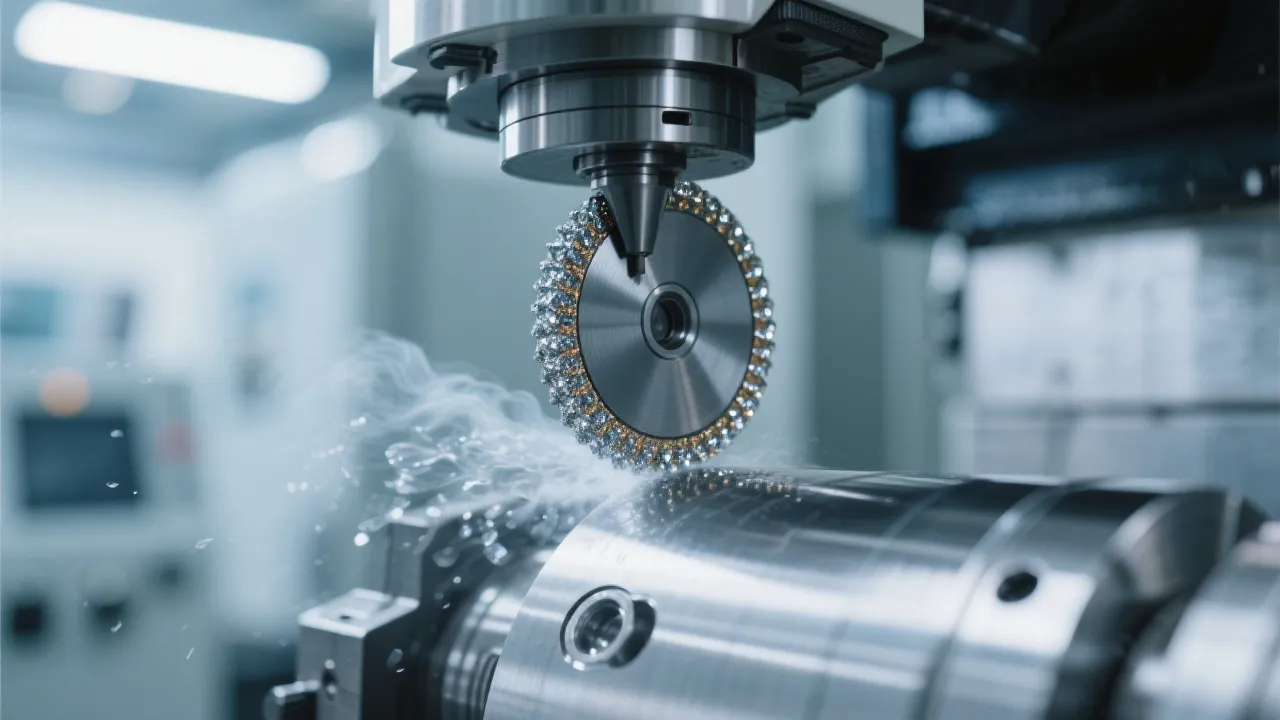
In the field of stone processing, the proper selection of diamond grinding tools' particle size and concentration is crucial for achieving optimal grinding efficiency and surface quality. UHD, a leading brand in this industry, is committed to providing professional solutions to help stone processing practitioners make the right choices.
Different types of stones, such as granite, marble, and artificial stone, have distinct physical properties. For example, granite is a hard and dense stone, while marble is relatively softer. These differences require corresponding adjustments in the particle size and concentration of diamond grinding tools. Generally, for hard stones like granite, larger particle sizes and higher concentrations are often preferred to ensure efficient material removal during the grinding process. In contrast, for softer stones like marble, smaller particle sizes and lower concentrations can be used to achieve a smoother surface finish.
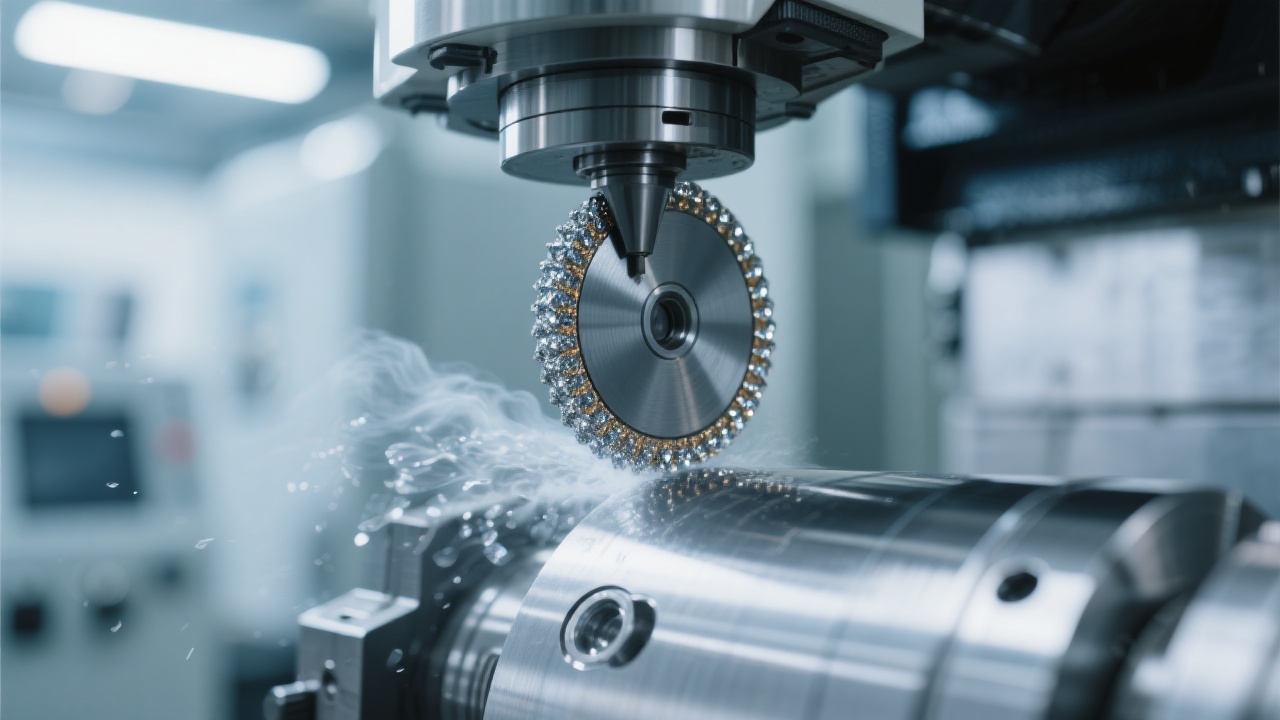
The stone processing process typically includes rough grinding, fine grinding, and polishing. Each stage has specific requirements for the performance of diamond grinding tools. During the rough grinding stage, the main goal is to quickly remove a large amount of material. Therefore, tools with larger particle sizes and higher concentrations are more suitable. For example, a particle size of 80 - 120 mesh and a concentration of 75 - 100 can effectively improve the grinding efficiency. In the fine grinding stage, the focus is on improving the surface smoothness. Smaller particle sizes, such as 200 - 400 mesh, and lower concentrations can be used to achieve a better surface quality. During the polishing stage, even finer particle sizes and lower concentrations are required to obtain a mirror - like finish.
In practical stone processing, there are often some selection mistakes. For instance, using a tool with too large a particle size in the fine grinding stage may lead to a rough surface, while using a tool with too small a particle size in the rough grinding stage will significantly reduce the grinding efficiency. Let's take a granite processing factory as an example. They initially used a tool with a 60 - mesh particle size for fine grinding, resulting in a surface roughness that did not meet the requirements. After adjusting to a 300 - mesh tool, the surface quality was greatly improved. Another case is a marble processing workshop that used a tool with a high concentration for polishing, which caused scratches on the marble surface. By reducing the concentration and using a finer particle size, the problem was effectively solved.

One of the key methods to determine whether the selected diamond grinding tool is suitable is to observe the grinding efficiency and surface quality. If the grinding efficiency is low, it may indicate that the particle size is too small or the concentration is too low. On the other hand, if the surface quality is poor, such as excessive roughness or scratches, it may be due to an inappropriate particle size or concentration. By carefully observing these indicators, stone processing practitioners can make timely adjustments to achieve the best tool - stone matching.
When facing tool selection problems on - site, there are some practical debugging techniques. For example, if the grinding efficiency is low, you can try increasing the feed rate or the rotation speed of the tool. If the surface quality is not satisfactory, you can adjust the particle size or concentration of the tool. In addition, it is also important to ensure the proper lubrication and cooling of the tool during the grinding process to prevent overheating and wear.
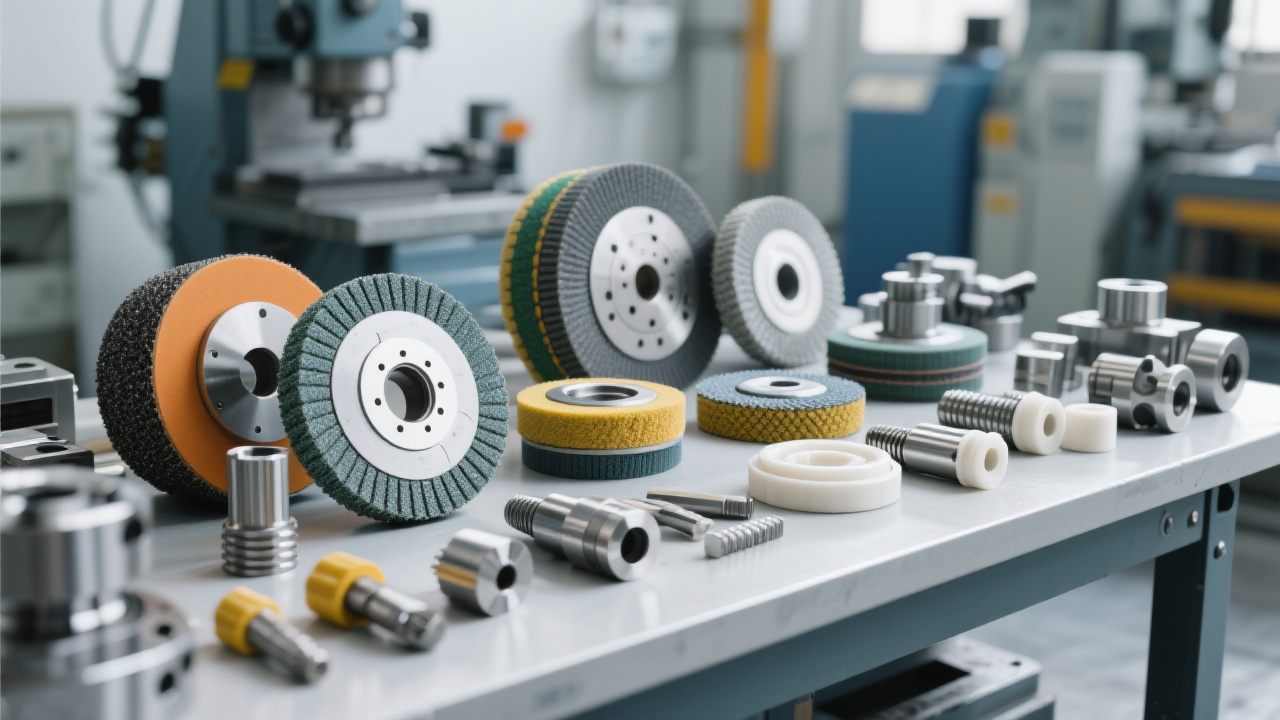
UHD offers a wide range of high - quality diamond grinding tools, designed to meet the diverse needs of stone processing. With our professional technical support and reliable product quality, we are committed to helping you achieve stable and efficient stone processing. Choose UHD, and you can enhance your processing efficiency and reduce cost risks.
Select the Right Grinding Tools Now and Improve Your Stone Processing Efficiency!
.png?x-oss-process=image/resize,h_1000,m_lfit/format,webp)
.png?x-oss-process=image/resize,h_1000,m_lfit/format,webp)