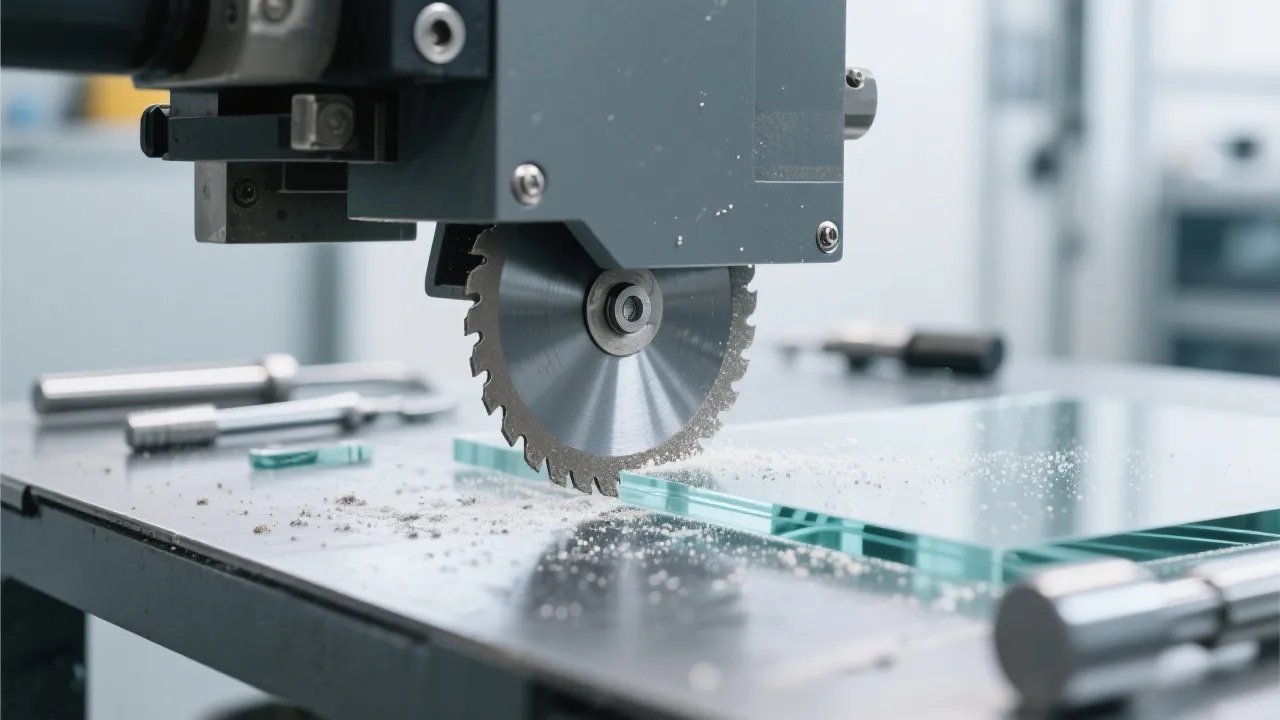
In the field of stone cutting, choosing a high-durability diamond saw is crucial. This guide will delve into the core technical parameters that affect the saw's lifespan, including diamond particle size distribution, matrix hardness, base thickness, and brazing technology. We'll also provide practical selection advice based on typical application scenarios such as granite and marble cutting.
The diamond particle size distribution significantly impacts the cutting sharpness and lifespan of the saw. Larger diamond particles generally offer greater cutting efficiency but may reduce the saw's lifespan. For instance, in a test, saws with larger diamond particles cut granite 30% faster than those with smaller particles, but their lifespan was 20% shorter. You need to balance the cutting speed and durability according to your specific needs.
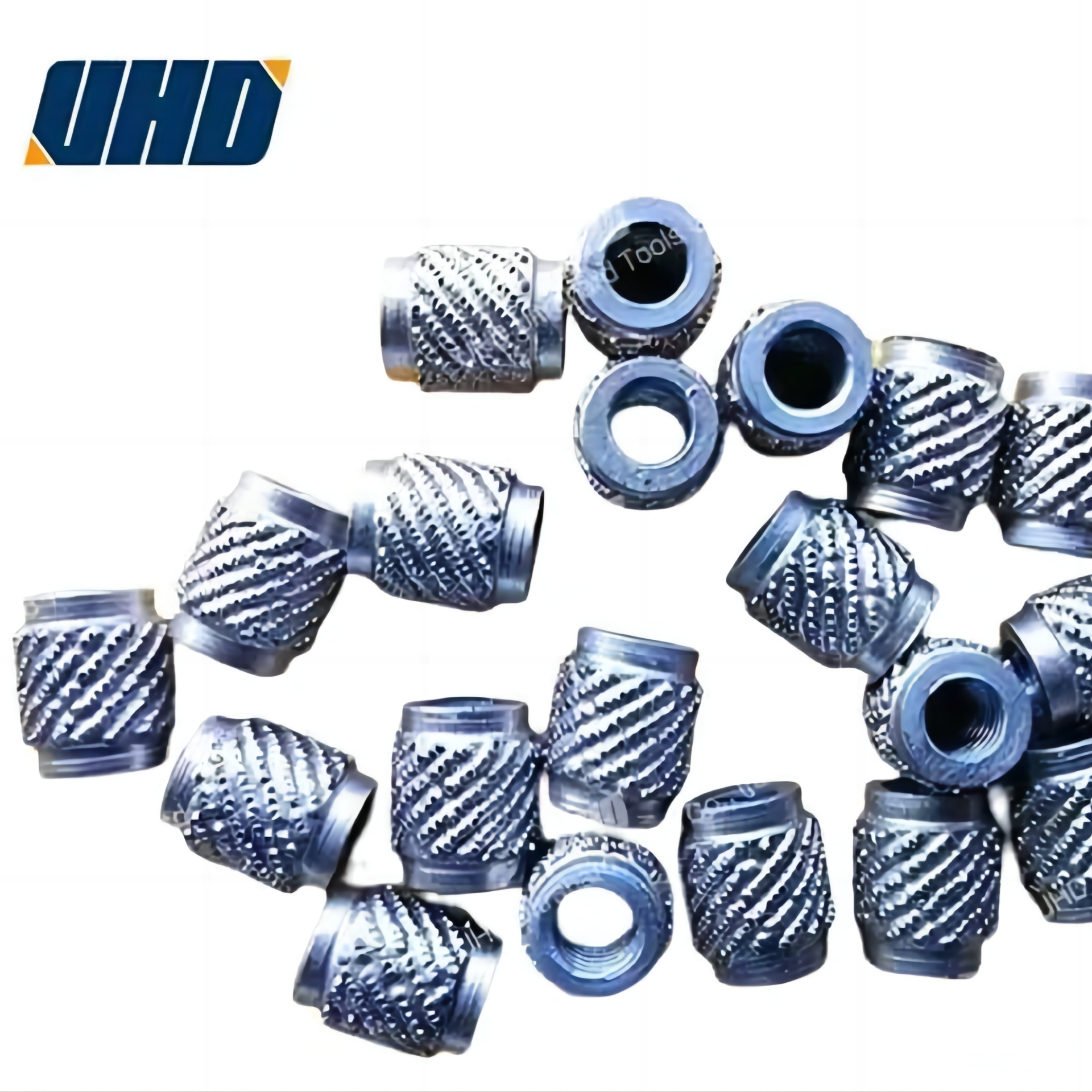
The matrix hardness should match the hardness of the stone. For hard stones like granite, a harder matrix is required to prevent the diamond from falling off prematurely. On the other hand, for softer stones like marble, a relatively softer matrix can ensure better cutting performance. In a comparison test, a saw with a properly matched matrix hardness could extend the cutting lifespan by up to 40% compared to an unmatched one.
The base thickness plays a vital role in enhancing the stability and safety of the saw. A thicker base can better withstand the cutting force and reduce the risk of deformation. For example, a saw with a 3mm thicker base can increase the stability by 25% during high-speed cutting, which is especially important for large-scale stone cutting operations.
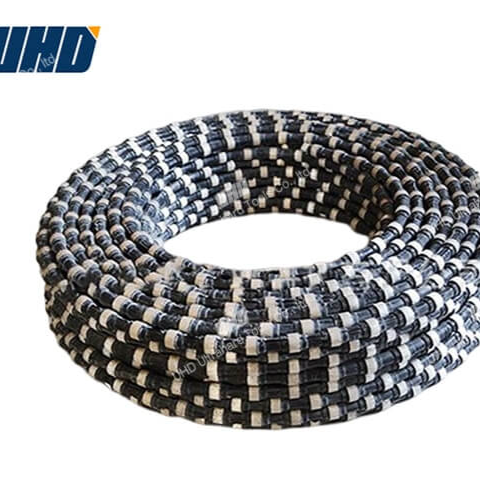
The brazing technology determines the firmness of the cutter head. High-quality brazing can ensure that the diamond is firmly fixed on the matrix, reducing the probability of the cutter head falling off during cutting. In a long-term cutting test, saws with advanced brazing technology had a cutter head falling-off rate 50% lower than those with ordinary brazing technology.
Granite is a hard stone, so you should choose a saw with larger diamond particles, a harder matrix, and a thicker base. Marble is relatively softer, and a saw with smaller diamond particles and a softer matrix may be more suitable. Table 1 below shows a comparison of the recommended parameters for different stones:
| Stone Type | Diamond Particle Size | Matrix Hardness | Base Thickness |
|---|---|---|---|
| Granite | Larger | Harder | Thicker |
| Marble | Smaller | Softer | Normal |
During the cutting process, you may encounter some common problems such as tooth chipping, overheating, and rough surfaces. Tooth chipping may be caused by improper matrix hardness or diamond quality. Overheating can be due to excessive cutting speed or lack of cooling. Rough surfaces may result from uneven diamond distribution. Here are some solutions to these problems:

Do you often encounter tooth chipping in your saw? If so, it's time to reevaluate your saw selection based on the parameters mentioned above.
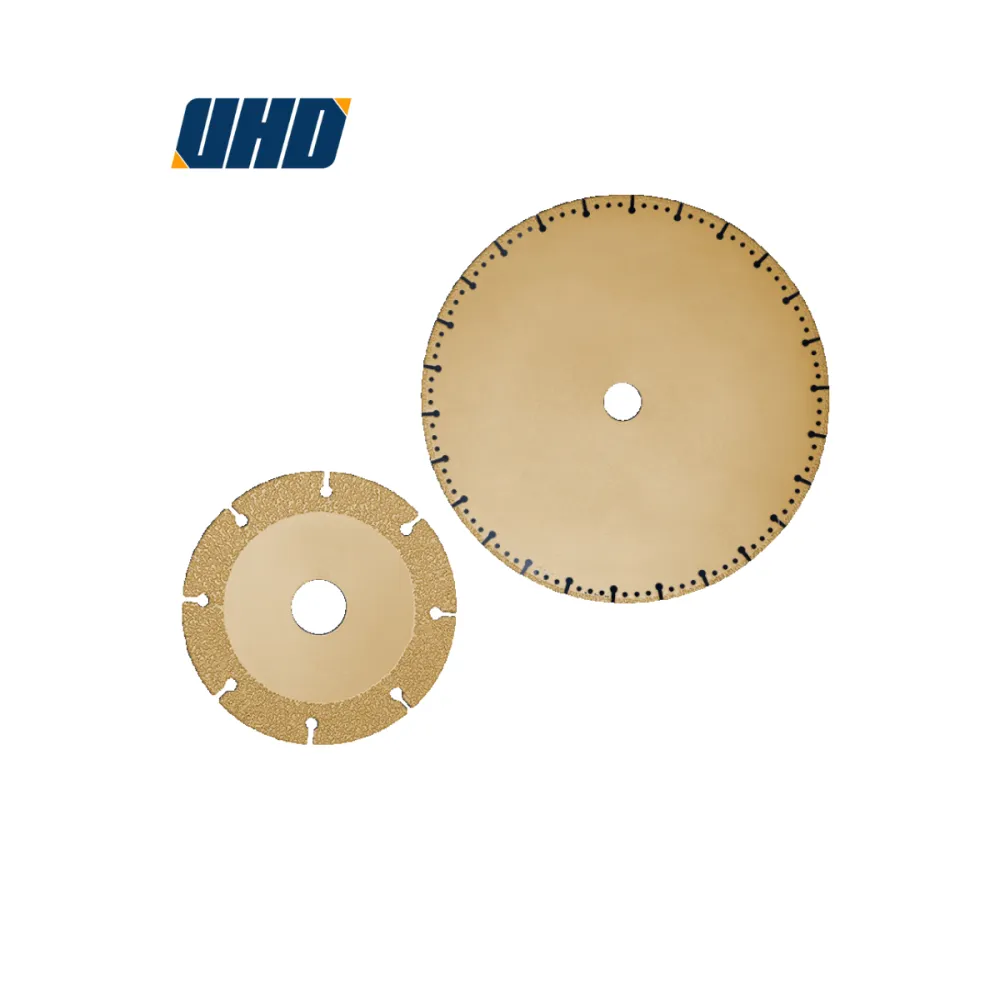
More efficient cutting solutions can be found in our specially designed Brazed Diamond Saw 400 series. Click here to learn more.
.png?x-oss-process=image/resize,h_1000,m_lfit/format,webp)

.png?x-oss-process=image/resize,h_1000,m_lfit/format,webp)