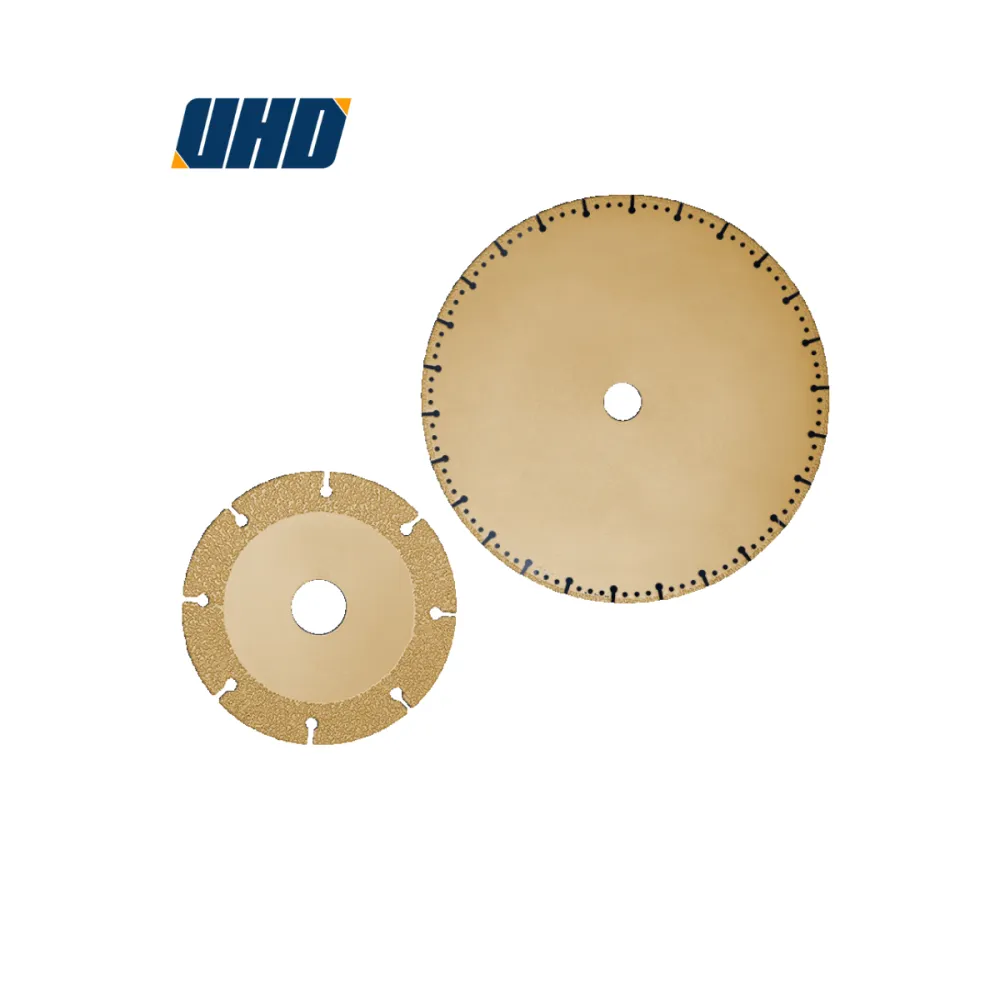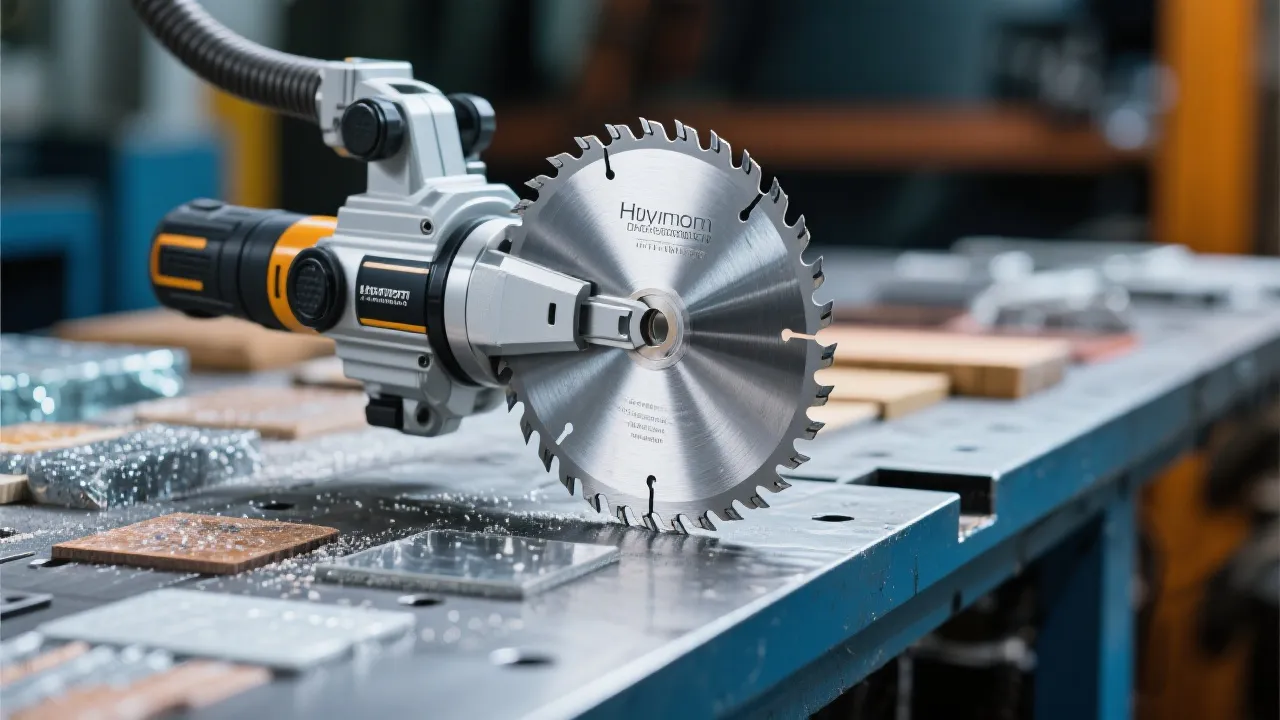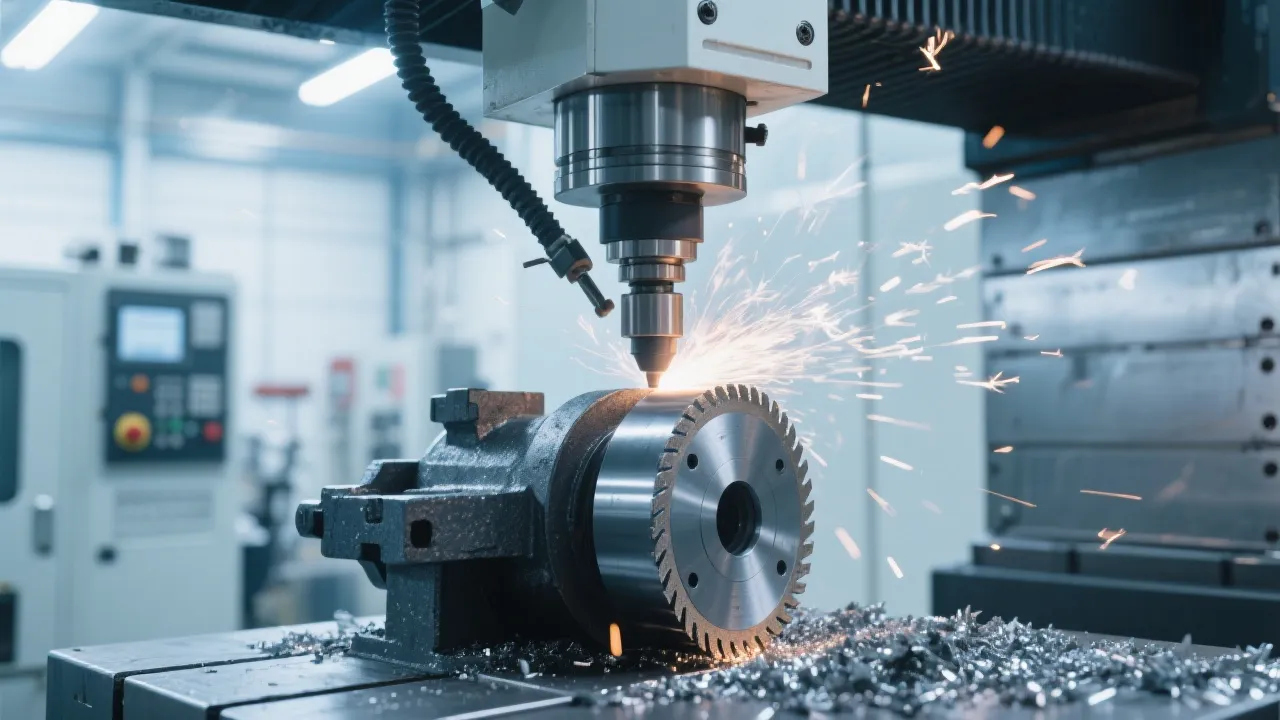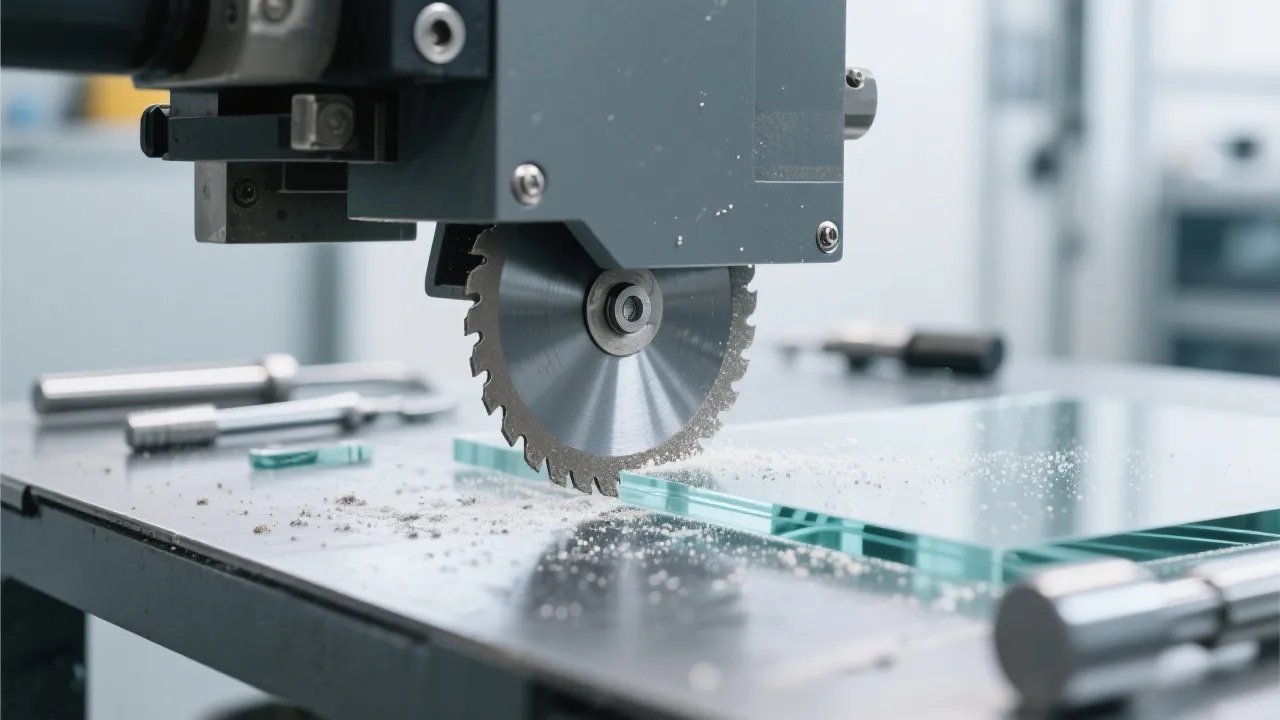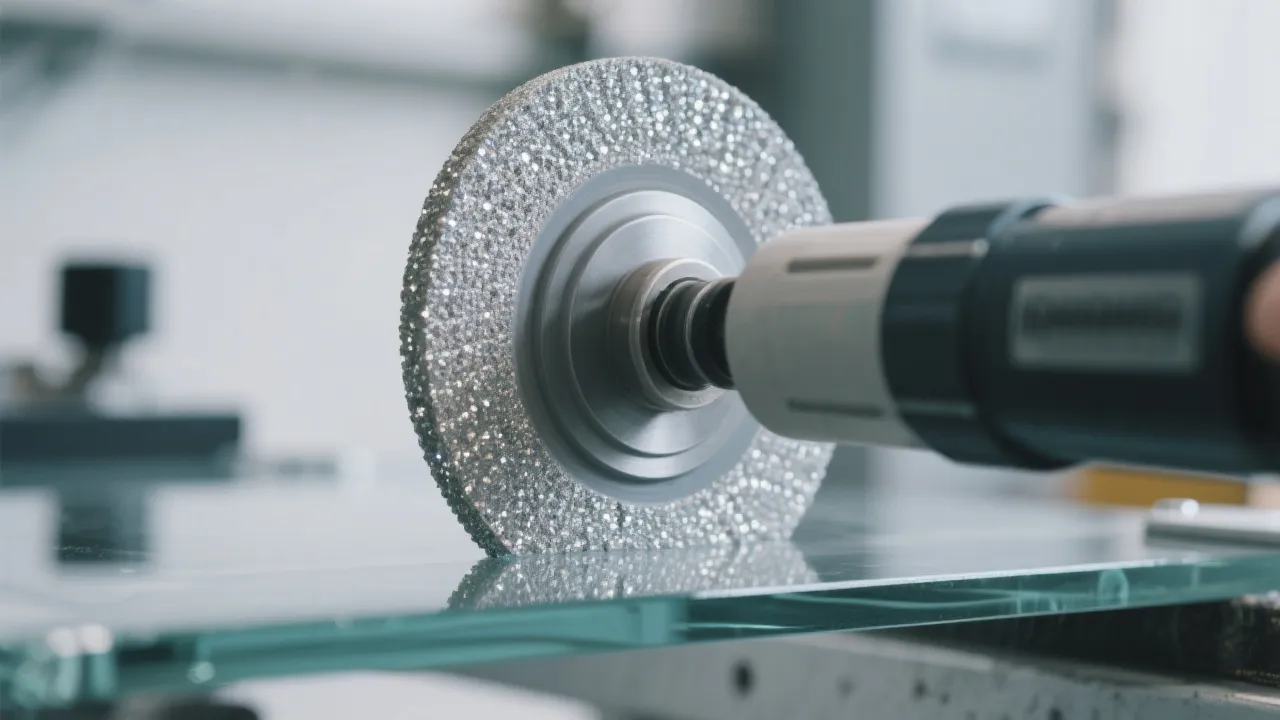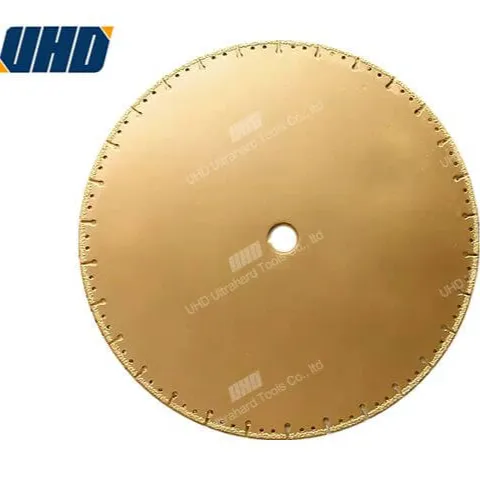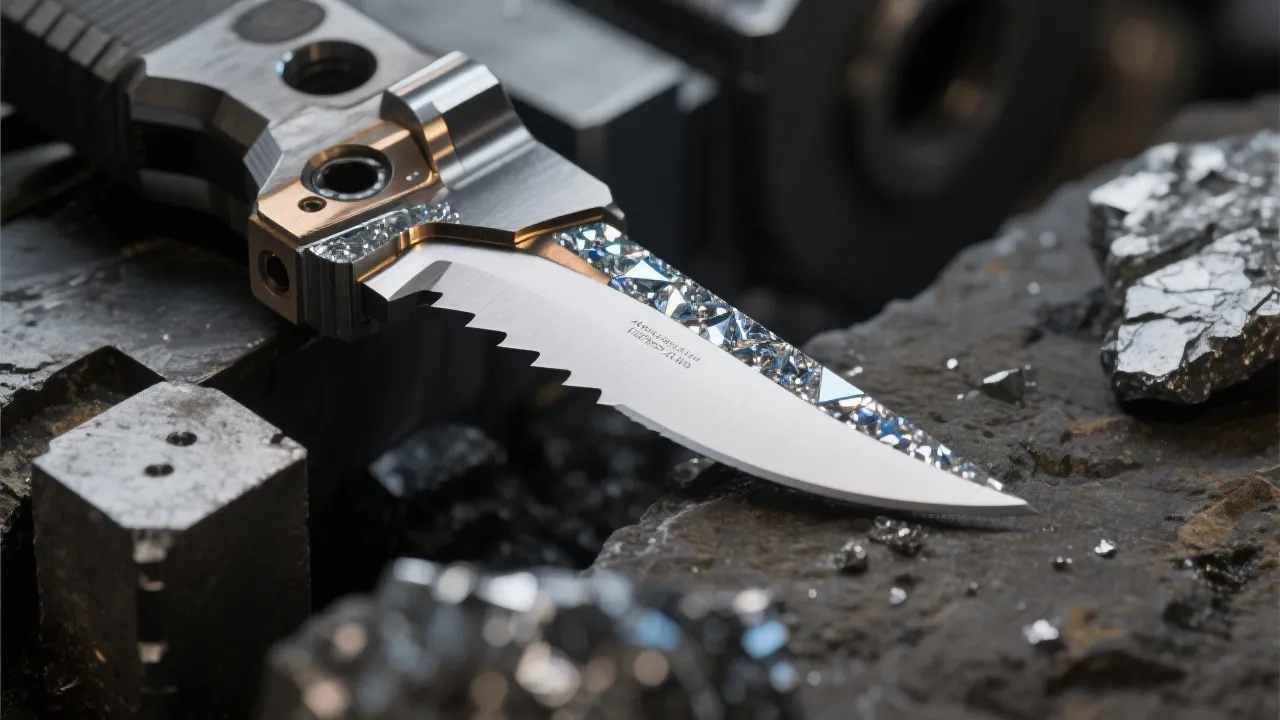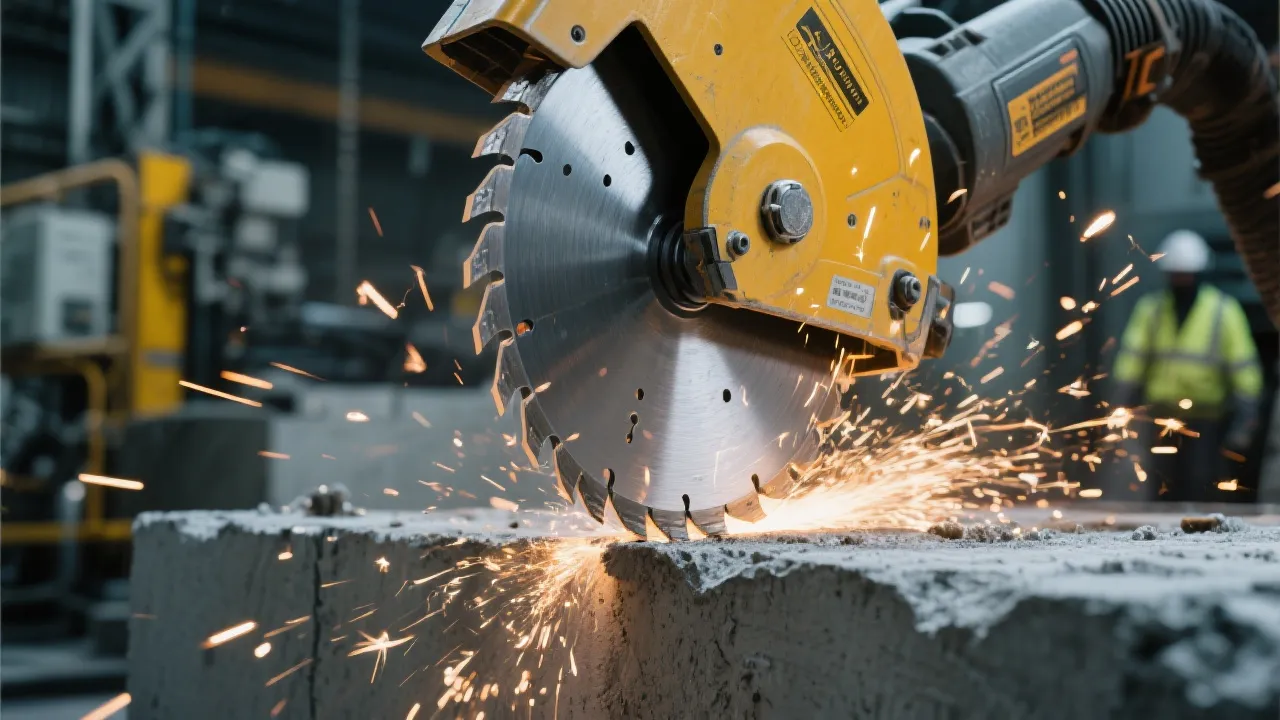
Are you tired of frequent machine downtime due to the breakage of cutting discs in your metal processing factory? You're not alone. Many factories face this issue, which not only increases costs but also reduces production efficiency. In this guide, we'll help you select high - wear - resistant diamond cutting discs to enhance your metal processing efficiency, with a focus on UHD's high - quality products.
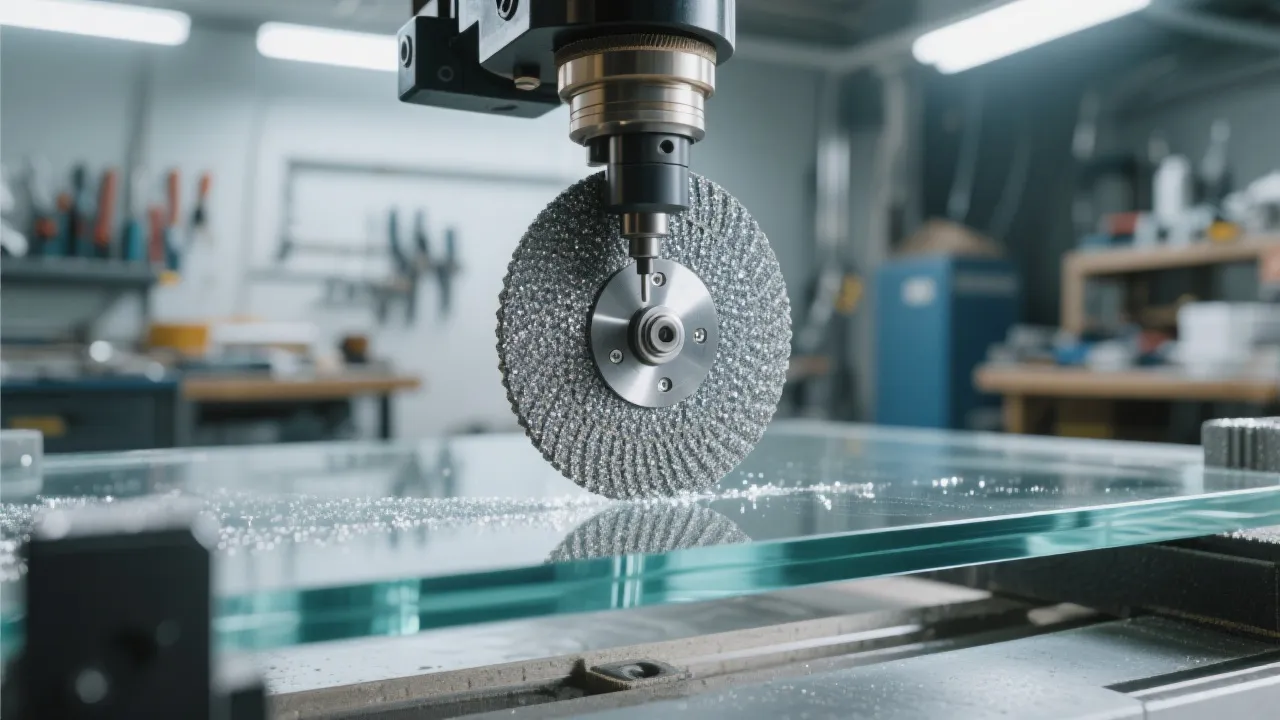
When it comes to diamond cutting discs, the choice of material is crucial. There are two main types: Polycrystalline Diamond (PCD) and single - crystal diamond. PCD is a composite material made by sintering diamond powder under high temperature and pressure. It has high hardness, good wear resistance, and excellent thermal conductivity. On the other hand, single - crystal diamond has extremely high hardness and sharpness, but it is more brittle and prone to chipping. A study from [University Name] found that in most metal processing scenarios, PCD cutting discs can increase tool life by up to 30% compared to single - crystal diamond ones.
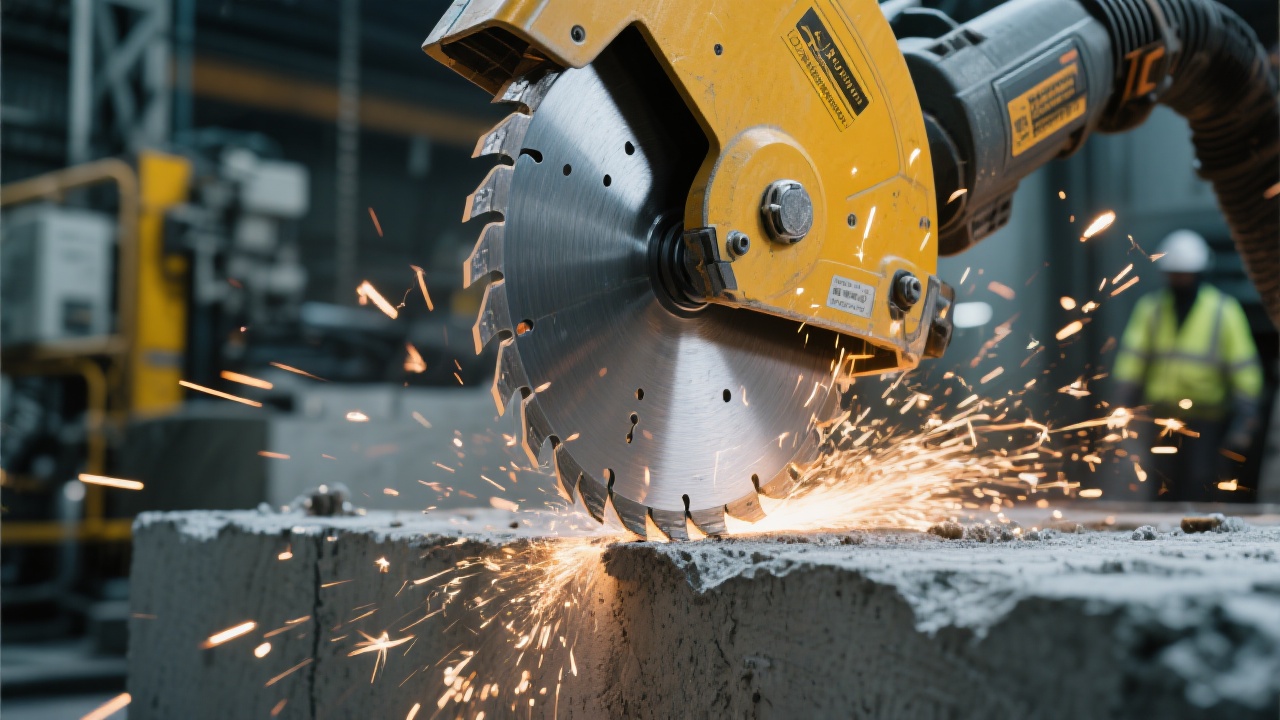
The structure design of the cutting disc also significantly affects its performance. The hardness of the matrix and the design of the chip grooves are two key factors. A harder matrix can provide better support for the diamond particles, reducing the risk of diamond shedding. Optimized chip grooves can effectively remove chips during the cutting process, preventing overheating and tool wear. For example, a well - designed chip groove can increase the cutting speed by 20% and reduce the cutting force by 15%.
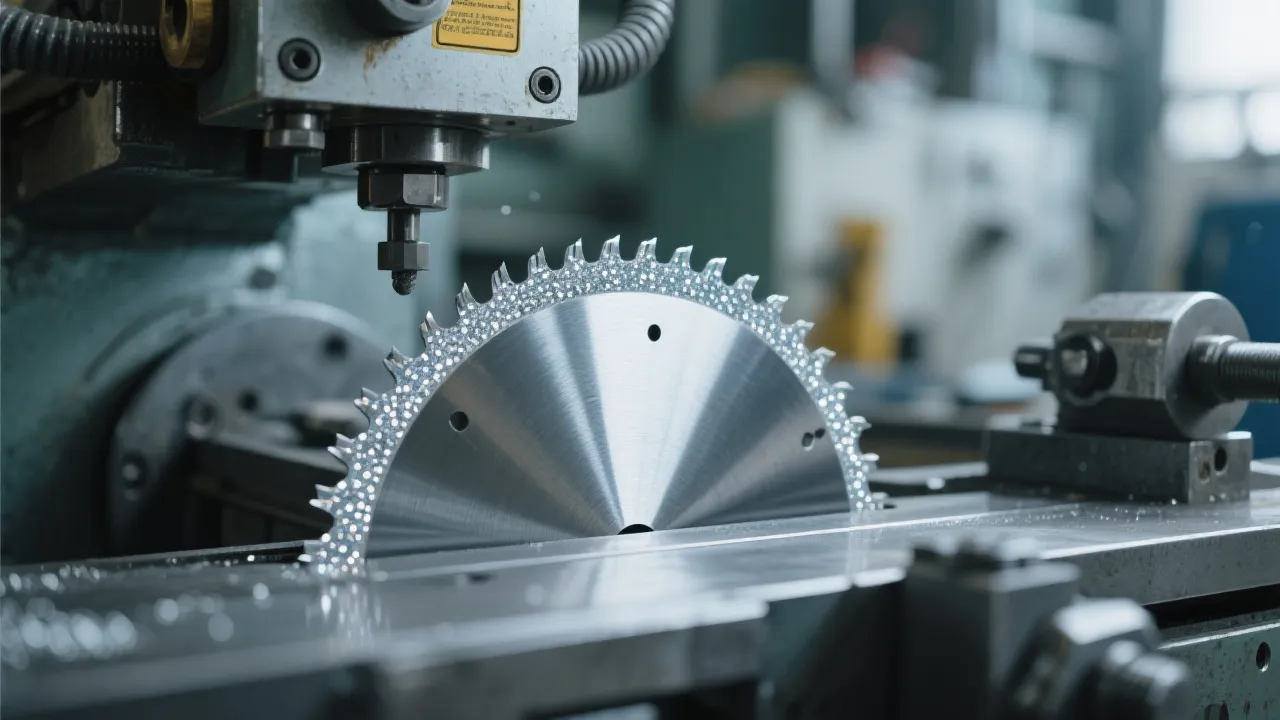
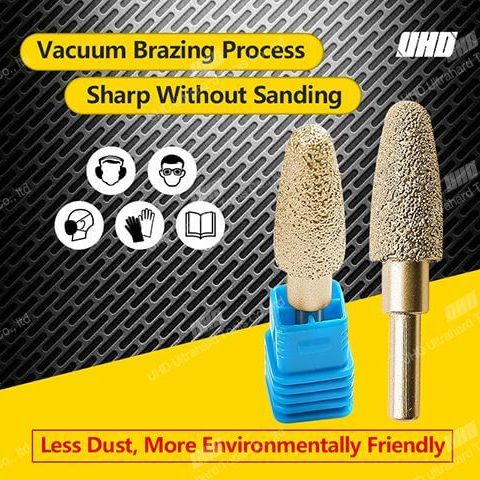
Vacuum brazing technology is a game - changer in the manufacturing of diamond cutting discs. Compared with traditional welding methods, vacuum brazing can significantly improve the bonding strength between the diamond and the matrix. It creates a strong and reliable connection, enhancing the tool's resistance to impact and vibration. According to industry data, cutting discs using vacuum brazing technology can have a service life 50% longer than those using traditional welding.
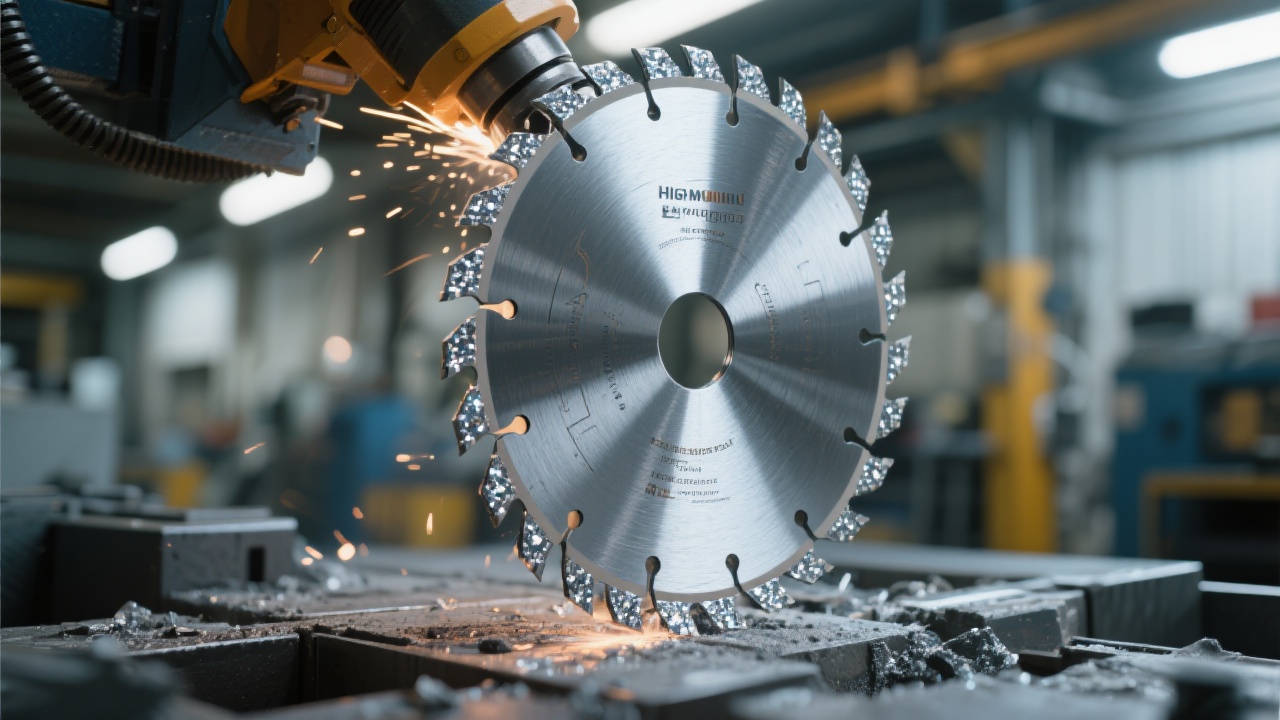
To ensure the long - term performance of your diamond cutting discs, proper maintenance and operation are essential. Here are some practical tips:
Common failure modes of diamond cutting discs include chipping and over - heating ablation. For example, if the cutting disc is used at an improper cutting speed or feed rate, it may cause chipping. Over - heating ablation can occur when the coolant is not used properly or the cutting process generates too much heat. To solve these problems, you can adjust the cutting parameters, improve the coolant supply, and choose the right cutting disc for the specific application.
Now that you have a better understanding of diamond cutting discs, it's time to take action. UHD offers high - quality diamond cutting discs that can meet your metal processing needs. Don't miss out on the opportunity to improve your production efficiency. Download our free PDF handbook now to master the efficient selection skills!
.png?x-oss-process=image/resize,h_1000,m_lfit/format,webp)