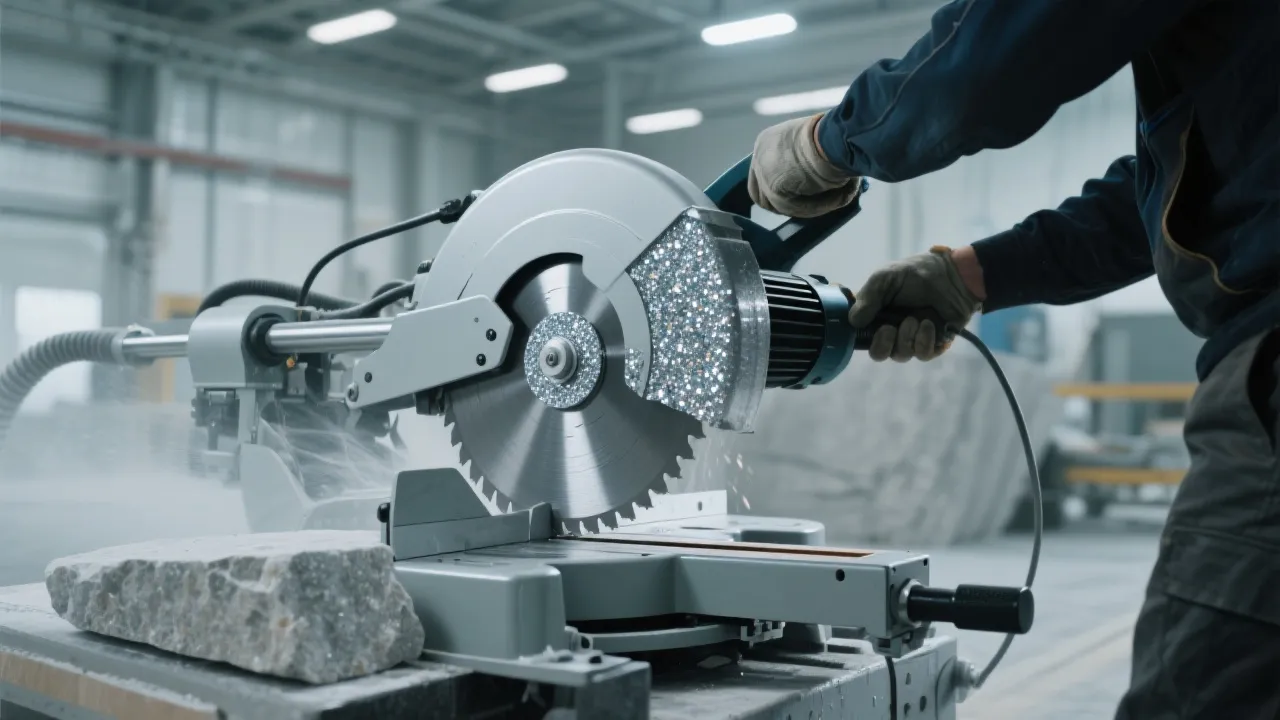
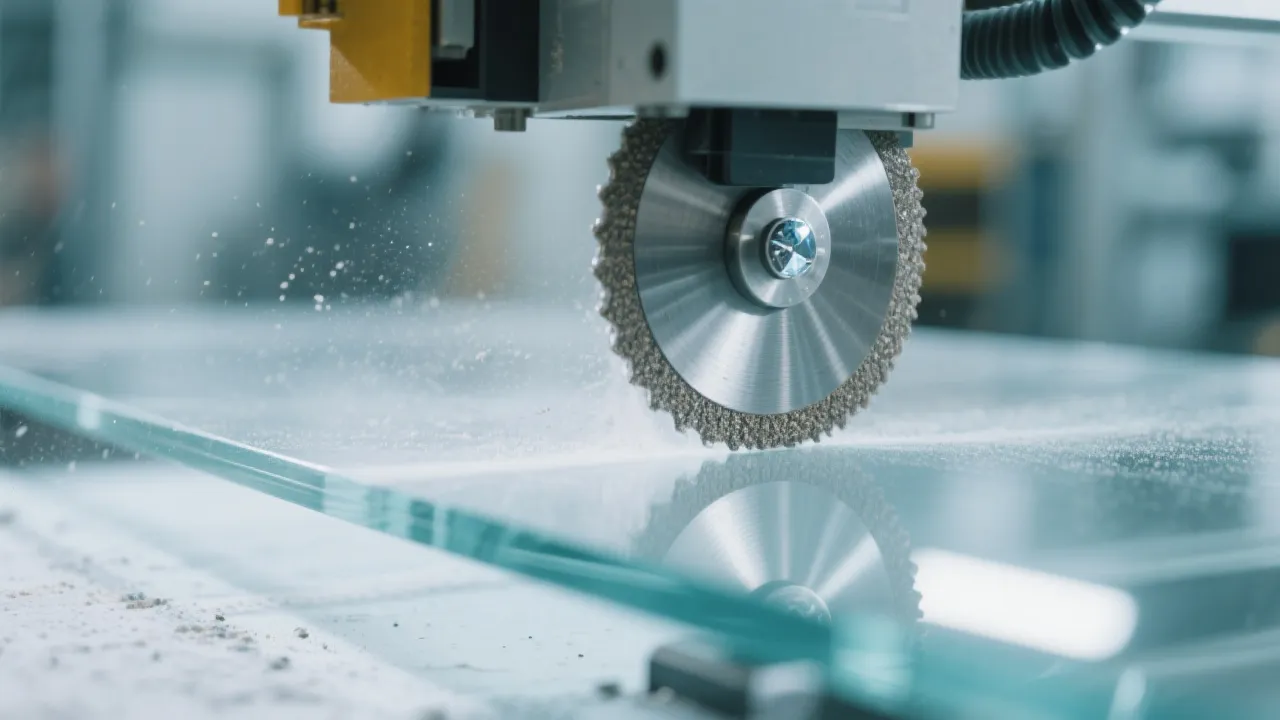
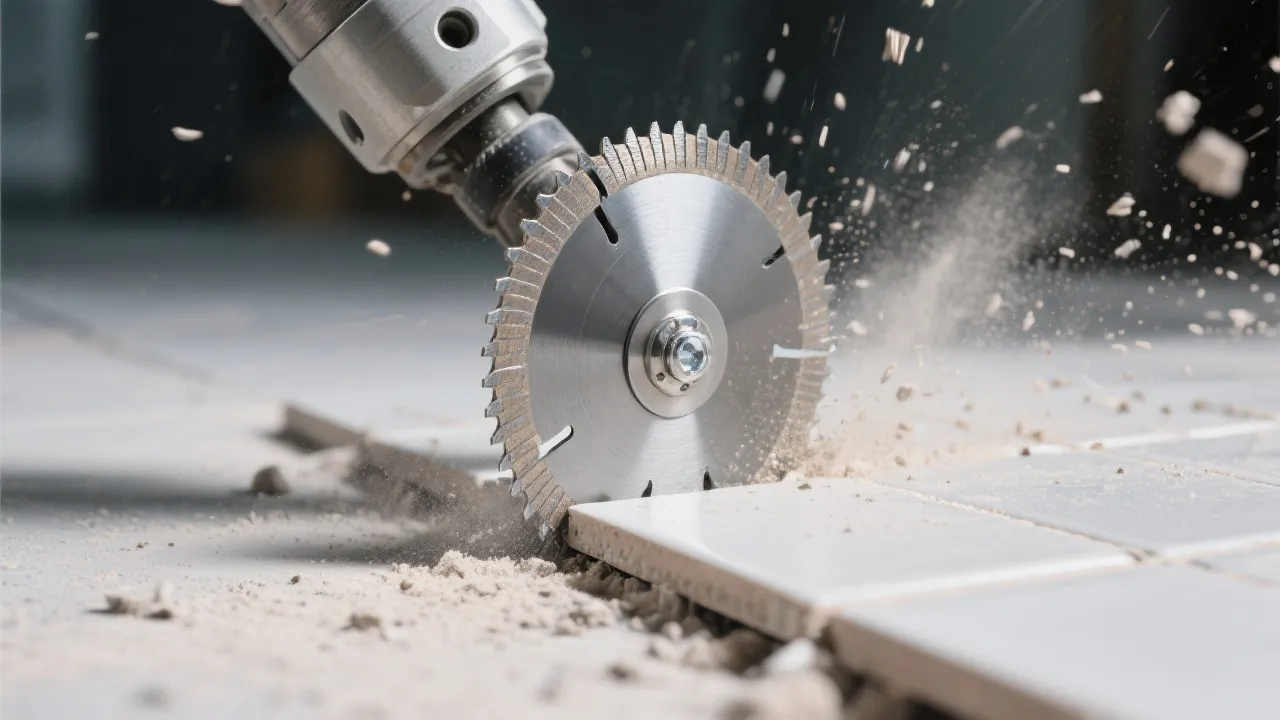
In the stone cutting industry, choosing the right high-durability diamond saw blade is crucial for achieving efficient and cost-effective operations. This guide will delve into the key technical parameters and application techniques of diamond saw blades, helping industry users make informed decisions when selecting saw blades for different types of stone, such as granite and marble.
The performance of a diamond saw blade is significantly influenced by several key technical parameters. Firstly, the diamond particle size distribution plays a vital role. Larger diamond particles are generally more suitable for rough cutting of hard stones like granite, as they can provide greater cutting force. On the other hand, smaller diamond particles are better for fine cutting of softer stones such as marble, ensuring a smoother cutting surface. For example, a saw blade with a diamond particle size of 80/100 mesh is often used for granite cutting, while a 120/140 mesh blade is more appropriate for marble.

Secondly, the hardness of the matrix is another important factor. A harder matrix can hold the diamond particles more firmly, which is beneficial for cutting hard stones. However, it may also lead to a slower cutting speed. A softer matrix, on the contrary, allows for a faster cutting speed but may result in quicker wear of the diamond particles. Therefore, finding the right balance is essential.
The thickness of the saw blade matrix also affects its performance. A thicker matrix, such as the ultra-thick high-manganese steel matrix used in some UHD saw blades, provides better stability and durability during cutting. It can reduce the risk of blade deformation and improve the overall cutting quality.
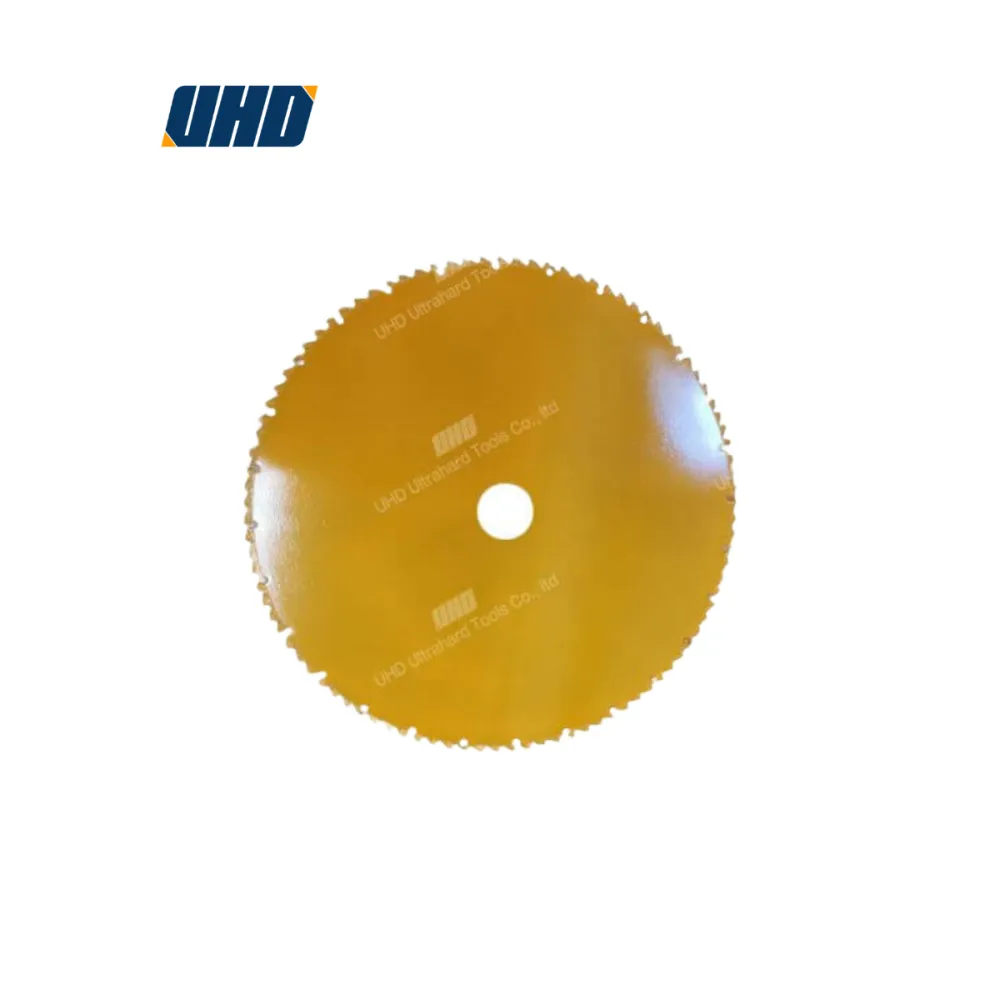
Brazing technology is a critical aspect of diamond saw blade manufacturing. The UHD's brazing process ensures a strong bond between the diamond particles and the matrix, enhancing the saw blade's durability and cutting performance. Compared with traditional sintering methods, brazed diamond saw blades can withstand higher cutting forces and have a longer service life. For instance, in a real-world application, a UHD brazed diamond saw blade 400 was able to cut through granite for over 500 linear meters before needing replacement, while a non-brazed blade of the same size could only achieve about 300 linear meters.
Different stone types have specific requirements for saw blade performance. Granite, being a hard and dense stone, requires a saw blade with high cutting force and durability. A saw blade with a large diamond particle size and a hard matrix is usually the best choice. Marble, on the other hand, is a softer stone, and a saw blade with a smaller diamond particle size and a relatively softer matrix can provide a smoother cutting surface.
Let's take a look at some real cases. In a granite quarry, a company switched from a regular saw blade to a UHD brazed diamond saw blade 400. The cutting efficiency increased by 30%, and the saw blade's service life was extended by 40%. In a marble processing factory, using a UHD saw blade with a suitable diamond particle size and matrix hardness reduced the cutting surface roughness by 20%.
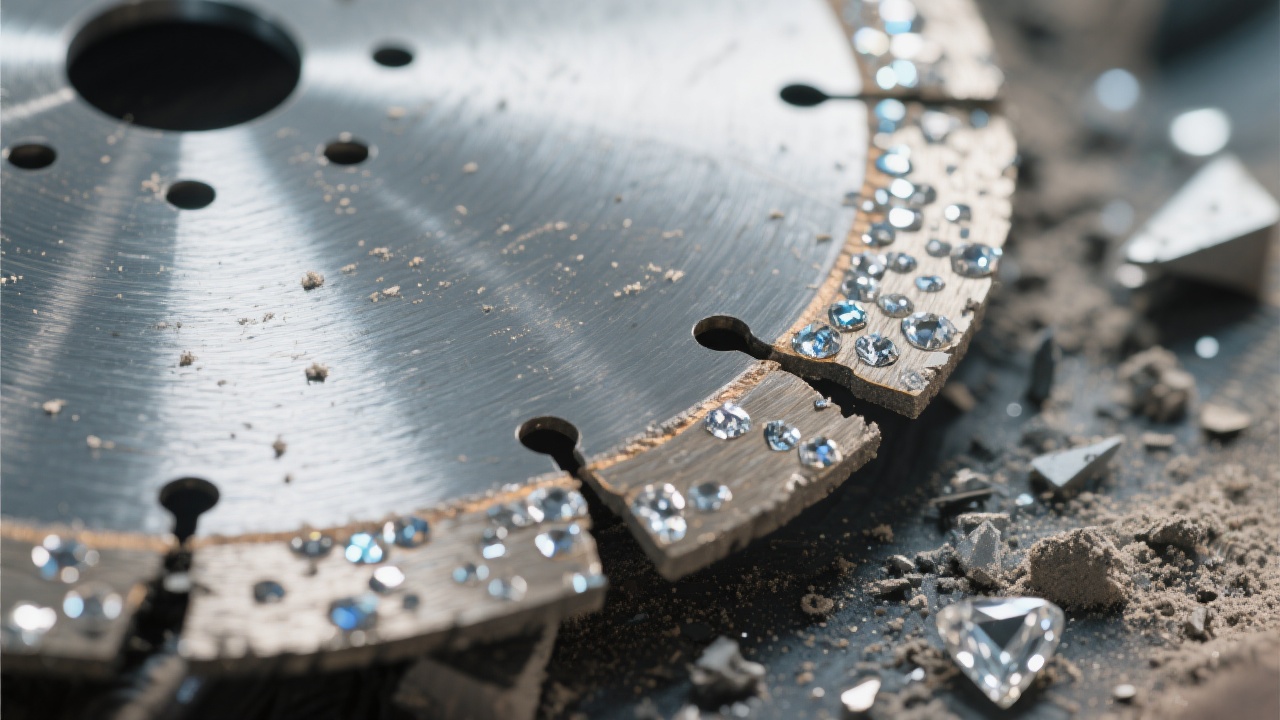
During the cutting process, several technical problems may occur, such as blade chipping, overheating, and rough cutting surfaces. Blade chipping can be caused by improper cutting parameters or a low-quality saw blade. To solve this problem, it is necessary to adjust the cutting speed and feed rate, and choose a high-quality saw blade. Overheating can be prevented by using a coolant or reducing the cutting load. A rough cutting surface can be improved by selecting the appropriate diamond particle size and matrix hardness.
Here is a common problem troubleshooting table:
| Problem | Cause | Solution |
|---|---|---|
| Blade chipping | Improper cutting parameters, low-quality saw blade | Adjust cutting speed and feed rate, choose a high-quality saw blade |
| Overheating | Lack of coolant, high cutting load | Use coolant, reduce cutting load |
| Rough cutting surface | Inappropriate diamond particle size, matrix hardness | Select the appropriate diamond particle size and matrix hardness |
To improve cutting efficiency and reduce operating costs, users can follow these practical tips. Firstly, choose the right saw blade according to the stone type and cutting requirements. Secondly, ensure proper installation and alignment of the saw blade to avoid unnecessary vibration and wear. Thirdly, use a coolant during cutting to reduce heat and extend the saw blade's service life. Finally, regularly inspect and maintain the saw blade to ensure its optimal performance.
In conclusion, selecting the right high-durability diamond saw blade is essential for achieving efficient and cost-effective stone cutting operations. The UHD brazed diamond saw blade 400, with its advanced technology and excellent performance, is a great choice for stone processing professionals. If you want to learn more about the advantages of the UHD brazed diamond saw blade 400 and explore the purchasing channels, click here.

.png?x-oss-process=image/resize,h_1000,m_lfit/format,webp)
.png?x-oss-process=image/resize,h_1000,m_lfit/format,webp)