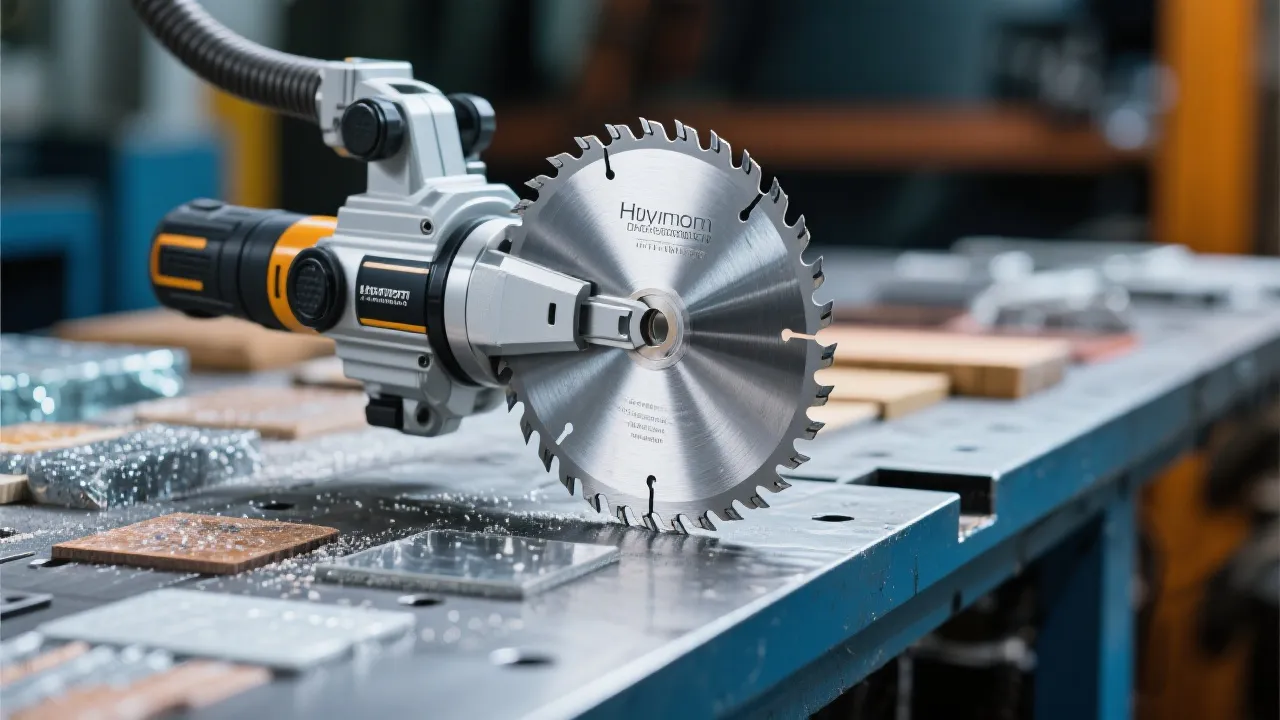
When it comes to stone cutting, choosing the right high - durability diamond saw blade is crucial. This article delves into the key parameters that can help you make an informed decision, and provides practical tips to enhance cutting efficiency.
The durability of a diamond saw blade is influenced by several factors. One of the most important is the diamond particle size distribution. Larger diamond particles generally offer faster cutting speeds but may result in a rougher cut surface. Smaller particles, on the other hand, can provide a smoother finish but may have a slower cutting rate. For example, in granite cutting, a saw blade with a medium - sized diamond particle distribution (around 30 - 50 mesh) can balance cutting speed and surface quality.
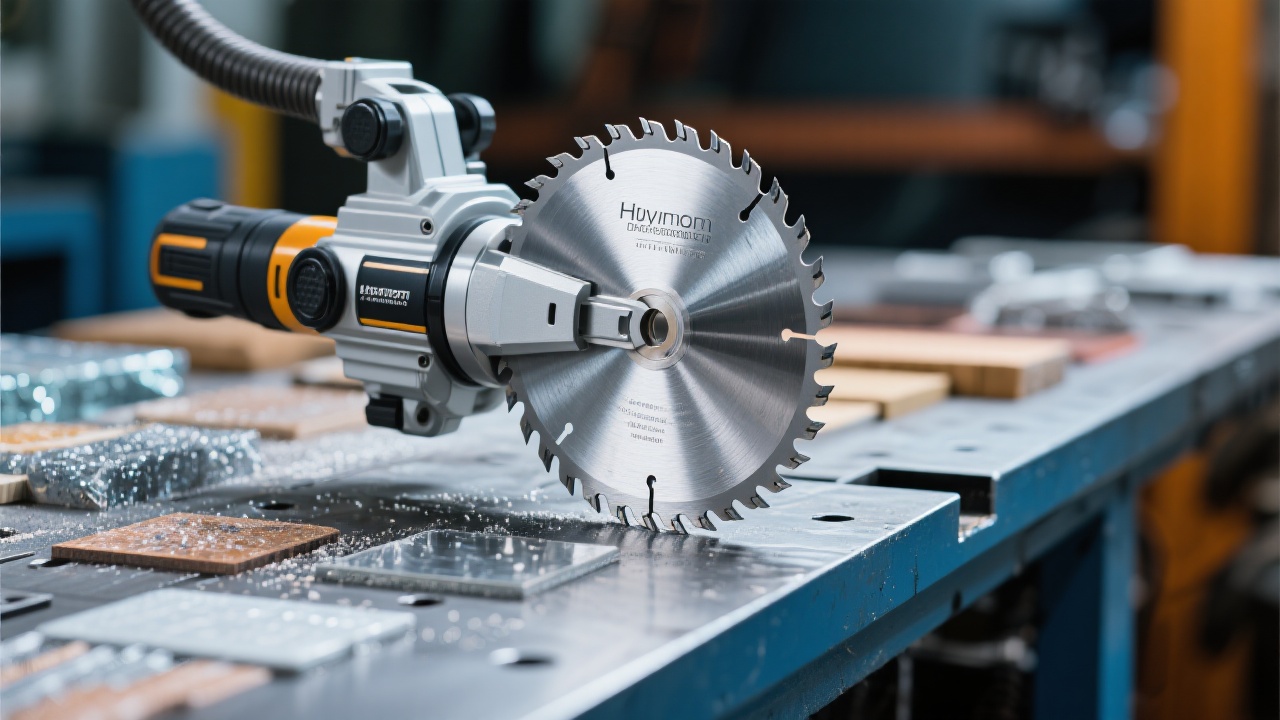
The thickness of the saw blade matrix also plays a significant role. A thicker matrix can provide more stability during cutting, reducing the risk of blade deflection. However, it may also increase the cutting resistance. For different stone types, the optimal matrix thickness varies. For marble, a matrix thickness of about 2 - 3mm is often suitable, while for granite, a slightly thicker matrix of 3 - 4mm may be required.
The hardness of the saw blade matrix is another critical factor. A harder matrix can hold the diamond particles more firmly, increasing the blade's durability. But it may also make the blade more brittle. A softer matrix, in contrast, is more flexible but may wear out the diamond particles more quickly. Table 1 shows a comparison of different matrix hardness and their suitability for various stone types:
| Matrix Hardness | Stone Type | Advantages | Disadvantages |
|---|---|---|---|
| Hard | Granite | High durability, long service life | More brittle, may cause chipping |
| Medium | Marble, Limestone | Balanced performance | May not be as durable as hard matrix for granite |
| Soft | Soft stones | Flexible, less cutting resistance | Quick wear of diamond particles |
Different stone types, such as granite and marble, have distinct characteristics, which require different saw blade performances. Granite is a hard and dense stone, so it demands a saw blade with high - strength diamond particles and a hard matrix. For instance, a case study showed that a company using a saw blade specifically designed for granite with a hard matrix and large - sized diamond particles increased their cutting efficiency by 30% compared to using a general - purpose saw blade.
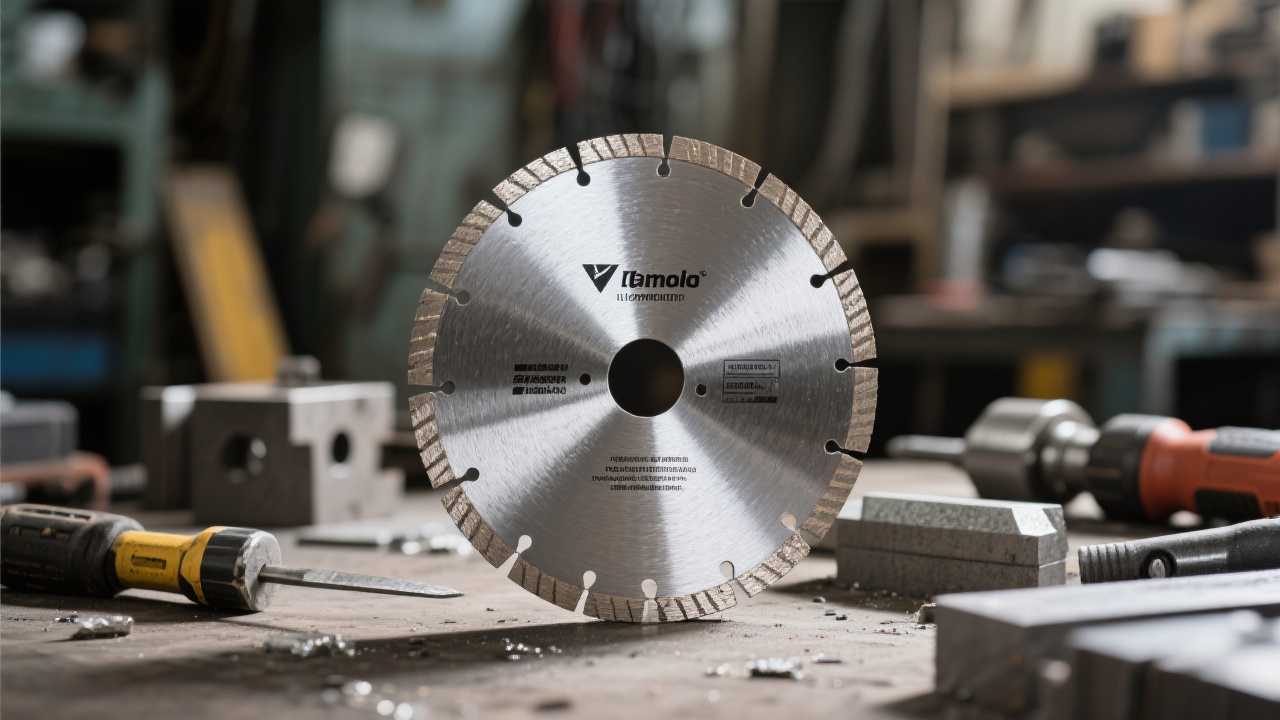
Marble, being a softer stone, can be cut with a saw blade having a softer matrix and smaller diamond particles. This can prevent excessive chipping and provide a smoother cut surface. A marble processing factory reported that by switching to a more suitable saw blade, they reduced the scrap rate by 20%.
During the cutting process, several common problems may occur, such as chipping, overheating, and a rough cut surface. Chipping is often caused by an improper diamond particle size or matrix hardness. To solve this problem, you can choose a saw blade with a more appropriate particle size and matrix hardness for the specific stone type. Overheating usually results from excessive cutting pressure or a lack of cooling. Using a coolant and reducing the cutting pressure can effectively prevent overheating.
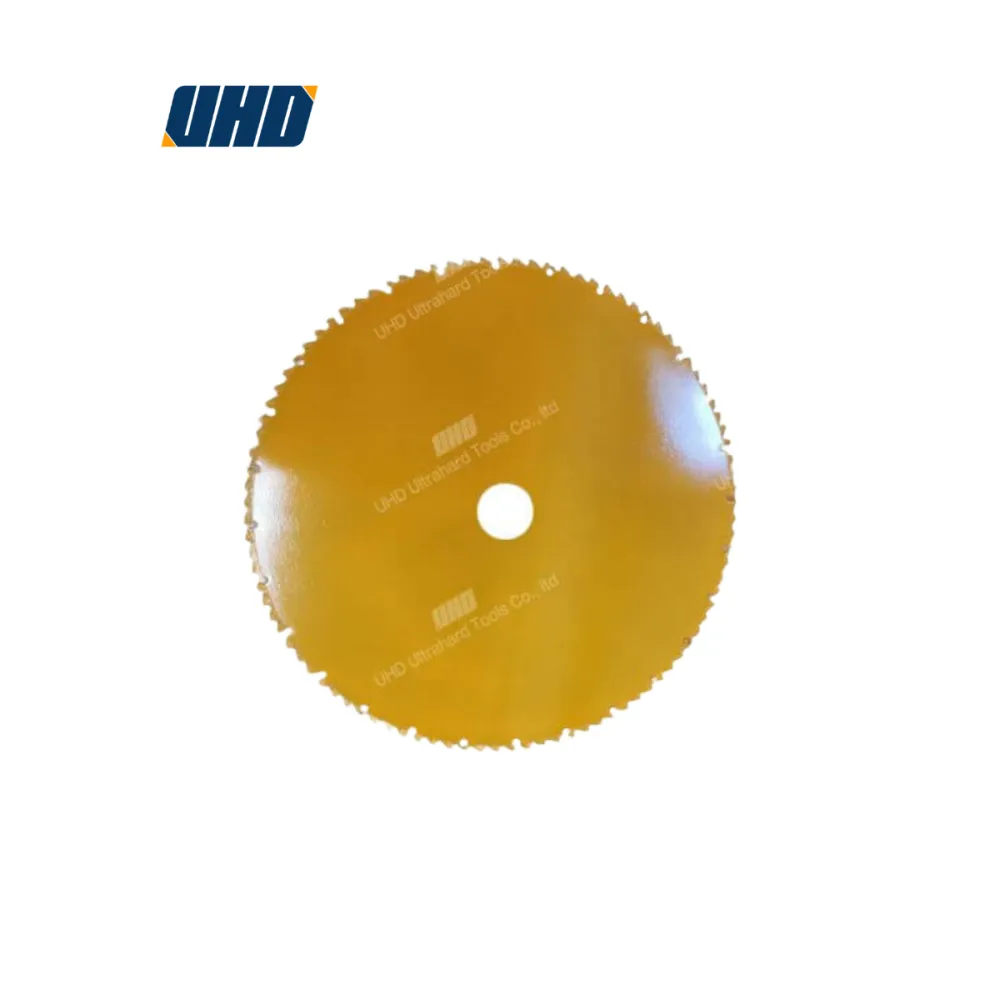
For a rough cut surface, it may be due to a worn - out saw blade or an incorrect cutting speed. Replacing the saw blade in time and adjusting the cutting speed can improve the surface quality. Our company's钎焊 diamond saw blade 400 is designed to address these common problems. With advanced brazing technology, it can firmly hold the diamond particles, reducing the risk of chipping and overheating, and providing a smoother cut surface.
To improve cutting efficiency, advanced design and technology can be utilized. For example, the brazing process can enhance the bonding strength between the diamond particles and the matrix, allowing for higher cutting speeds. Optimizing the diamond particle configuration and tooth shape design can also significantly improve cutting performance. Our钎焊 diamond saw blade 400 incorporates these advanced technologies, offering superior cutting efficiency and durability.
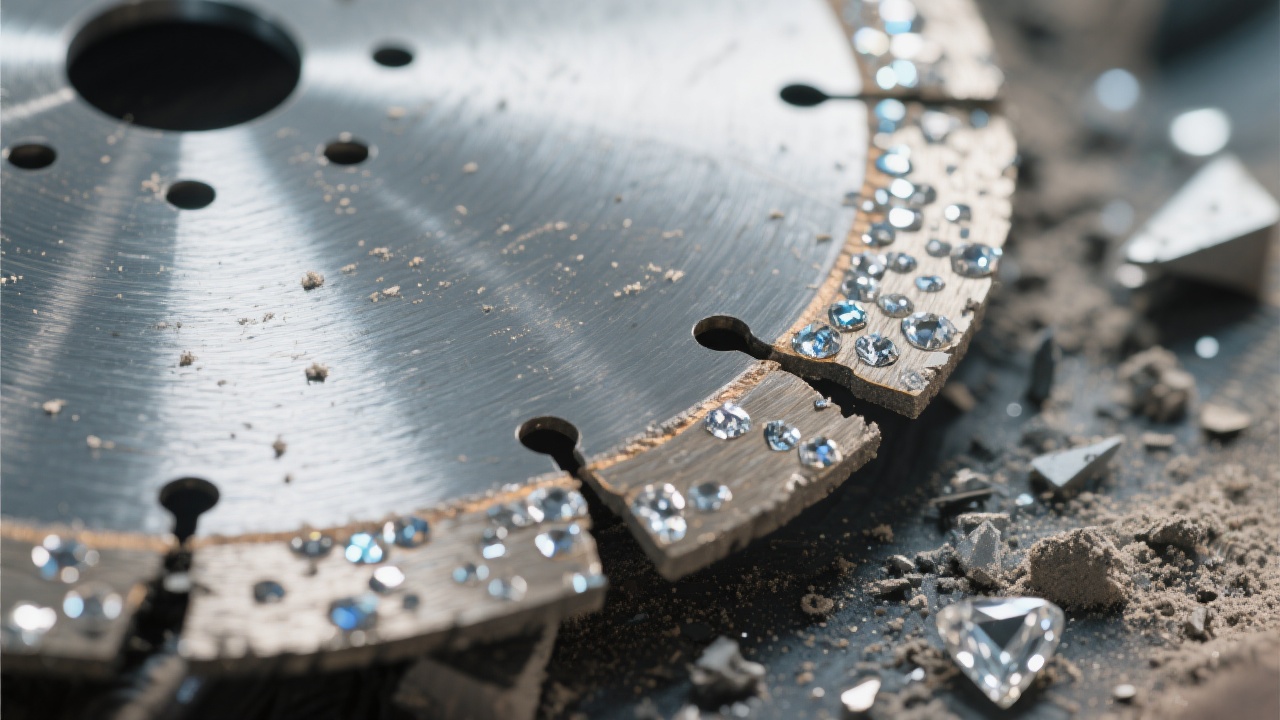
If you are looking for a reliable and efficient diamond saw blade for your stone cutting needs, don't miss our 钎焊 diamond saw blade 400. It is designed to meet the most demanding stone cutting requirements and can help you achieve high - quality and efficient stone processing.
.png?x-oss-process=image/resize,h_1000,m_lfit/format,webp)
.png?x-oss-process=image/resize,h_1000,m_lfit/format,webp)