In today's fiercely competitive global manufacturing landscape, optimizing tool performance stands as a decisive factor for export success. Brazed diamond saw blades have emerged as a pivotal solution enabling companies to elevate productivity and product quality. This article provides an in-depth analysis of how selecting high-performance brazed diamond saw blades significantly enhances export products’ market competitiveness by extending tool life, improving cutting efficiency, and decreasing operational costs.
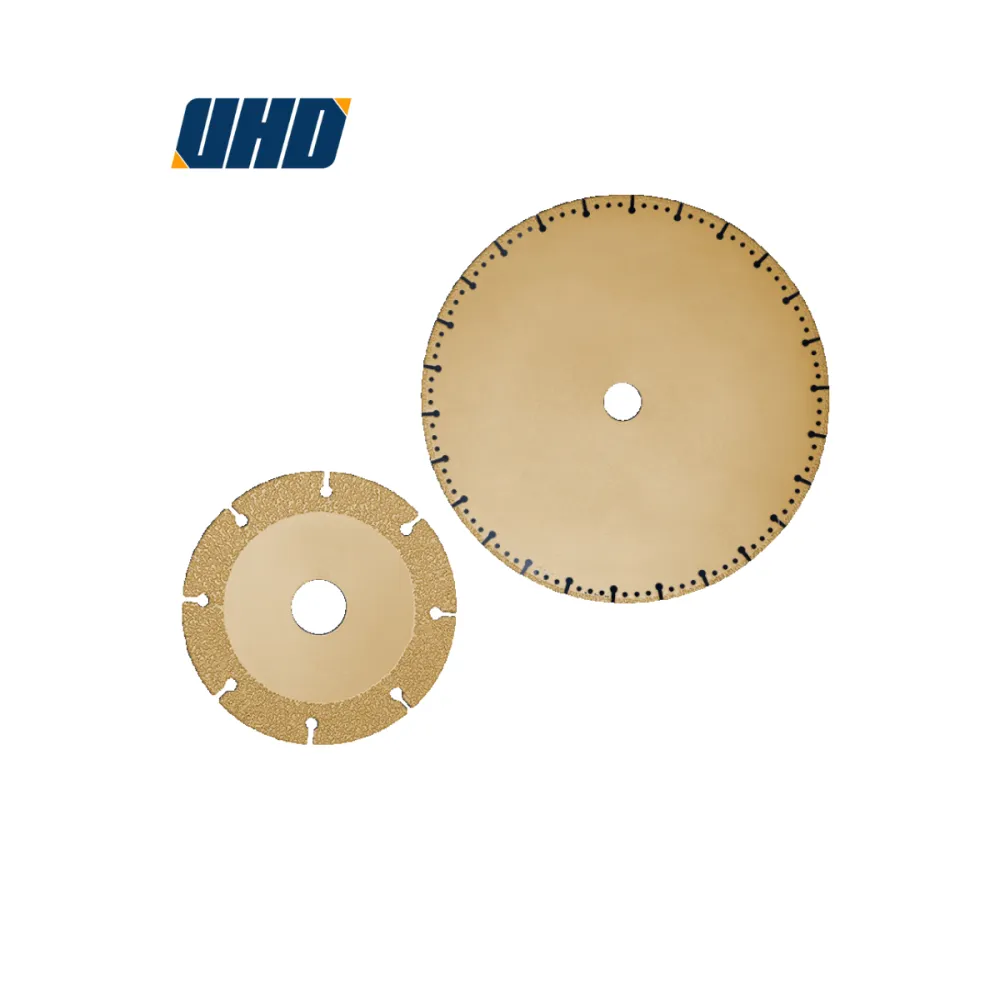
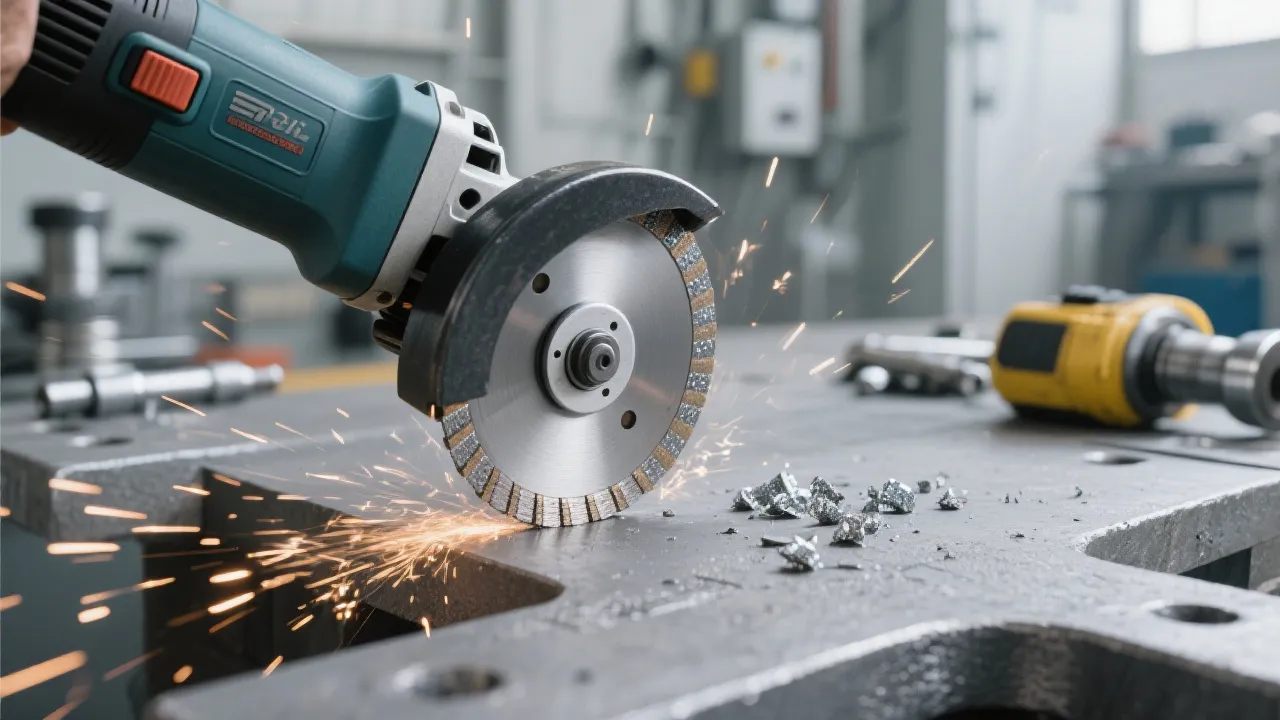
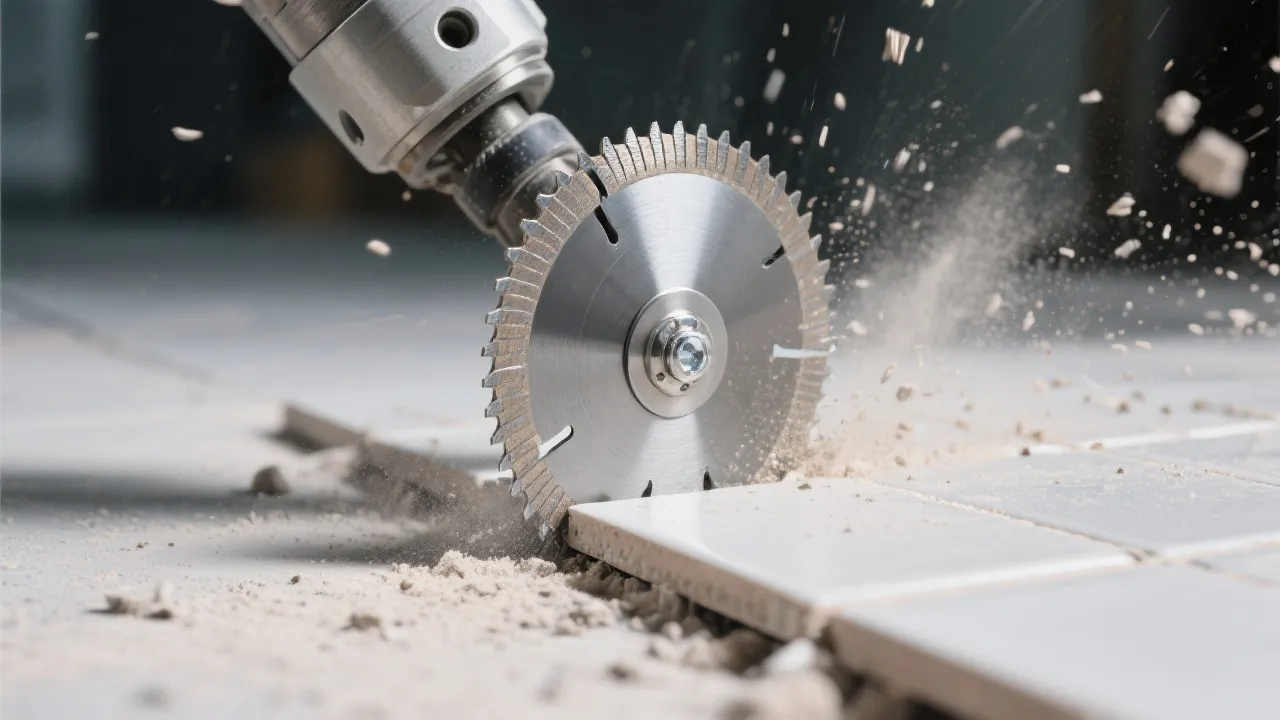
Brazed diamond saw blades integrate industrial-grade diamonds into the blade’s cutting edge through a copper brazing process, resulting in exceptional bonding strength and heat dissipation. These blades excel in cutting complex and hard materials such as ceramics, silicon wafers, composite alloys, and advanced ceramics used widely in electronics, automotive, aerospace, and construction industries.
“Compared to electroplated or sintered blades, brazed diamond saw blades deliver up to 30% longer cutting life and 25% higher cutting precision on hard substrates.” — Industry Performance Study, 2023
One of the strongest competitive advantages of brazed diamond saw blades lies in their outstanding wear resistance and service longevity. The brazing technique ensures a robust diamond-to-metal interface, minimizing diamond drop-off even under high mechanical stress and thermal loads. Consequently, manufacturers realize a significant reduction in the frequency of blade replacements, translating into substantial indirect cost savings.
The extended lifespan of brazed diamond saw blades directly mitigates production interruptions caused by frequent tool maintenance or replacement. Enhanced wear resistance preserves cutting edge sharpness, which reduces energy consumption by up to 15% during cutting operations and minimizes heat generation, thereby heightening overall throughput.
Moreover, these blades’ superior cutting quality reduces secondary processing needs, such as re-grinding or polishing, further driving down operational expenses while ensuring consistent component accuracy vital in highly regulated export markets.
For instance, a leading electronics component maker integrated brazed diamond saw blades into its wafer slicing lines. They observed a 20% increase in production capacity due to reduced blade downtime and a marked improvement in slice quality accuracy from ±5 microns to ±3 microns—essential improvements to meet stringent export client specifications. Safety incidents related to blade failure dropped by 40% owing to the blades’ stable design and superior heat management.
Besides performance benefits, brazed diamond saw blades are engineered with safety as a priority. Their strong bond integrity lowers the risk of blade fragments detaching during operation, reducing hazard potential for operators. Additionally, better thermal conductivity minimizes blade overheating, protecting adjacent components and preserving work environment stability—critical for maintaining compliance with international occupational safety standards.
Manufacturers aiming to leverage brazed diamond saw blades for competitive export positioning should evaluate:
Partnering with manufacturers offering tailored blade options for specific materials ensures ultimate cost-efficiency and maximizes end-product quality, fostering stronger buyer confidence abroad.
.png?x-oss-process=image/resize,h_1000,m_lfit/format,webp)

.png?x-oss-process=image/resize,h_1000,m_lfit/format,webp)