.png?x-oss-process=image/resize,h_1000,m_lfit/format,webp)
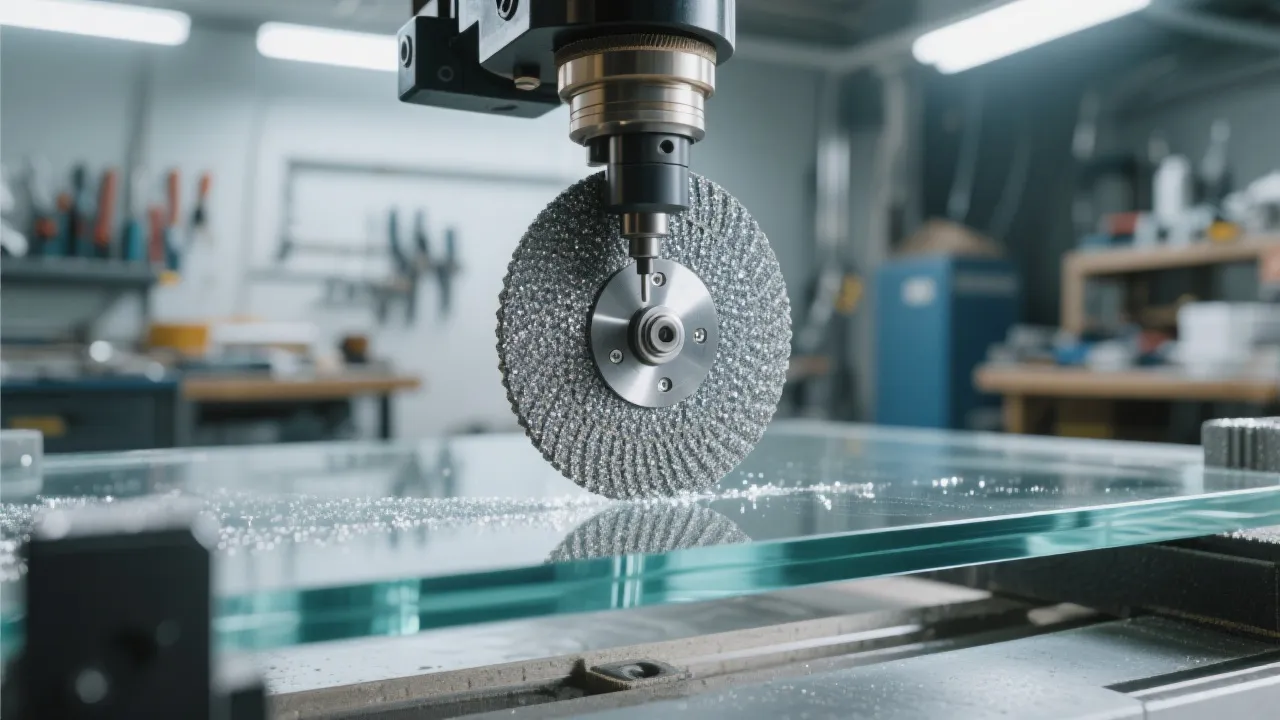
In the competitive landscape of modern manufacturing, precision and efficiency are no longer optional—they're essential. For professionals in metalworking and stone processing industries, the choice of cutting tools directly impacts production outcomes, operational costs, and ultimately, market competitiveness. This article explores how advanced superhard materials and vacuum brazing technology are revolutionizing diamond cutting tools, delivering unprecedented performance gains for industrial applications.
Traditional cutting tools often struggle to balance durability and cutting efficiency, especially when processing high-hardness materials. According to industry research, manufacturing facilities lose an average of 12-15% of productive time due to tool更换 and maintenance. This translates to approximately $45,000 in lost productivity annually for a mid-sized operation. The introduction of superhard material technology has transformed this equation, offering a new paradigm in cutting performance.
Industry Insight:
Modern superhard diamond tools can achieve up to 300% longer service life compared to conventional carbide tools when processing abrasive materials like granite and reinforced concrete.
The term "superhard materials" refers to synthetic diamond and cubic boron nitride (CBN) composites engineered to deliver exceptional hardness—typically exceeding 40 GPa on the Vickers hardness scale. These materials are created through high-pressure, high-temperature (HPHT) processes that align carbon atoms into perfect crystalline structures, resulting in cutting edges that maintain their integrity even under extreme thermal and mechanical stress.
.png)
Key advantages of superhard materials include:
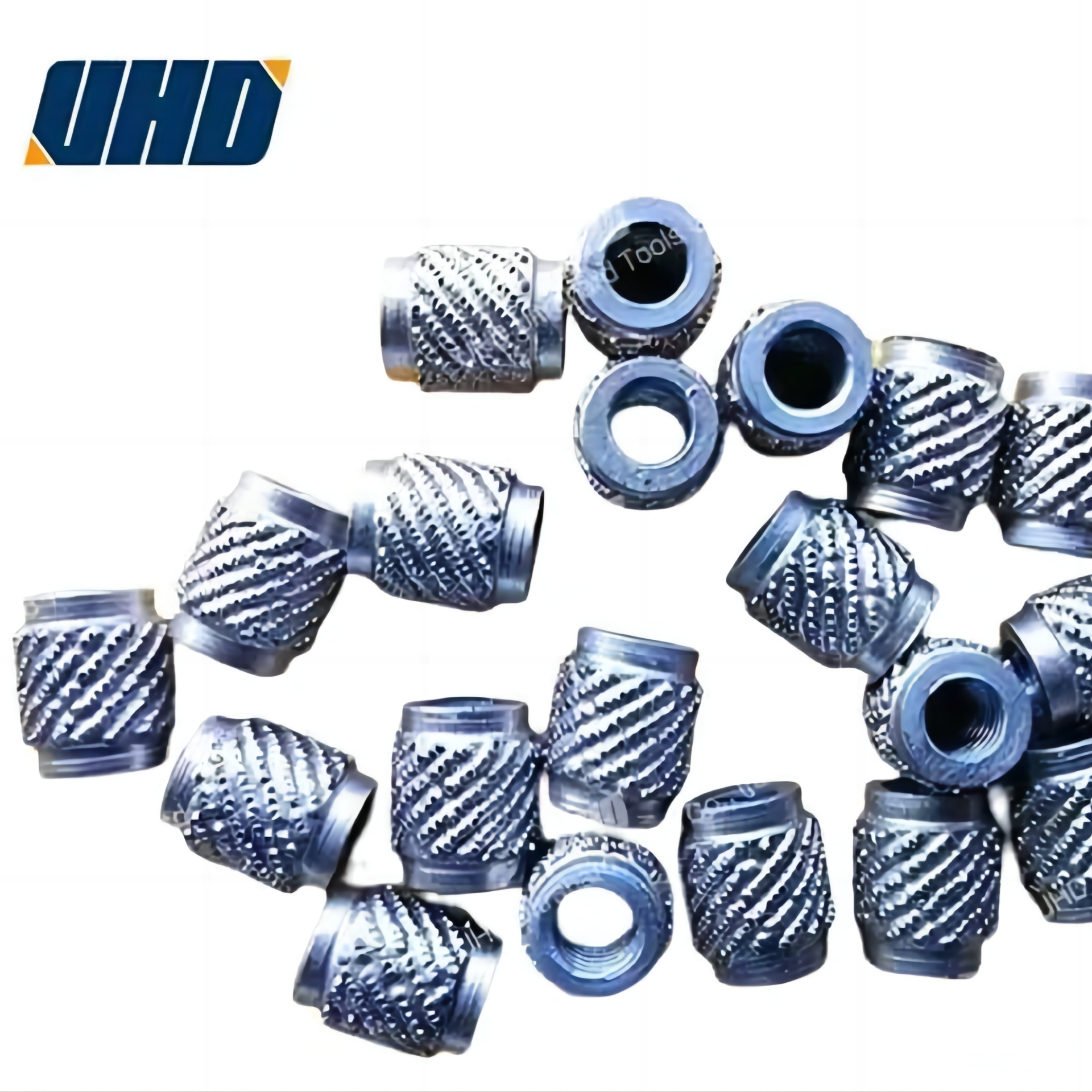
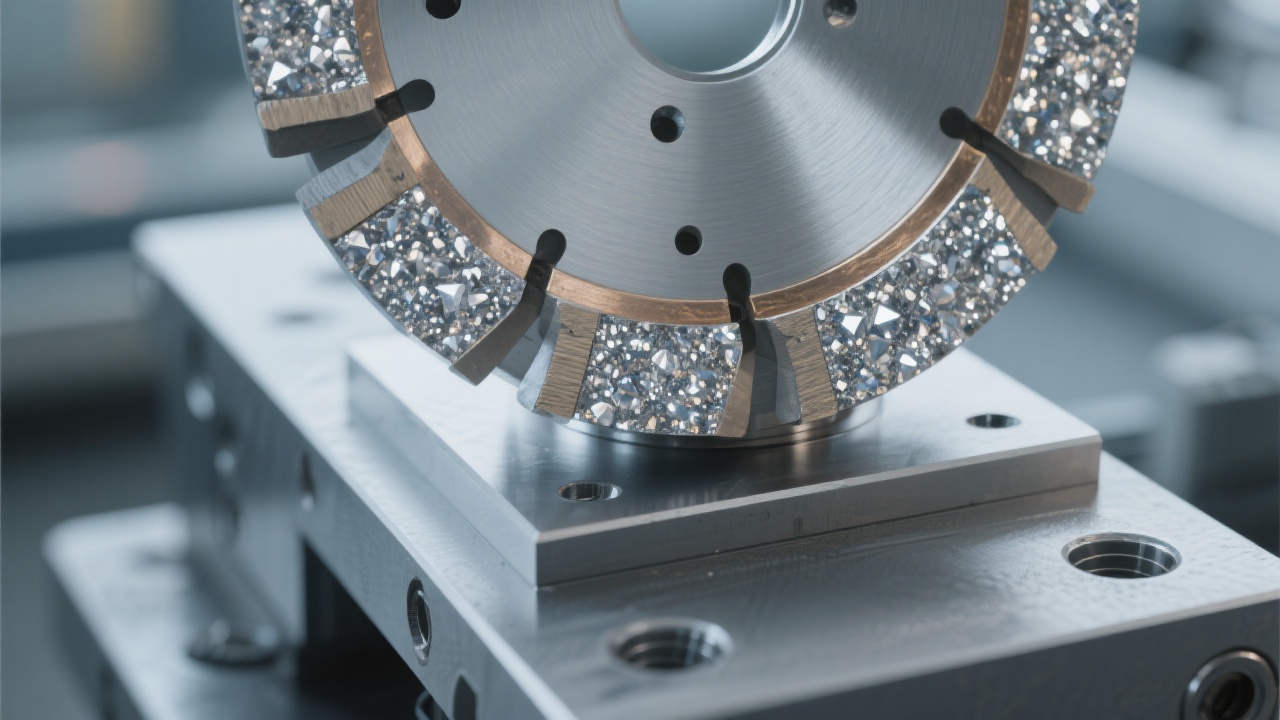
While high-quality diamond grit forms the cutting edge, the method used to bond these diamonds to the tool substrate is equally critical. Vacuum brazing technology represents a significant advancement over traditional electroplating and sintering methods, offering superior bond strength and diamond exposure.
In the vacuum brazing process, diamond particles are bonded to the tool matrix using a high-temperature alloy in a controlled vacuum environment. This eliminates oxidation and ensures uniform distribution of bonding material, resulting in bonds that can withstand up to 350 MPa of shear force—significantly higher than the 150-200 MPa typically achieved with conventional methods.
Different materials present unique challenges that require specialized tool configurations. Understanding how to match tool design with material properties can significantly impact productivity and tool life.
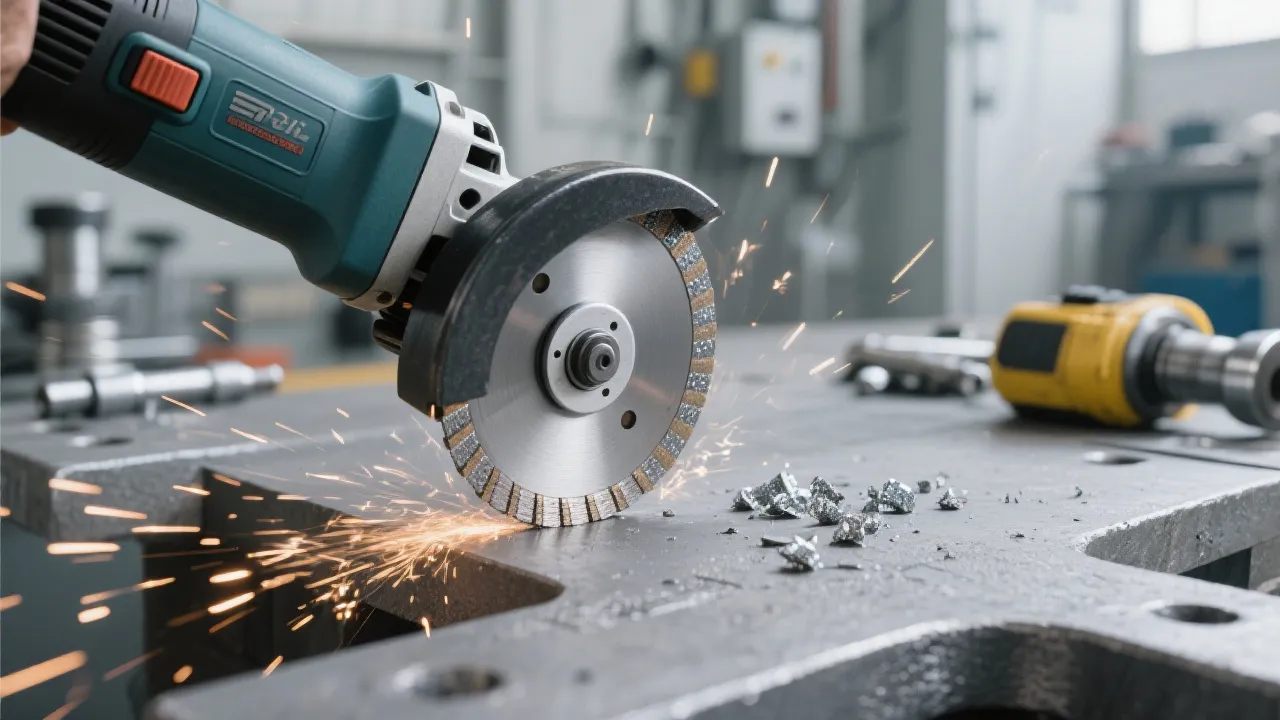
For metalworking applications, particularly with hardened steels (45 HRC and above) and superalloys, diamond tools with a fine grit size (30/40 to 120/140 mesh) and medium concentration (75-100%) deliver optimal results. These configurations balance material removal rate with surface finish quality.
In a case study involving aerospace titanium alloy machining, a manufacturer implemented vacuum-brazed diamond tools and achieved:
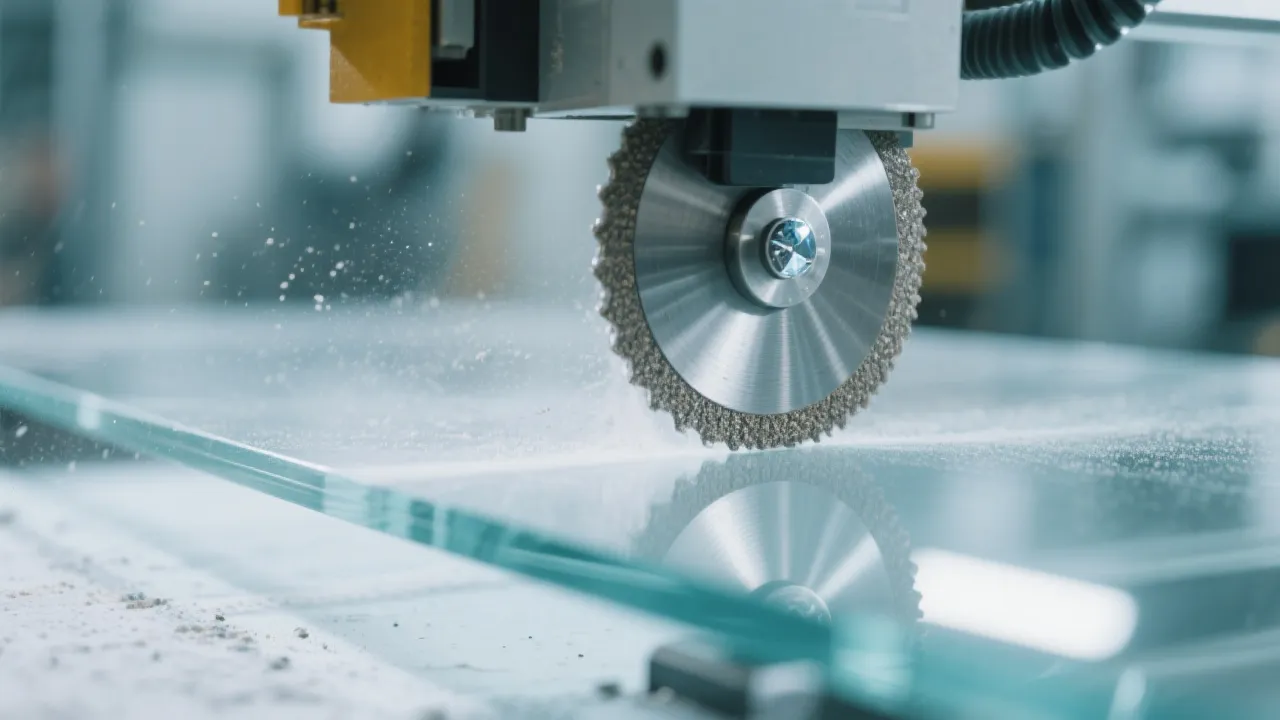
Stone processing demands tools that can withstand extreme abrasion while maintaining cutting efficiency. For granite and marble processing, coarser grit sizes (20/30 to 50/60 mesh) with higher concentrations (100-125%) are recommended. The increased diamond exposure allows for efficient cutting of abrasive materials while reducing heat buildup.
| Material Type | Recommended Grit Size | Diamond Concentration | Optimal Speed Range |
|---|---|---|---|
| Hardened Steel (>45 HRC) | 60/80 - 120/140 | 75-100% | 15-25 m/s |
| Cast Iron | 40/50 - 80/100 | 50-75% | 20-30 m/s |
| Granite | 20/30 - 50/60 | 100-125% | 25-40 m/s |
| Marble | 30/40 - 60/80 | 75-100% | 30-45 m/s |
Across various industries, the adoption of advanced diamond cutting tools has yielded measurable improvements in operational efficiency. A leading automotive parts manufacturer specializing in transmission components recently transitioned to vacuum-brazed diamond tools for finishing hardened steel gears. The results were striking: tool life increased from 800 parts per tool to 3,100 parts per tool, while maintaining tighter tolerances and reducing surface roughness by 35%.
In the construction sector, a stone processing company implementing superhard diamond blades reported a 42% reduction in cutting time for granite slabs, along with a 60% decrease in tool更换 frequency. This translated to annual savings of approximately $75,000 in labor and tool costs, while enabling the company to increase production capacity by 28% without additional equipment investments.
Discover how UHD's advanced diamond cutting tools can reduce your production costs while improving precision and throughput. Our team of application specialists can help you select the optimal tool configuration for your specific materials and processes.
Get Your Custom Tool RecommendationAs manufacturing processes continue to evolve toward higher precision and greater efficiency, the role of advanced cutting tools becomes increasingly critical. By leveraging the latest developments in superhard materials and vacuum brazing technology, manufacturers can achieve performance levels that were previously unattainable, gaining a significant competitive advantage in today's global marketplace.
Selecting the right cutting tool involves careful consideration of material properties, cutting parameters, and application requirements. With the right approach, companies can minimize downtime, reduce operational costs, and improve product quality—all essential elements for success in today's demanding manufacturing environment.

.png?x-oss-process=image/resize,h_1000,m_lfit/format,webp)