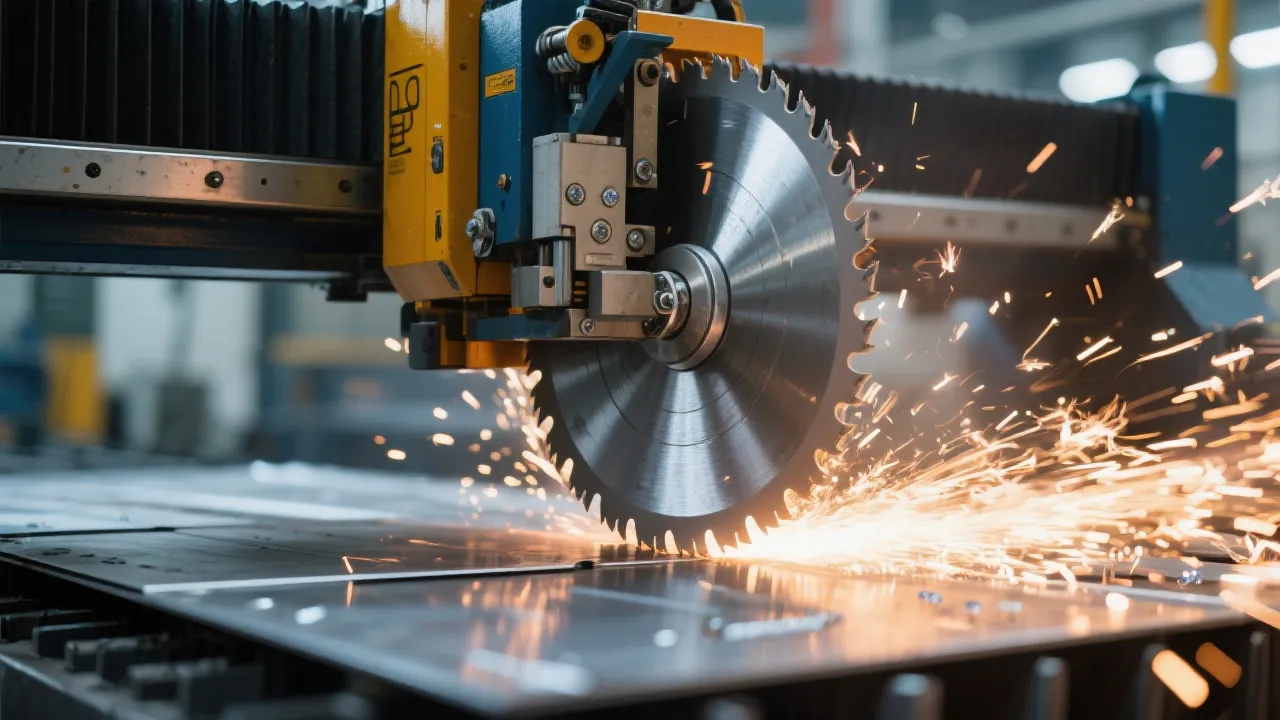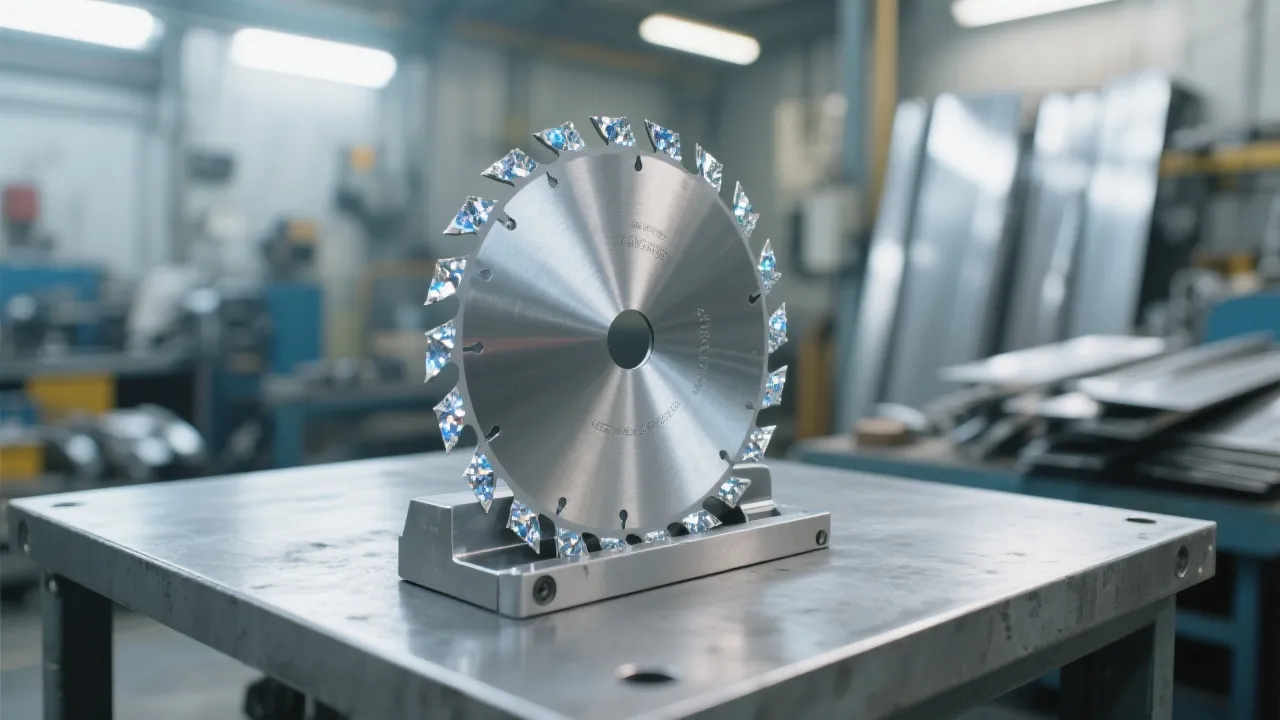
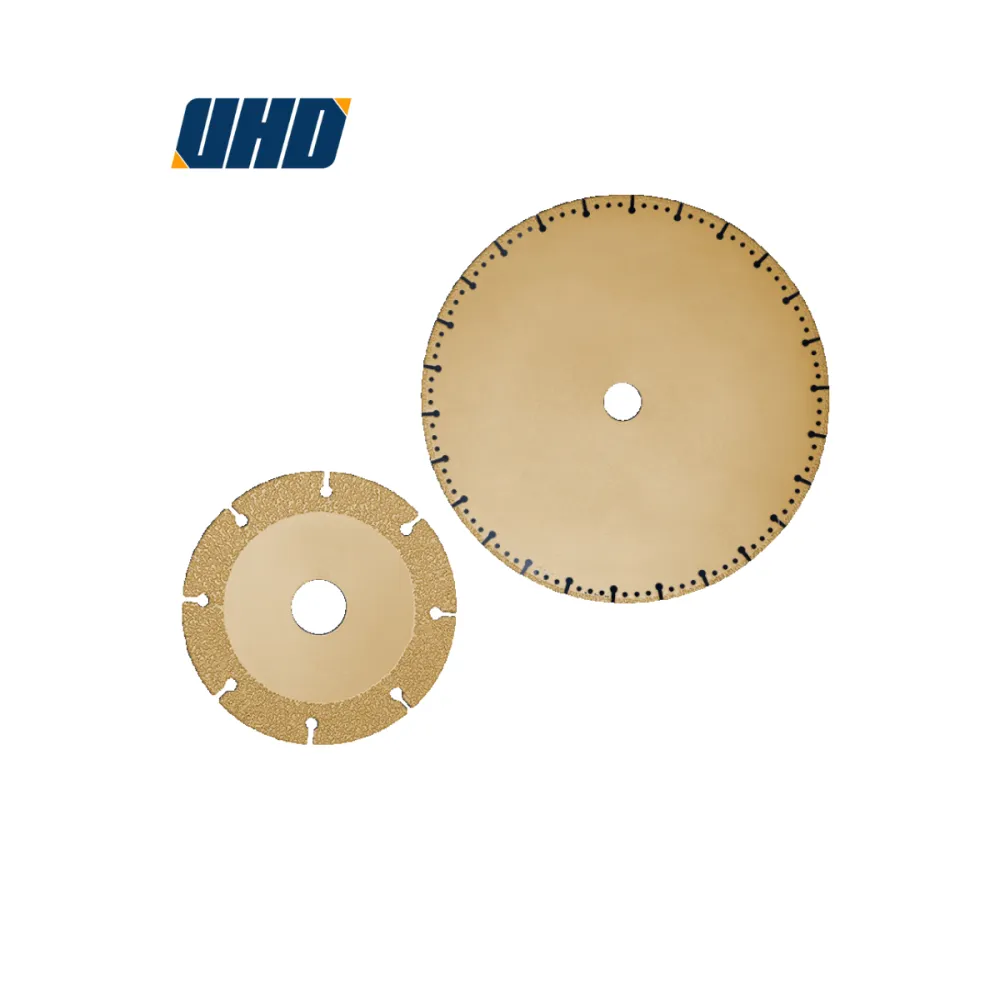
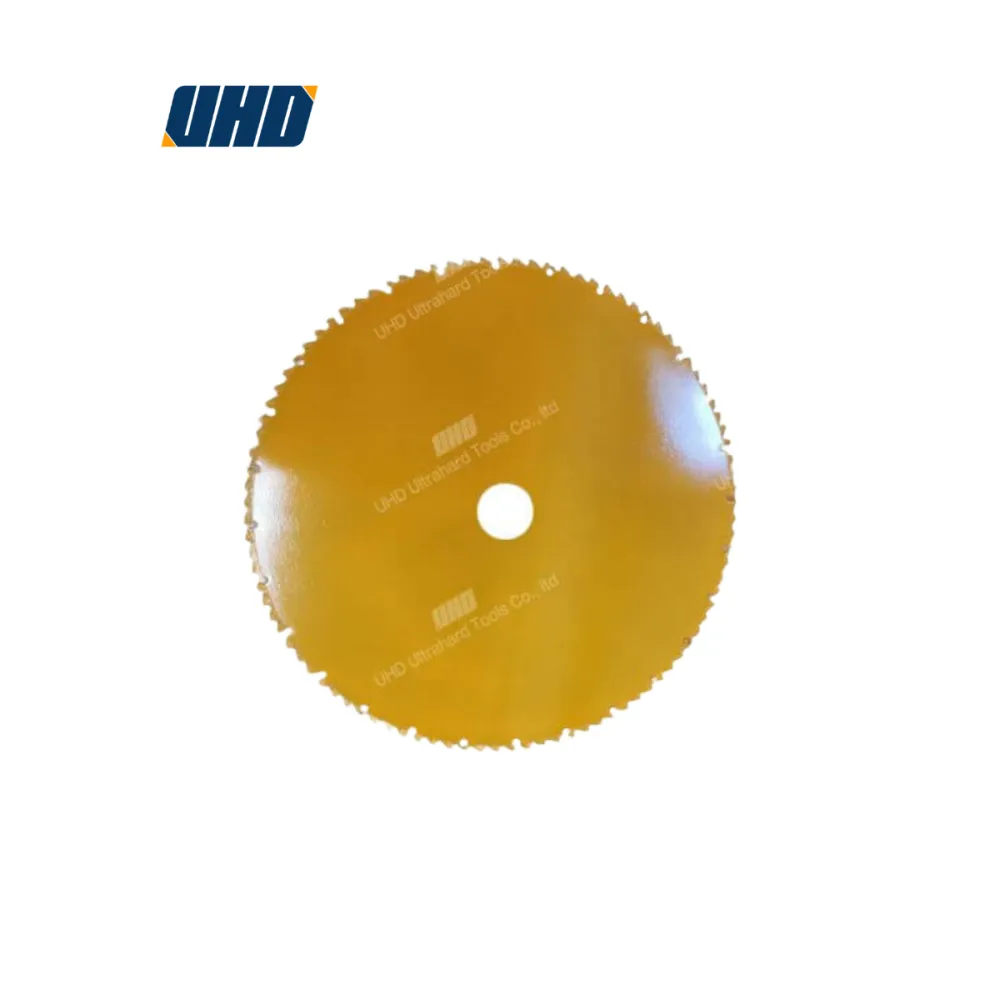
In the realm of mechanical manufacturing and mold repair, the demand for efficient and precise cutting tools is ever - increasing. Brazed diamond saws, with their unique high - temperature brazing process, have emerged as a game - changer for cutting complex workpieces.
The high - temperature brazing process of brazed diamond saws is a sophisticated technique that ensures a stable bond between diamond particles and the high - manganese steel substrate. According to research, the bond strength achieved through this process can be up to 30% higher than traditional bonding methods, which significantly enhances the overall performance of the saw blade.
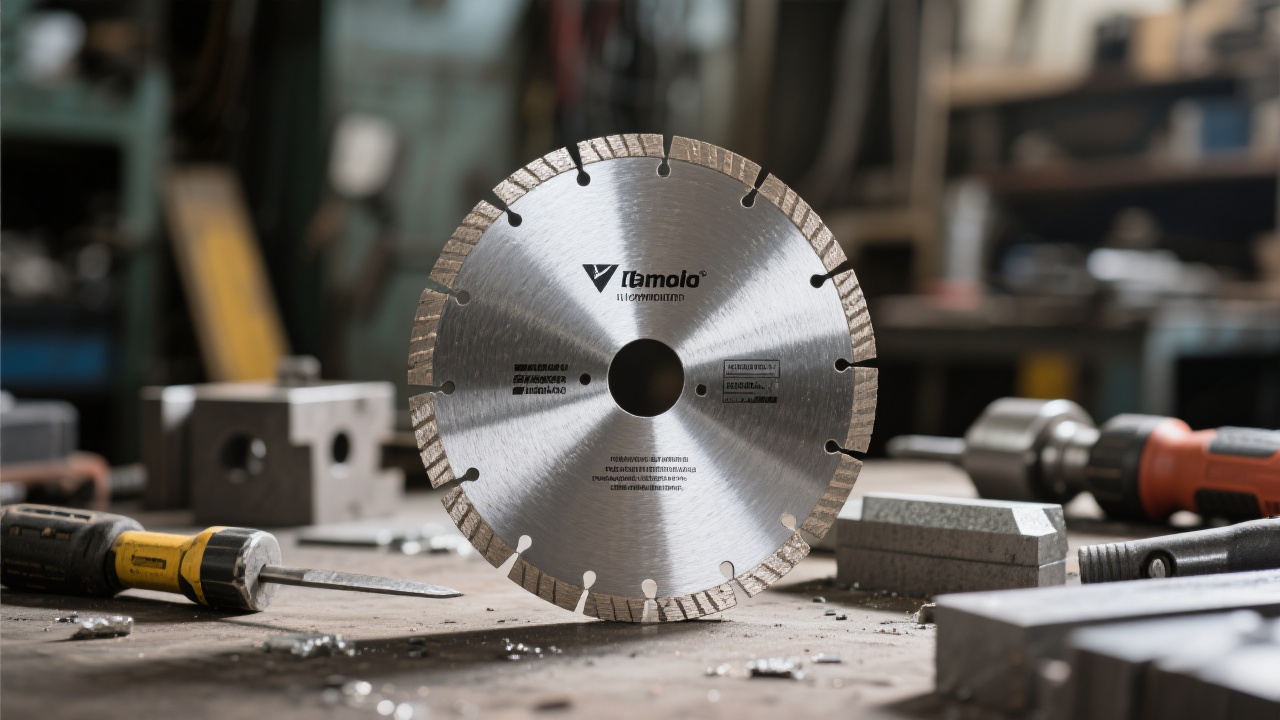
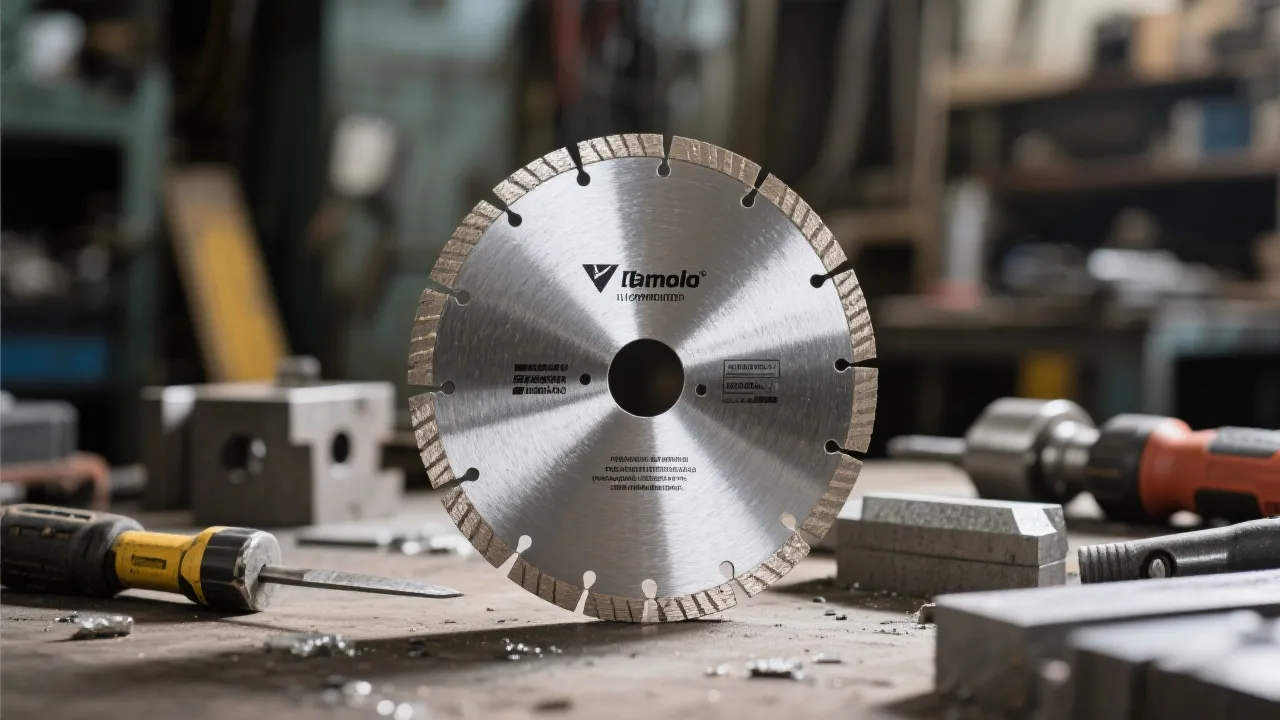
When it comes to cutting difficult - to - machine materials such as gray cast iron, ductile cast iron, stainless steel, and hard alloys, brazed diamond saws outshine traditional resin saws. For example, in cutting gray cast iron, the cutting efficiency of brazed diamond saws can be 20% - 30% higher compared to resin saws. The evenly distributed high - grade diamond particles on the saw blade can effectively cut through these tough materials, reducing the cutting time and improving productivity.
The high - manganese steel substrate design of brazed diamond saws also plays a crucial role. Its ultra - thick design provides better stability during the cutting process, reducing the risk of blade deformation and improving cutting safety. In addition, the high - manganese steel substrate has excellent wear - resistance, which can extend the service life of the saw blade.
In terms of wear - resistance, brazed diamond saws have a clear advantage. Resin saws tend to wear out quickly, especially when cutting hard materials, while brazed diamond saws can maintain their cutting performance for a longer time. A comparative experiment showed that the wear rate of brazed diamond saws is only about 1/3 of that of resin saws under the same cutting conditions.
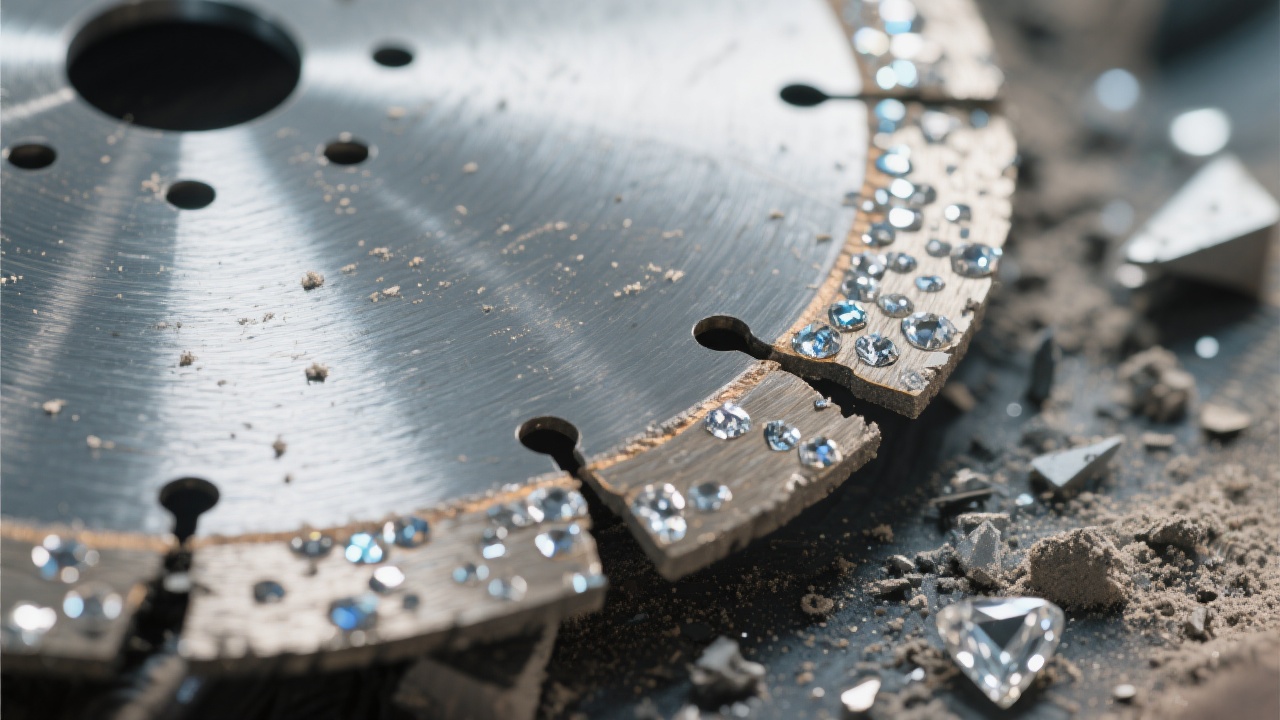
Another significant difference lies in dust control. Resin saws generate a large amount of dust during the cutting process, which not only pollutes the working environment but also poses a health risk to operators. In contrast, brazed diamond saws produce less dust, contributing to a cleaner and safer working environment. Moreover, in terms of energy consumption and maintenance frequency, brazed diamond saws are more efficient. They require less energy to operate and need less frequent maintenance, reducing the overall operating cost.
Brazed diamond saws are widely used in mechanical manufacturing and mold repair industries. They can also be applied to cutting other complex workpieces such as stone, glass, and ceramics. In the stone industry, for example, brazed diamond saws can cut through hard granite and marble with high precision, meeting the high - quality requirements of stone processing.
To further understand the performance of brazed diamond saws, here is a Q&A section addressing some common industry pain points:
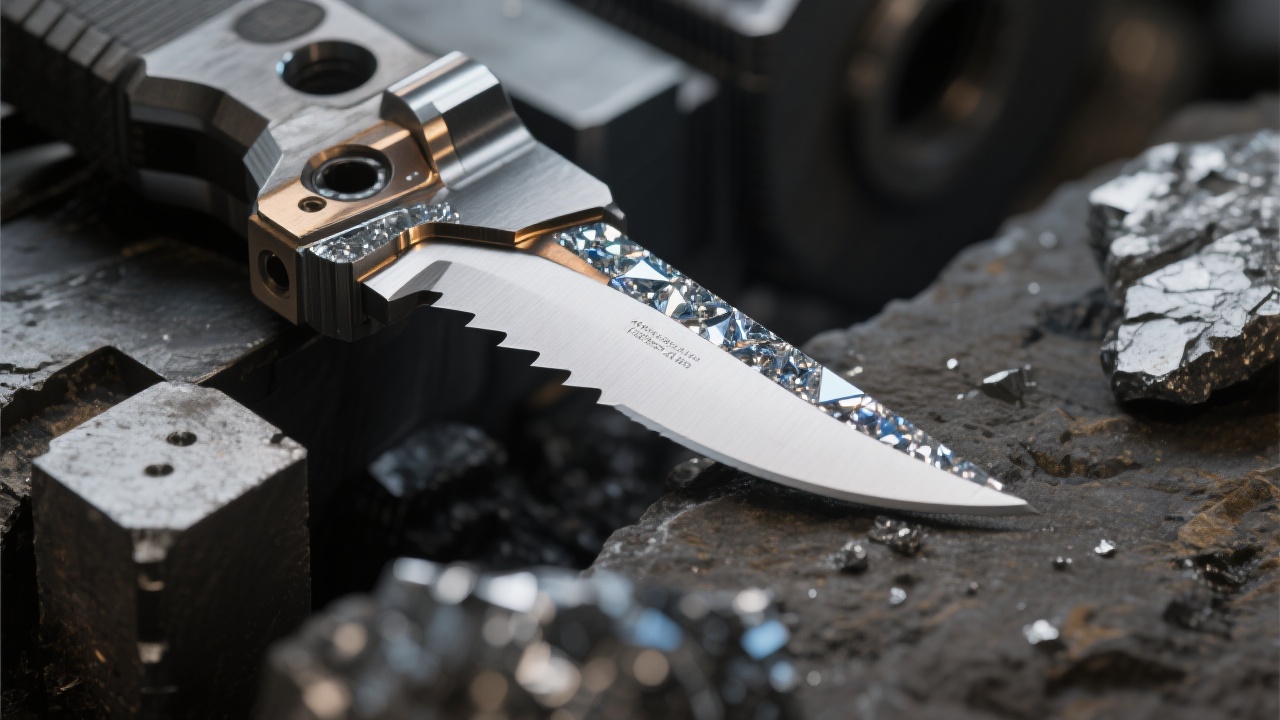
In conclusion, brazed diamond saws, with their advanced high - temperature brazing process, offer significant advantages in cutting complex workpieces. They provide a more efficient, environmentally - friendly, and cost - effective solution for mechanical manufacturing and mold repair industries. If you are looking for a high - performance cutting tool, don't miss out on our brazed diamond saws. Click here to get more product information and technical support!
.png?x-oss-process=image/resize,h_1000,m_lfit/format,webp)
.png?x-oss-process=image/resize,h_1000,m_lfit/format,webp)