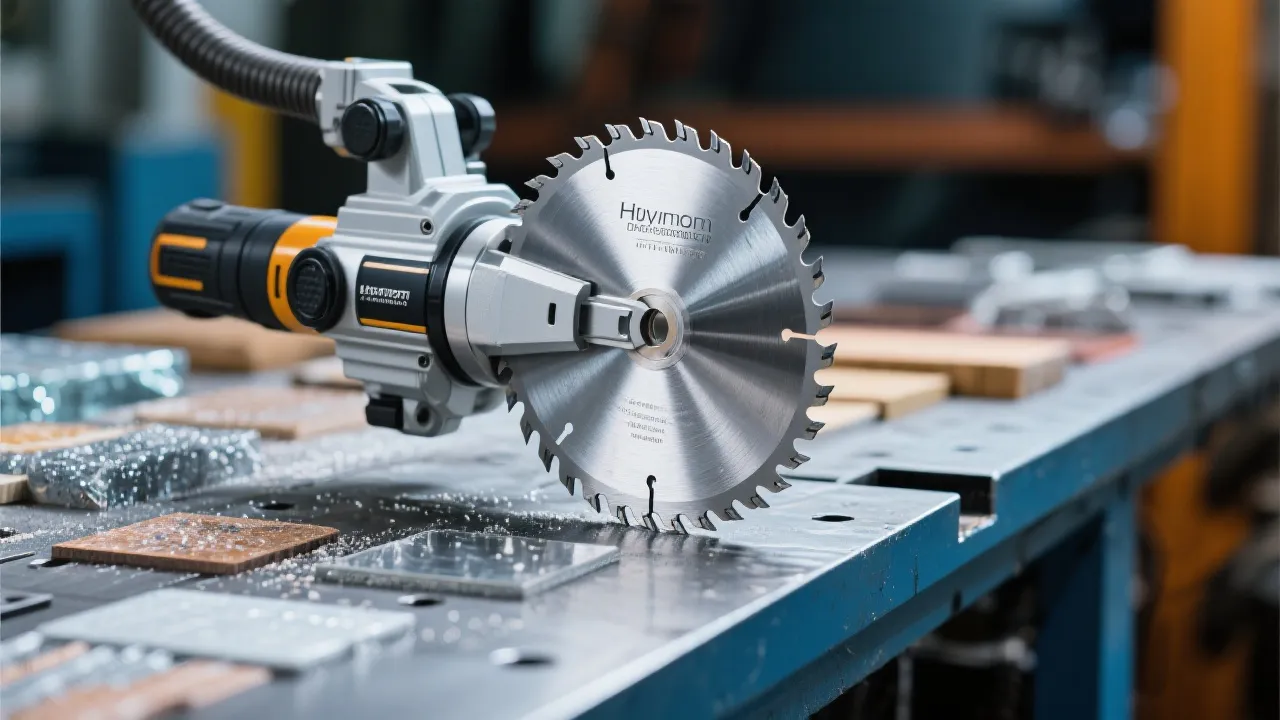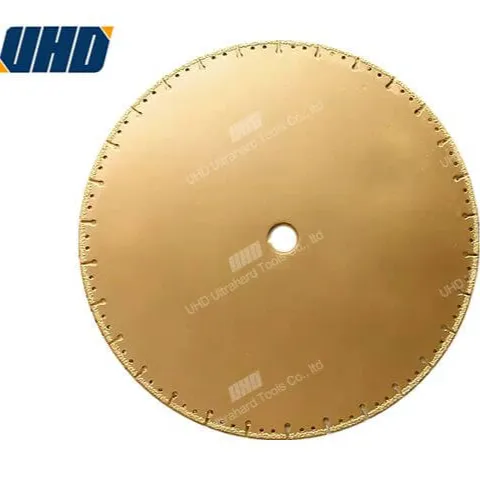
In the metal processing industry, high equipment downtime rates have long been a headache for decision - makers and technical managers. Frequent machine stops not only reduce production efficiency but also increase maintenance costs, seriously affecting the overall competitiveness of enterprises. However, the emergence of high - efficiency diamond tools provides an effective solution to this problem.
The hardness of the material is a fundamental factor in determining the performance of diamond tools. High - hardness materials can withstand greater pressure and friction, significantly improving the wear resistance of the tool. For example, in the processing of high - strength alloy steels, diamond tools with appropriate hardness can reduce the wear rate by up to 30% compared to ordinary tools. Choosing the right material hardness is crucial for reducing tool failure rates and extending tool life.
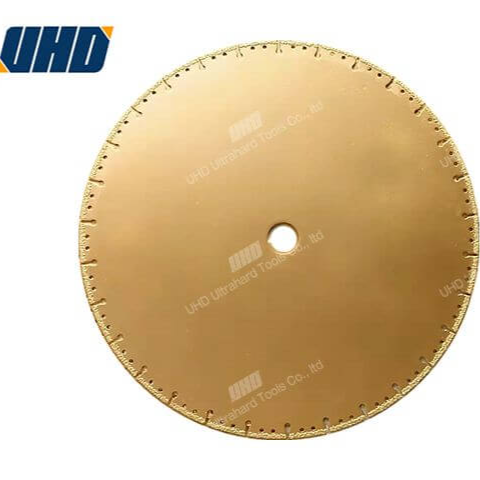
A reasonable tool structure design can effectively improve the cutting performance and stability of diamond tools. For instance, some innovative tool structures can optimize the distribution of cutting forces, reducing the impact on the tool during the cutting process. This not only improves the processing accuracy but also reduces the probability of tool breakage. According to industry statistics, well - designed diamond tools can increase processing efficiency by about 20%.
Coating technology is another important factor in enhancing the performance of diamond tools. A high - quality coating can reduce friction between the tool and the workpiece, improve heat dissipation, and prevent the adhesion of chips. In some cases, advanced coating technologies can increase the tool's wear resistance by 40% or more, thereby significantly reducing the frequency of tool replacement.
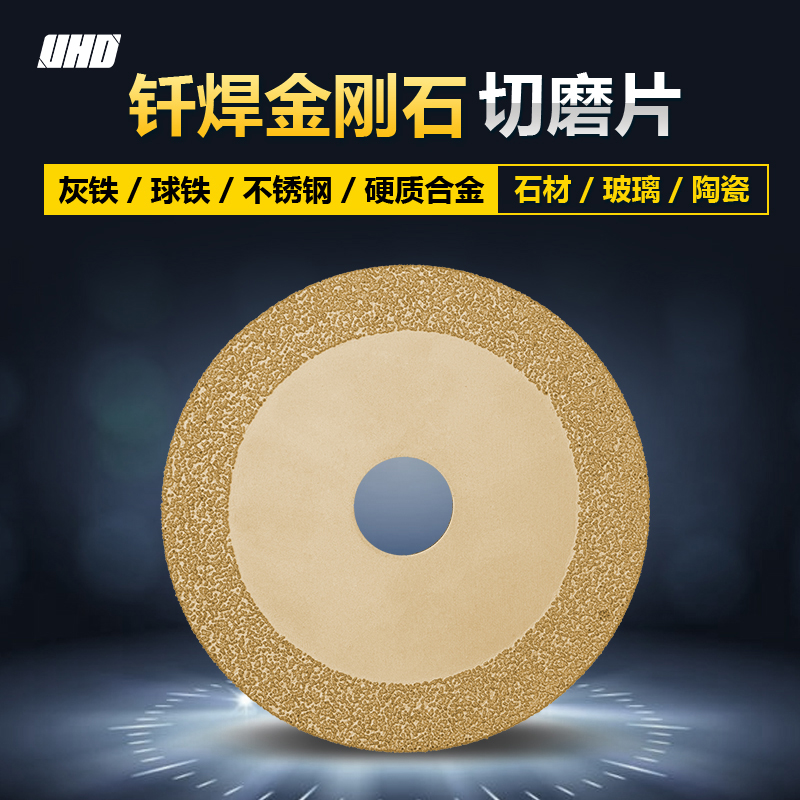
Every metal processing enterprise has its own unique working conditions and requirements. Therefore, customized diamond tools are essential to meet these specific needs. Working with a professional technical team can ensure that the tools are tailored to the workpiece material, processing parameters, and other factors. For example, adjusting the diamond concentration according to the workpiece material can improve the processing effect and tool life. However, many enterprises often fall into the trap of choosing low - cost but short - lived tools, which actually increases the overall cost in the long run.
Let's take a look at some real - world industrial cases. A metal processing plant was facing a high downtime rate due to frequent tool failures. After adopting high - efficiency diamond tools with optimized material hardness, advanced structure design, and innovative coating technology, the plant reduced the machine failure rate by 50% and increased the processing efficiency by 35%. This not only saved a lot of maintenance costs but also improved the production capacity and product quality.
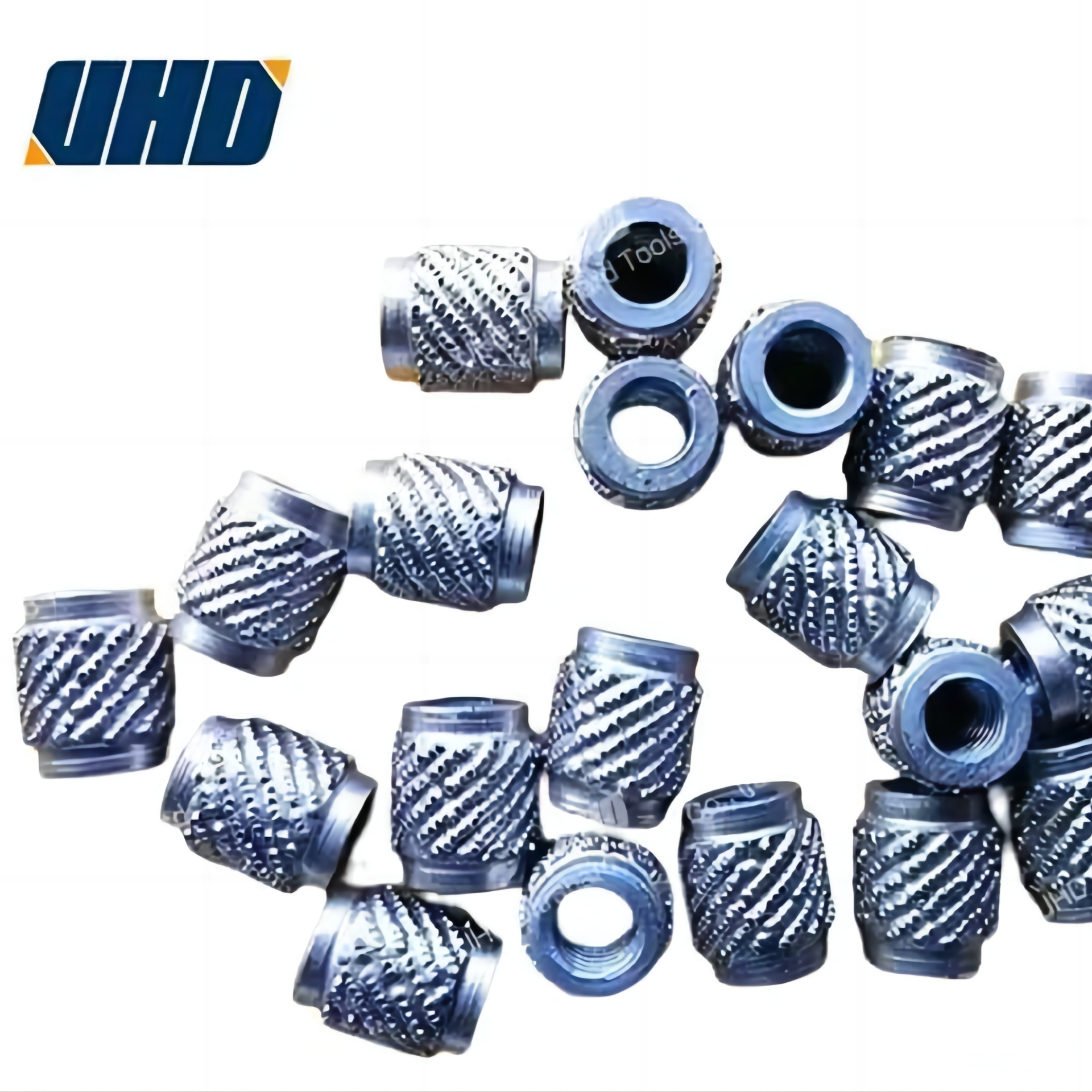
When selecting diamond tools, it is necessary to have a scientific methodology. First, determine the appropriate diamond concentration according to the workpiece material. For hard materials, a higher diamond concentration is required to ensure cutting efficiency and tool life. Second, avoid the common mistake of only considering the price. Although low - cost tools may seem attractive at first, they often have a short service life, which will increase the overall cost in the long term.
In conclusion, high - efficiency diamond tools are an effective way to reduce the equipment downtime rate in the metal processing industry. By understanding the key factors affecting tool performance, referring to real - world cases, and using scientific selection methods, decision - makers and technical managers can make more informed choices. If you need a customized tool solution for your specific working conditions, please contact our technical advisor.
.png?x-oss-process=image/resize,h_1000,m_lfit/format,webp)


.png?x-oss-process=image/resize,h_1000,m_lfit/format,webp)