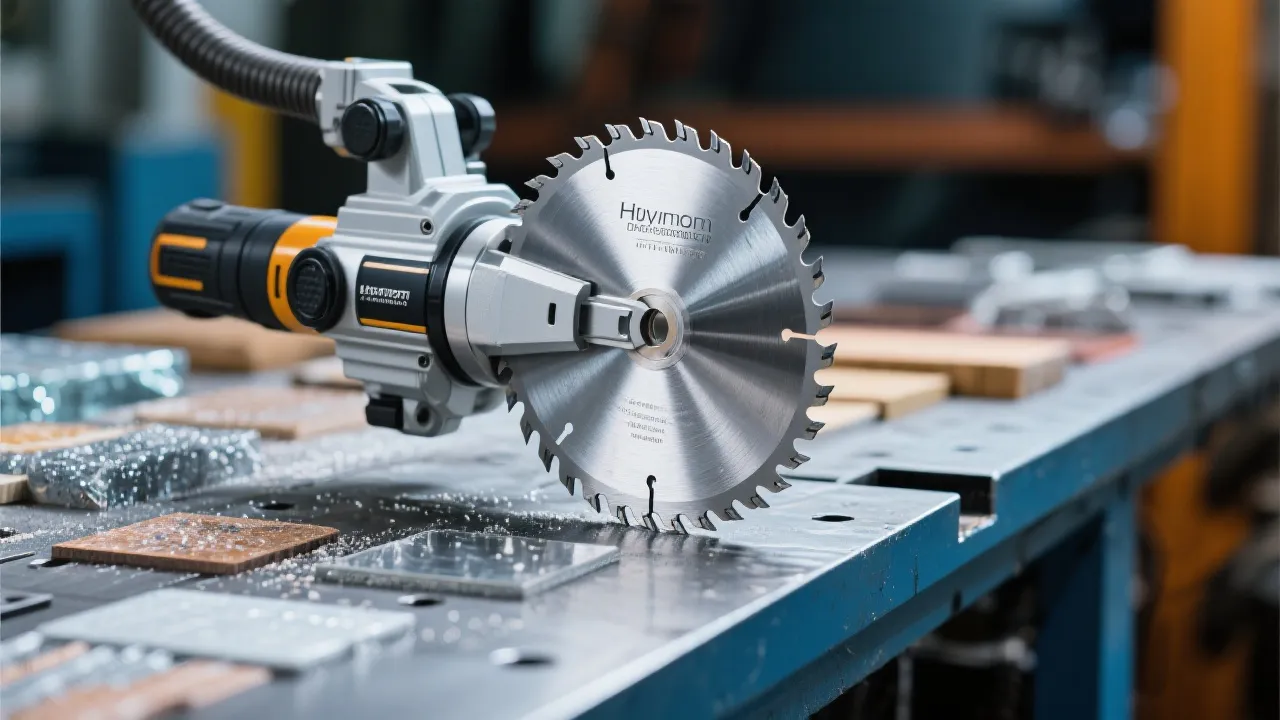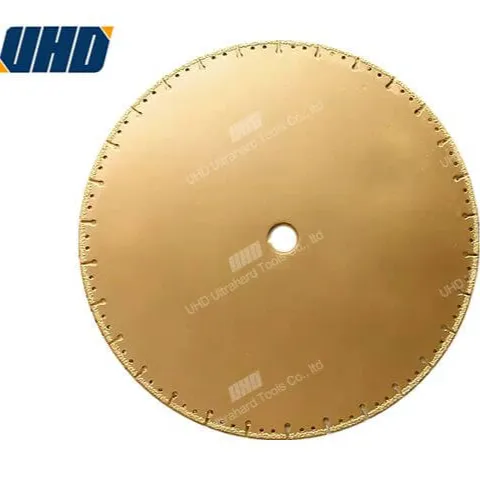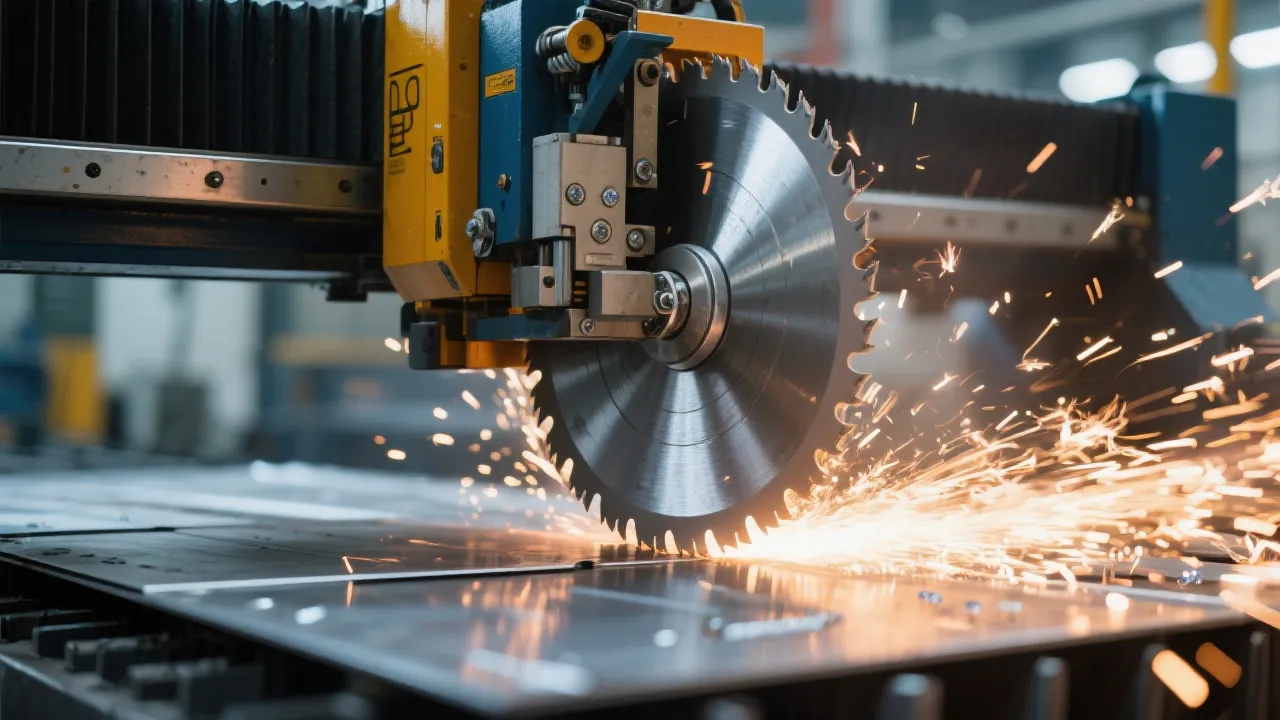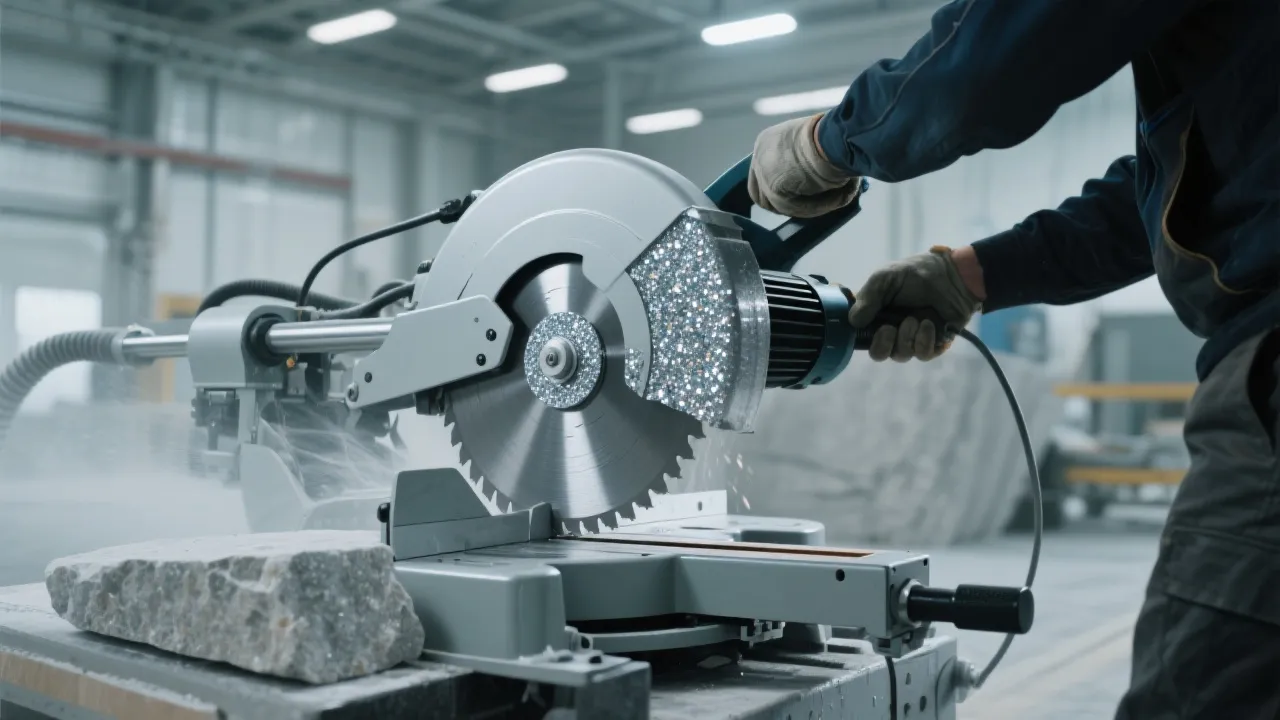
In the metal processing industry, selecting the right diamond cutting blades is crucial for enhancing production efficiency and reducing costs. This article delves into the key factors that affect the tool life of diamond cutting blades, provides a comprehensive guide from selection to maintenance, and helps you maximize the return on equipment investment.
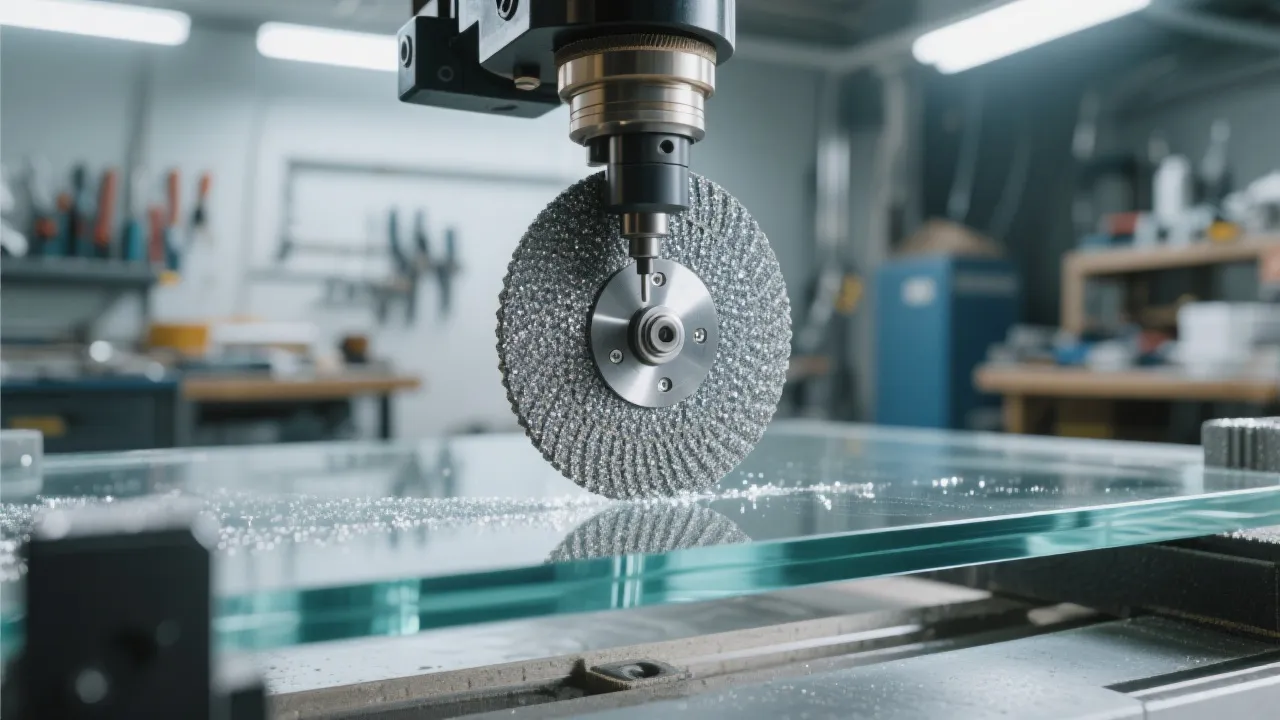
The performance of diamond cutting blades is mainly measured by two key indicators: wear resistance and thermal stability. Wear resistance ensures that the blade can maintain its cutting edge for a long time, while thermal stability prevents the blade from being damaged due to high temperatures during cutting.
There are two main types of diamond materials used in cutting blades: single-crystal diamond and polycrystalline diamond (PCD). Single-crystal diamond has high hardness and excellent wear resistance, making it suitable for high-precision cutting. PCD, on the other hand, has better toughness and is more suitable for high-speed cutting and rough machining.
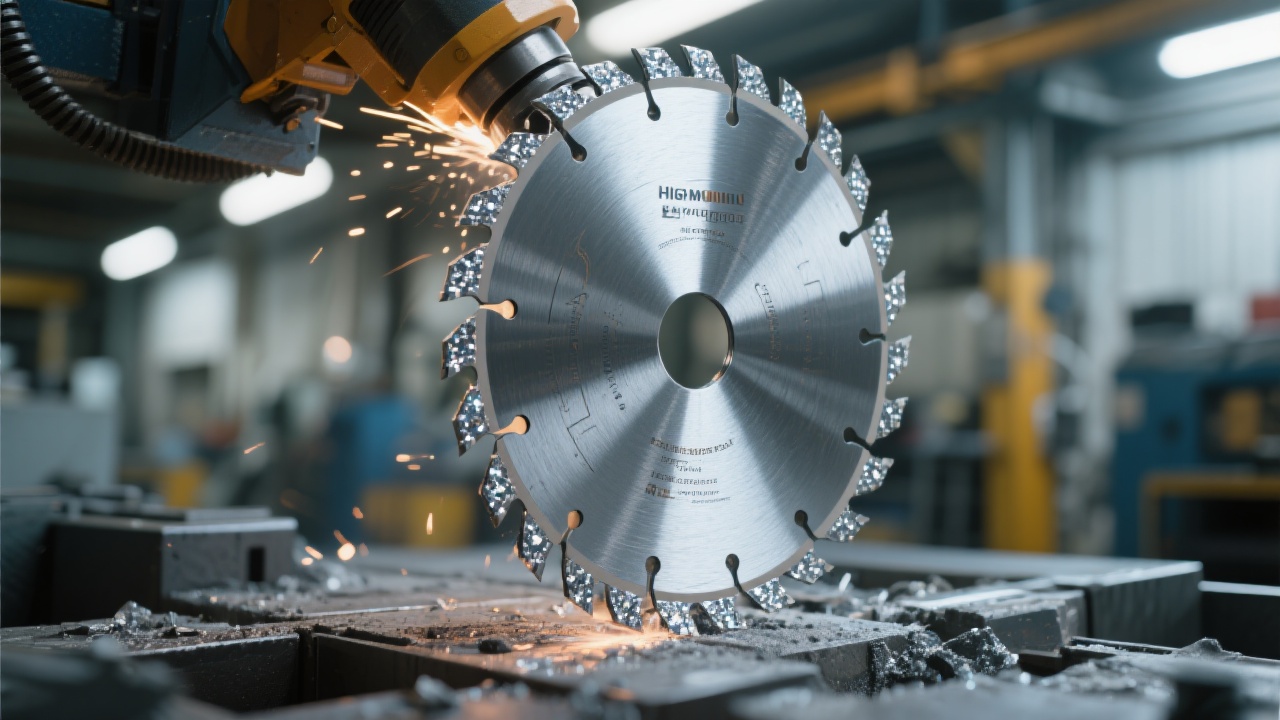
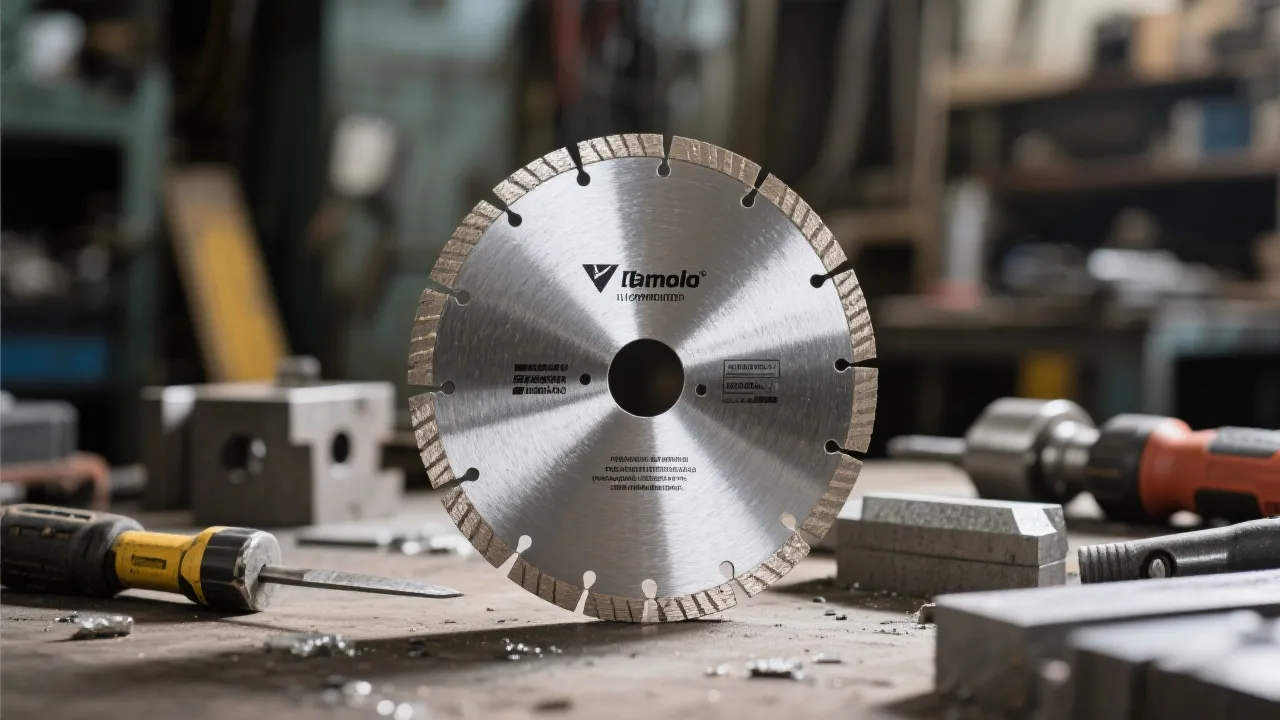
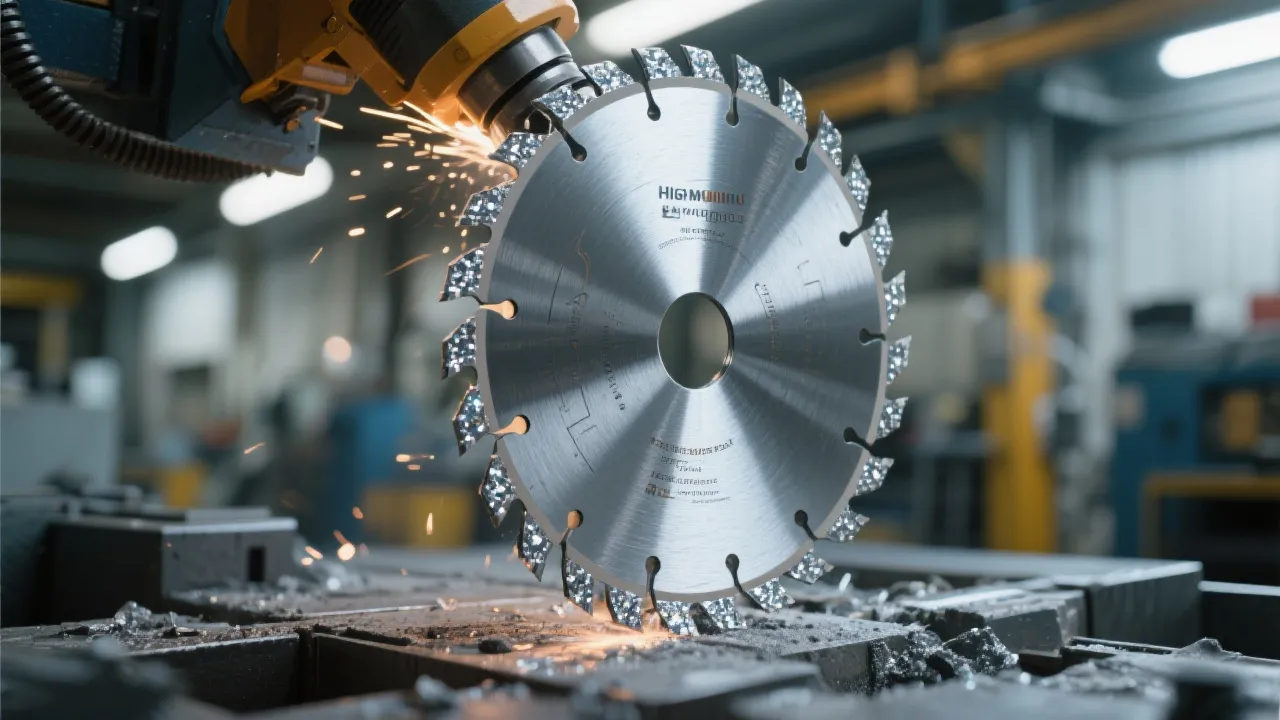
The structural design of diamond cutting blades also plays an important role in their performance. The hardness of the matrix and the optimization of the chip flutes can affect the cutting efficiency and tool life. A harder matrix can provide better support for the diamond particles, while well-designed chip flutes can effectively remove chips and prevent clogging.
Vacuum brazing technology has significant advantages over traditional welding methods in terms of bonding strength and impact resistance. It can ensure a strong and reliable bond between the diamond particles and the matrix, reducing the risk of diamond shedding and improving the overall performance of the cutting blade. According to industry data, cutting blades using vacuum brazing technology can increase tool life by up to 30% compared to traditional welding methods.
Tip: When choosing a diamond cutting blade, pay attention to the bonding technology used. Vacuum brazing technology can provide better performance and longer tool life.
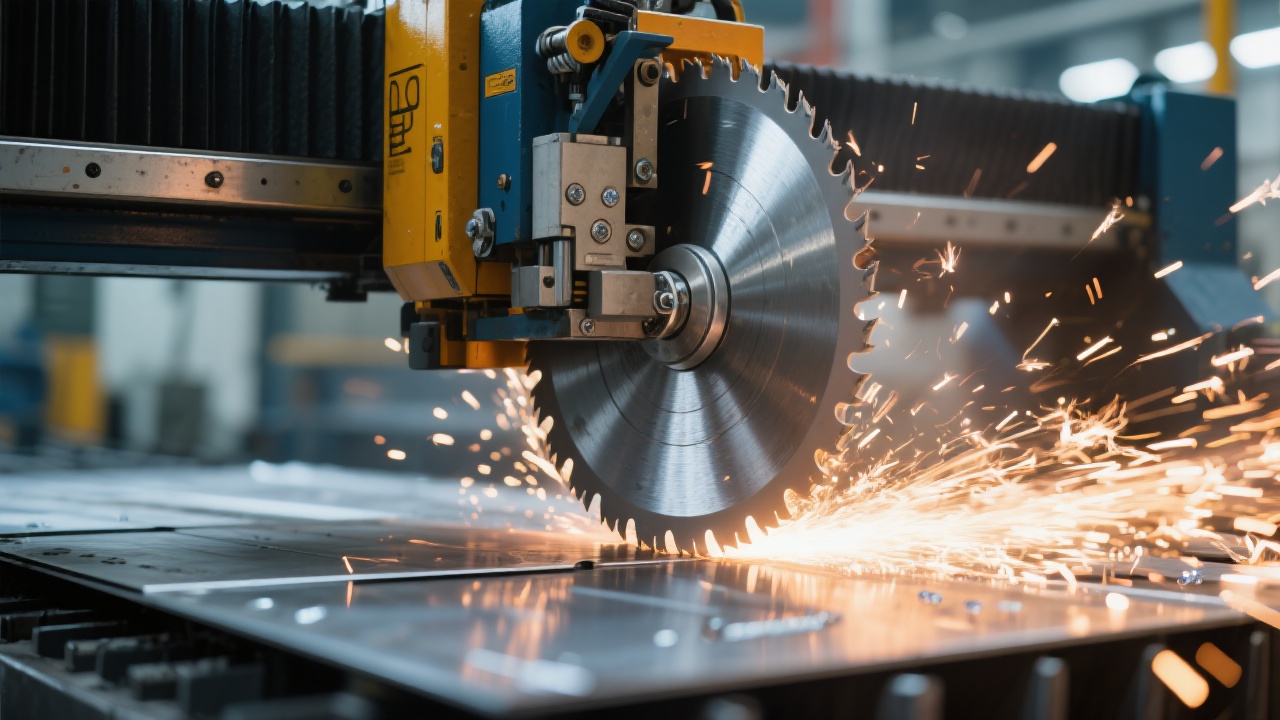
To ensure the optimal performance of diamond cutting blades, it is essential to follow the correct operation and maintenance procedures. Here are some practical suggestions:
In real industrial scenarios, diamond cutting blades may encounter various problems, such as chipping, overheating, and ablation. Here are some typical fault cases and corresponding prevention measures:
Case 1: Chipping
Chipping usually occurs when the cutting blade is subjected to excessive impact or stress. To prevent chipping, make sure to use the correct cutting parameters and avoid sudden changes in cutting direction.
Case 2: Overheating
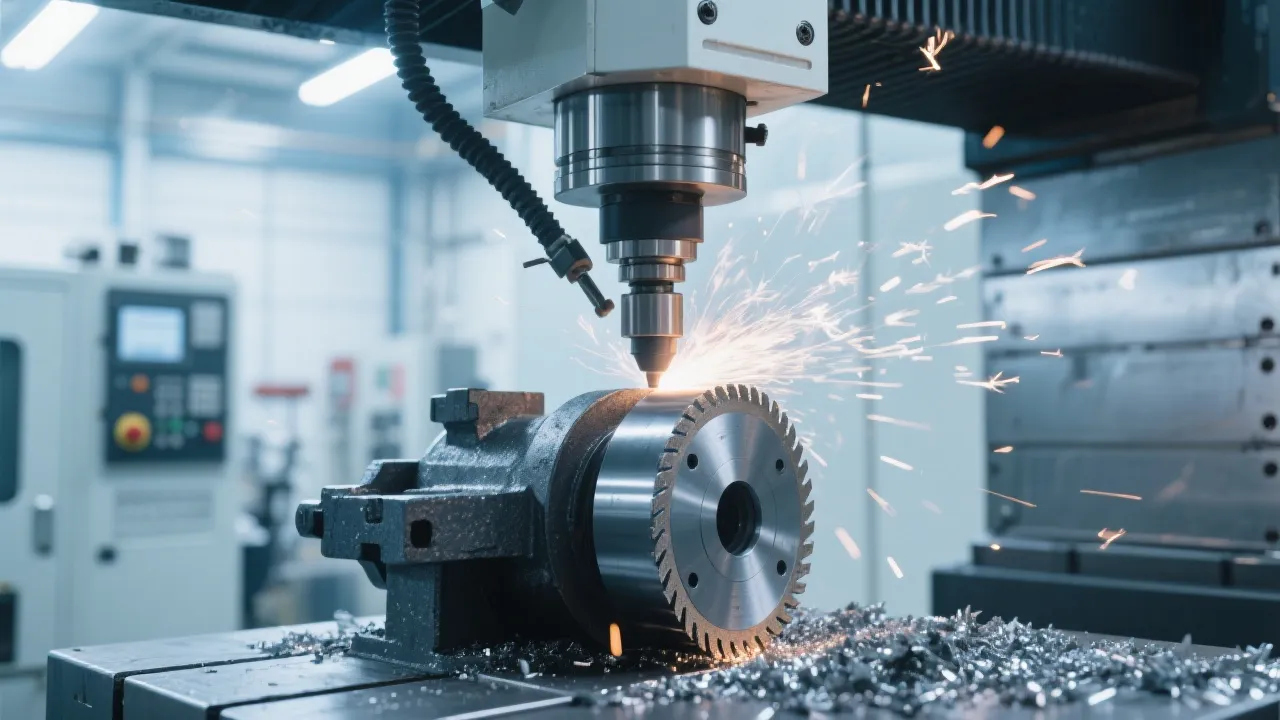
Overheating can cause the diamond particles to lose their hardness and the matrix to soften, leading to premature tool failure. To prevent overheating, use coolant and adjust the cutting speed and feed rate appropriately.
Case 3: Ablation
Ablation is mainly caused by the high temperature and friction during cutting. To prevent ablation, use a cutting blade with high thermal stability and ensure proper coolant usage.
UHD understands that different metal processing enterprises have different process requirements. That's why we offer customized services to help you match the most suitable UHD high-performance diamond tools according to your specific needs. Our professional team will work closely with you to understand your requirements and provide tailored solutions.
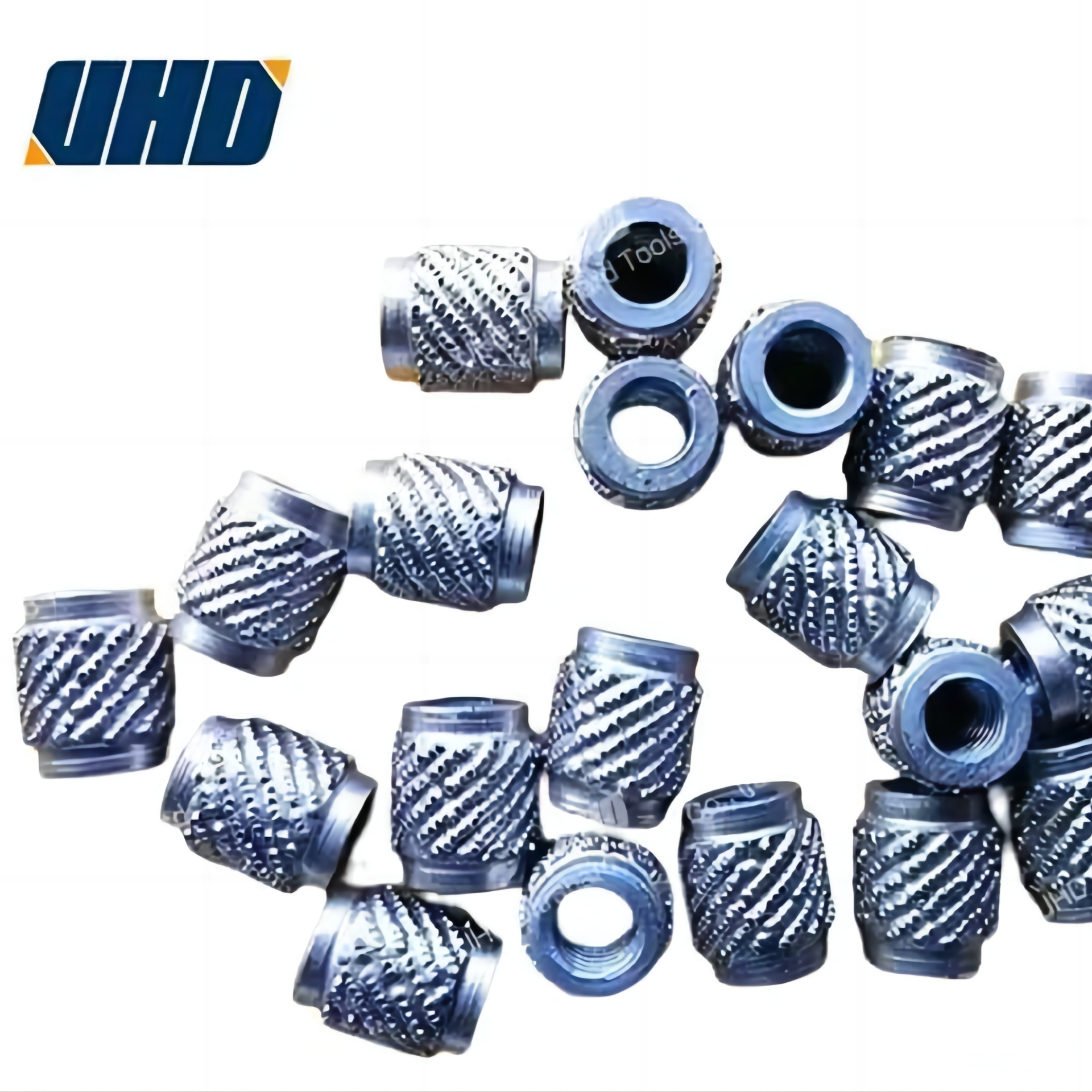
UHD always strives to support your manufacturing upgrade with high efficiency and reliability. If you want to learn more about our diamond cutting blades and other products, or get a free PDF manual, please click here.

.png?x-oss-process=image/resize,h_1000,m_lfit/format,webp)

.png?x-oss-process=image/resize,h_1000,m_lfit/format,webp)