Why Metalworking Downtime Happens—and How High-Performance Diamond Tools Reduce Machine Failures
Unplanned downtime in metalworking is often traced to rapid tool wear, declining dimensional accuracy, and maintenance cycles that disrupt production flow. This article breaks down the most common root causes behind high stoppage rates and explains how high-performance diamond tools can improve stability on the shop floor. It highlights four practical levers: using ultra-hard diamond materials to extend service life, optimizing tool geometry to reduce stress concentration, applying advanced coatings and bonding processes to boost wear resistance, and adopting customized tool solutions for complex or high-variation operating conditions. A real-world example is included in which a premium machinery plant adopted vacuum-brazed diamond abrasive tooling and achieved a 60% reduction in equipment failure incidence. The piece also provides selection checkpoints—such as aligning diamond concentration with workpiece material—and flags common purchasing mistakes where low upfront cost leads to higher total downtime. It concludes by emphasizing technical collaboration between production teams and tool engineers to close the loop from selection to process validation.
Why Metalworking Downtime Is So High—and How Efficient Diamond Tools Can Cut Machine Failures
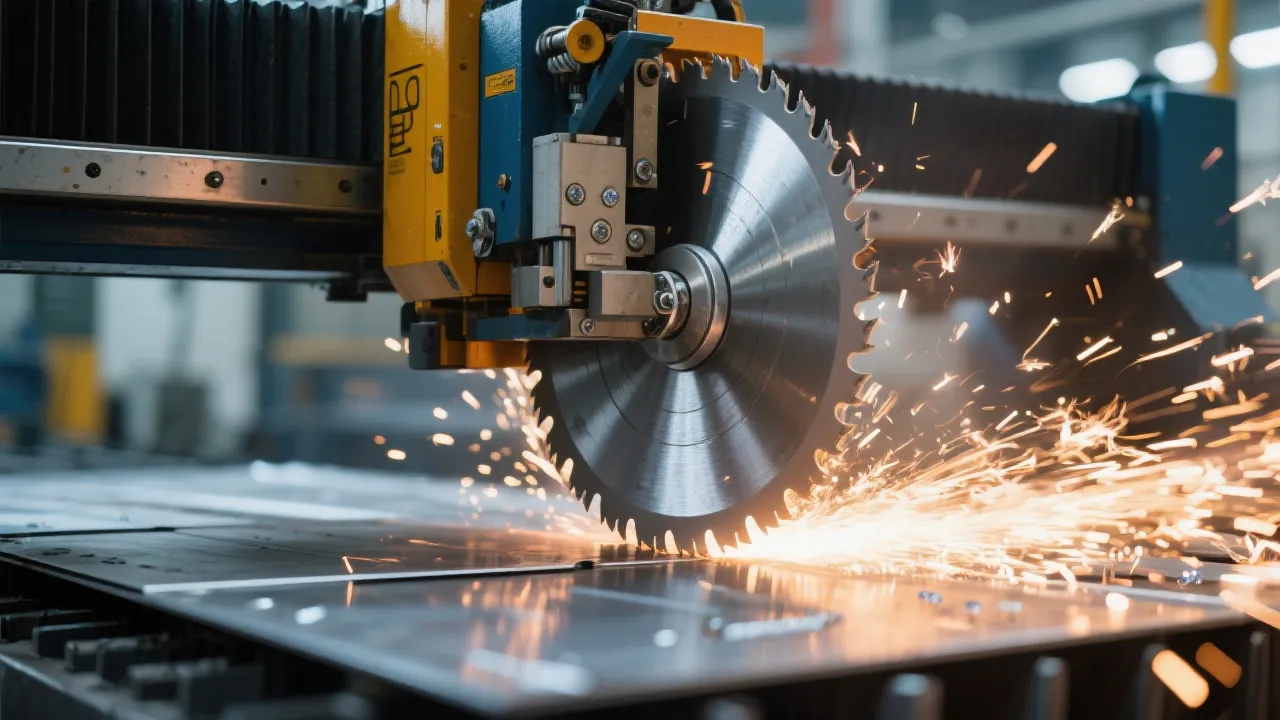
In many metalworking plants, downtime doesn’t start with a “big” breakdown. It starts with a tool that wears a little faster than expected, a surface finish that drifts out of tolerance, and a machine that begins compensating—until it can’t. The result: unplanned stops, rushed maintenance, missed shipping windows, and a production team forced into firefighting mode.
A common scenario: a workshop runs a high-mix job and experiences repeated tool failures. The line goes down. Over the next three days, the team swaps tools, re-trams the spindle, rechecks the fixture, and retunes the parameters—only to find the root cause was a tool choice that couldn’t withstand the real wear mechanism of the workpiece.
If this feels familiar, an honest question is worth asking: Is your downtime truly “machine-related,” or is it tool-driven instability that eventually looks like machine failure?
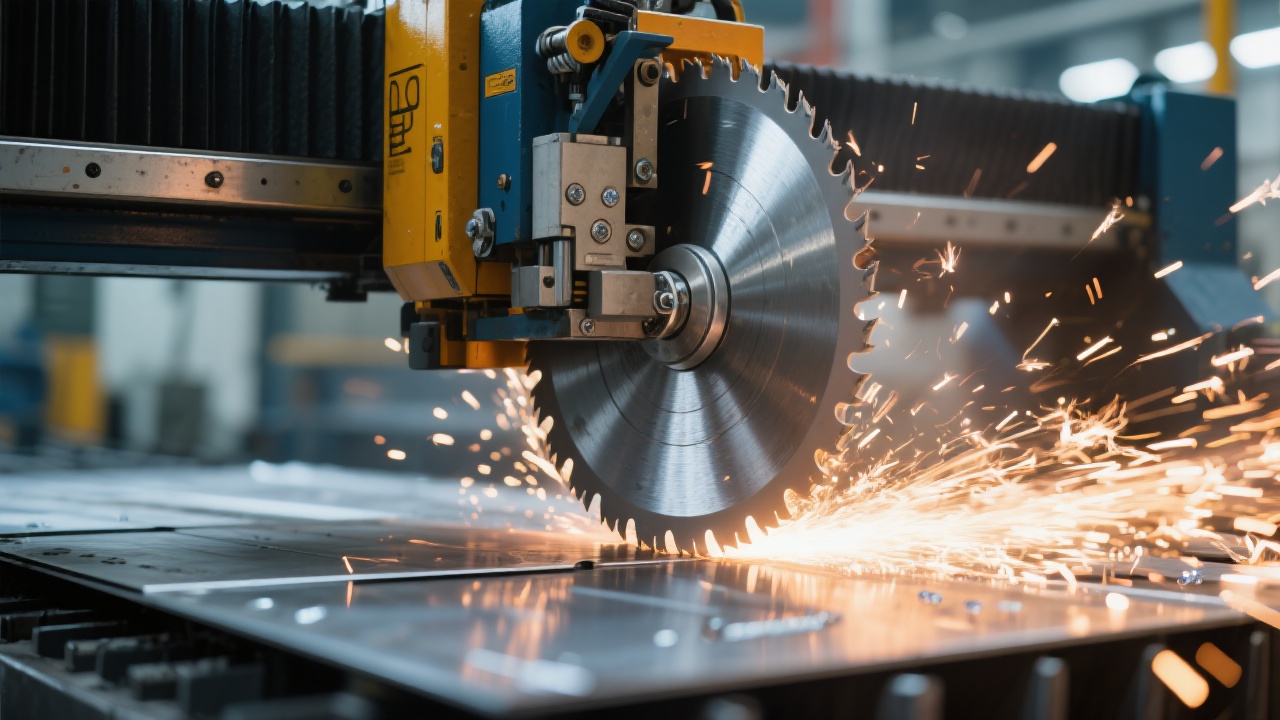
The 4 Root Causes Behind High Downtime in Metal Processing
Across CNC machining, grinding, deburring, and precision finishing, downtime is often the outcome of four interlinked factors. Fixing only one can help—but addressing all four is where stability becomes repeatable.
1) Material hardness and abrasive behavior shorten tool life
Hardness is only the headline. What actually kills tools is abrasiveness, edge chipping, built-up edge, and heat. Many “tough” alloys and powder-metallurgy grades carry carbides or hard inclusions that behave like sandpaper at the cutting zone. When a tool’s wear curve accelerates, operators typically compensate by slowing feed, increasing coolant, or adding passes—each change adding cycle time and increasing variability.
In real production, a tool that loses sharpness early can trigger secondary issues: vibration, micro-chatter, spindle load spikes, and premature bearing wear. That chain reaction is why tool wear often shows up on the dashboard as “machine faults.”
2) Tool structure design determines stress concentration
Even with the right abrasive, structure matters: bond integrity, segment geometry, core stiffness, chip evacuation paths, and how the tool dissipates heat. A design that concentrates stress at a corner or creates uneven contact pressure will chip, delaminate, or load up—especially during interrupted cuts, thin-wall parts, or unstable fixturing.
A more stable design reduces peak forces. That typically means fewer sudden load changes, fewer tool-change alarms, and fewer “mystery” surface defects that force a rework loop.
3) Coating and bonding processes define wear resistance under heat
In high-energy contact zones, the difference between “works in trials” and “works in production” is often the surface engineering: advanced coatings, bonding uniformity, and thermal stability. In many operations, heat is not just a byproduct—it’s a failure multiplier. As temperature rises, wear can jump sharply, and edges can degrade faster than operators can respond.
When coatings/bonds are engineered to resist abrasion and reduce friction, it typically shows up as smoother power curves, fewer burn marks, and longer intervals between tool changes—meaning the machine spends more time cutting and less time “recovering.”
4) Non-standard working conditions demand customization
High-mix production, tight tolerances, and special materials rarely match catalog assumptions. Tool diameter, grit concentration, bond type, and geometry often need to align with real conditions: coolant strategy, spindle power, part rigidity, and target Ra/Rz.
Without customization, plants often “solve” problems by adding inspections, lowering feeds, or increasing safety stock. Those are costs—just not always visible on the maintenance report.
How Efficient Diamond Tools Reduce Machine Failure Frequency
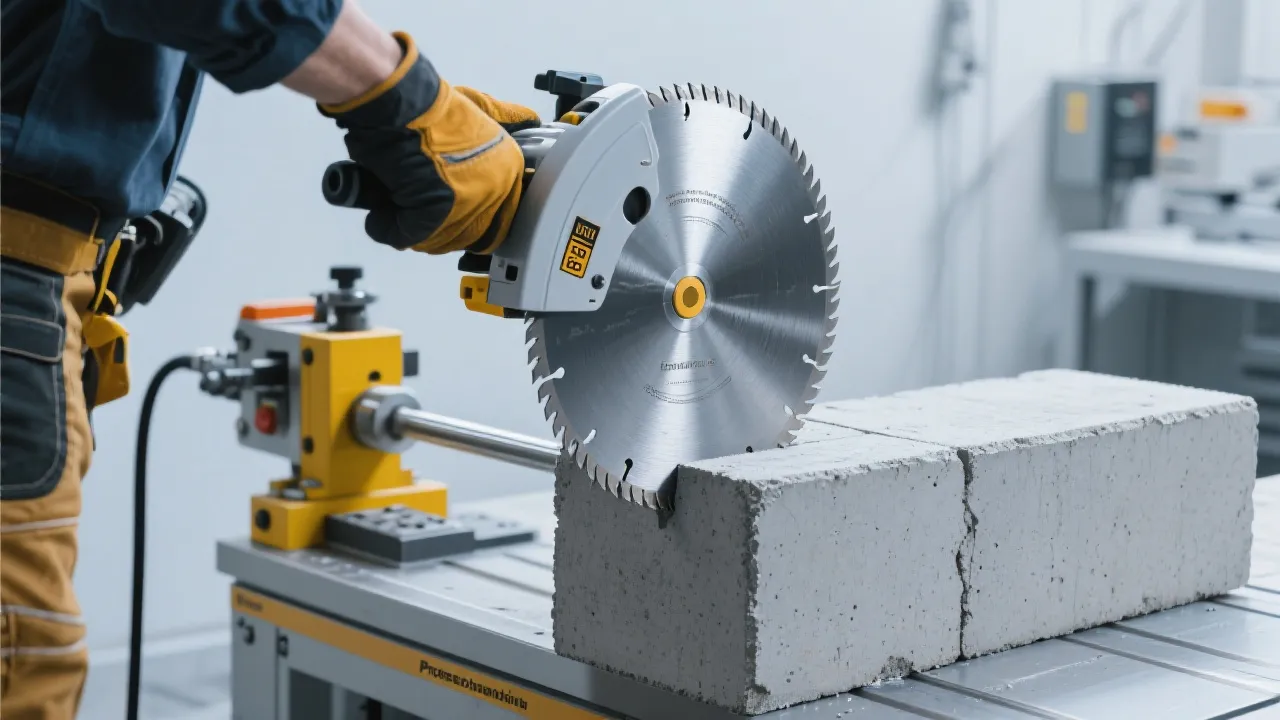
Efficient diamond tools—especially engineered diamond cutting and grinding solutions—are used when conventional tooling reaches its stability limit. The goal is not only longer tool life, but also more predictable cutting behavior, which directly lowers the conditions that trigger machine alarms and unplanned stops.
Mechanism 1: Higher hardness + controlled abrasive exposure
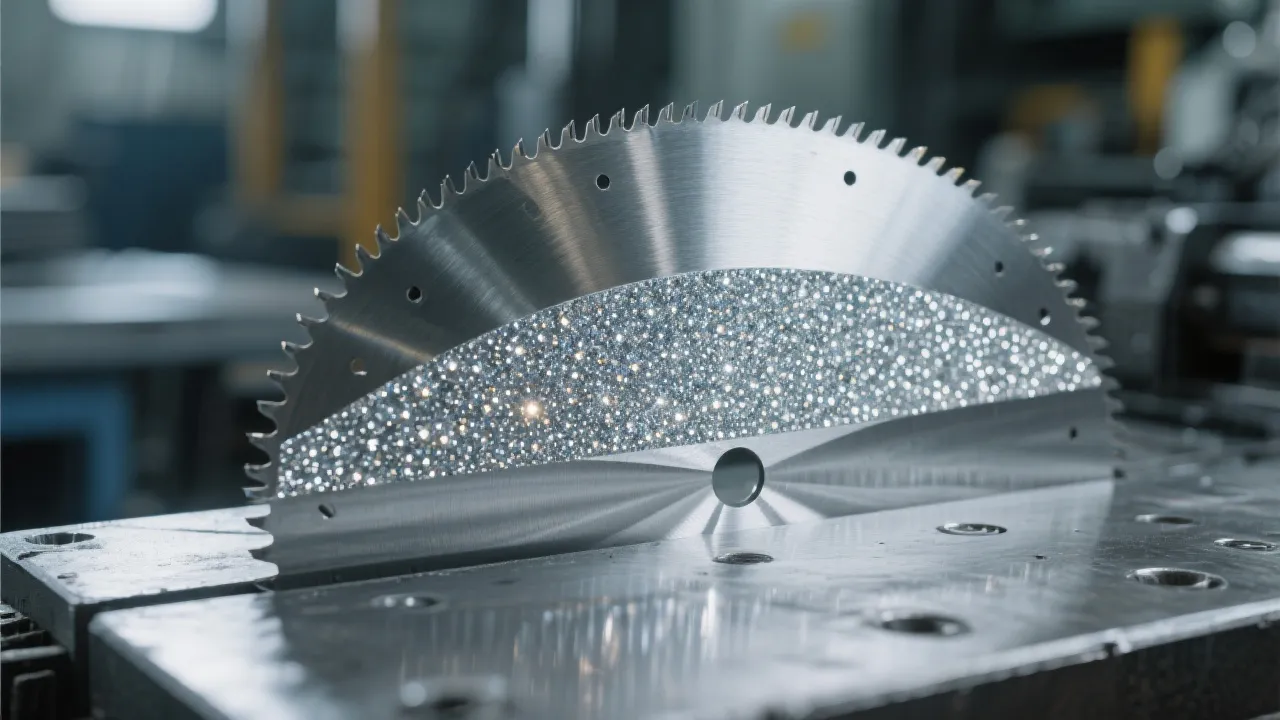
Diamond’s extreme hardness helps resist abrasive wear where many tools quickly lose edge integrity. In practice, this can stabilize the wear curve—meaning you don’t get “fine” performance for two hours and then a sudden collapse in the last thirty minutes of a shift.
Mechanism 2: Optimized structure reduces force spikes
With better geometry and bonding, the tool maintains stable contact and reduces intermittent overloads. Fewer force spikes typically means less vibration, fewer micro-cracks, and fewer “false machine issues” that are actually driven by unstable cutting.
Mechanism 3: Advanced coatings/brazing reduce friction and heat
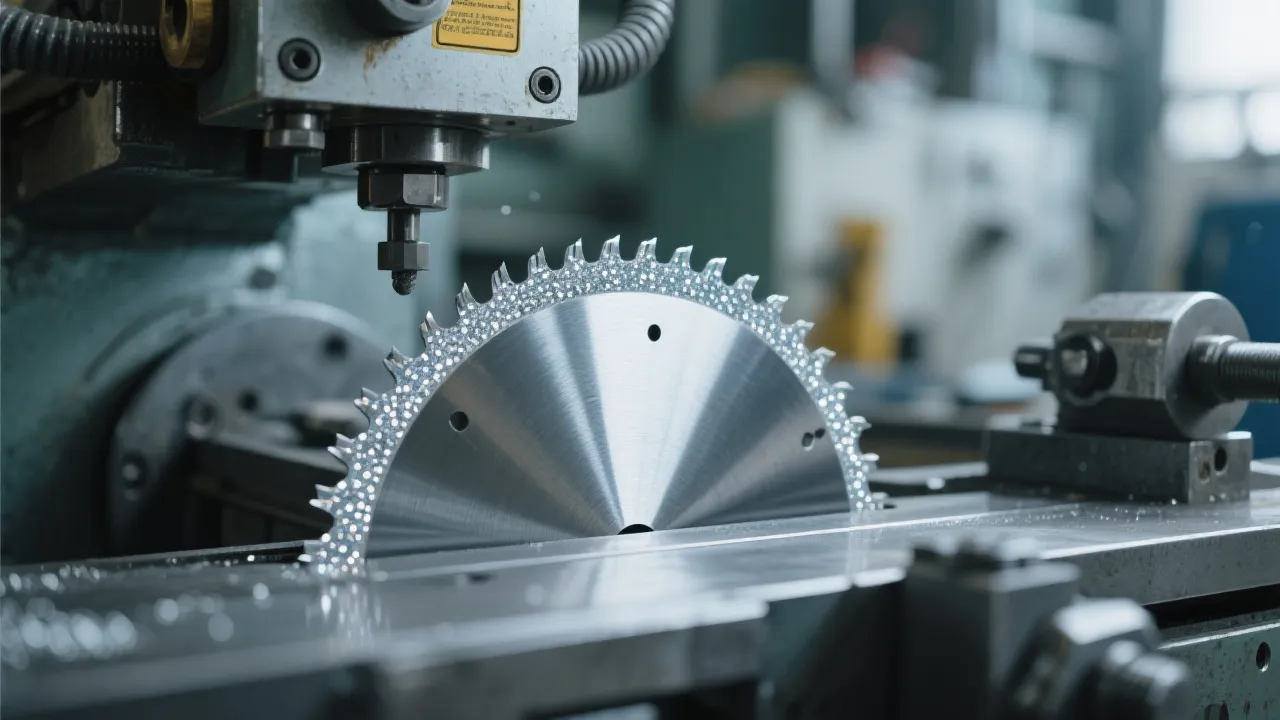
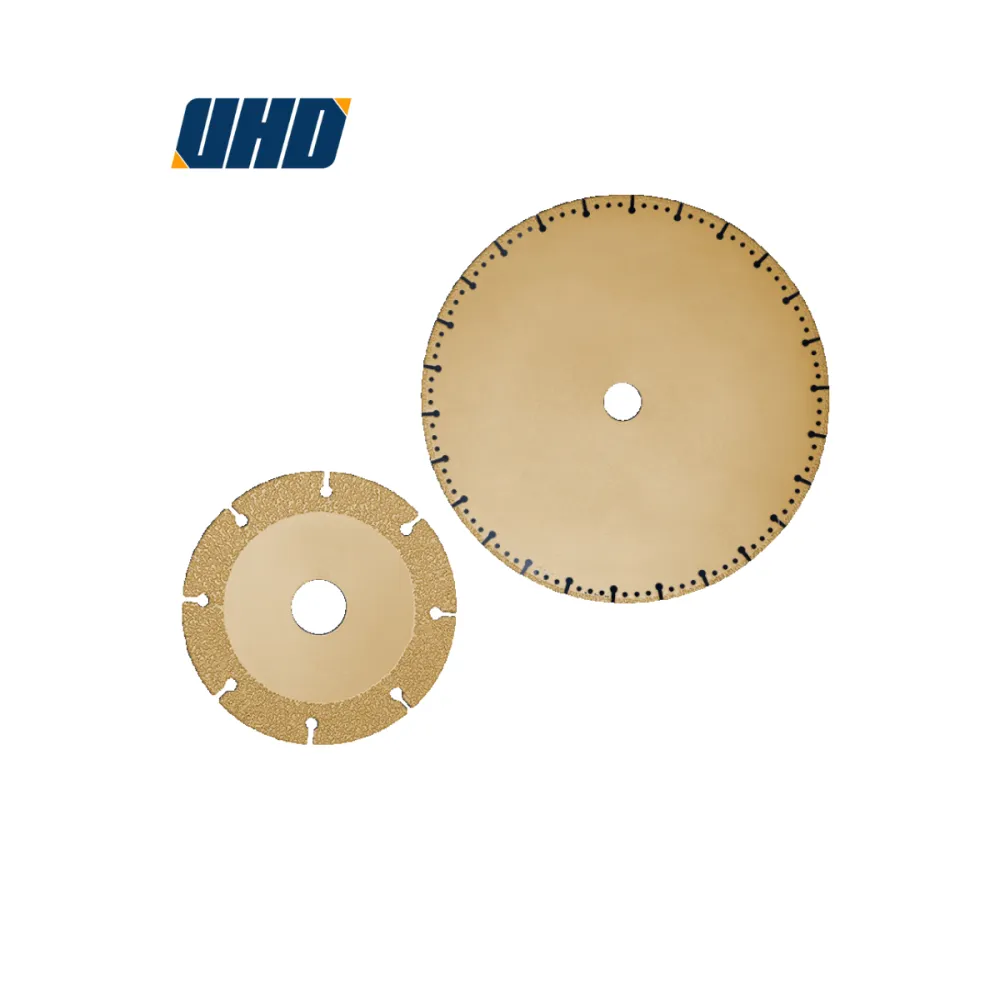
Efficient surface engineering (including vacuum brazing in some diamond abrasive tools) can improve grain retention and cutting consistency. Reduced friction often translates to lower heat input—helping protect both the tool and the machine from thermal stress and frequent parameter “chasing.”
Mechanism 4: Customization aligns the tool to your real constraints
When grit size, diamond concentration, bond type, and profile are tuned to the workpiece and process window, the outcome is fewer surprises: fewer edge failures, less loading, more consistent finish, and longer maintenance intervals.
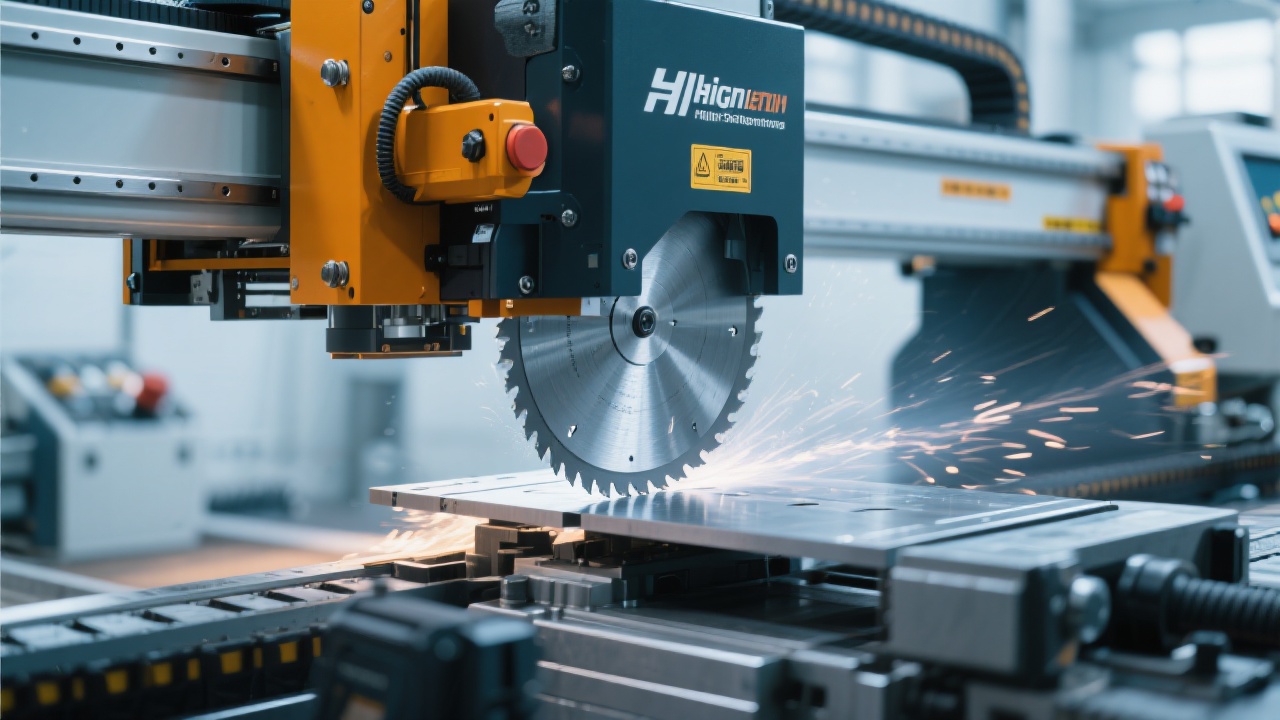
Field Validation: A Vacuum-Brazed Diamond Abrasive Case
In one UHD customer case (high-end mechanical manufacturing), frequent stoppages were traced to rapid tool degradation and unstable finishing on tough parts. After switching to a vacuum-brazed diamond abrasive solution aligned to the actual contact pressure and heat conditions, the plant reported a 60% drop in equipment fault frequency over the following production cycle.
The operational impact was not only fewer tool changes. Operators reported smoother process behavior—less vibration, fewer sudden load alarms, and a more predictable finish. In many factories, that predictability is what keeps lines running.
Reference metrics many plants track (benchmarks)
| Metric |
Before optimization (typical) |
After efficient diamond tooling (typical) |
| Unplanned stops per week |
5–8 |
2–4 |
| Tool changes per shift |
3–6 |
1–3 |
| Scrap/rework rate (process-related) |
2.0%–4.5% |
0.8%–2.0% |
| OEE uplift (typical range) |
— |
+3 to +8 points |
Notes: Ranges vary with material, coolant method, rigidity, and target finish. These are practical reference values used in many metalworking evaluations.
A Practical Selection Method: What to Check Before You Change Tools
For procurement and production managers, the fastest path to lower downtime is a selection method that connects the tool to the failure mode. A “better” tool that doesn’t match the mechanism will still fail—just differently.
Step A: Identify the dominant failure mode
Is the tool failing due to abrasive wear, edge chipping, loading, heat discoloration, or bond delamination? Matching the tool to the dominant failure mode often yields faster gains than changing feeds randomly.
Step B: Choose diamond concentration and grit by workpiece behavior
As a starting point, harder and more abrasive materials often benefit from higher diamond concentration and a grit size that balances removal rate with finish. For example, many finishing tasks target grit in the 120–240 range, while faster stock removal may use 40–80. The best choice depends on your tolerance, heat limits, and required surface texture.
Step C: Validate stability—don’t only validate “life”
Many plants test tool life but ignore stability. A useful validation checklist includes: spindle load variation, vibration trend, temperature near the contact zone, surface finish drift, and tool-change frequency. If stability improves, machine faults typically decrease as a natural byproduct.
Common mistakes to avoid (they look “reasonable,” but cost uptime)
- Assuming low price equals low cost: if a cheaper tool causes extra stops, it can erase savings quickly through lost runtime and rework.
- Overcorrecting parameters: chasing chatter with frequent feed/speed changes often masks the real issue—rigidity or tool structure mismatch.
- Ignoring coolant and chip evacuation: loading and heat are often process-system problems, not only tool problems.
- Skipping a short stability trial: a 1–2 shift controlled run (same operator, same program, same inspection) can reveal whether the tool truly reduces variability.
A quick interactive check: Does your workshop lose more time to “minor” stops and tool changes than to major breakdowns? If yes, the fastest wins are usually in tool/process matching rather than hardware replacement.
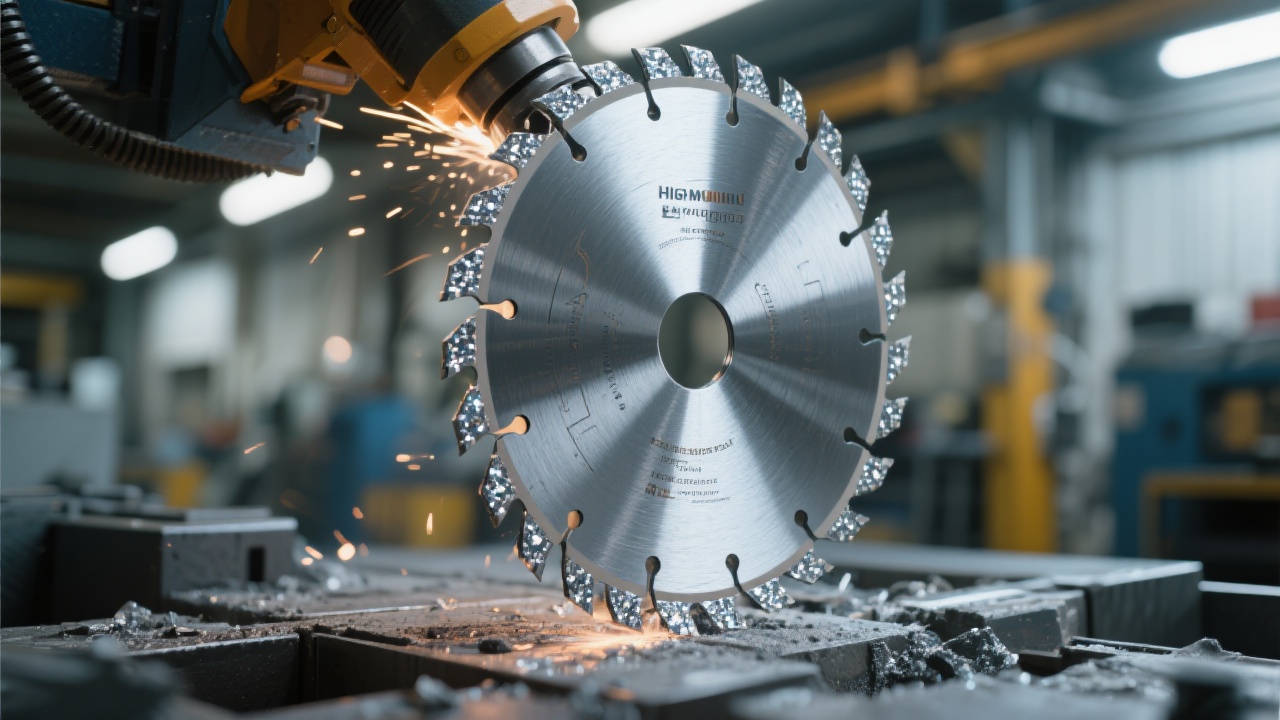
Why Technical Collaboration Matters More Than Another Catalog Choice
Efficient diamond tooling delivers the biggest downtime reduction when it’s treated as an engineering solution, not a commodity item. In real plants, the tool’s performance depends on the entire cutting system: fixture rigidity, coolant delivery, spindle capability, runout, and the true nature of the workpiece (including coatings, scale, and inclusions).
When suppliers and production teams collaborate—sharing failure photos, surface finish targets, machine constraints, and batch volumes—the result is a tool spec that holds up under real conditions, not just in ideal trials.
Reduce Downtime with the Right Diamond Tool—Matched to Your Process
Send your workpiece material, current tool type, failure mode, and target finish. A technical team can recommend an efficient diamond cutting/grinding configuration (grit, concentration, bond/structure) to reduce tool-related stoppages and stabilize production.
Request a Custom Efficient Diamond Tool Recommendation
Typical inputs: material grade, operation (cut/grind/deburr), coolant method, RPM/feed window, and photos of wear.


.png?x-oss-process=image/resize,h_1000,m_lfit/format,webp)

.png?x-oss-process=image/resize,h_1000,m_lfit/format,webp)