Common Causes of Downtime in Metalworking and Efficient Cutting Tool Solutions with UHD Diamond Technology
21 02,2026
Technical knowledge
Frequent downtime in metalworking significantly undermines production efficiency and increases operational costs. This article thoroughly examines prevalent causes of stoppages, including tool wear, thermal damage, and suboptimal processes. It then presents advanced solutions based on UHD high-performance diamond tools, emphasizing enhanced wear resistance, optimized cutting performance, and customized design. Real-world case studies and industry benchmarks demonstrate how these innovations substantially reduce downtime and improve continuous operation. Engineers receive practical recommendations on tool selection and parameter settings to implement these technologies effectively.
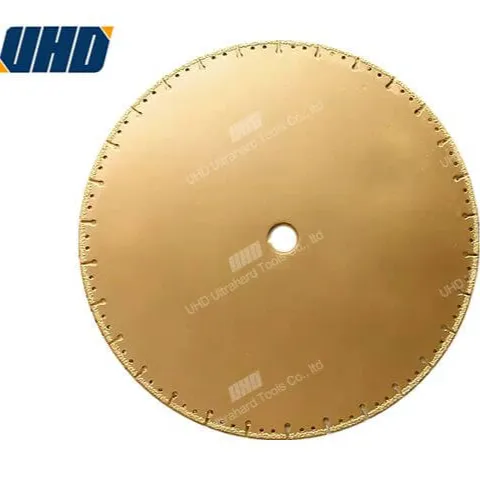
Identifying Common Downtime Causes in Metalworking and Exploring UHD Diamond Tool Solutions
In modern metalworking environments, frequent production stoppages can drastically hinder efficiency and inflate operational costs. You’re likely familiar with the frustration that unexpected downtime brings — whether due to blunt or broken tools, thermal damage, or flawed process parameters. Understanding the root causes is the first step toward implementing solutions that minimize disruptions and maximize output.
1. Downtime Pain Points: Real-World Factors Affecting Your Productivity
In your daily metal machining operations, the most prevalent sources of downtime typically include:
- Rapid tool wear and chipping leading to frequent replacements
- Thermal damage and overheating causing tool deformation
- Inadequate cooling or lubrication systems
- Unoptimized cutting parameters resulting in tool stress
- Improper tool selection mismatched to workpiece materials
These problems not only limit your tool life but can extend machine idle times by 40-60% daily, severely impacting total throughput and escalating maintenance costs.
2. Diagnosing the Core Issues Behind Frequent Stops
From your perspective as a production engineer or manager, why do these issues keep recurring? The technical origins boil down to several factors:
- Short tool lifespan: Conventional materials lack the wear resistance needed for high-speed or abrasive metal cutting.
- Edge chipping and fracture: Inadequate toughness or improper machining speeds can cause micro-cracks turning to fractures.
- Insufficient cooling: Thermal accumulation leads to accelerated tool degradation and dimensional inaccuracies.
- Process inconsistency: Lack of parameter optimization causes unpredictable load on tooling and equipment.
These inefficiencies accumulate, making it difficult to maintain continuous, high-quality production runs.
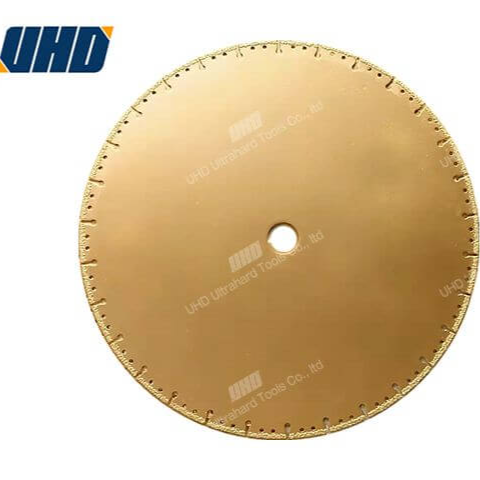
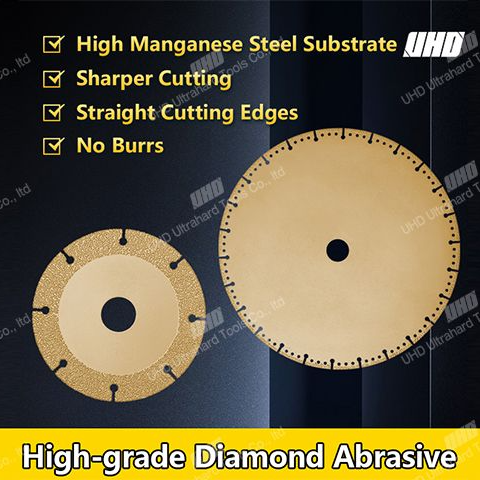
3. UHD Diamond Tools: A Technological Leap in Metal Cutting Performance
UHD (Ultra High-Density) diamond tools bring breakthroughs that address your core challenges by leveraging:
- Material Innovation: Sintered diamond composites exhibit 5x greater wear resistance than tungsten carbide alternatives.
- Optimized Geometry: Precision-engineered cutting edges reduce cutting forces and heat generation.
- Custom Configurations: Tailored tool designs matching specific metals and machining conditions enhance adaptability.
- Thermal Management: Improved chip evacuation and coolant flow paths minimize thermal stress on inserts.
With UHD diamond tools, you’ll notice a marked extension in tool life, significantly reducing the frequency of stops for tool changes or maintenance.
4. Proven Impact: Quantified Downtime Reduction and Productivity Gains
Consider the example of a leading aerospace parts manufacturer who incorporated UHD diamond cutting tools into their daily operations:
“After switching to UHD diamond tools, our average single-shift downtime dropped by 73%, while tool life increased by over 4 times. This translated into an 18% throughput increase without compromising component precision.” – Production Manager
Such measurable improvements validate UHD technology’s substantial role in fortifying process reliability, which you can replicate in your operations.
.png)
5. Practical Guidelines: Selection Criteria and Parameter Optimization for Implementation
To ensure seamless adoption of UHD diamond tooling in your plant, here are critical considerations you should apply:
- Material Matching: Choose UHD tool grades suited to the hardness and abrasiveness of your specific metal alloys.
- Cutting Parameters: Fine-tune speeds and feed rates according to manufacturer guidelines to avoid edge stress.
- Cooling Strategy: Implement high-pressure coolant delivery focused on the cutting zone to prevent thermal buildup.
- Regular Monitoring: Track tool condition through wear sensors or inspection intervals to preempt failures.
By systematically applying these parameters, you can transform your machining line into a high-efficiency, low-downtime powerhouse.


.png?x-oss-process=image/resize,h_1000,m_lfit/format,webp)
.png?x-oss-process=image/resize,h_1000,m_lfit/format,webp)