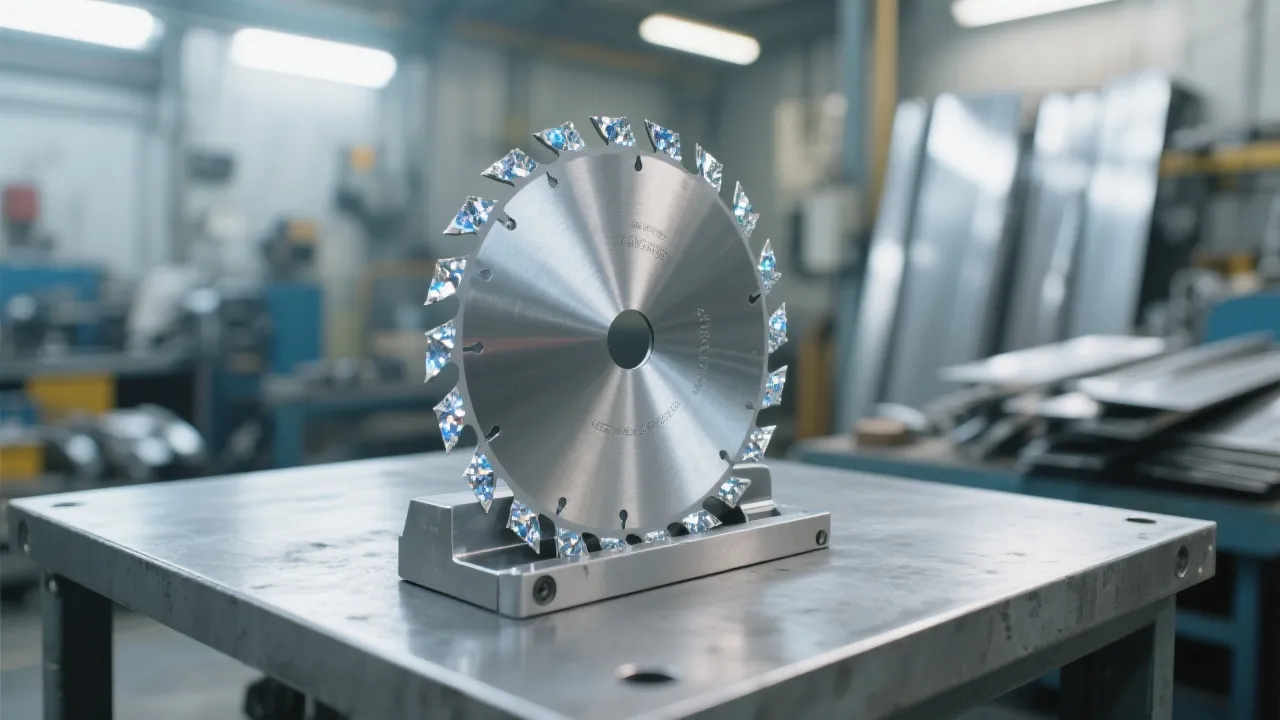
Glass and ceramics are high - hardness and brittle materials. Their unique physical properties, such as high hardness, low fracture toughness, and anisotropy in some cases, pose significant challenges to the cutting process. For example, the high hardness requires cutting tools with high wear resistance, while the brittleness makes the materials prone to cracking and chipping during cutting. You may have encountered situations where the material breaks unexpectedly during the cutting process. This is mainly due to the inability of the cutting process to adapt to the material's characteristics.
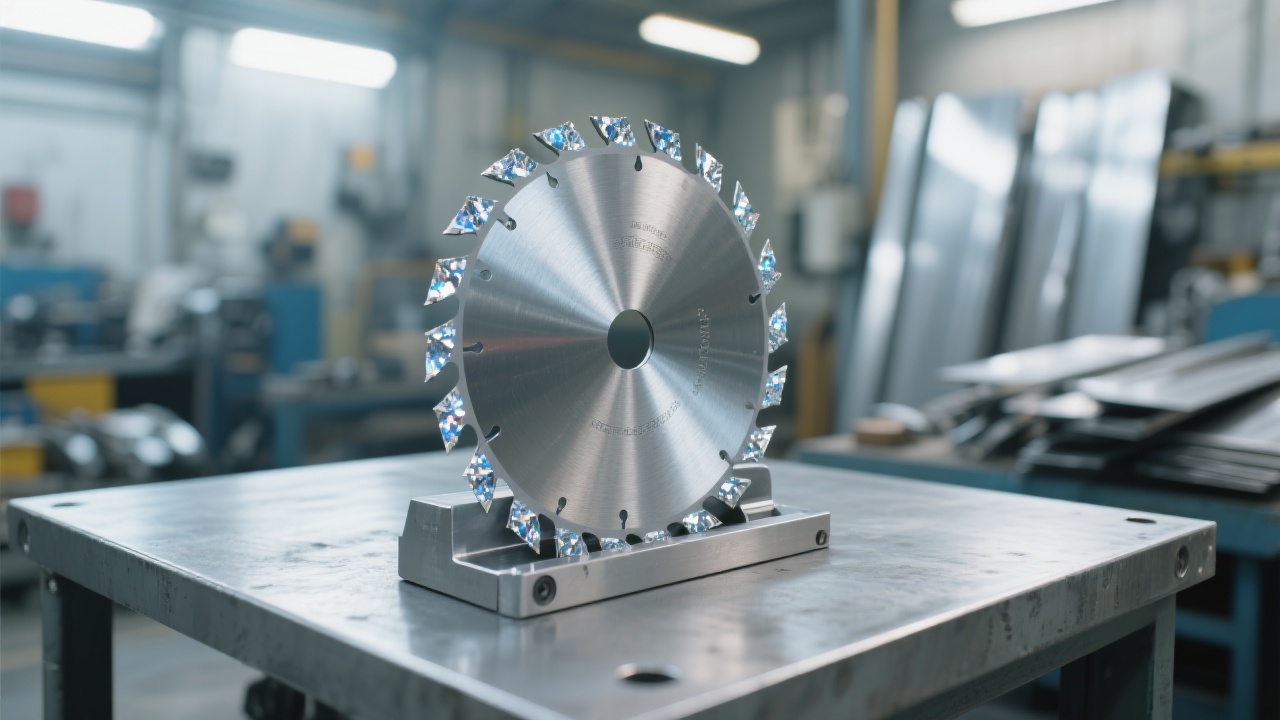
When cutting glass and ceramics, the mechanical actions include cutting forces, friction, and impact. These forces can cause the material to deform and fracture. At the same time, the cutting tool also experiences wear. The wear mechanism mainly includes abrasive wear, adhesive wear, and chemical wear. For instance, abrasive wear occurs when hard particles on the material surface scratch the cutting tool. A well - known industry expert once said, "Understanding the mechanical actions and wear mechanisms is the key to optimizing the cutting process."
Key parameters such as rotational speed, feed rate, and cooling method have a significant impact on cutting quality and tool life. A higher rotational speed can increase the cutting efficiency, but it may also cause more heat generation and tool wear. A proper feed rate can ensure a smooth cutting process and reduce the risk of material damage. Cooling methods, like using coolant or dry cutting, can affect the temperature distribution during cutting. The following table shows the comparison of different parameter settings:
| Parameter | Low Setting | Optimal Setting | High Setting |
|---|---|---|---|
| Rotational Speed (RPM) | 1000 - 1500 | 2000 - 2500 | 3000+ |
| Feed Rate (mm/min) | 10 - 20 | 25 - 35 | 40+ |
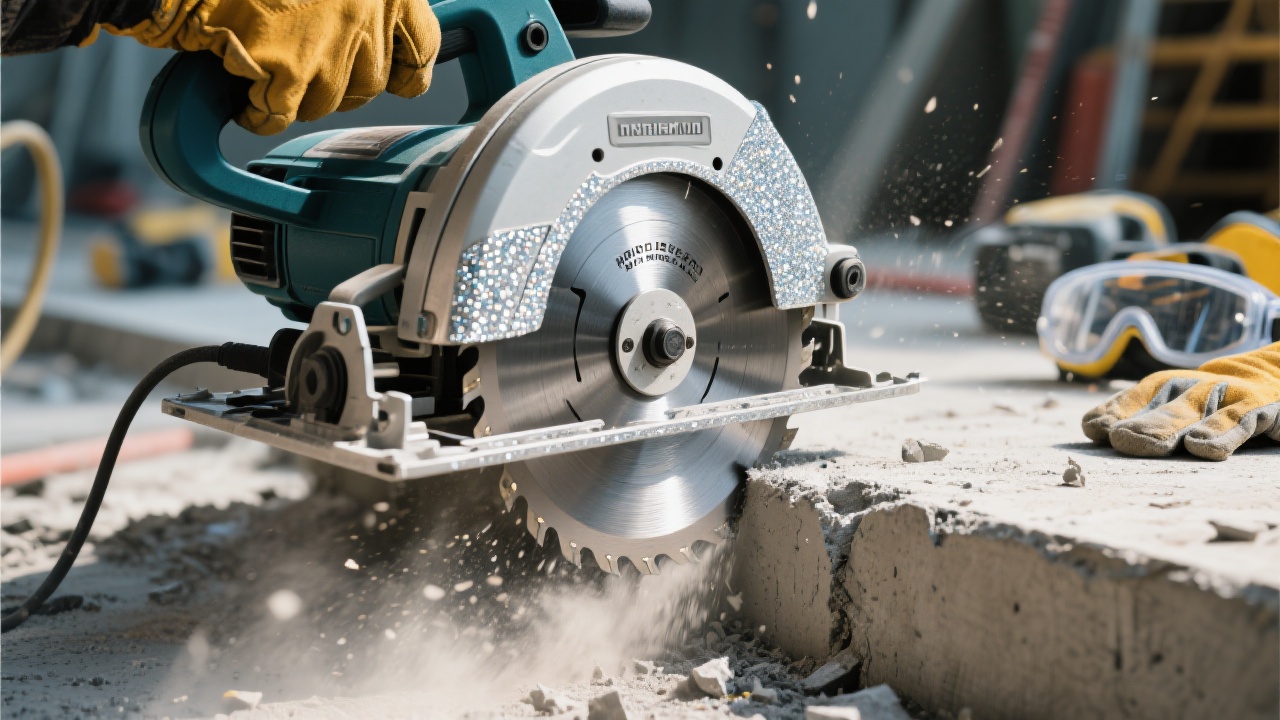
Based on practical experience, reducing the cutting force and controlling the cutting temperature are effective ways to reduce crack generation. For example, using a sharp cutting tool and a proper feed rate can reduce the cutting force. Additionally, pre - heating the material slightly can also improve its ductility and reduce the risk of cracking. Have you ever encountered the problem of low yield due to excessive cracking? By following these practical tips, you can significantly improve the yield rate.
During the cutting of glass and ceramics, a large amount of dust is generated, which is harmful to the environment and the health of workers. Therefore, dust control is essential. Installing dust collection equipment and using wet cutting methods can effectively reduce dust emissions. At the same time, optimizing the work environment, such as ensuring good ventilation and proper lighting, can also improve work efficiency and safety.
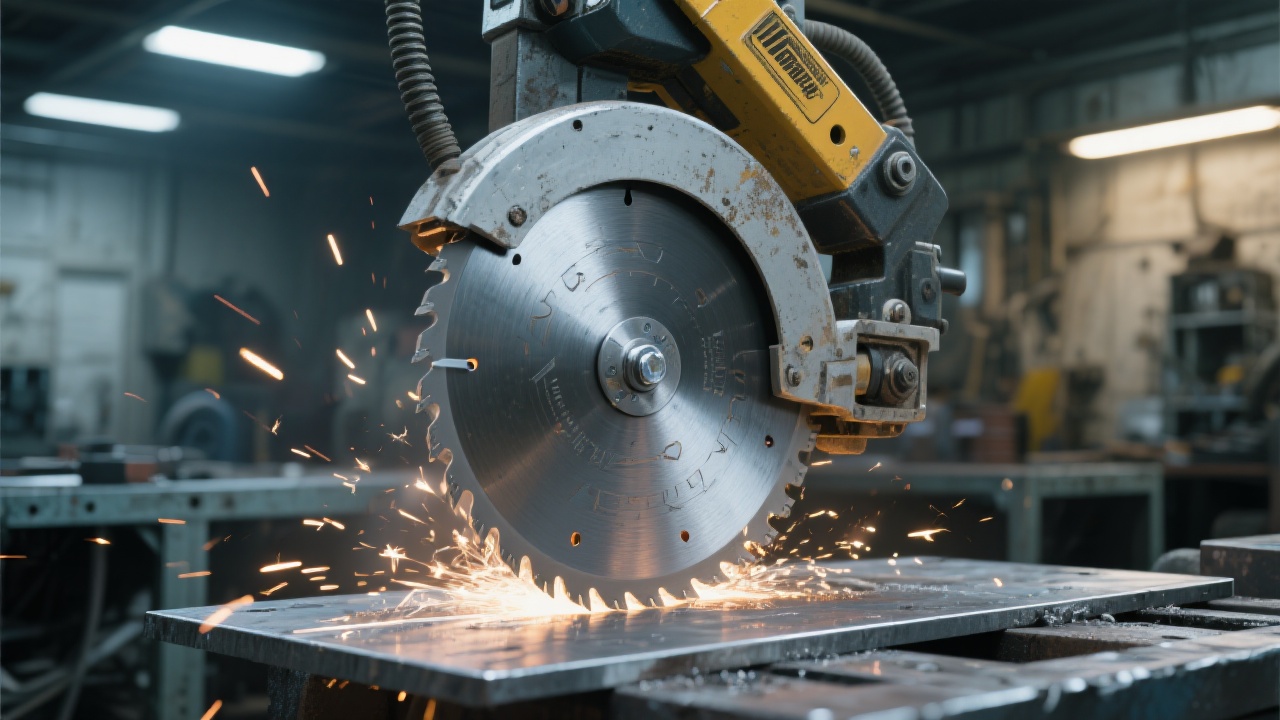
For complex workpiece cutting, there are some professional tools that can provide better performance. Although we do not directly promote specific products here, these tools are designed to meet the special requirements of cutting glass and ceramics. They can help you achieve higher cutting precision and efficiency.
Discover more efficient cutting solutions suitable for complex workpieces. Click here to view the technical whitepaper.

.png?x-oss-process=image/resize,h_1000,m_lfit/format,webp)