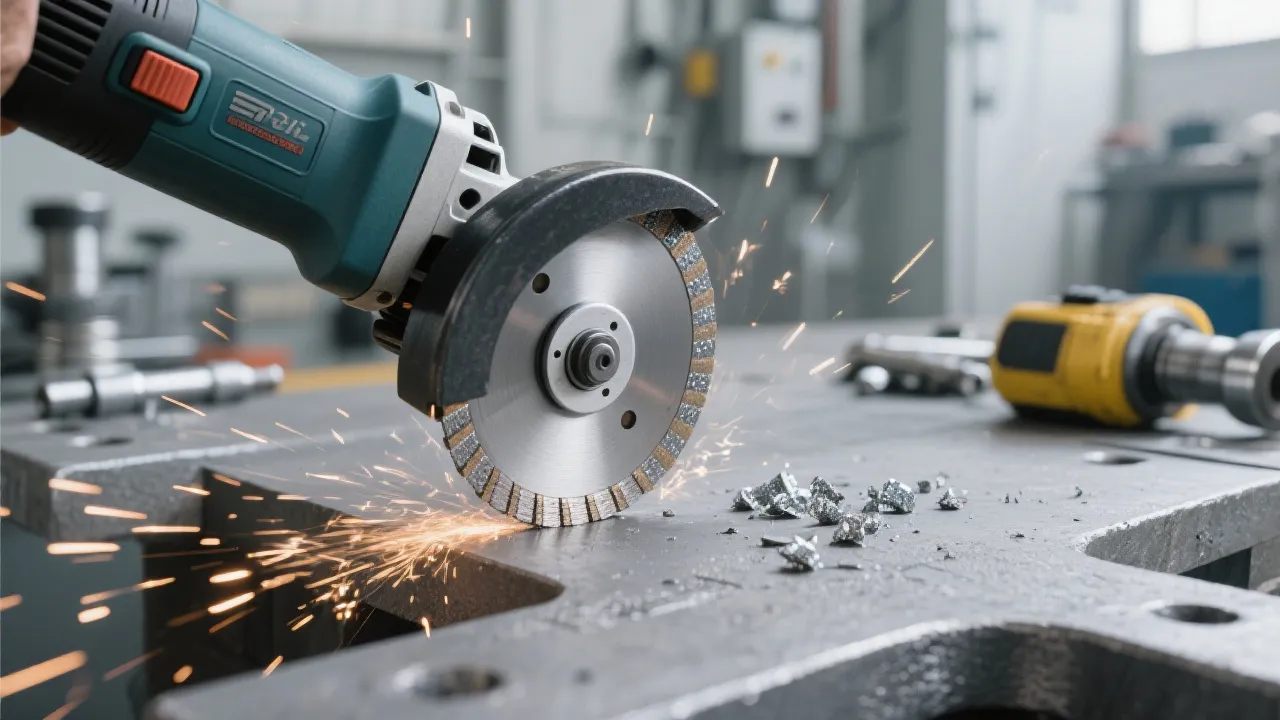
For B2B manufacturers and industrial contractors, cutting efficiency directly impacts production costs and profitability. Many companies still rely on traditional resin-bonded diamond blades—only to face frequent replacements, inconsistent cuts, and unplanned downtime. The solution? A well-engineered brazed diamond saw blade.
Unlike resin or electroplated blades, brazed diamond blades use a high-manganese steel base (typically 3–5 mm thick) and advanced-grade synthetic diamonds (grit sizes from 30/40 to 100/120). This combination delivers superior heat resistance, wear durability, and edge retention—even under heavy loads.
| Feature | Resin-Bonded Blade | Brazed Diamond Blade |
|---|---|---|
| Avg. Life Span (hours) | 15–25 hrs | 60–100+ hrs |
| Replacement Frequency | Every 2–3 days | Once per 2–3 weeks |
| Downtime per Changeover | ~30 mins | ~10 mins |
Based on real-world data from a U.S.-based stone fabrication plant, switching from resin to brazed blades reduced monthly blade replacement costs by 47% while increasing throughput by 18%. That’s not just cost savings—it’s productivity leverage.
To maximize ROI from brazed diamond blades:
A German construction equipment distributor reported that their clients saved an average of €2,300 annually per machine by adopting brazed blades—without any changes to their existing workflows. The key? Consistent performance over time, not just initial price.
Pro Tip: Don’t just compare prices—ask for sample batches. Test them in your actual environment before committing to bulk orders. Real-world validation beats theoretical specs every time.
When you reduce cutting costs per unit, you free up capital for innovation, expansion, or better labor practices. In competitive markets like Middle East infrastructure projects or Southeast Asian manufacturing hubs, this small shift can make the difference between winning a contract—or losing it.
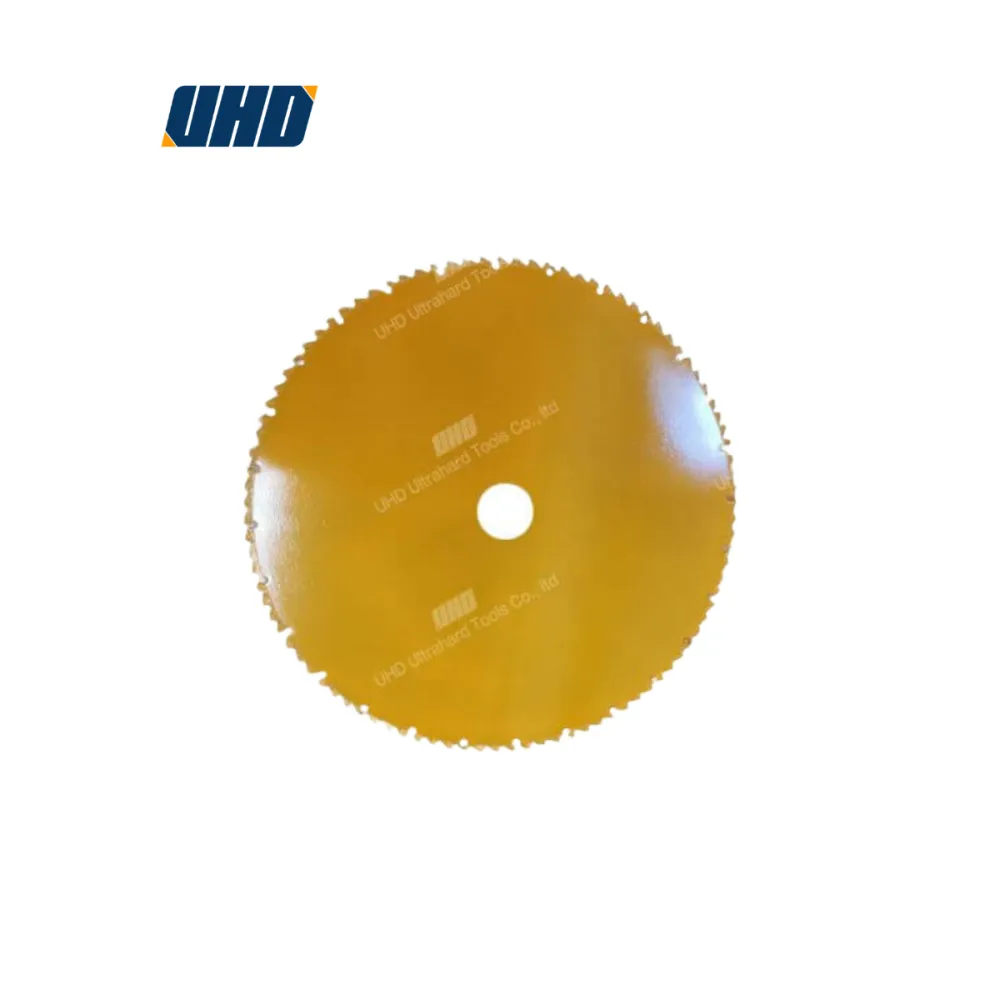
Explore our premium brazed diamond saw blades designed for industrial durability and long-term savings.
Get Your Customized Blade Recommendation Today.png?x-oss-process=image/resize,h_1000,m_lfit/format,webp)


.png?x-oss-process=image/resize,h_1000,m_lfit/format,webp)