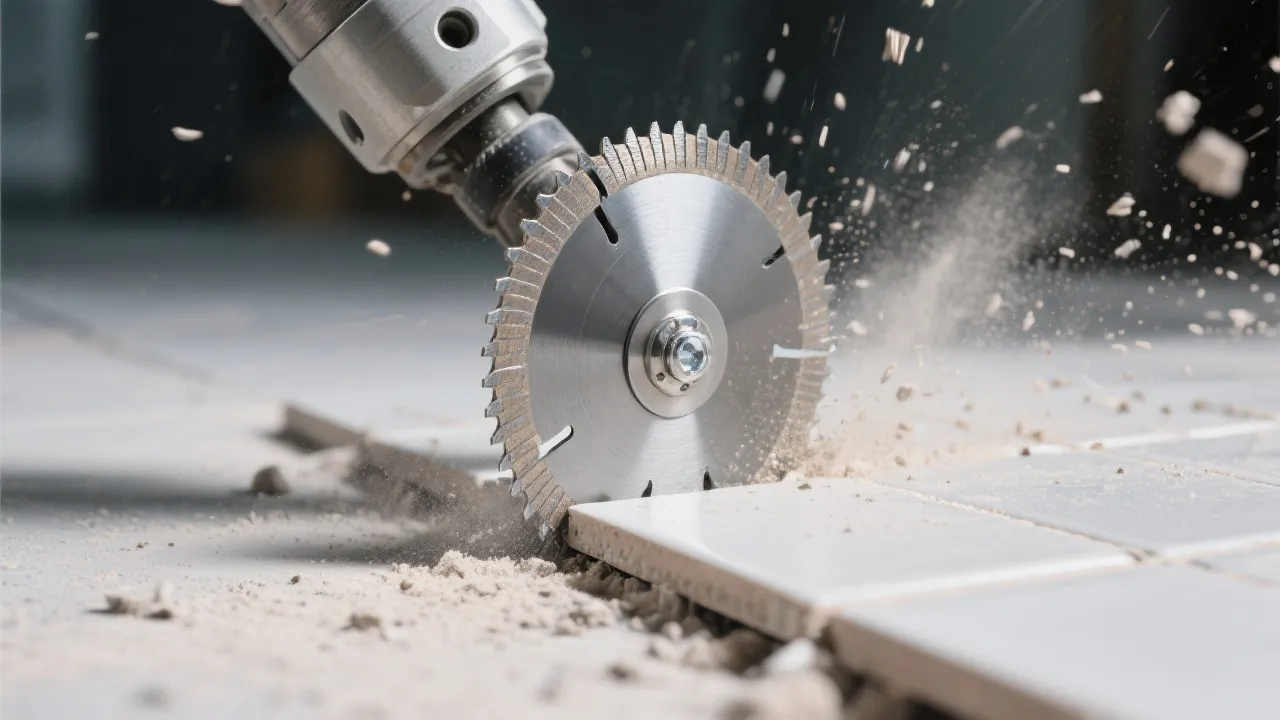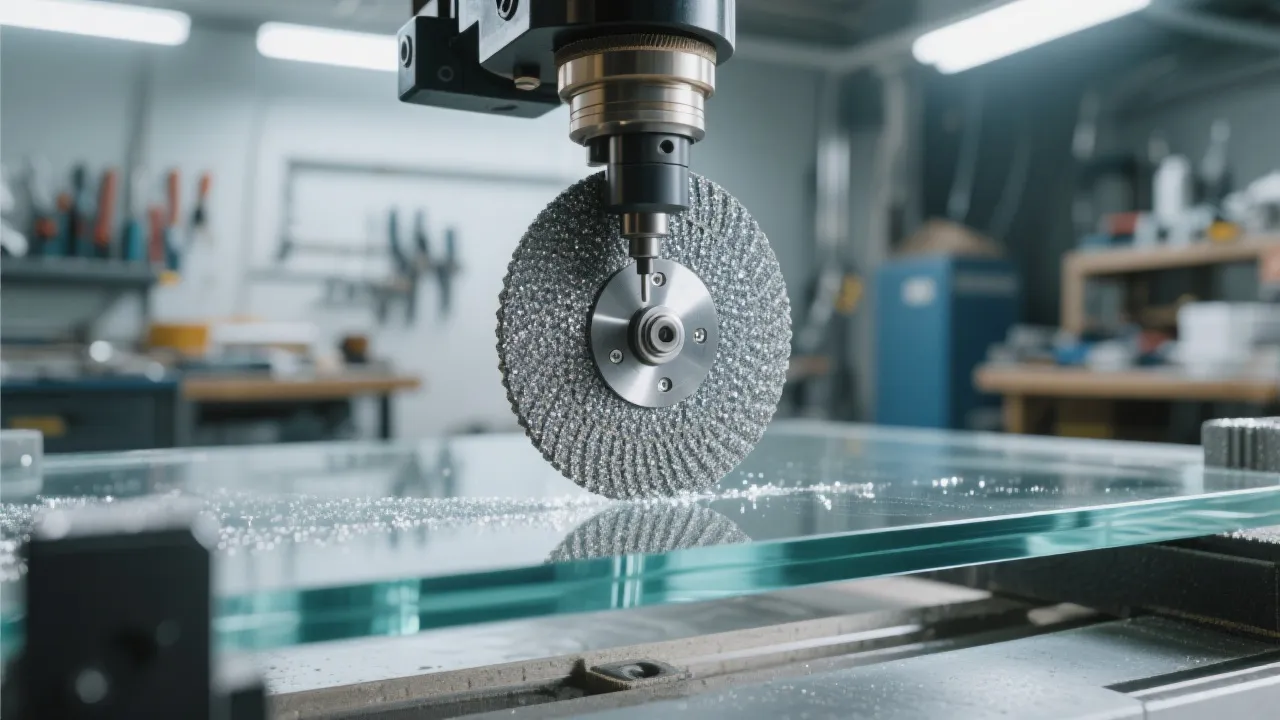
Glass and ceramic materials are widely used in various industries due to their excellent properties such as high hardness, wear - resistance, and chemical stability. However, these very properties also pose significant challenges during the cutting process. Glass and ceramics are known for their high hardness, which means that traditional cutting tools may experience rapid wear. Moreover, they are extremely fragile, and even a small amount of stress can cause cracks, leading to a high material breakage rate.
The crack generation mechanism in these materials is complex. When a cutting tool applies force, the internal stress distribution in the glass or ceramic changes. If the stress exceeds the material's strength limit, micro - cracks will start to form. These micro - cracks can then propagate under continuous stress, eventually resulting in large - scale breakage. For example, in precision glass cutting for electronic devices, a single crack can render the entire piece of glass useless, causing significant economic losses.
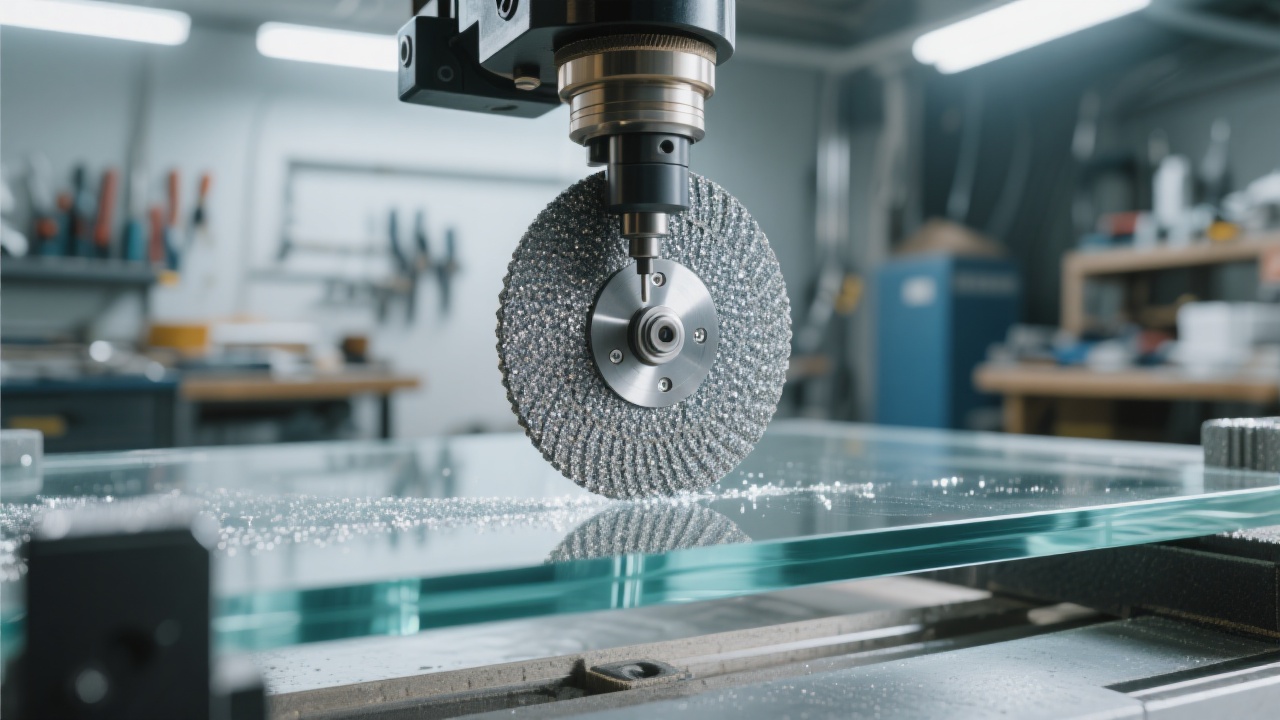
The cutting of glass and ceramics is based on basic mechanical principles. When a cutting tool contacts the material, it applies a combination of normal force and tangential force. The normal force is responsible for pressing the tool into the material, while the tangential force helps to remove the material. Understanding the relationship between these two forces is crucial for achieving optimal cutting results. For instance, an appropriate normal force can ensure that the tool penetrates the material without causing excessive damage, while the tangential force should be sufficient to remove the material efficiently.
The wear of cutting tools during glass and ceramic cutting is mainly due to abrasion, adhesion, and chemical reactions. Abrasion occurs when the hard particles in the glass or ceramic material rub against the cutting tool, gradually wearing away its surface. Adhesion happens when the material adheres to the tool surface, which can affect the cutting performance. Chemical reactions may also take place under high - temperature and high - pressure conditions, further accelerating tool wear. By understanding these wear mechanisms, engineers can select more wear - resistant cutting tools and optimize cutting parameters to reduce tool wear.
Optimizing cutting parameters such as cutting speed, feed rate, and depth of cut is essential for improving cutting efficiency and reducing material breakage. For example, a lower cutting speed can reduce the heat generated during cutting, which is beneficial for fragile materials like glass and ceramics. A proper feed rate can ensure that the tool removes the material at a steady pace, preventing sudden stress changes that may cause cracks. The depth of cut should also be carefully controlled to avoid over - stressing the material.
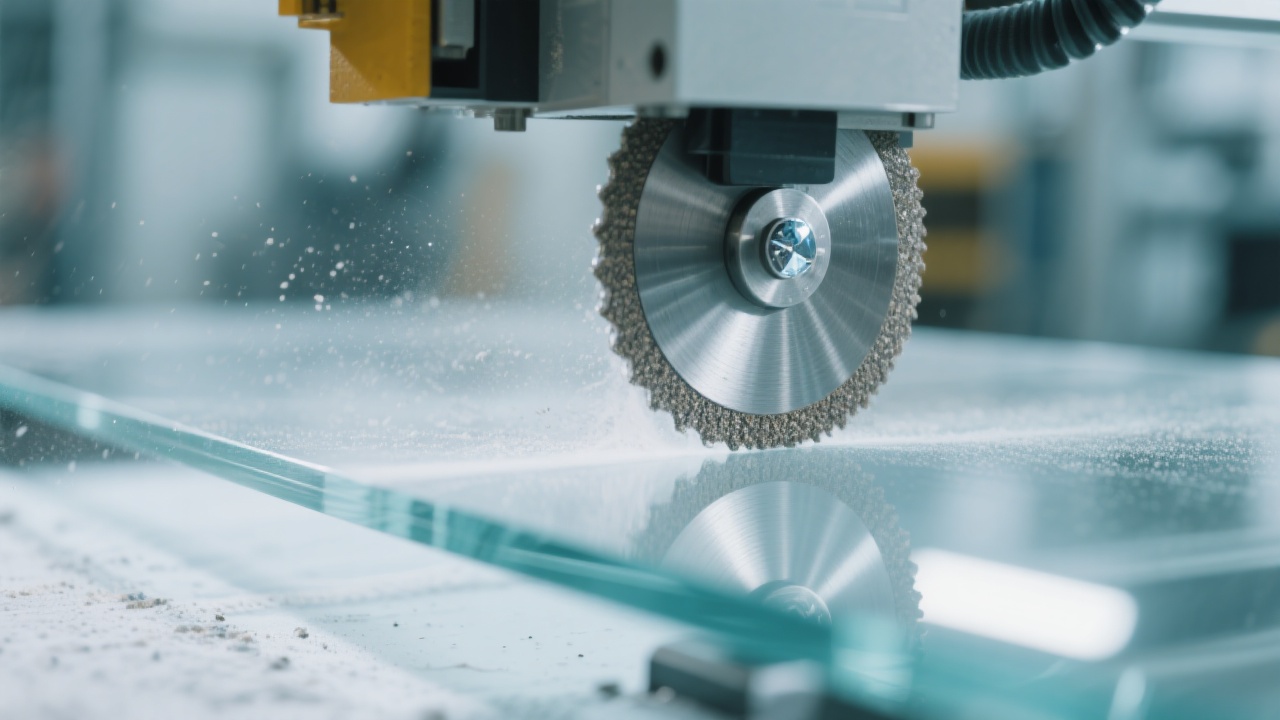
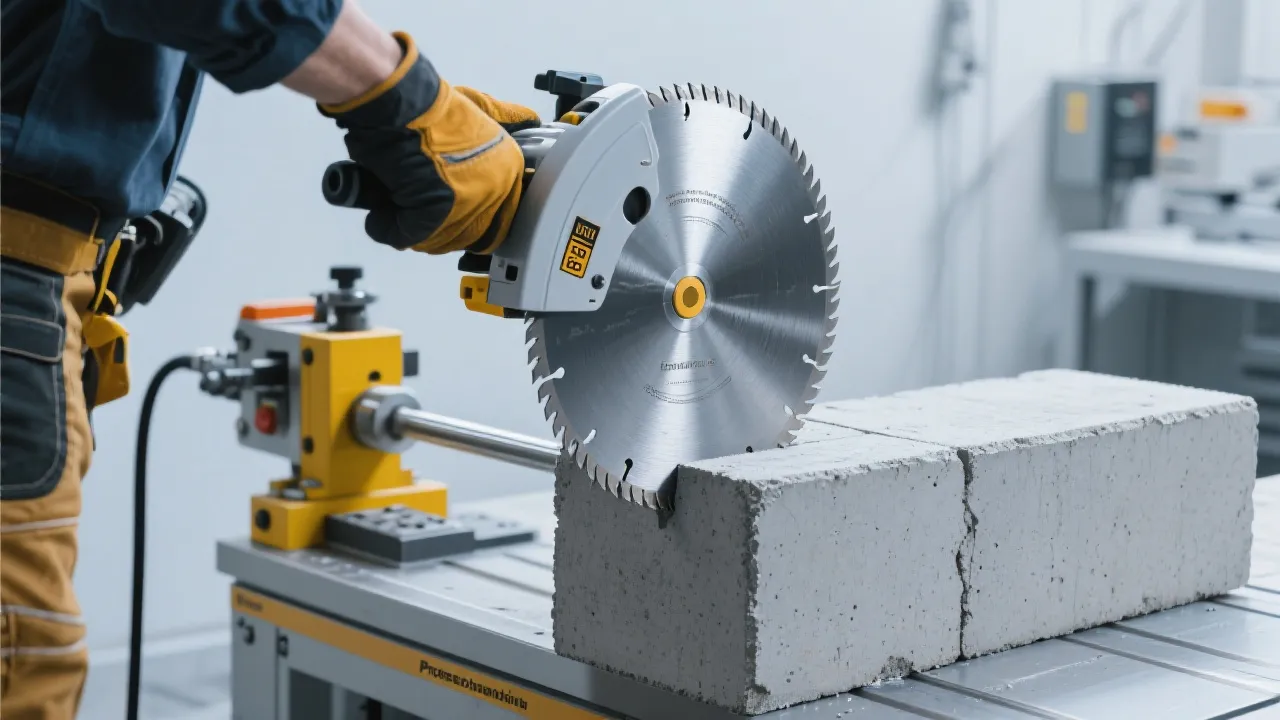
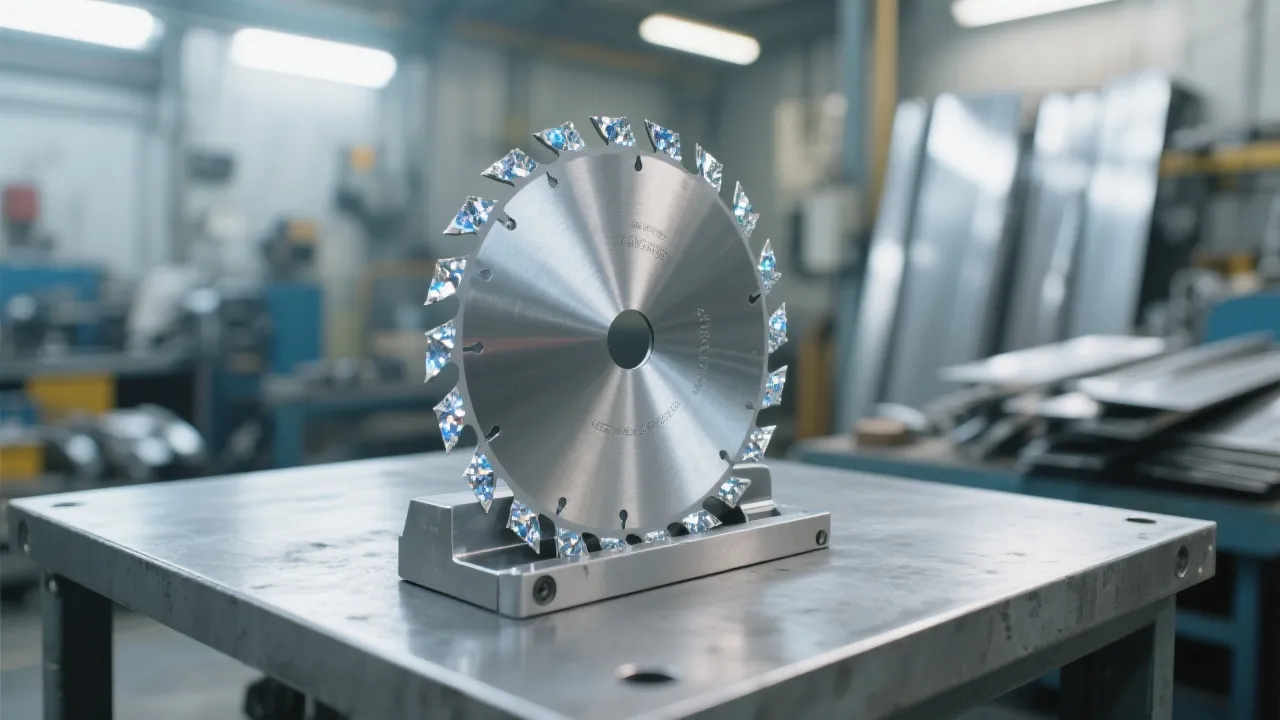
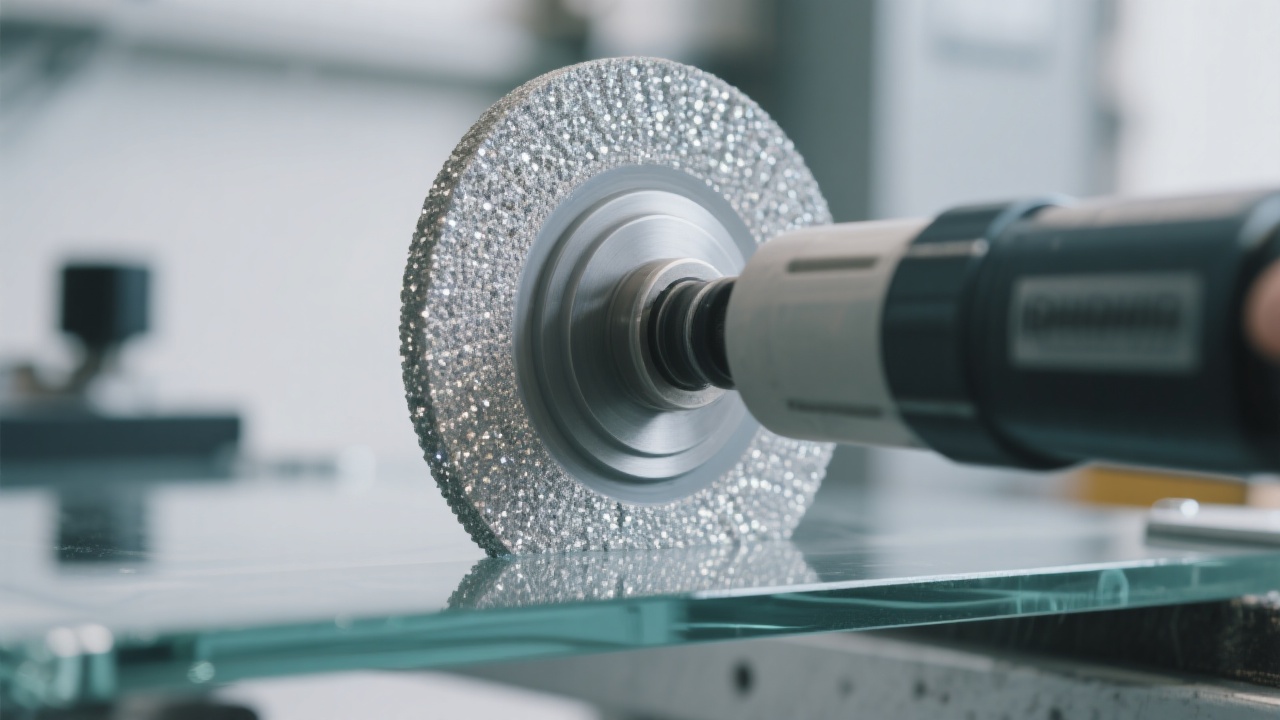
In actual operations, there are several practical skills that can help reduce material breakage, extend tool life, and improve cutting efficiency. One effective method is to use pre - treatment techniques. For example, pre - heating the glass or ceramic material can reduce its internal stress, making it less prone to cracking during cutting. Another important skill is tool selection. Diamond saw blades are widely used in glass and ceramic cutting due to their high hardness and wear resistance. However, the quality and type of diamond saw blades also vary, and engineers need to select the most suitable ones according to the specific cutting requirements.
Proper lubrication and cooling are also crucial. Using a suitable coolant can not only reduce the temperature during cutting but also flush away the debris, preventing it from adhering to the tool and the material. This can significantly extend tool life and improve cutting quality.
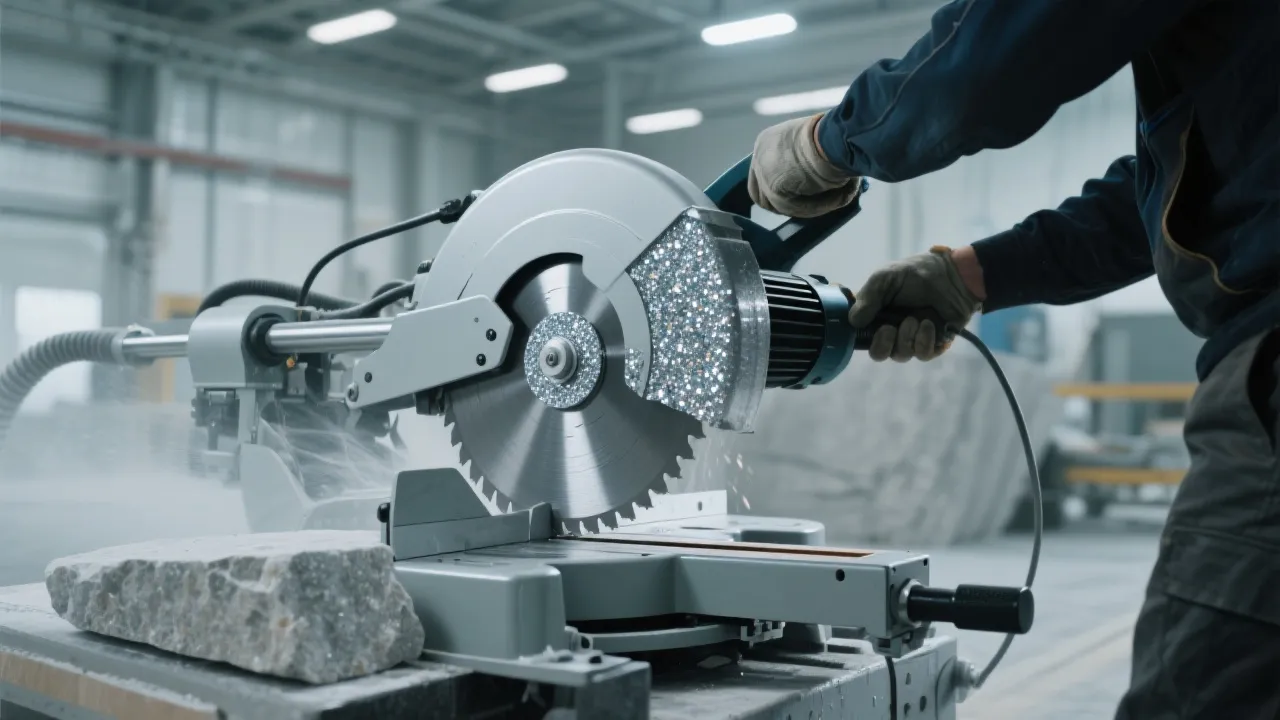
During the cutting of glass and ceramics, a large amount of dust is generated. This dust is not only harmful to the environment but also poses a threat to the health of workers. Therefore, dust control and workplace hygiene management are essential. Installing dust - collection systems can effectively capture the dust generated during cutting, reducing its spread in the workplace. Regular cleaning of the work area can also prevent the accumulation of dust, ensuring a clean and safe working environment.
In addition, proper ventilation is necessary to remove the dust and harmful gases from the workplace. This not only meets the requirements of green and environmental - friendly production but also improves the working conditions for employees.
In conclusion, glass and ceramic cutting is a complex process that requires a deep understanding of the material's physical properties, cutting technology principles, and practical operation skills. By following the methods and principles introduced in this article, engineers and technicians can select more scientific cutting solutions, improve their operation levels, and achieve a combination of theory and practice. If you want to learn more about high - performance cutting tools for glass and ceramics, click here to explore our advanced cutting tool options.


.png?x-oss-process=image/resize,h_1000,m_lfit/format,webp)