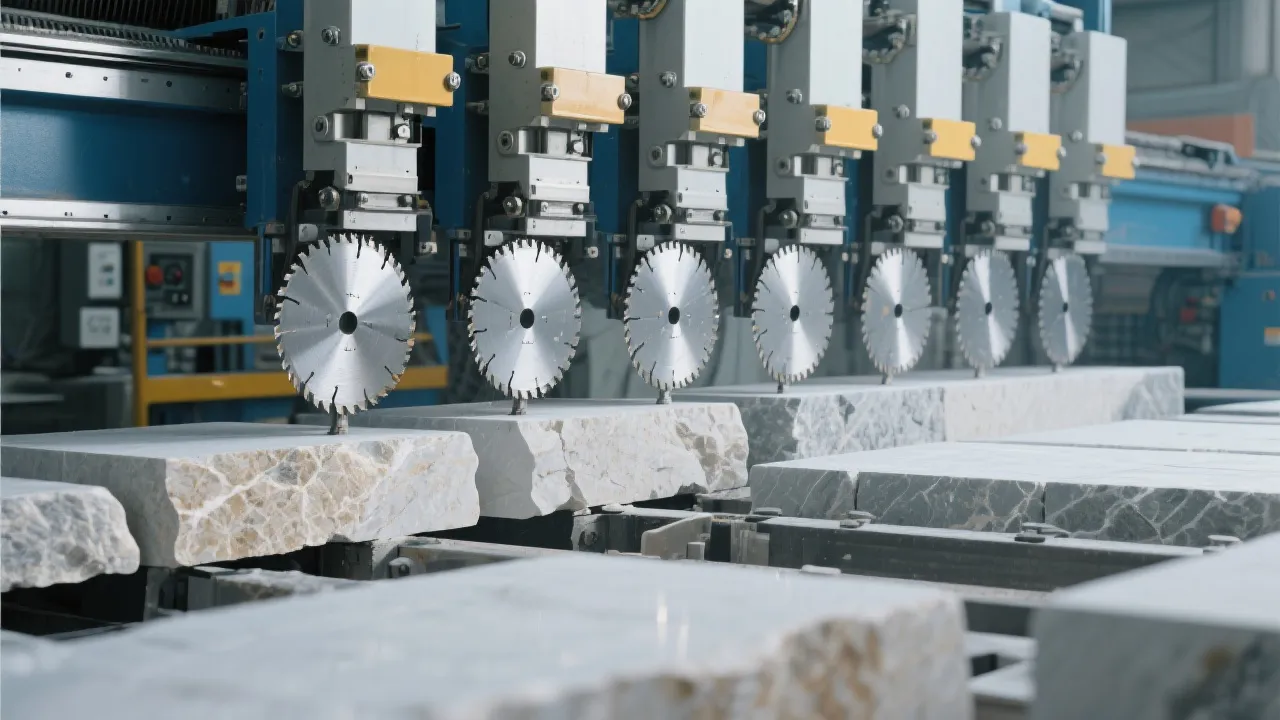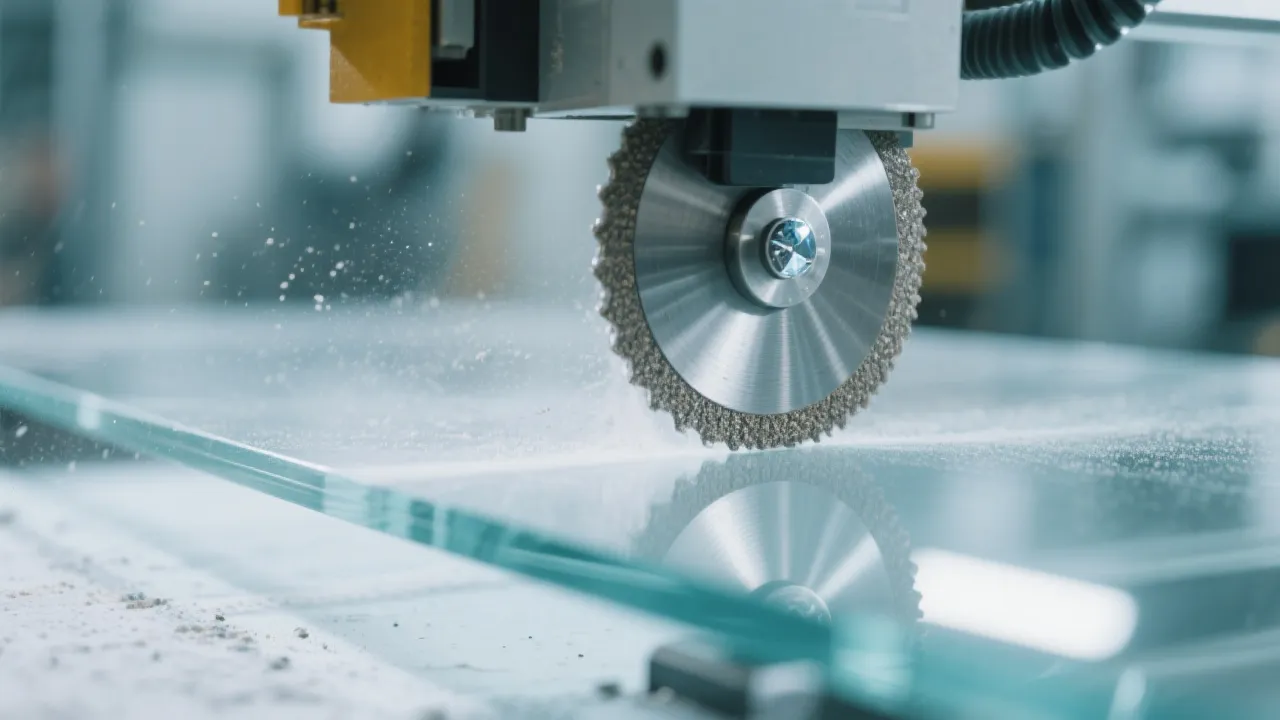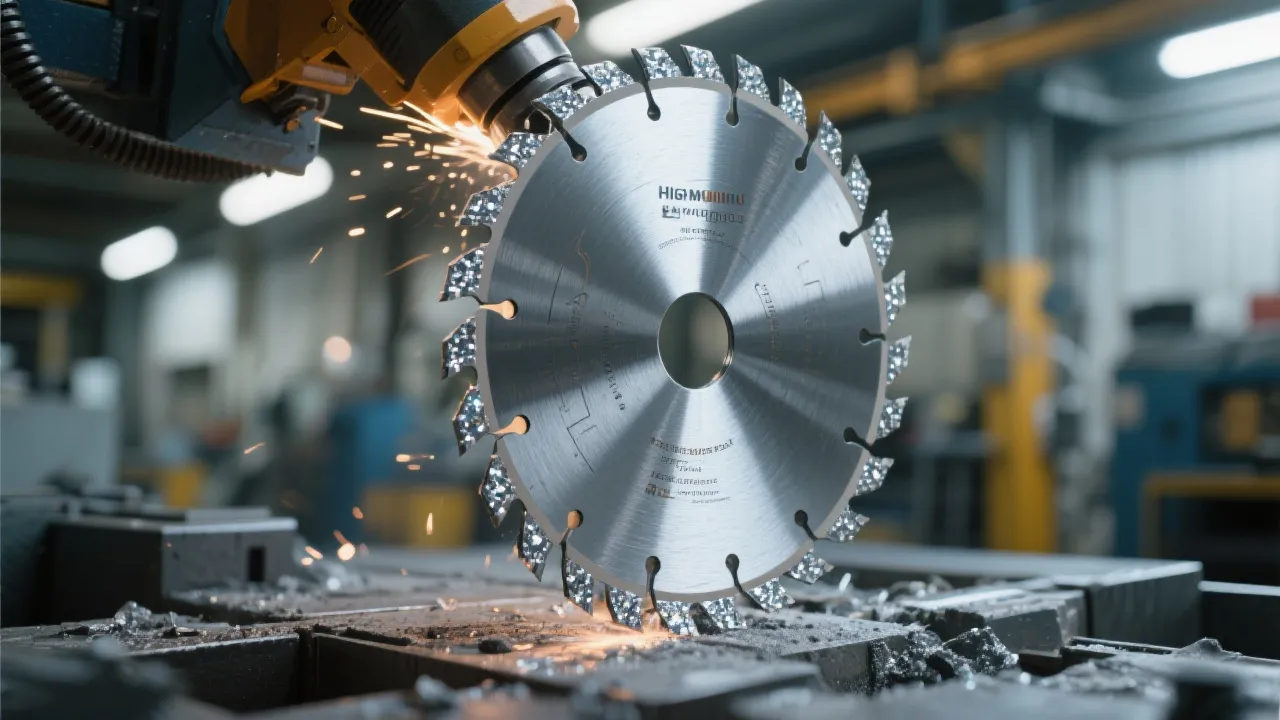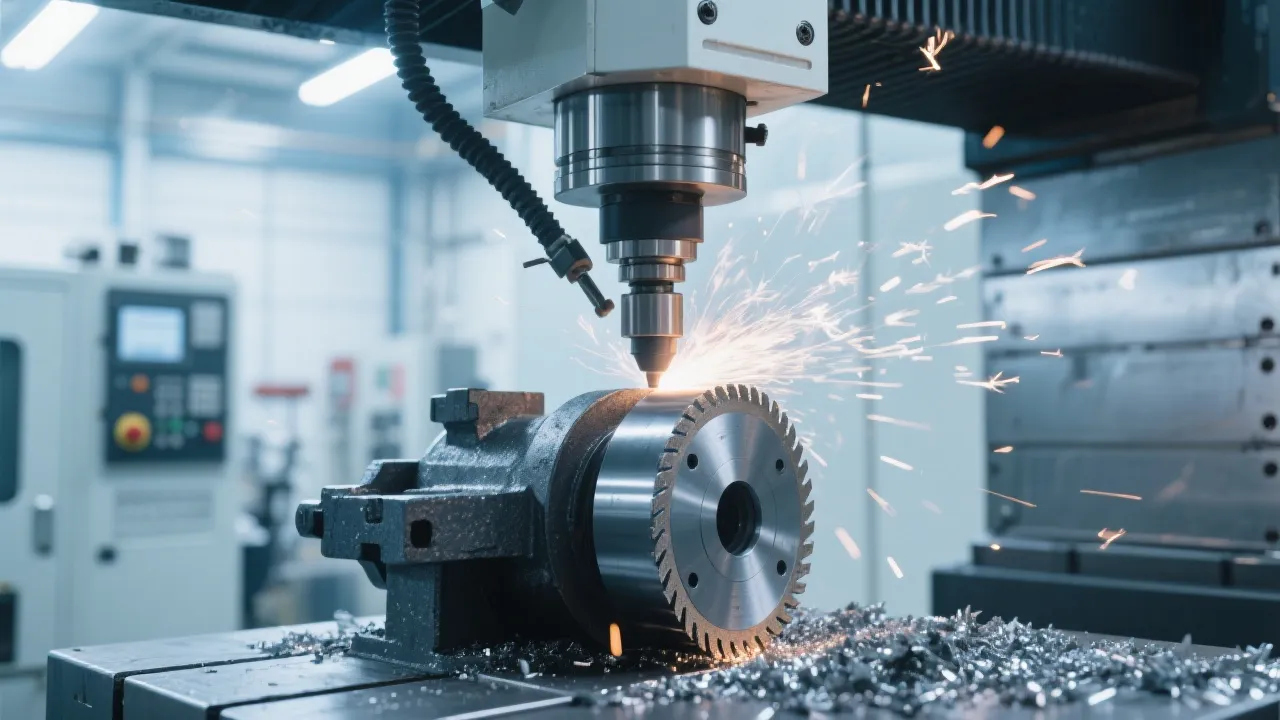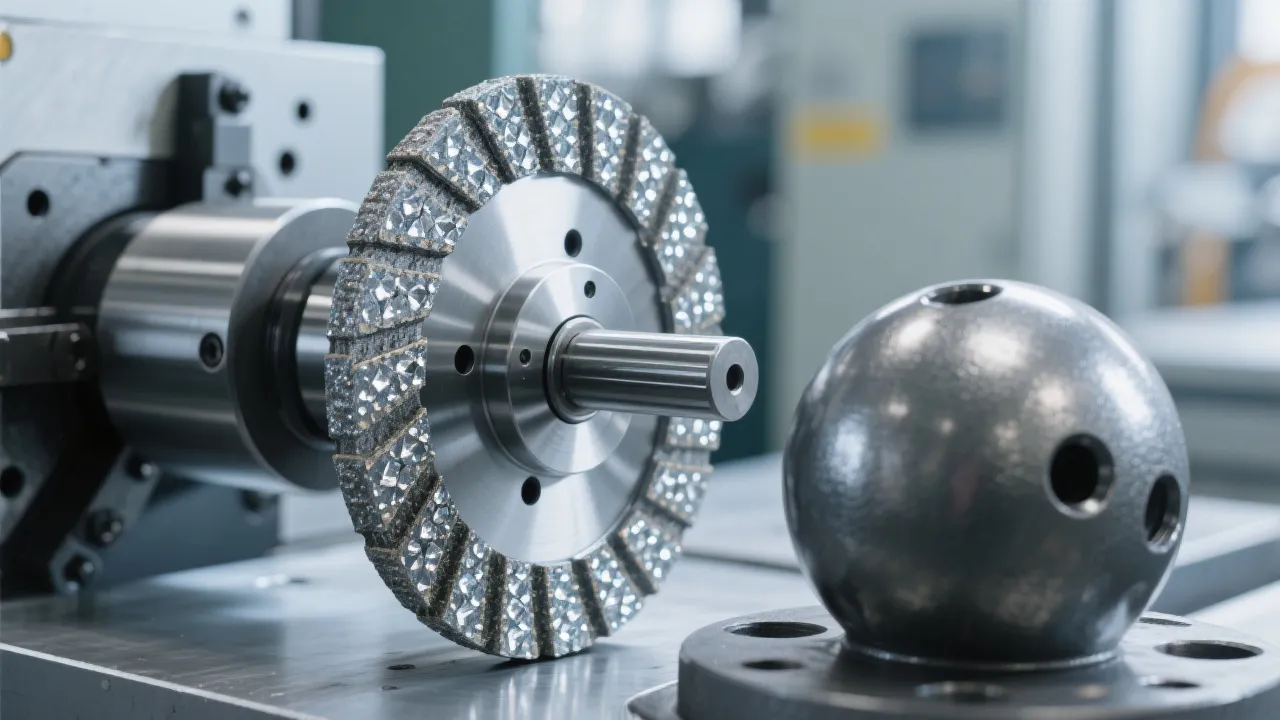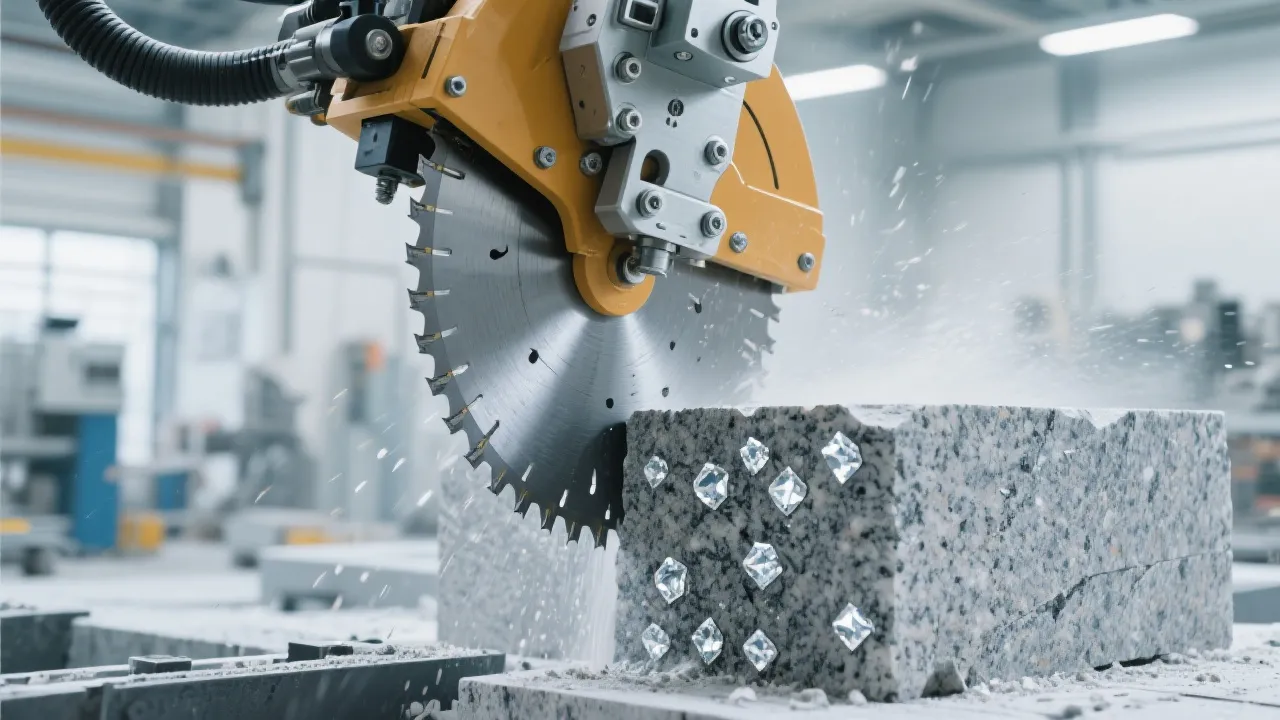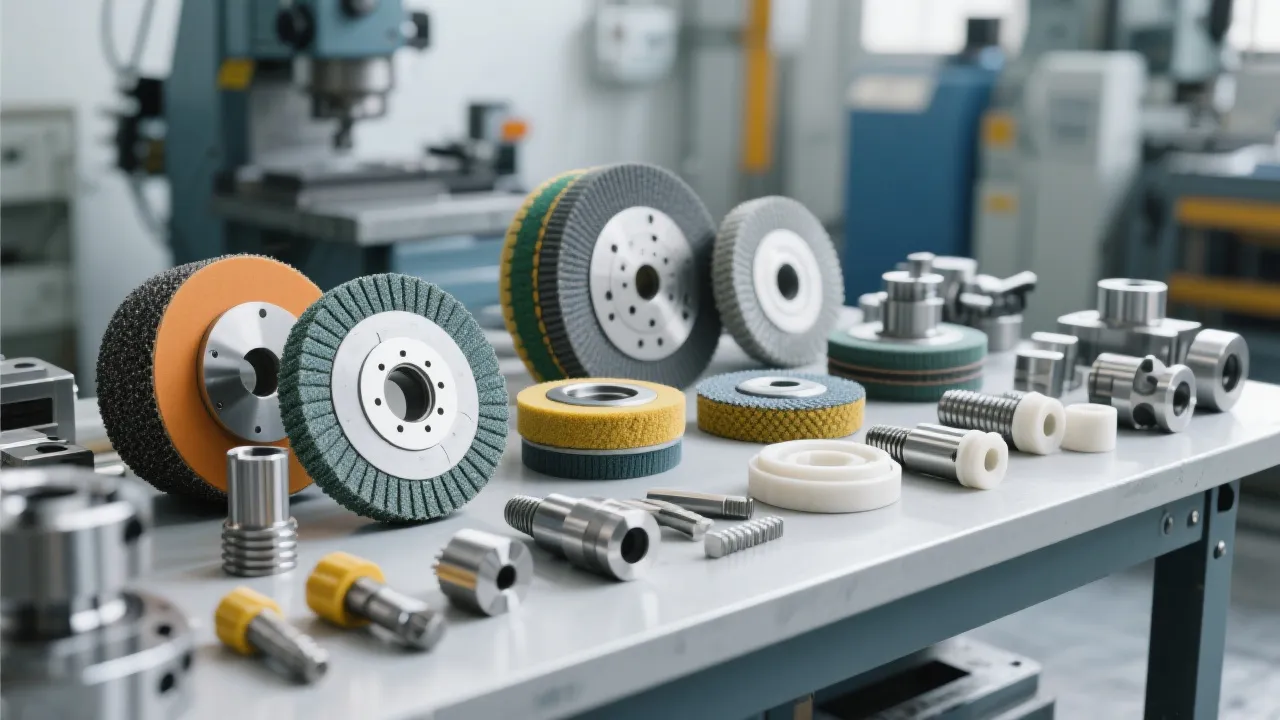
In the world of stone finishing, achieving a flawless mirror - like finish on stone surfaces is both an art and a science. This article delves deep into the high - efficiency stone polishing process, focusing on the crucial role of diamond grinding tools at different stages of polishing, from rough polishing to fine polishing and finally to mirror polishing.
Diamond grinding tools are the cornerstone of the stone polishing process. In the rough polishing stage, tools with a relatively high hardness and coarser diamond particles are used. These tools can quickly remove large amounts of material from the stone surface, leveling uneven areas. For example, a diamond grinding tool with a hardness of around 8 on the Mohs scale and a diamond particle size of 80 - 100 mesh can effectively remove scratches and bumps on the stone surface.
In the fine polishing stage, the focus shifts to improving the smoothness of the stone surface. Tools with a softer matrix and finer diamond particles are employed. A tool with a matrix hardness of around 6 on the Mohs scale and a diamond particle size of 200 - 300 mesh can refine the surface, gradually reducing the roughness and preparing it for the final mirror polishing.
During the mirror polishing stage, ultra - fine diamond particles are used. Tools with a diamond particle size of 800 - 1000 mesh can create a mirror - like finish on the stone surface, enhancing its aesthetic appeal and value.
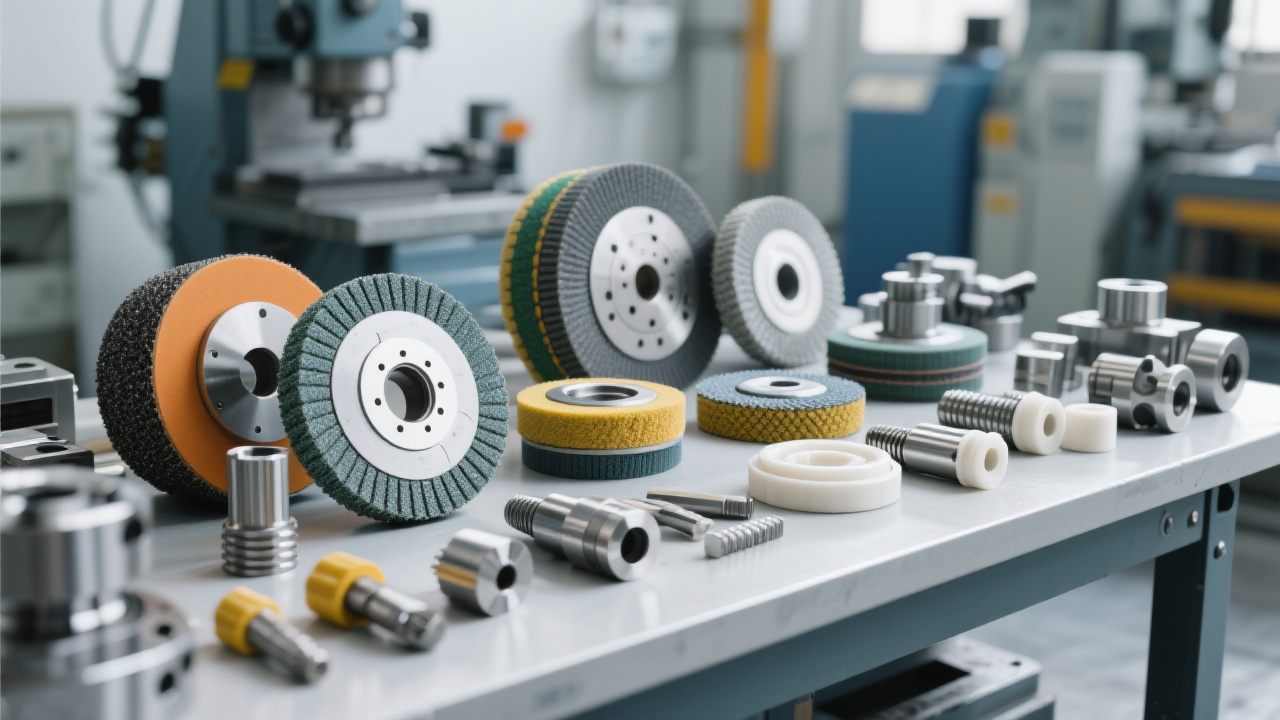
The performance of diamond grinding tools is not only determined by the tool itself but also by a series of process parameters, including the hardness of the matrix, diamond concentration, rotational speed, and pressure.
The hardness of the matrix affects the wear resistance and cutting ability of the tool. A harder matrix can maintain its shape better during the polishing process but may also cause more scratches on the stone surface. On the other hand, a softer matrix can adapt to the stone surface better but may wear out more quickly. Generally, for rough polishing, a harder matrix is preferred, while for fine and mirror polishing, a softer matrix is more suitable.
Diamond concentration also plays a vital role. A higher diamond concentration can increase the cutting efficiency but may also increase the cost. For rough polishing, a diamond concentration of 30% - 40% is commonly used, while for fine and mirror polishing, a concentration of 20% - 30% is sufficient.
The rotational speed and pressure need to be adjusted according to the polishing stage. In the rough polishing stage, a higher rotational speed (around 1500 - 2000 rpm) and greater pressure (around 5 - 10 kg/cm²) can be applied to remove material quickly. In the fine and mirror polishing stages, a lower rotational speed (around 800 - 1200 rpm) and lighter pressure (around 2 - 5 kg/cm²) are required to avoid over - polishing and damage to the stone surface.
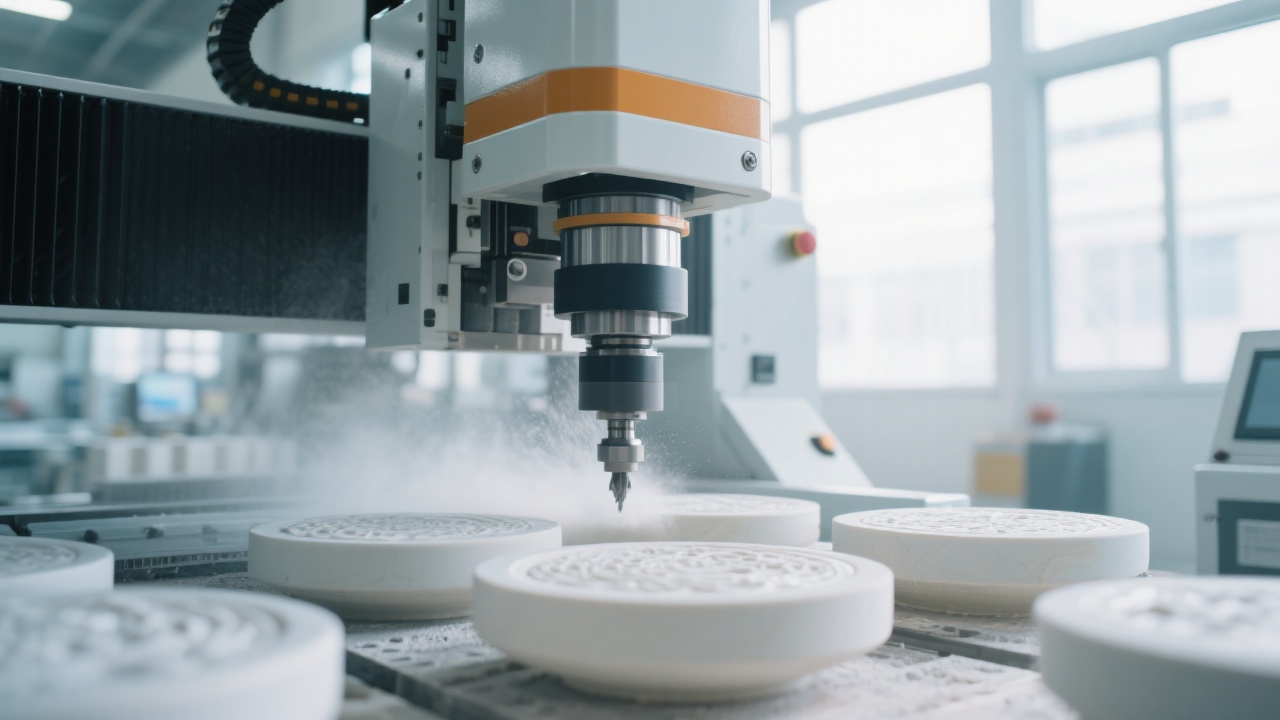
Let's take a look at some real - world application scenarios, such as hospital floors, commercial squares, and building facades.
For hospital floors, hygiene and aesthetics are of utmost importance. The polishing process needs to achieve a high - gloss finish while ensuring the smoothness of the surface to prevent the accumulation of dirt and bacteria. By adjusting the process parameters, such as using a softer matrix and lower pressure in the fine and mirror polishing stages, a high - quality finish can be achieved.
In commercial squares, the stone surfaces need to withstand high traffic and maintain their appearance for a long time. A harder matrix and higher diamond concentration can be used in the rough polishing stage to ensure the durability of the surface. Then, in the fine and mirror polishing stages, the parameters can be adjusted to achieve a balance between gloss and smoothness.
For building facades, the appearance is the key. The polishing process should focus on creating a uniform and high - gloss finish. By carefully adjusting the rotational speed, pressure, and diamond concentration, a stunning visual effect can be achieved.
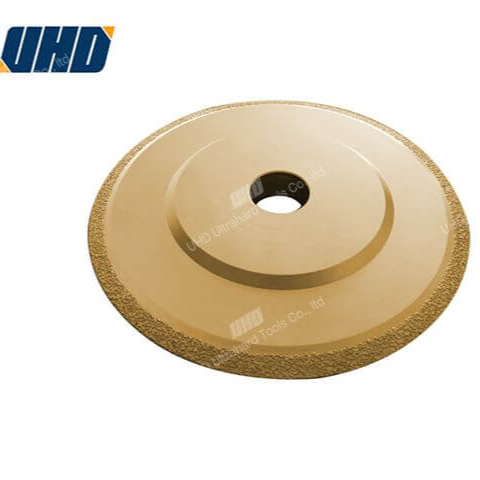
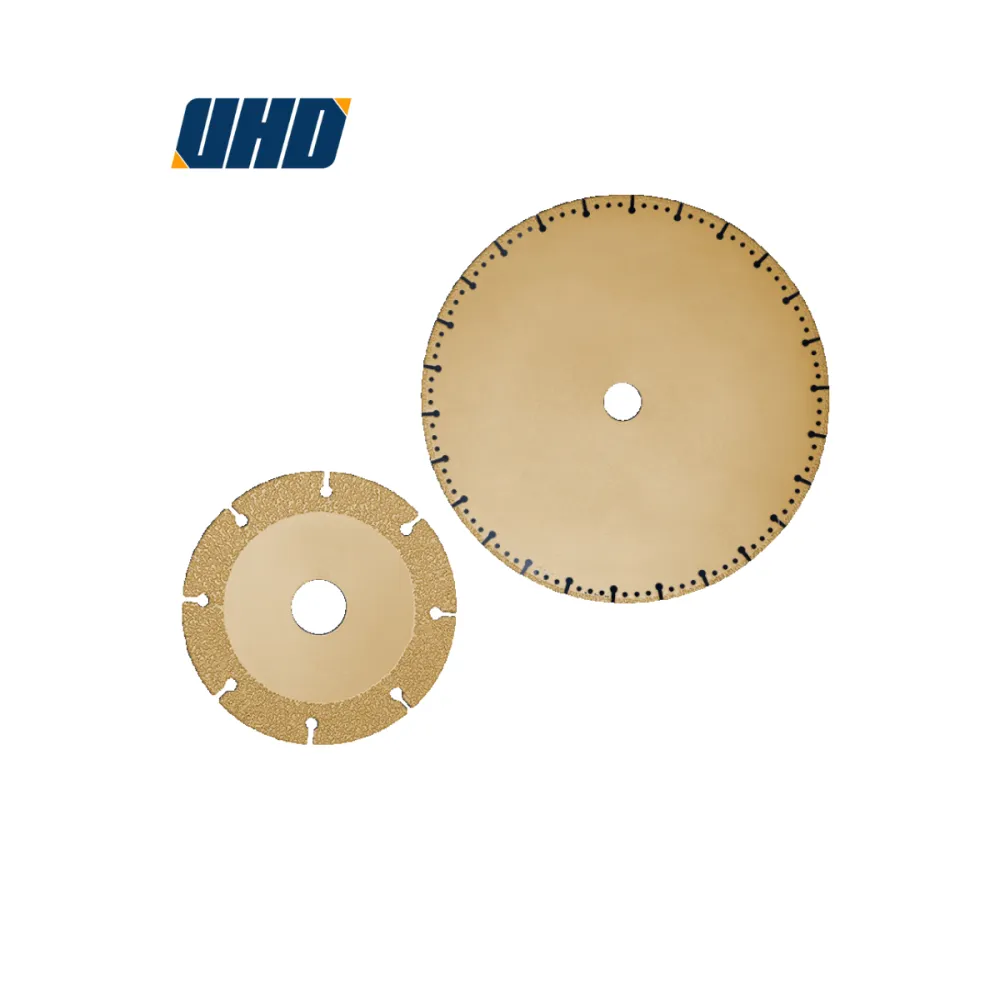
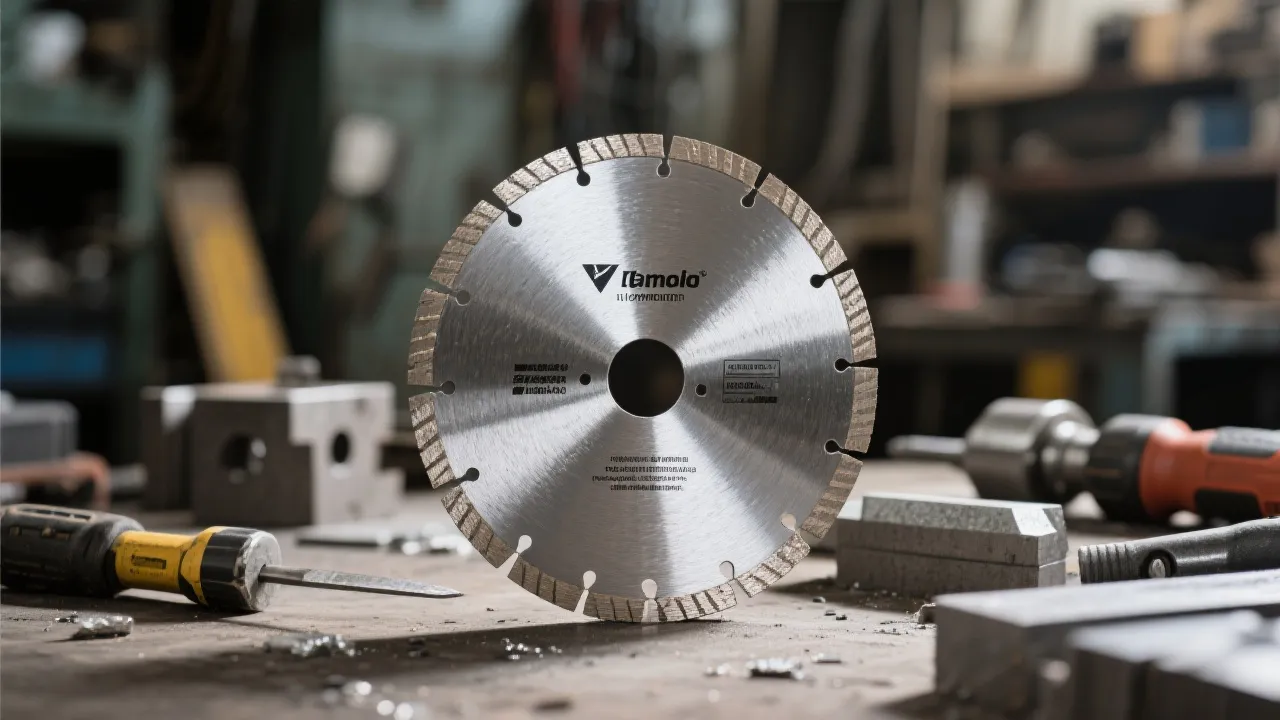
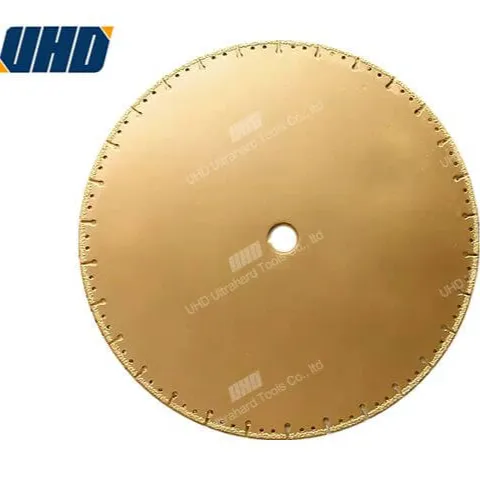
UHD's diamond grinding tools are designed to meet the diverse needs of different polishing stages and application scenarios. With advanced technology and high - quality materials, UHD tools can help you achieve the best polishing results.
If you are interested in learning more about diamond grinding tools and customized optimization services to enhance your polishing efficiency and effect, click here to explore further.
.png?x-oss-process=image/resize,h_1000,m_lfit/format,webp)