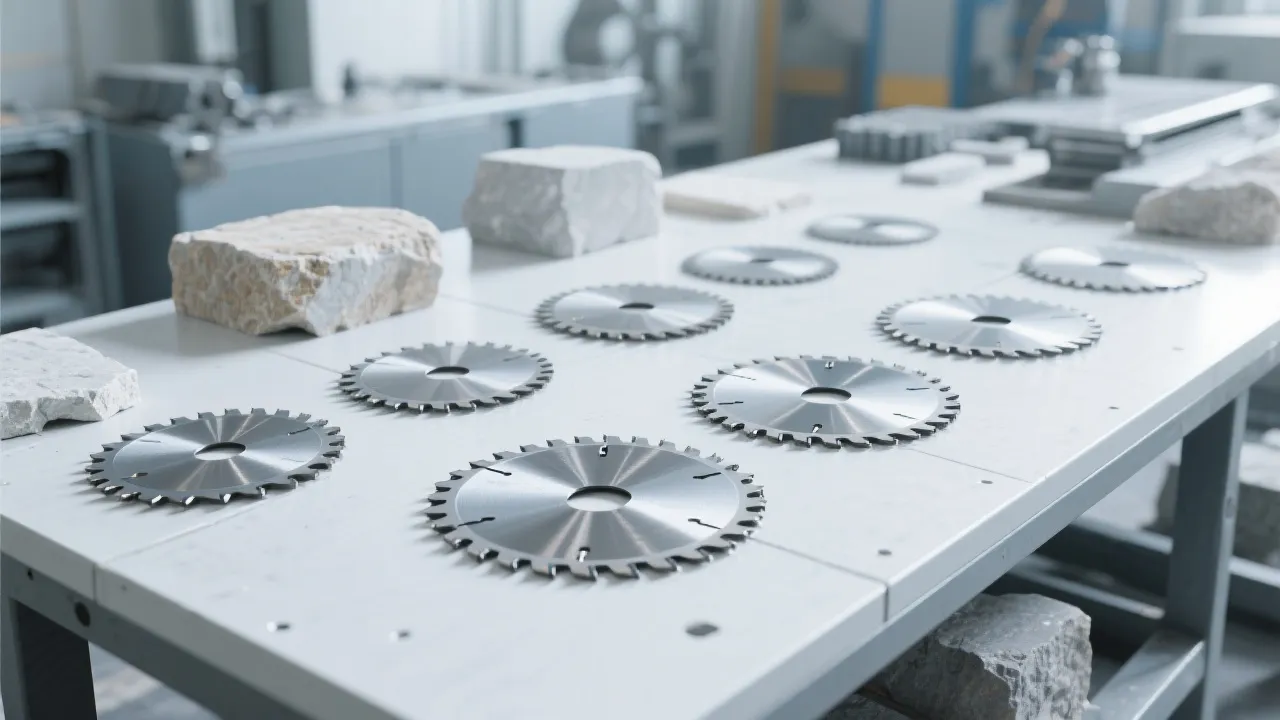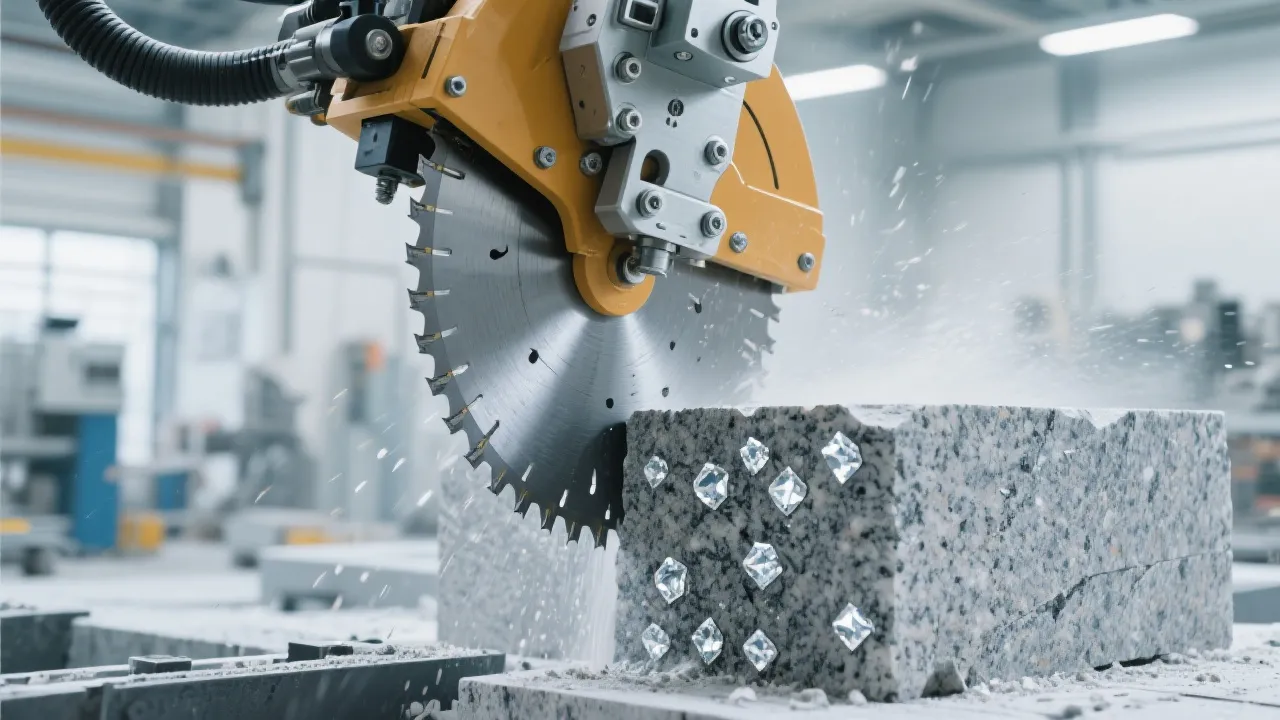
When it comes to cutting high - hardness materials such as marble, granite, and tiles, several common problems often arise. For instance, marble is prone to cracking, with an estimated 15 - 20% of cuts resulting in minor to major cracks. Granite may have uneven cutting surfaces, which can reduce the quality of the final product. Tiles, on the other hand, may break during the cutting process, leading to a waste rate of around 10 - 15%. These issues are mainly caused by the inappropriate use of cutting tools and incorrect cutting parameters.
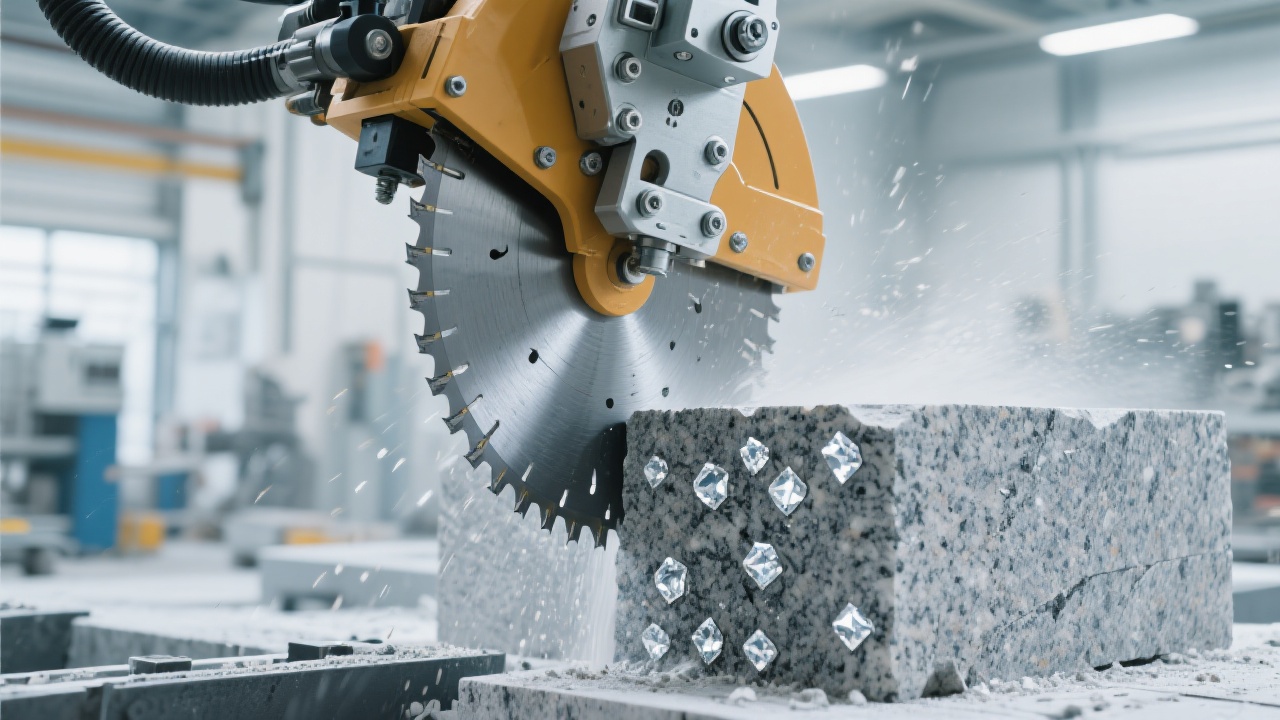
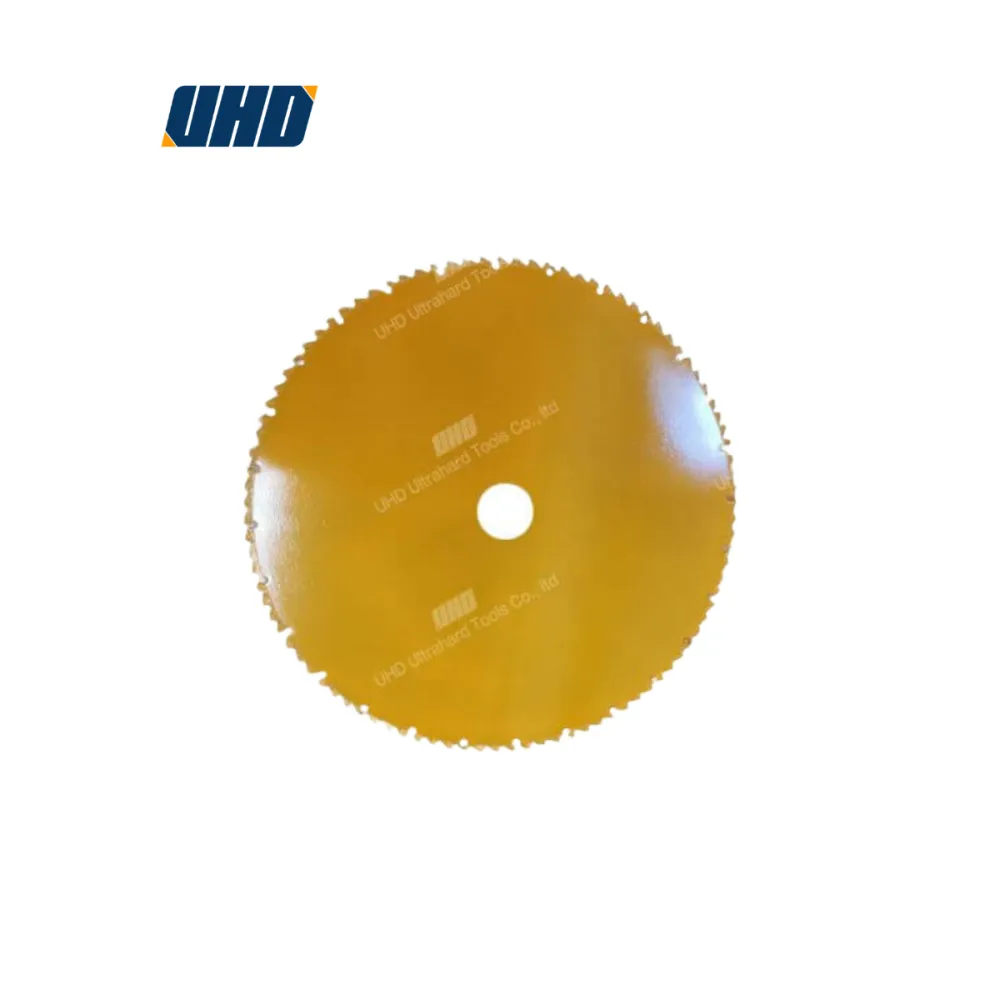
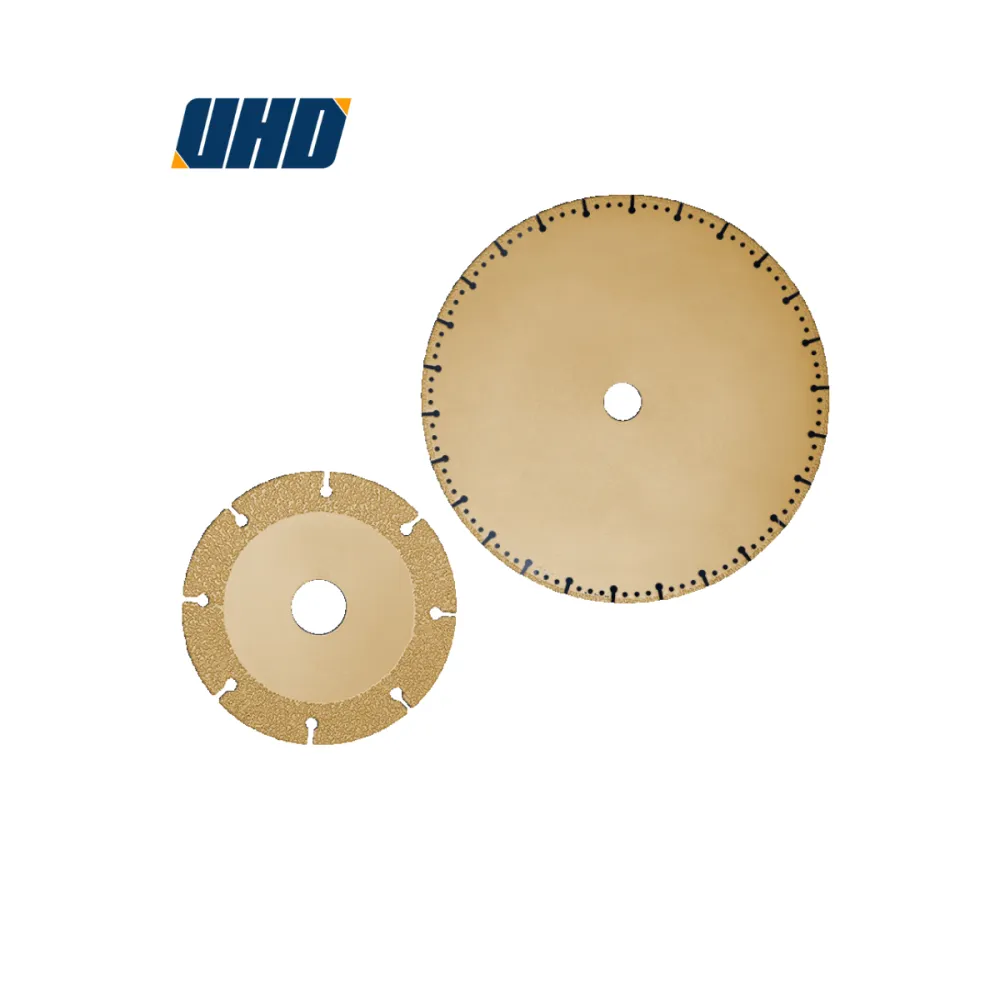
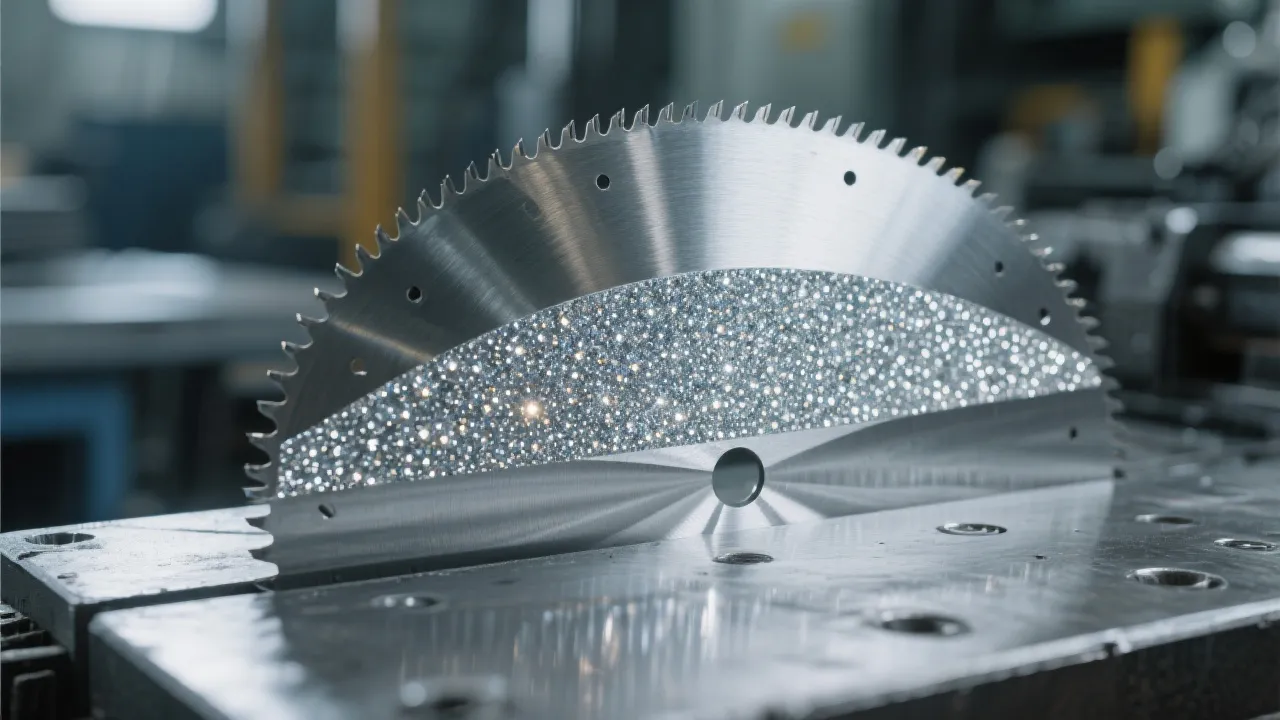
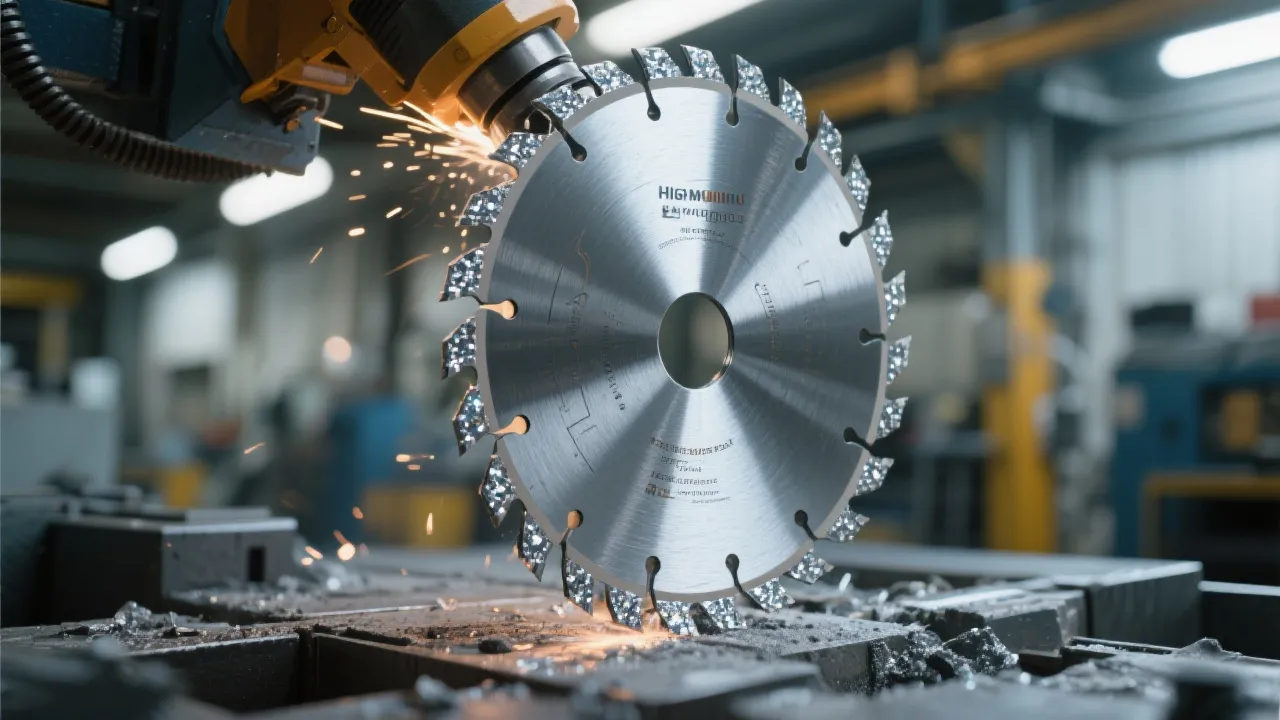
The UHD high - durable brazed diamond saw blade has significant structural advantages. The use of high - performance diamond particles provides sharp cutting edges and excellent wear resistance. These diamond particles are precisely placed on the saw blade, ensuring a consistent cutting performance. Research shows that compared with traditional saw blades, the UHD saw blade can increase cutting efficiency by 30 - 40% and extend the tool life by up to 50%.
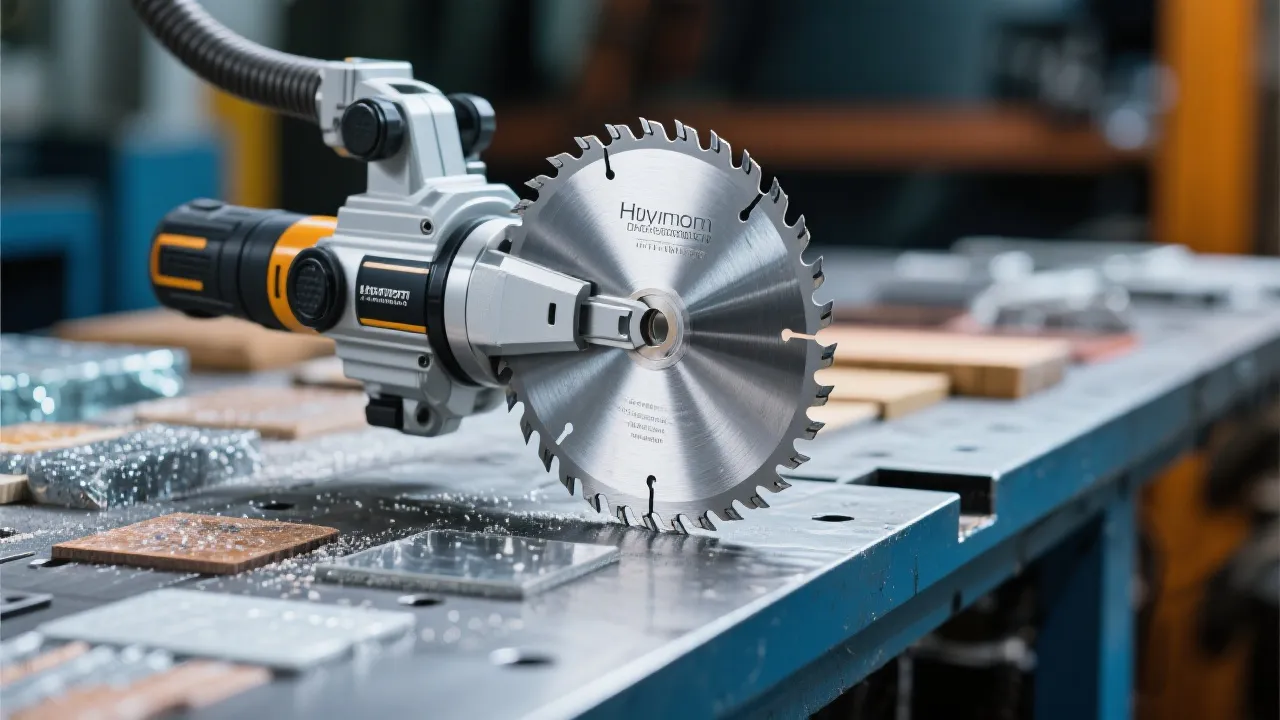
Proper installation of the saw blade is crucial. First, ensure that the saw blade is clean and free of debris. Then, carefully align the saw blade with the spindle of the cutting machine. Tighten the nuts evenly to prevent the saw blade from wobbling during operation. Following the correct installation steps can reduce the risk of accidents and improve cutting accuracy.
Operators should wear appropriate safety equipment, such as safety glasses and gloves. Before starting the machine, check the saw blade for any signs of damage. Do not exceed the maximum speed limit of the saw blade to avoid potential hazards.
Adjust the cutting machine according to the type of material to be cut. This includes setting the correct cutting depth and speed. For example, when cutting marble, a lower cutting speed and shallower depth are recommended to prevent cracking.
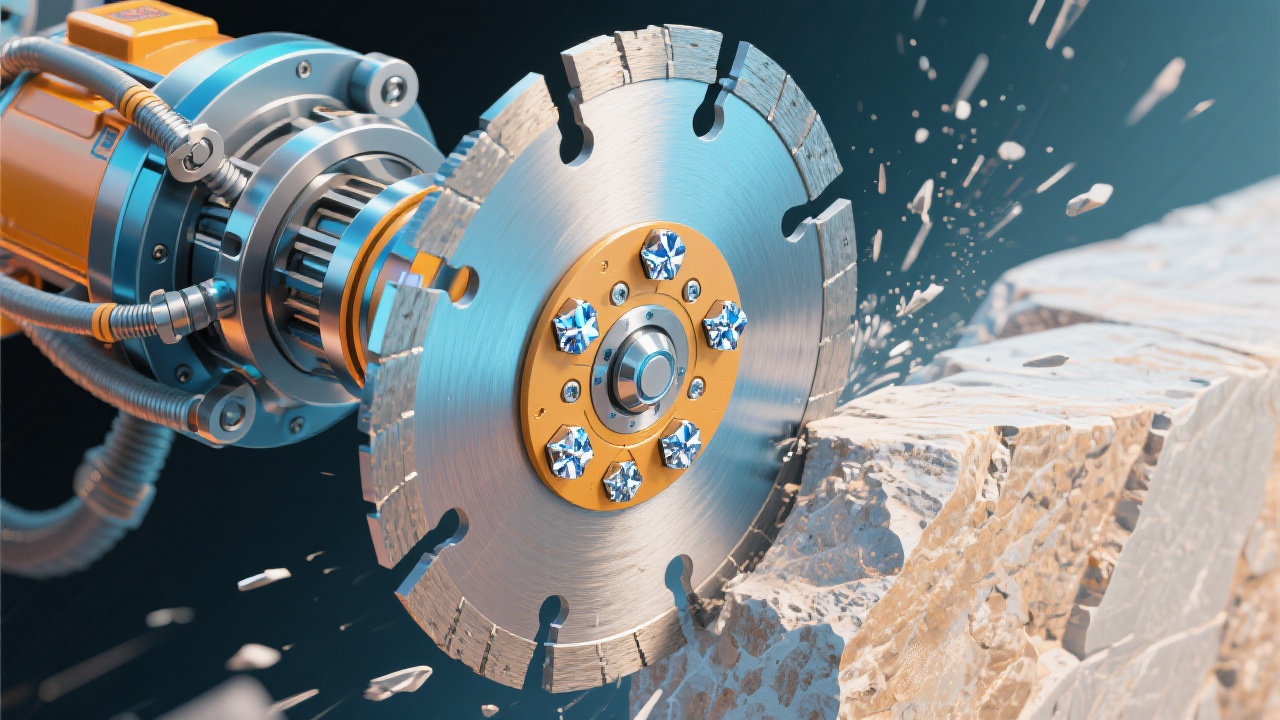
Different materials require different cutting parameters. For marble, a recommended cutting speed is between 20 - 30 m/min, and the cutting depth should be around 2 - 3 mm. When cutting granite, a higher speed of 30 - 40 m/min and a cutting depth of 3 - 5 mm are more suitable. For tiles, a speed of 15 - 25 m/min and a depth of 1 - 2 mm are ideal. These parameters can be adjusted based on the specific characteristics of the material and the cutting machine.
| Material | Cutting Speed (m/min) | Cutting Depth (mm) |
|---|---|---|
| Marble | 20 - 30 | 2 - 3 |
| Granite | 30 - 40 | 3 - 5 |
| Tiles | 15 - 25 | 1 - 2 |
When cutting marble, it is important to use a slow and steady cutting process. Start with a shallow cut and gradually increase the depth. Avoid applying excessive pressure, as this can cause the marble to crack. Also, use a coolant to reduce heat and prevent damage to the saw blade.
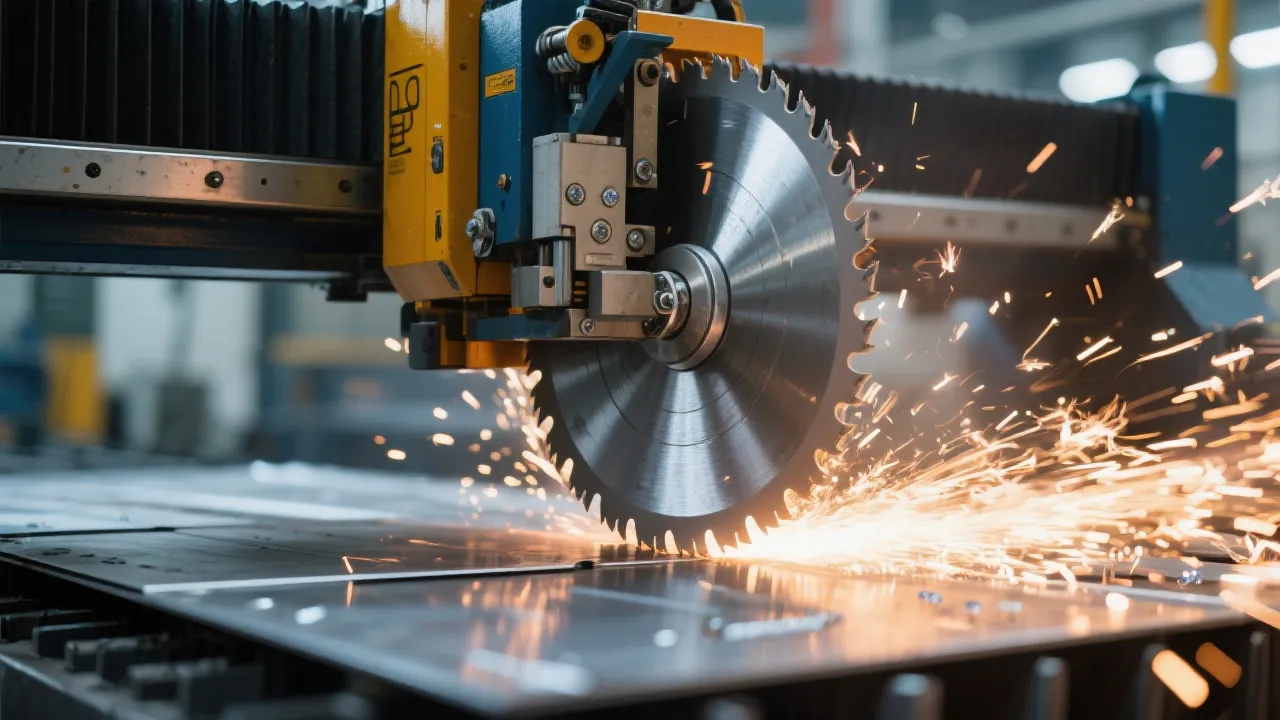
Granite is a harder material, so a higher cutting speed and deeper depth can be used. However, make sure to monitor the cutting process closely to ensure a smooth and even cut. Use a high - quality coolant to keep the saw blade cool and extend its life.
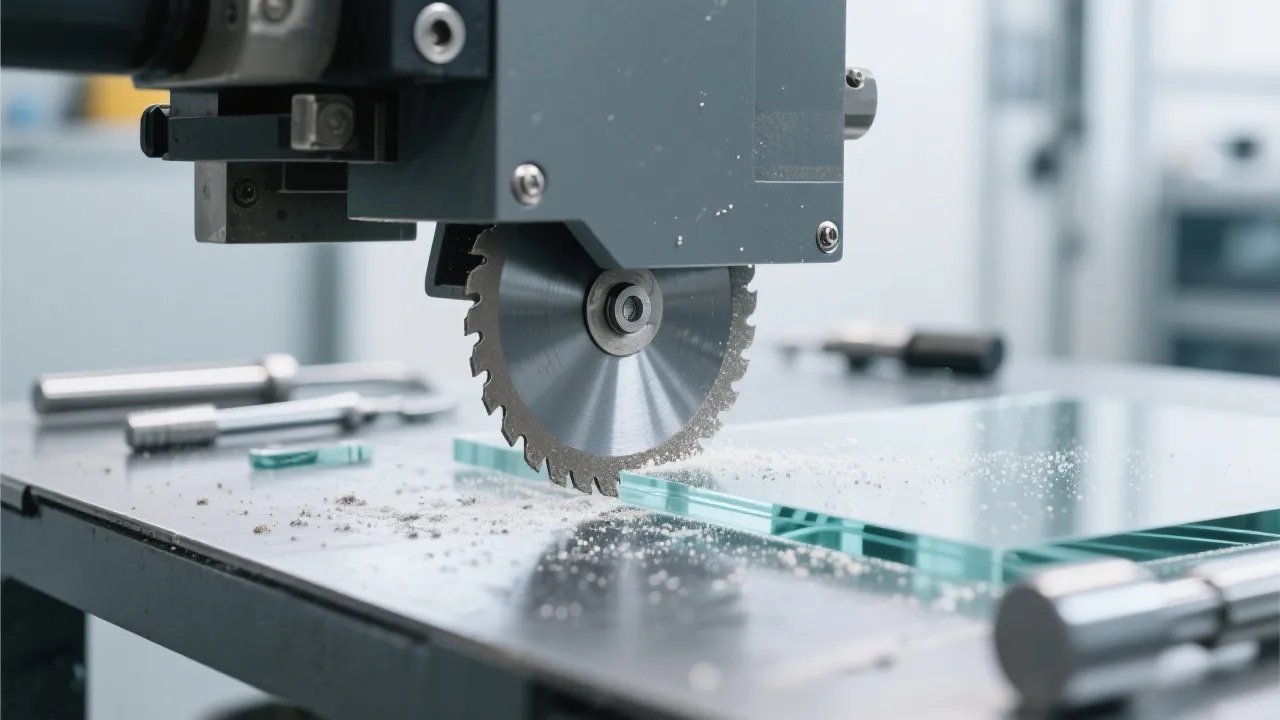
Tiles are more fragile, so a lower speed and shallower depth are required. Place the tile on a stable surface and use a guide to ensure a straight cut. Avoid cutting too quickly, as this can cause the tile to break.
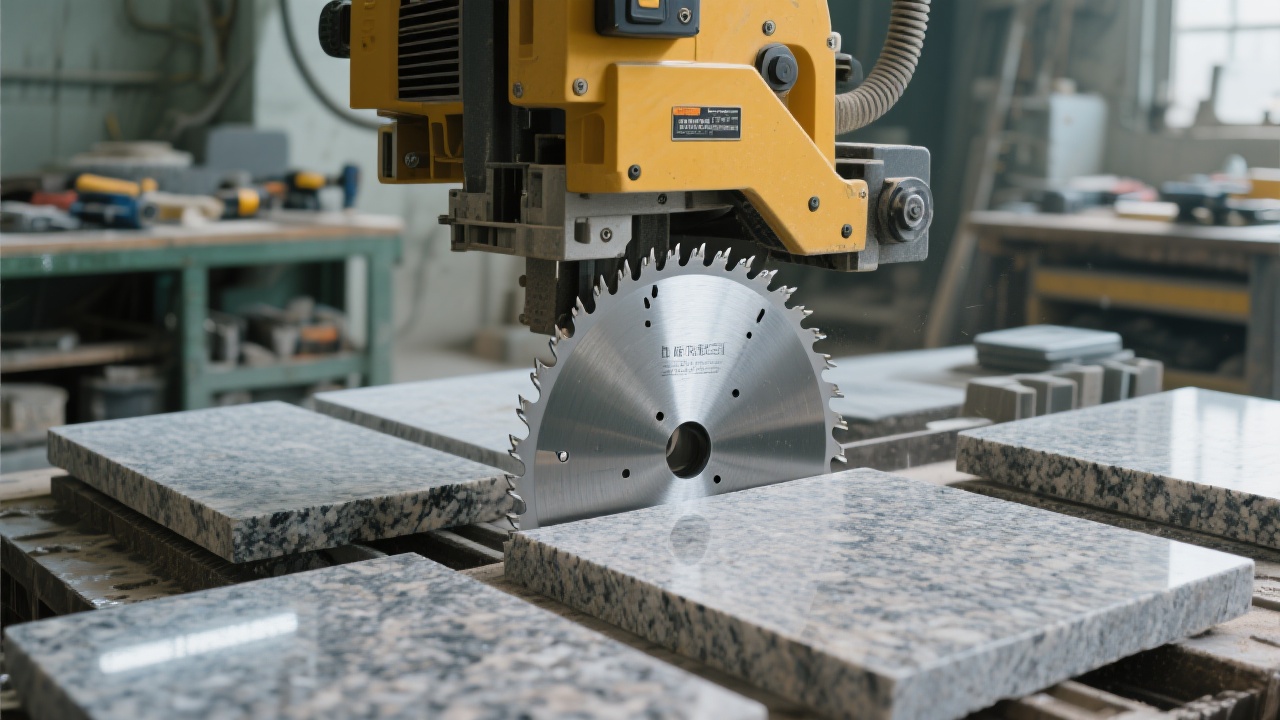
Path planning can significantly improve cutting efficiency. Plan the cutting path in advance to minimize the movement of the saw blade and reduce cutting time. Dust - proof measures are also important. Use a dust collector to keep the working environment clean and protect the health of the operators. Additionally, proper ergonomic design can reduce the labor intensity of the operators.
Some common mistakes include using the wrong saw blade for the material, incorrect installation, and improper cutting parameters. For example, using a saw blade designed for soft materials to cut granite can lead to poor cutting performance and premature wear of the saw blade. By learning from these typical error cases, operators can avoid making similar mistakes.
The UHD high - durable brazed diamond saw blade offers multiple benefits. It can significantly improve cutting efficiency, reduce material waste, and extend the tool life. This leads to cost savings in the long run. By using the correct cutting techniques and parameters, users can achieve better cutting results and improve the quality of their products.
.png?x-oss-process=image/resize,h_1000,m_lfit/format,webp)
.png?x-oss-process=image/resize,h_1000,m_lfit/format,webp)