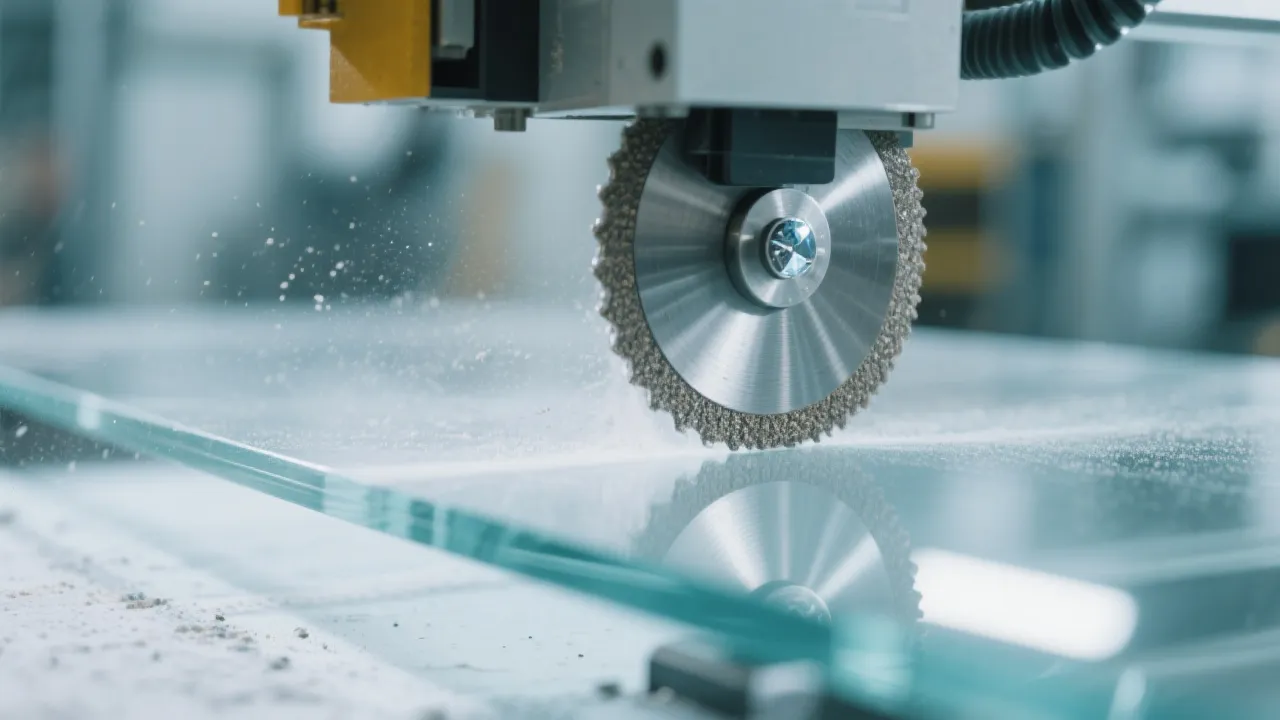
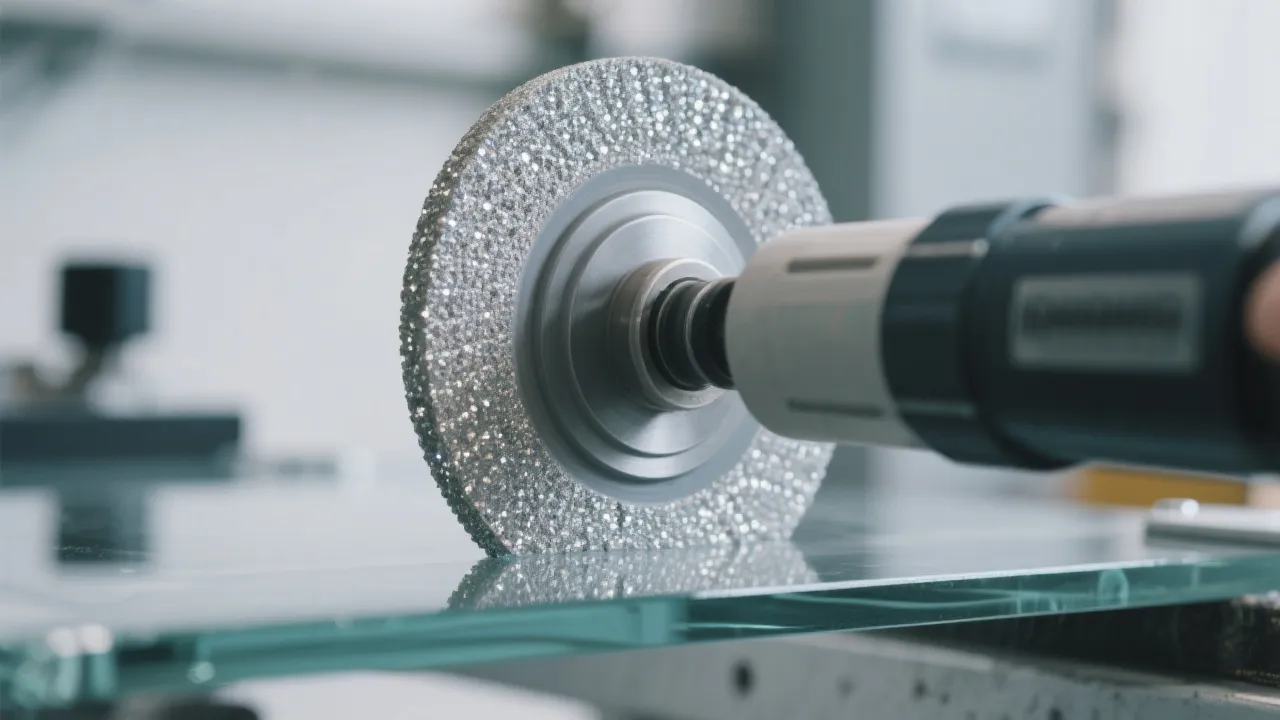
Vacuum brazing technology has become a cornerstone in industrial manufacturing, especially in the production of high - performance metal - working tools. This technology involves joining materials using a filler metal that melts at a temperature below the base materials. In the context of metal - working diamond cutting discs, it offers unparalleled advantages.
The vacuum brazing process is a multi - step operation. First, there is a pre - treatment phase. The base metal and the diamond abrasive are carefully cleaned to remove any contaminants, which is crucial for ensuring a strong bond. After pre - treatment, the components are heated in a vacuum chamber. The temperature is carefully controlled, usually ranging from 800°C to 1000°C, depending on the type of filler metal used.

Once the filler metal reaches its melting point, it flows between the base metal and the diamond abrasive, creating a strong metallurgical bond. After the brazing is complete, the assembly is slowly cooled to room temperature to prevent thermal stress and cracking. Key control parameters include temperature, heating rate, and vacuum level. A high - quality vacuum environment, typically around 10^ - 3 to 10^ - 6 torr, is essential to eliminate oxidation and ensure the quality of the brazed joint.
Different material combinations have a significant impact on the bond strength and wear resistance of the diamond cutting disc. For example, when using a nickel - based filler metal with a high - grade diamond, the bond strength can be increased by up to 30% compared to traditional brazing methods. This results in a cutting disc that can withstand more intense cutting operations without the diamond abrasive detaching prematurely.
In metal processing scenarios, the application of vacuum - brazed diamond cutting discs has shown remarkable results. In a large - scale metal manufacturing plant, the use of UHD super - hard material tools reduced the tool replacement frequency by 40%. This not only saved on tool costs but also significantly reduced machine downtime, leading to a 25% increase in overall production efficiency.
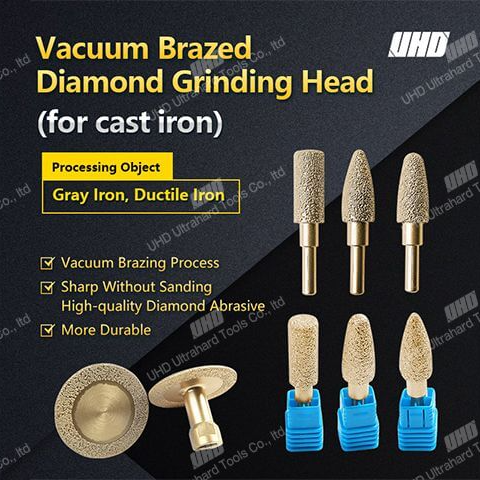
The vacuum environment in the brazing process plays a critical role in eliminating oxidation. Oxidation can weaken the bond between the filler metal and the base material, leading to premature tool failure. By operating in a vacuum, the quality of the brazed joint is improved, and the long - term stability of the cutting disc is ensured, allowing it to maintain high - performance cutting for extended periods.
When selecting a vacuum - brazed diamond cutting disc, it's important to consider the specific working conditions. For heavy - duty cutting operations, such as cutting thick metal plates, a cutting disc with a high - density diamond and a strong - bond filler metal is recommended. For more precise and delicate cutting work, a disc with a finer diamond particle size may be more suitable.
In terms of maintenance, regular inspection of the cutting disc for signs of wear and damage is essential. A dull or damaged disc should be replaced promptly to ensure safety and efficiency. Additionally, proper storage in a dry and clean environment can extend the service life of the cutting disc.
"Vacuum brazing technology has revolutionized the metal - working tool industry. The UHD super - hard material tools are a prime example of how this technology can be leveraged to achieve higher efficiency and durability." - Industry Expert
In conclusion, vacuum brazing technology offers significant advantages in the production of metal - working diamond cutting discs. By enhancing tool durability, reducing downtime, and lowering maintenance costs, it provides a cost - effective solution for industrial users. Whether you are an engineer, a procurement decision - maker, or a technical manager, the benefits of UHD super - hard material tools are undeniable. Don't miss out on the opportunity to improve your production efficiency and tool performance.
立即咨询定制方案,让您的生产效率再提速30%+ (Get a customized solution now and boost your production efficiency by 30%+!)
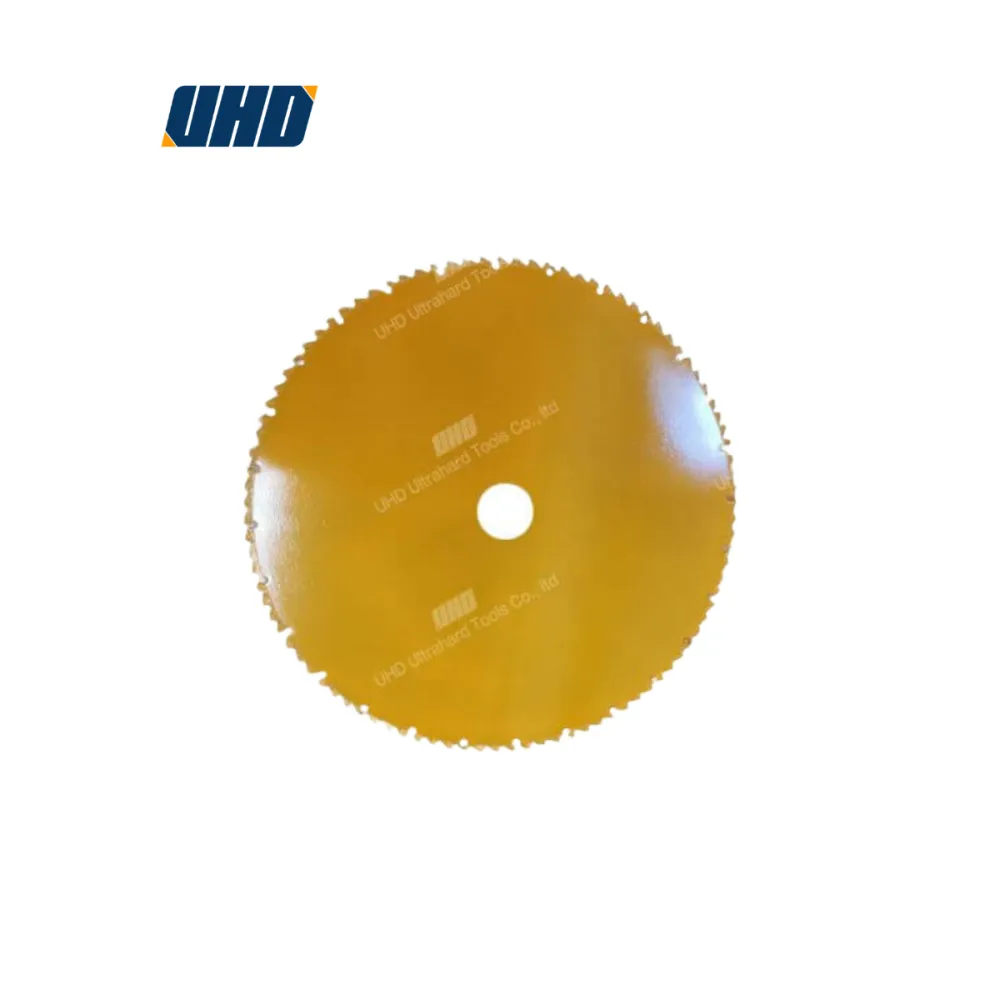

.png?x-oss-process=image/resize,h_1000,m_lfit/format,webp)
.png?x-oss-process=image/resize,h_1000,m_lfit/format,webp)